How Accurate Are Pulse Oximeters at Home?
Home pulse oximeters can be useful for spot checks, but their accuracy depends on device quality, circulation, skin tone validation, and correct use.
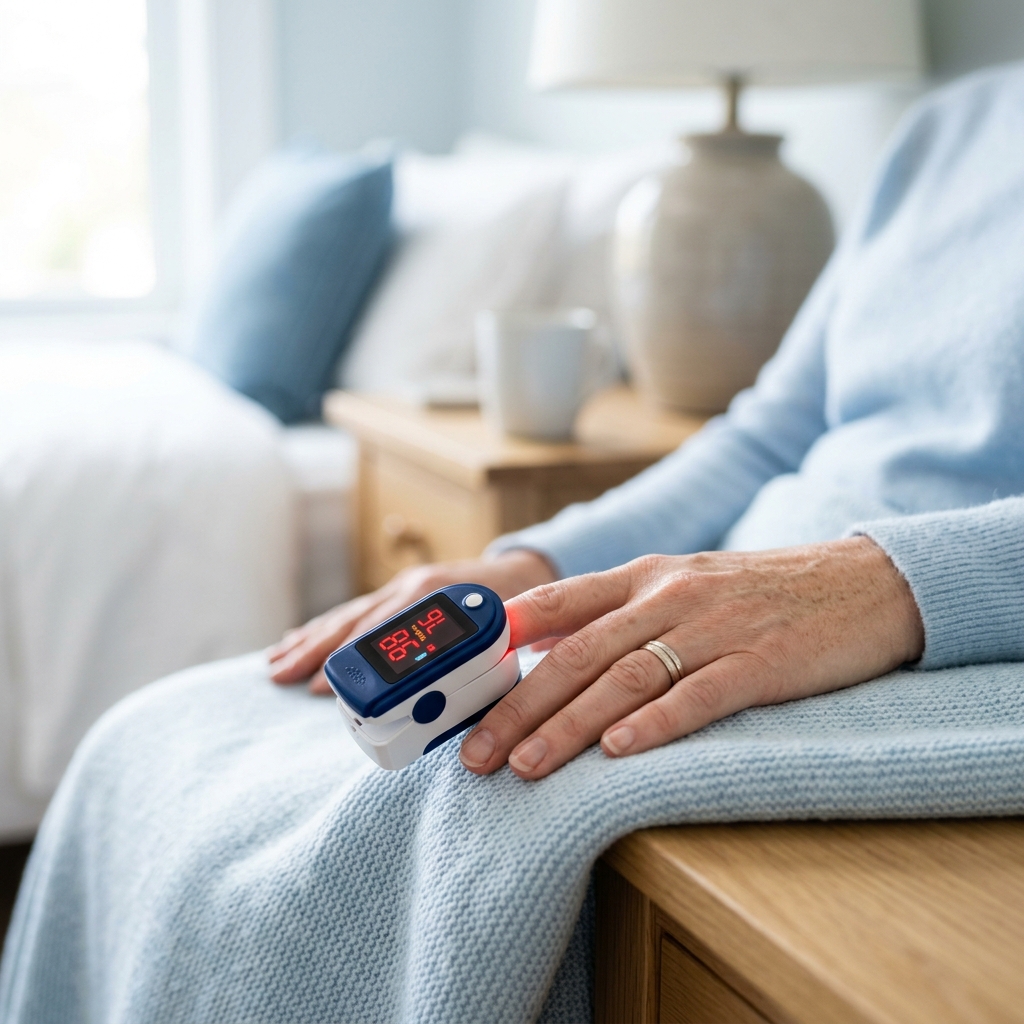
Home pulse oximeters can be useful for spot checks, but their accuracy depends on device quality, circulation, skin tone validation, and correct use.
Home pulse oximeters became much more common during the pandemic, and for good reason. They offer a fast, simple way to check oxygen saturation at home without a clinic visit. The problem is that many people assume a fingertip pulse oximeter gives a perfectly objective reading every time. It does not.
A home pulse oximeter can be useful, but it is best understood as a screening tool rather than a flawless measuring instrument. The number on the display is shaped not just by the device itself, but by how well it was validated, how well it fits, and whether the reading conditions are good enough to trust.
What a pulse oximeter actually measures
A pulse oximeter estimates the percentage of hemoglobin in your blood that is carrying oxygen. It does this by shining light through the fingertip and analyzing how that light is absorbed.
That means the device is not directly measuring oxygen in the way a blood gas test does. It is estimating saturation based on optical signals. In good conditions, a quality device can be reasonably accurate. In bad conditions, the reading can drift enough to matter.
When home pulse oximeters are reasonably accurate
A good pulse oximeter tends to perform best when:
- your hands are warm
- you are sitting still
- the sensor fits properly
- the device has been validated against recognized standards
- oxygen saturation is in a normal or near-normal range
Under those conditions, many decent devices are accurate enough for general home spot checks. That does not mean they are interchangeable. Better devices tend to be more consistent, and the gap matters more when the reading is close to a threshold that might influence what someone does next.
What throws the reading off
Several things can make a home pulse oximeter less reliable.
Cold hands or poor circulation. If blood flow to the finger is reduced, the device may struggle to detect a stable signal.
Movement. Even small motion can interfere with the optical reading.
Nail polish or artificial nails. Dark polish, especially black or dark blue, can affect the signal path.
Low-quality hardware. Cheap devices often look similar online, but build quality and sensor quality vary more than the product pages suggest.
Insufficient validation across skin tones. This is one of the most important issues in the category. Some pulse oximeters have historically performed less reliably in people with darker skin, especially when oxygen levels are lower. That is why validation claims matter.
Why validation matters so much
A pulse oximeter should not earn trust just because it is sold on a major marketplace. The right question is whether the manufacturer has published meaningful performance data and whether the device has been tested in a way that reflects real-world use.
The FDA and other regulators have paid much closer attention to this category in recent years, especially around performance across different skin tones. A manufacturer that says little about validation should be treated more cautiously than one that is transparent about standards, tolerances, and testing methods.
What the number should mean to you
The most common mistake people make is reacting too strongly to a single reading.
A pulse oximeter is usually more useful for checking trends or confirming whether a reading looks persistently abnormal than for interpreting one number in isolation. If a reading seems low, the right first step is often to warm your hands, sit still, wait a minute, and measure again.
A number that looks off but does not match how the person appears clinically should be treated carefully. A device reading is only one piece of information. Symptoms still matter.
When home use makes sense
A home pulse oximeter can be worth having if you:
- want occasional spot checks during respiratory illness
- monitor an existing condition under medical guidance
- want a simple home tool as part of a broader health kit
It is less useful if you expect it to function like hospital equipment or to settle clinical questions on its own.
Bottom line
Home pulse oximeters can be useful, but they are not magic. A good one can provide helpful information when used correctly, especially for spot checks and trend awareness. A bad one, or a good one used badly, can create false reassurance or unnecessary alarm.
If you are shopping for one, look for evidence of validation, pay attention to the reading conditions, and be cautious about treating any single number as definitive.
Looking for a pulse oximeter?
We’re building out our pulse oximeter coverage next. In the meantime, use the same buying principles we apply across all home health devices: validation first, marketing second.
This article is educational and not medical advice. Consult a qualified clinician before making decisions about diagnosis, treatment, or urgent medical care.
Home-monitoring advice is only useful if it is easy to verify and act on correctly.
We write explainers to be understandable to readers, search engines, and AI answer systems.
Use a validated upper-arm monitor and track readings over time, not just once.