The blog.
Research breakdowns, how-to guides, and practical advice on measuring your own health at home, written in plain English and grounded in real-world device use.
What Is Masked Hypertension? When Normal Office Readings Miss High Blood Pressure
Masked hypertension means your blood pressure looks normal at the doctor's office but runs high at home or during daily life. Here's why it matters, who is at risk, and how to catch it.
Can a Blood Pressure Monitor Measure Oxygen Levels?
A standard blood pressure monitor cannot measure oxygen levels. Learn how to tell blood pressure, pulse, and SpO2 apart—and when symptoms need urgent care.
Can You Use an Adult Blood Pressure Monitor on a Child?
An adult blood pressure monitor is not automatically suitable for a child. Check pediatric validation, cuff fit, and the care team's monitoring plan.
How to Check for a Blood Pressure Monitor Recall
Check a blood pressure monitor recall by matching the exact model and affected identifiers, then follow the official instructions—not a headline alone.
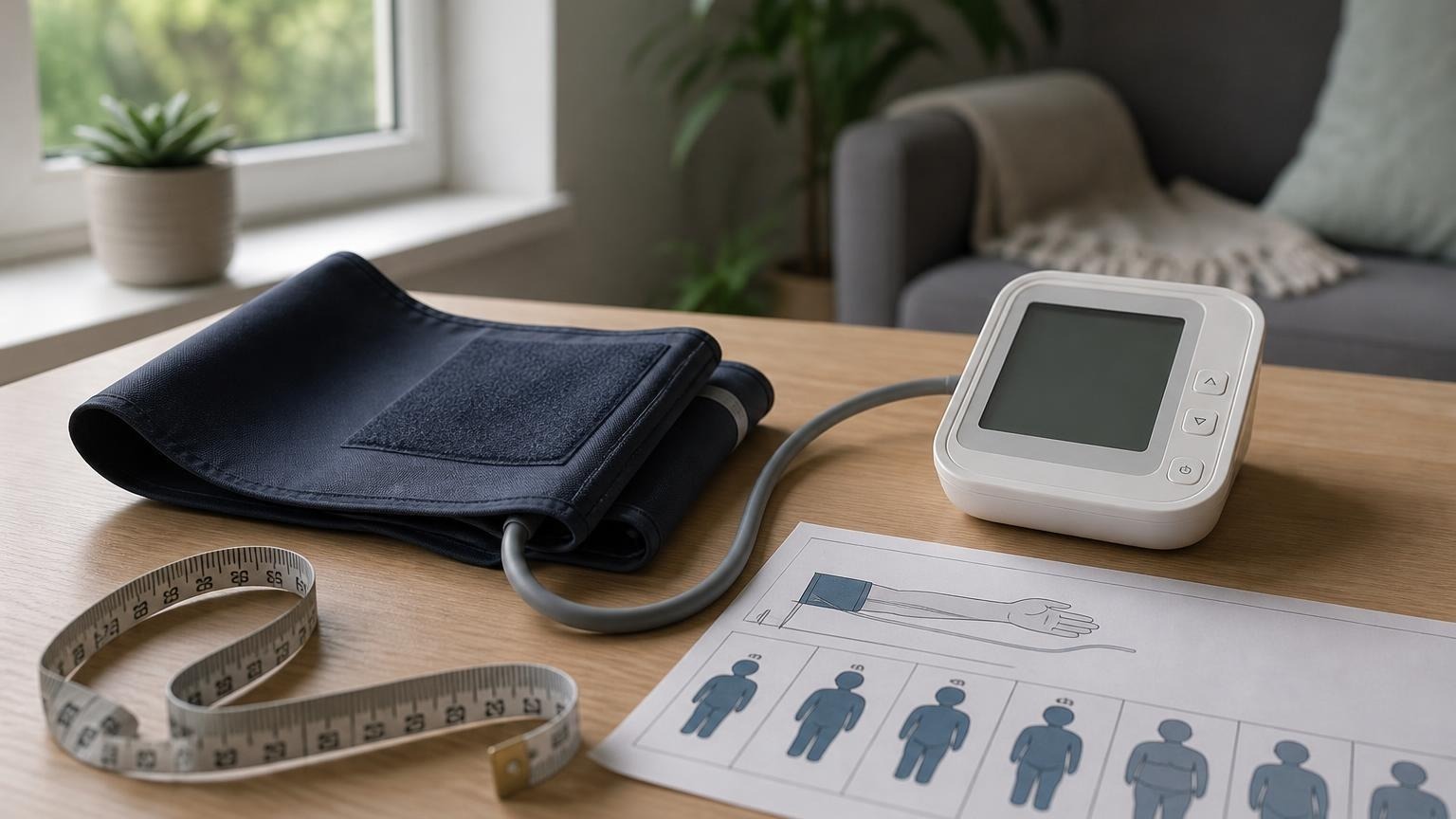
D-Ring vs Preformed Blood Pressure Cuffs: What's Different?
D-ring and preformed blood pressure cuffs differ mainly in how they wrap. Compare fit, one-handed setup, storage, sizing, and monitor compatibility.
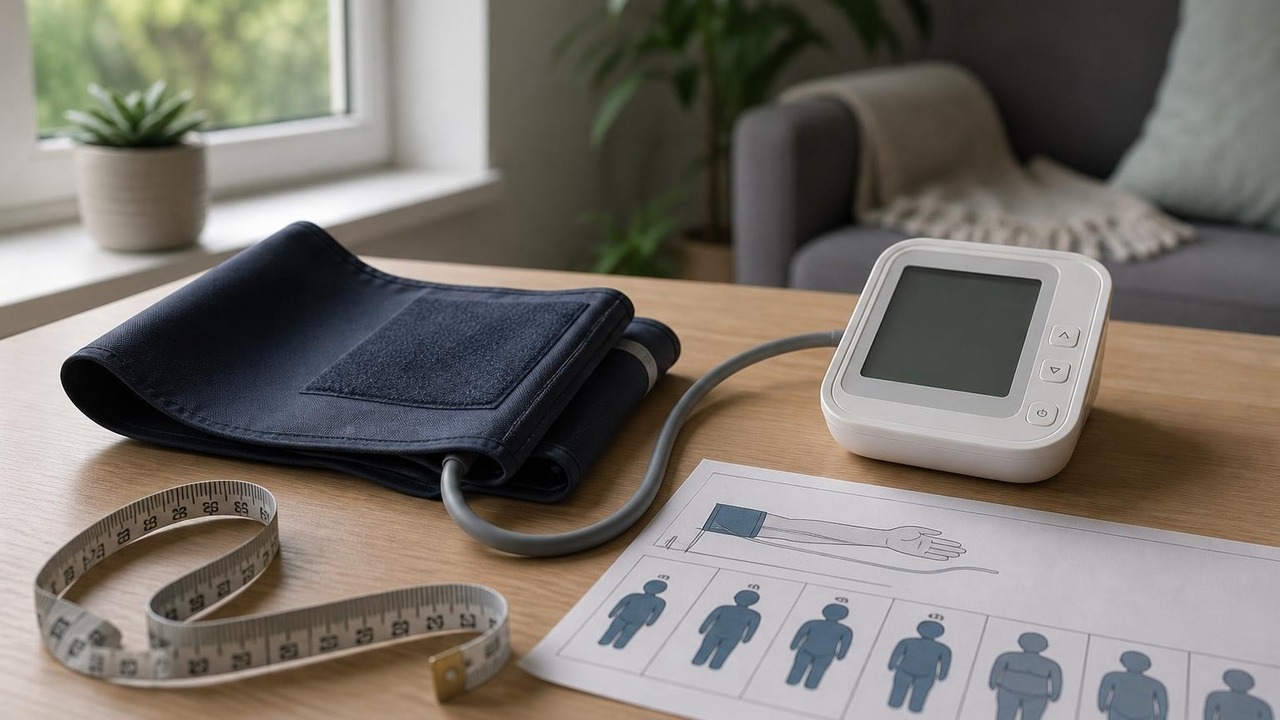
Blood Pressure Cuff Rash: What to Check Before Using It Again
A rash after using a blood pressure cuff needs more than a tighter wrap. Check skin irritation, cleaning products, cuff materials, and safe next steps.
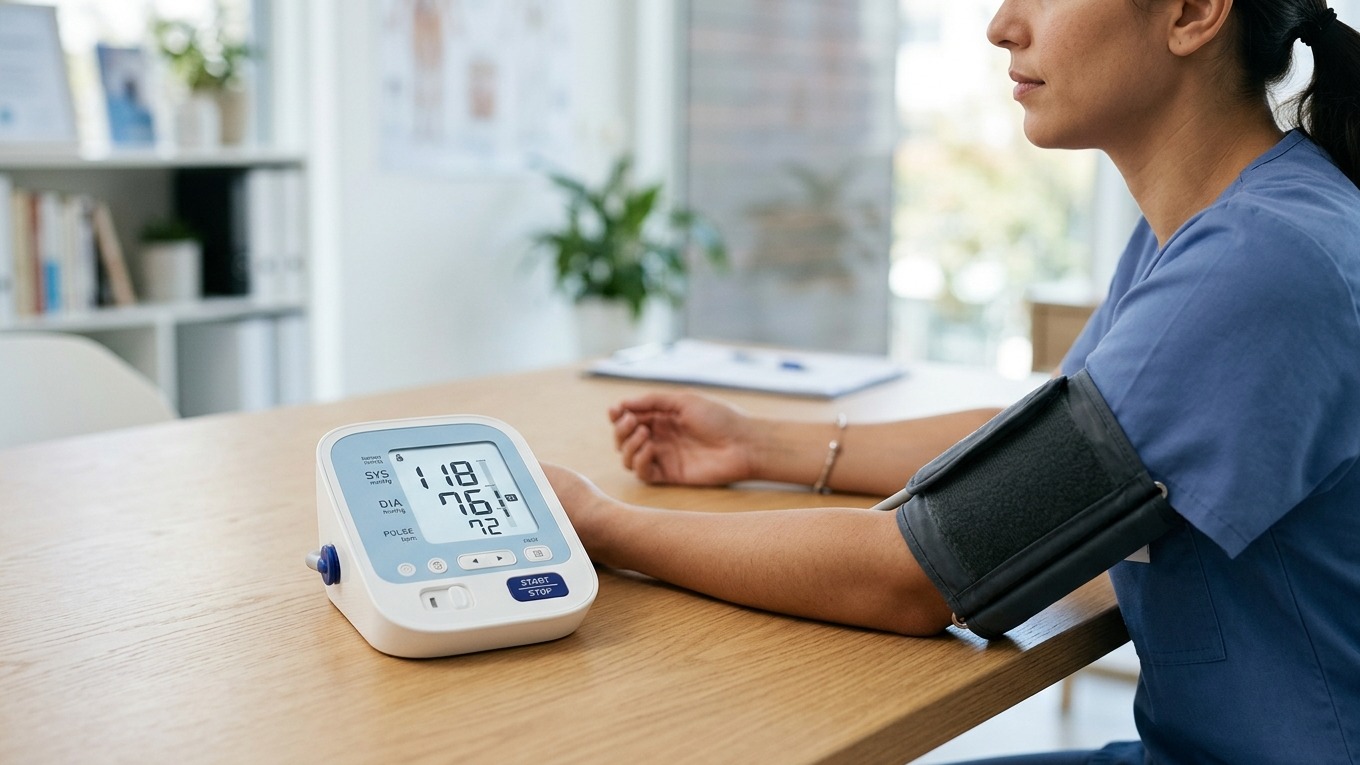
Blood Pressure Monitor kPa vs mmHg: Why Numbers Look Different
Blood pressure monitor showing kPa instead of mmHg? Learn how to read decimal values, convert units, check settings, and keep your log consistent.
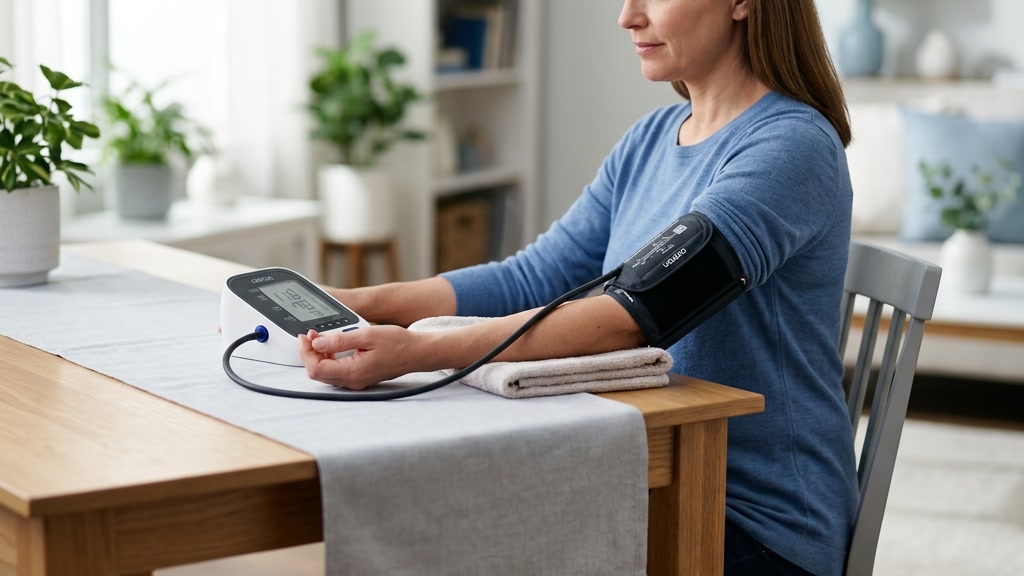
Can You Use a Blood Pressure Monitor With a Pacemaker?
Using a blood pressure monitor with a pacemaker? Check model restrictions, reading limitations, and what to ask your pacemaker clinic before home monitoring.
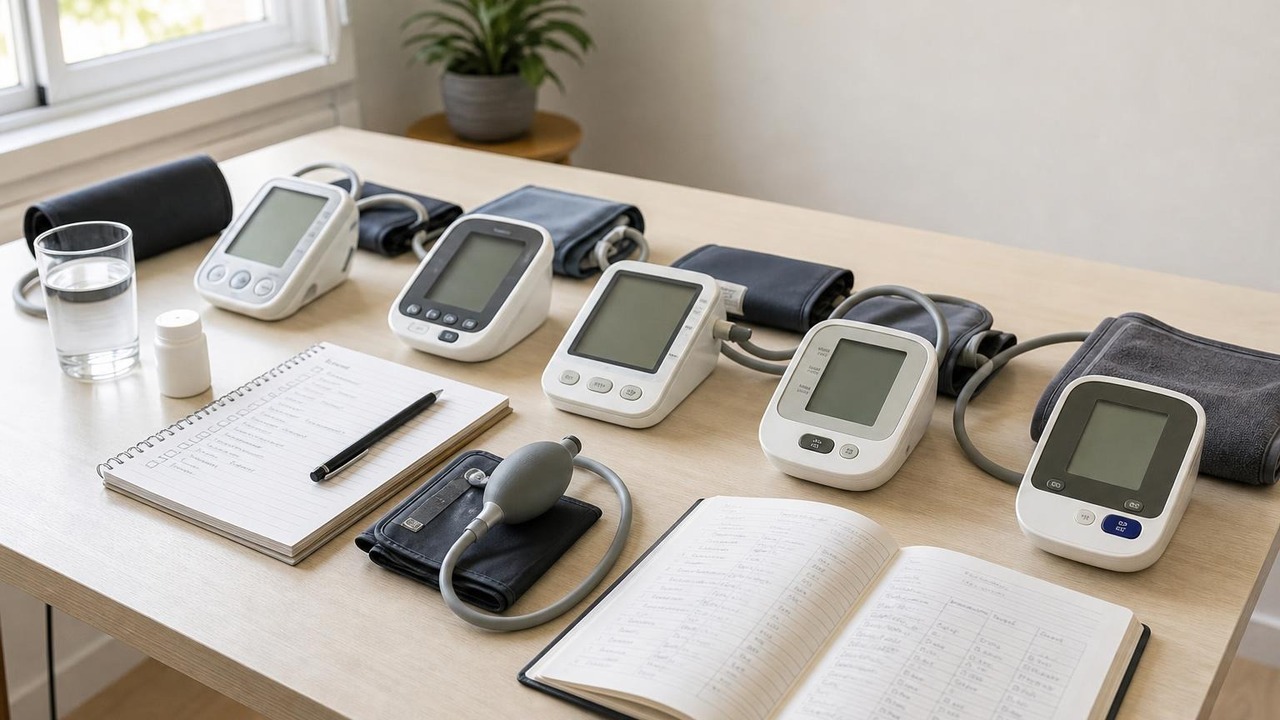
Why Does My Blood Pressure Monitor Drain Batteries So Fast?
A blood pressure monitor that drains batteries quickly may have the wrong cells, repeated pump cycles, poor contacts, or a power fault. Learn what to check.
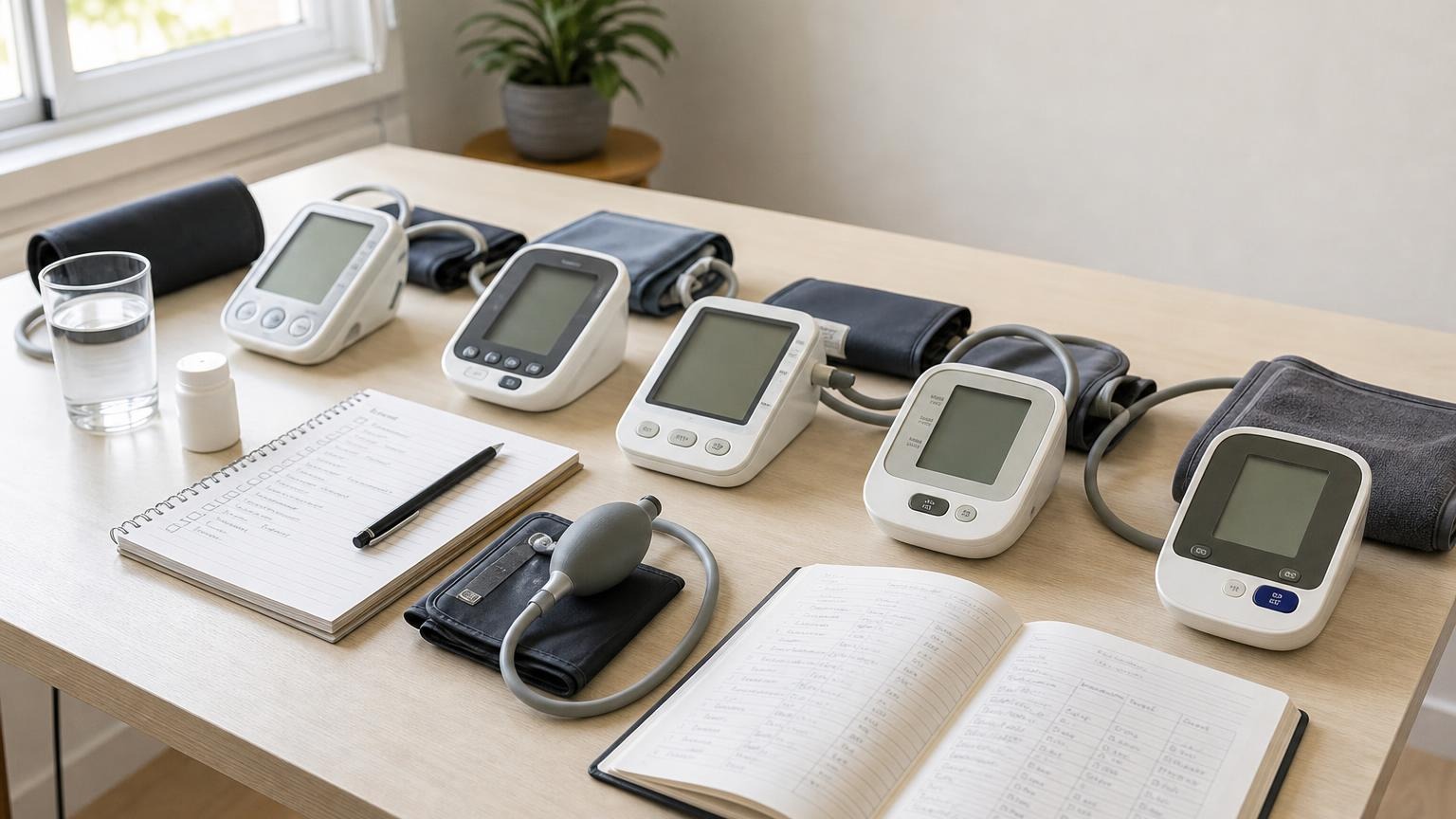
Should You Buy a Used Blood Pressure Monitor?
A used blood pressure monitor may be reasonable only when the exact model is validated, the cuff fits, and its condition and support history check out.
Why Your Blood Pressure Monitor Shuts Off During a Reading
If your blood pressure monitor shuts off during a reading, check batteries, contacts, the approved adapter, cuff airflow, and possible device damage.
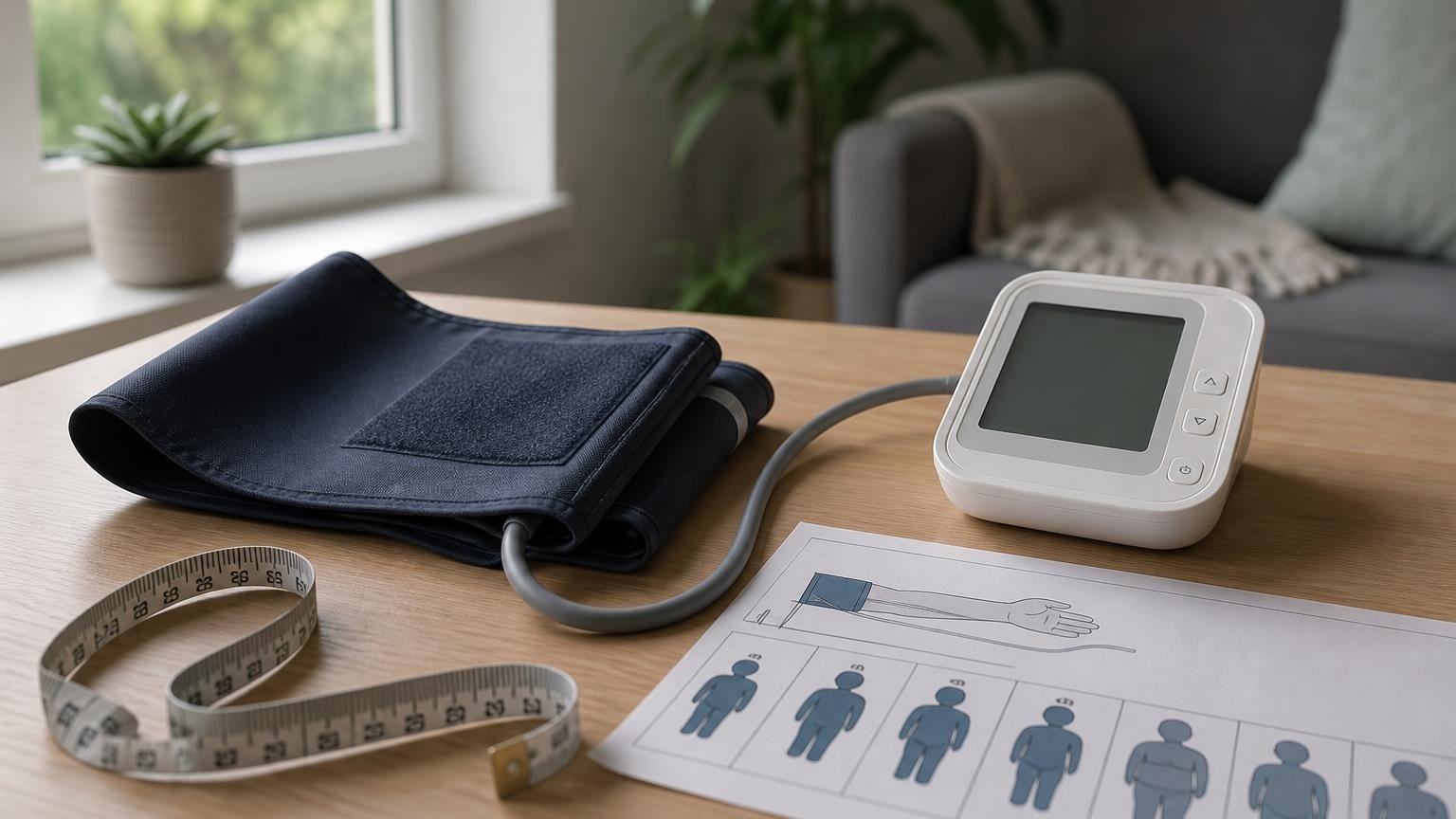
How to Put On a Blood Pressure Cuff by Yourself
Learn how to put on an upper-arm blood pressure cuff by yourself, keep it flat and snug, and avoid placement errors that can spoil a reading.
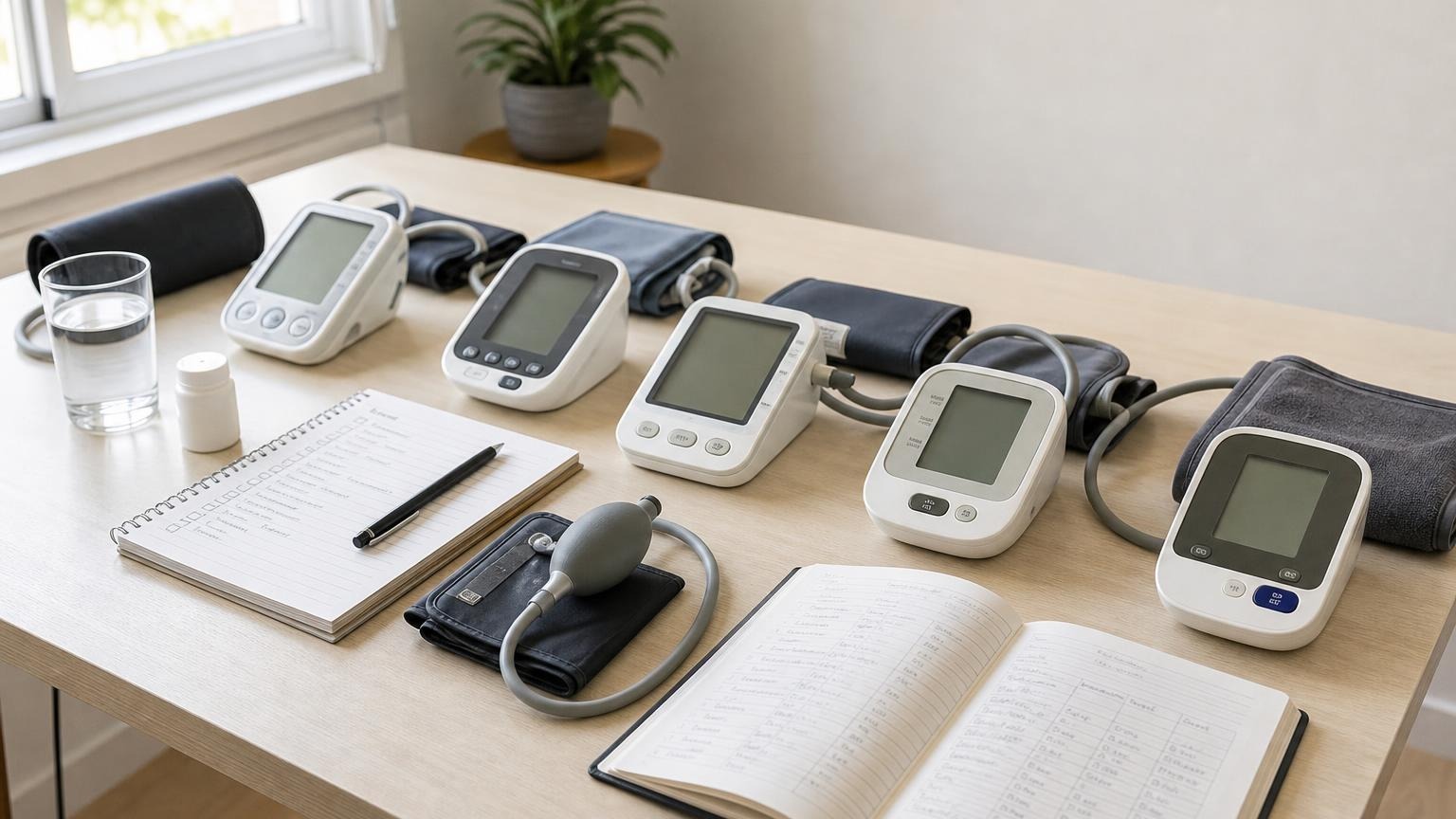
Blood Pressure Monitor Got Wet? What to Do Next
If your blood pressure monitor gets wet, stop using it, disconnect power safely, check the manual, and contact the manufacturer before reuse.
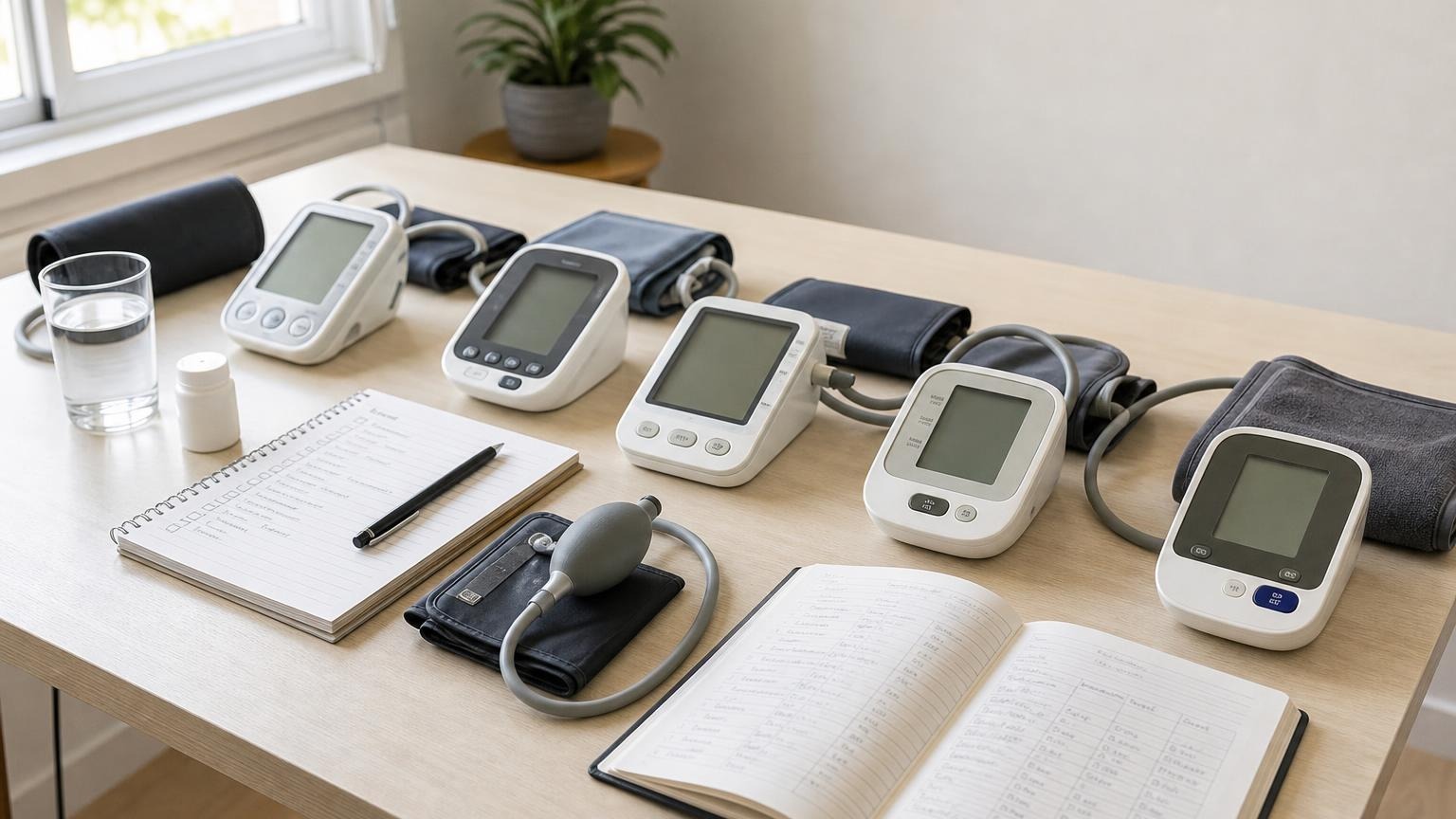
Blood Pressure Monitor Still Shows Low Battery? What to Check
If a blood pressure monitor still shows low battery after replacement, check the full battery set, type, polarity, contacts, and model instructions.
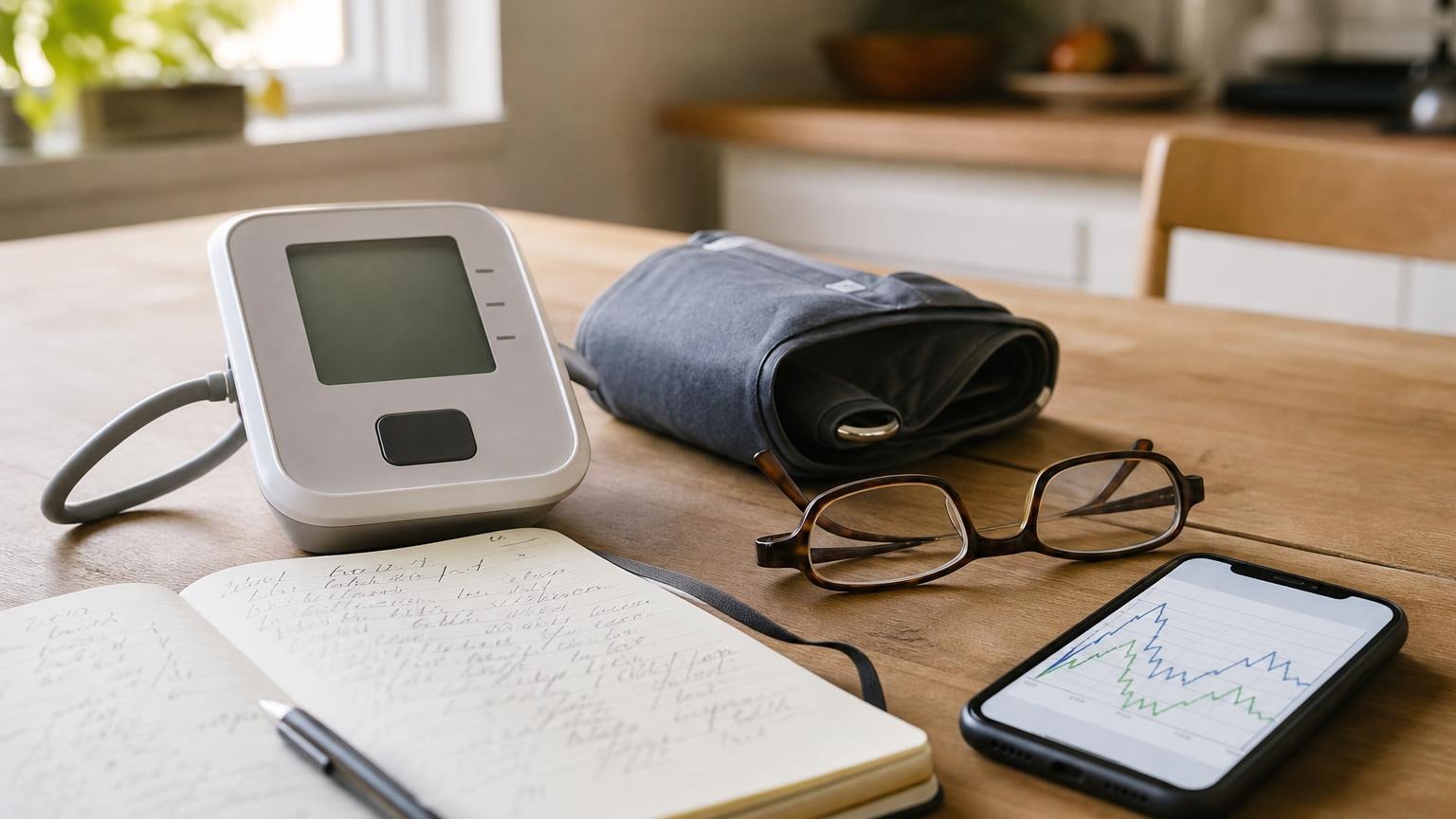
What Does M Mean on a Blood Pressure Monitor?
The M on a blood pressure monitor usually means memory. Learn how to identify stored readings, averages, memory numbers, and safe button use.
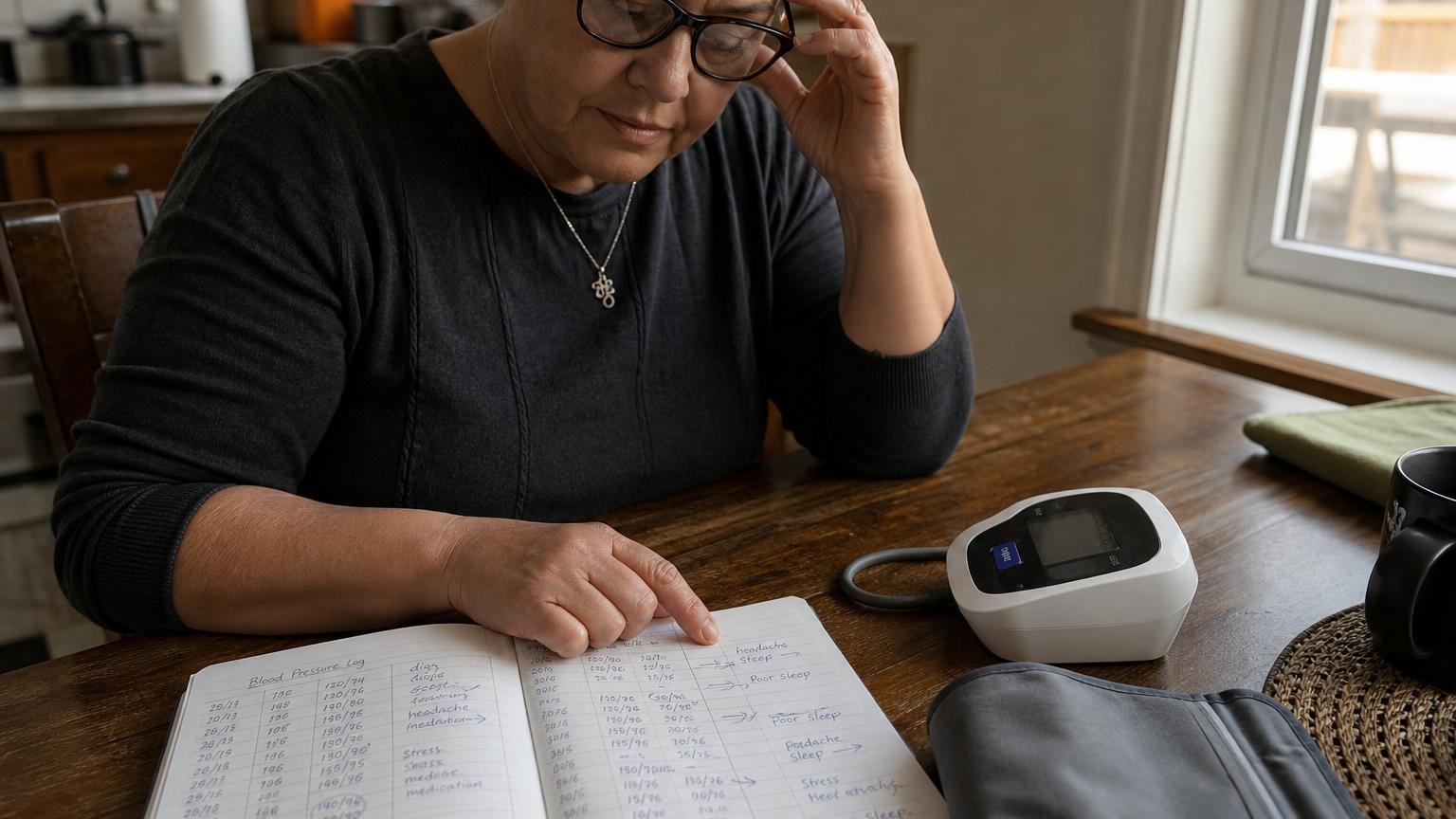
What Do the Numbers Mean While a Blood Pressure Cuff Inflates?
Numbers shown while a blood pressure cuff inflates usually track cuff pressure, not your final reading. Learn what the screen means and when to stop.
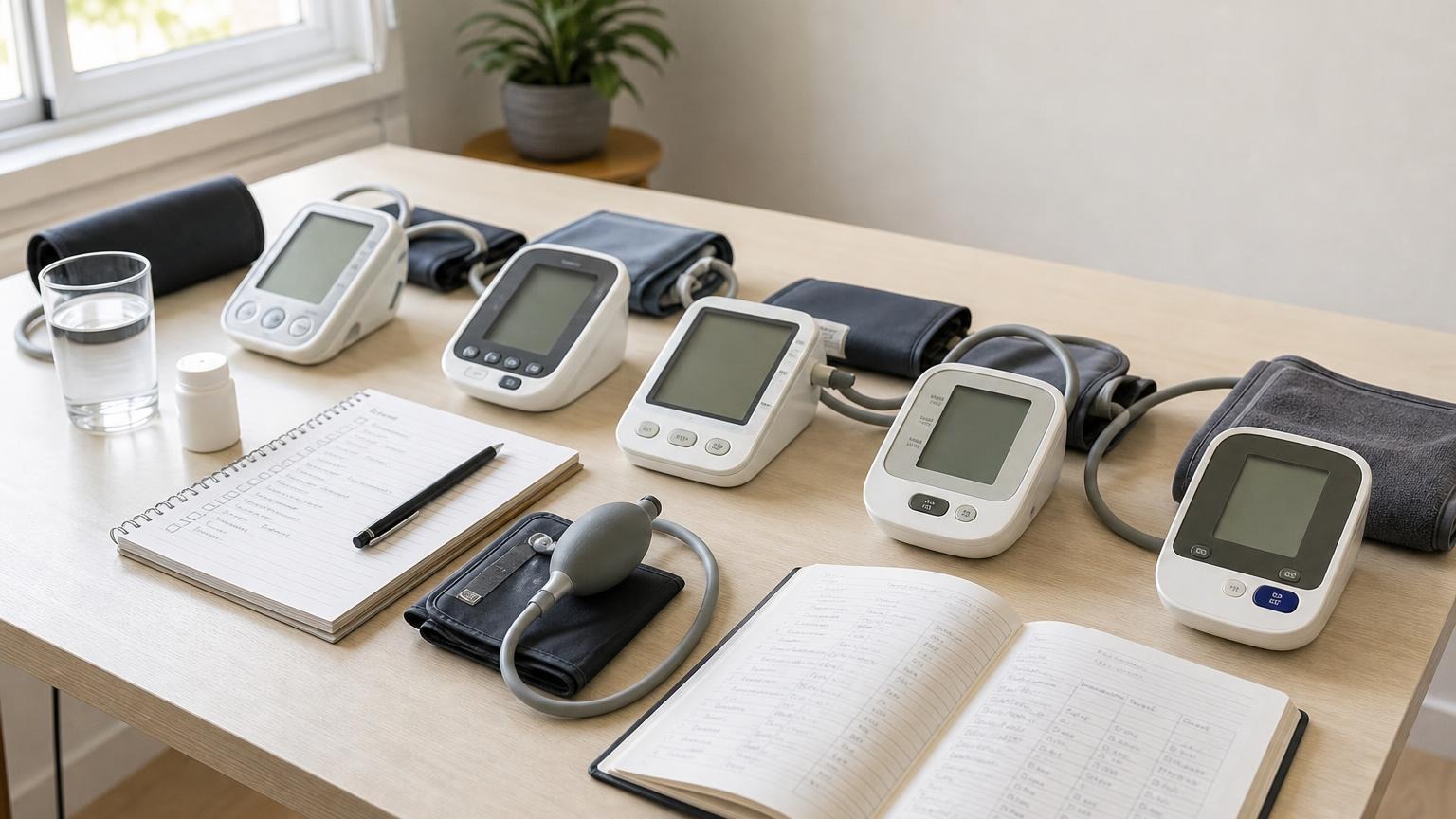
Rechargeable vs Battery Blood Pressure Monitors
Rechargeable vs battery blood pressure monitors: compare built-in charging, replaceable cells, AC adapters, travel use, and long-term reliability.
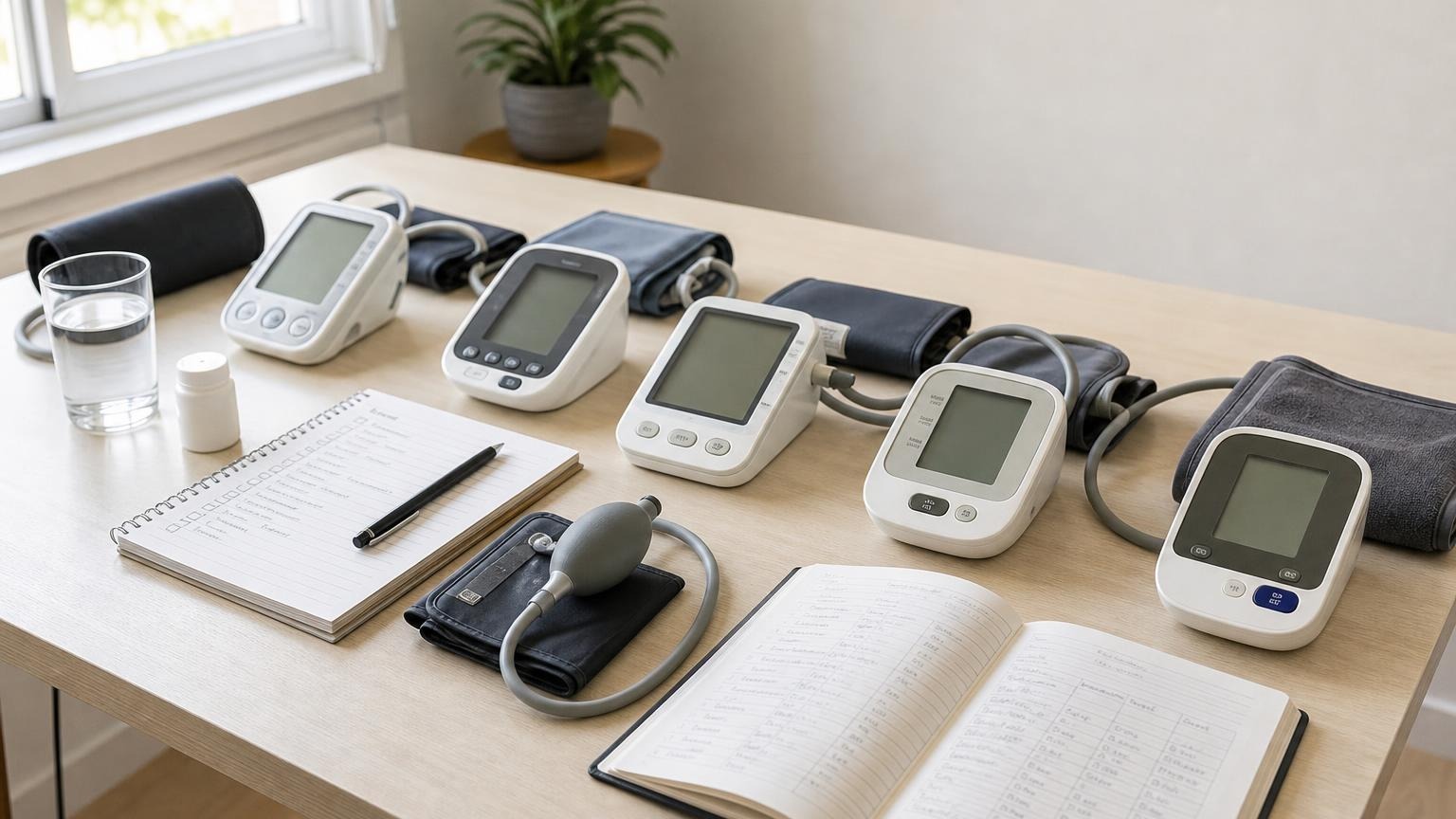
Blood Pressure Monitor Taking Too Long? What to Check
A blood pressure monitor that runs unusually long may be retrying a signal or struggling with cuff fit, airflow, power, or movement. Check it safely.
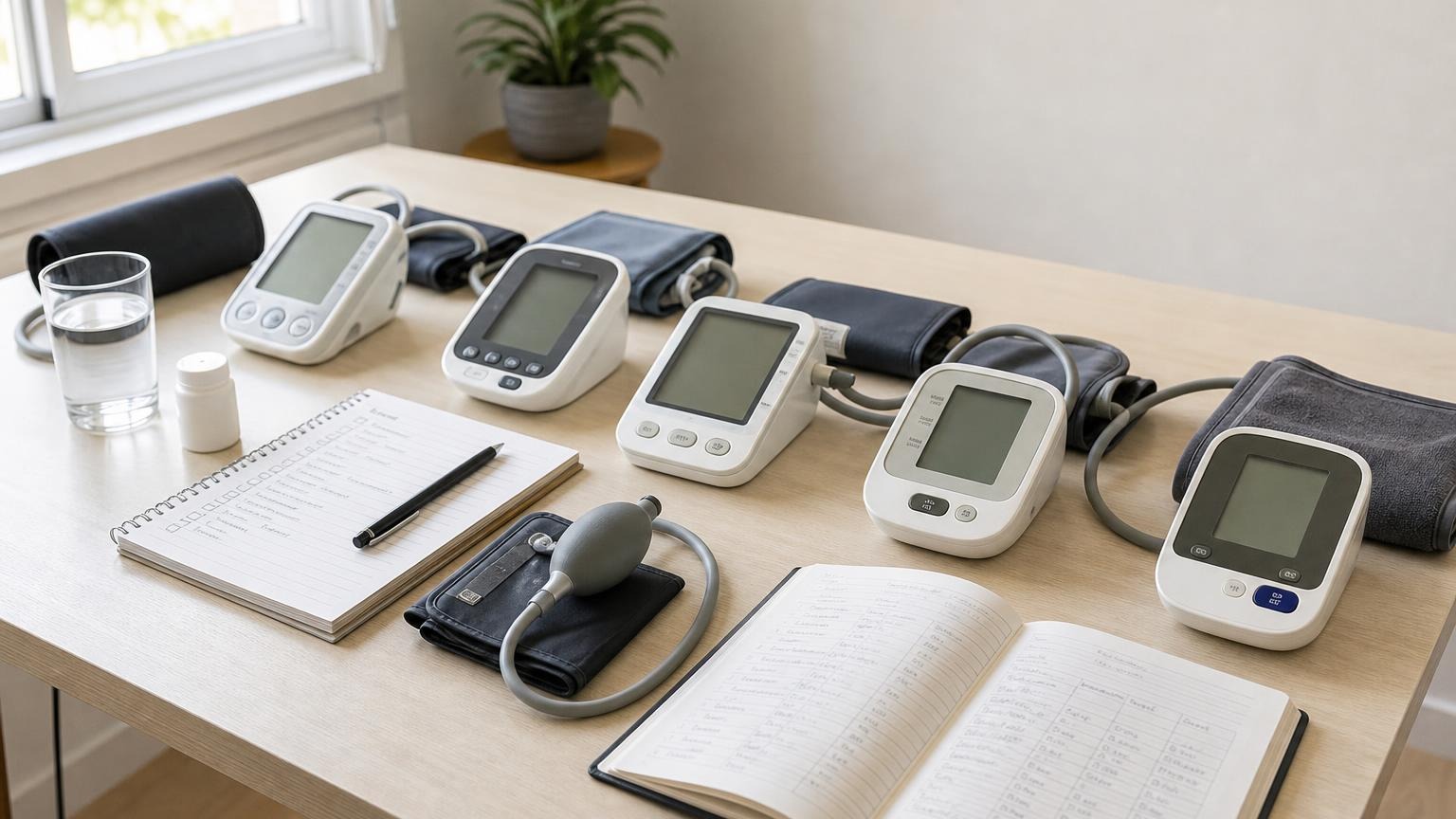
How to Reset a Blood Pressure Monitor Without Losing Readings
Reset a blood pressure monitor safely by saving readings first and choosing the right restart, memory-clear, pairing, or factory-reset procedure.
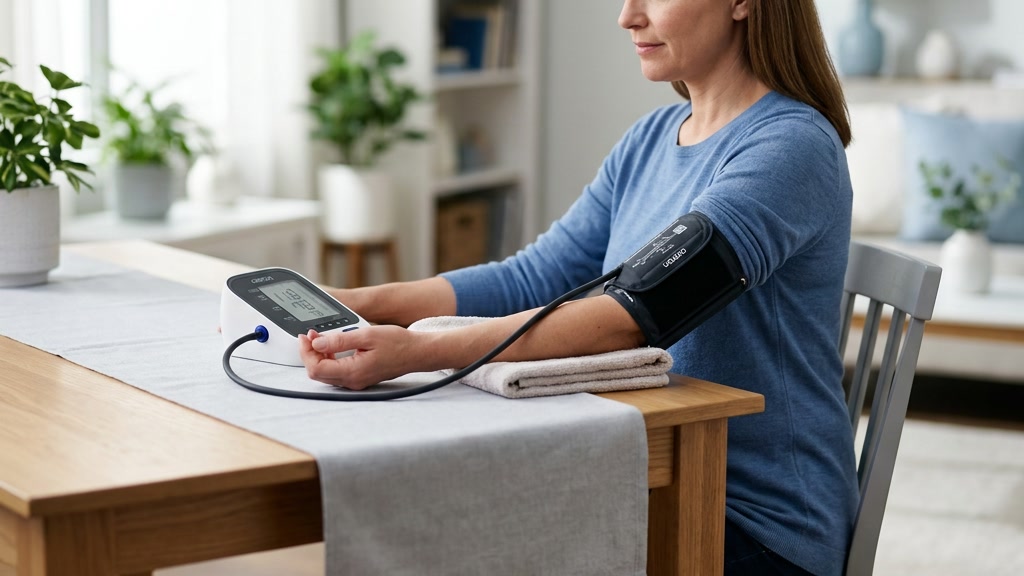
Are Home Blood Pressure Monitors Accurate With Atrial Fibrillation?
Atrial fibrillation can make automatic readings more variable. Learn how to choose a monitor, repeat measurements, and know when to get a device check.
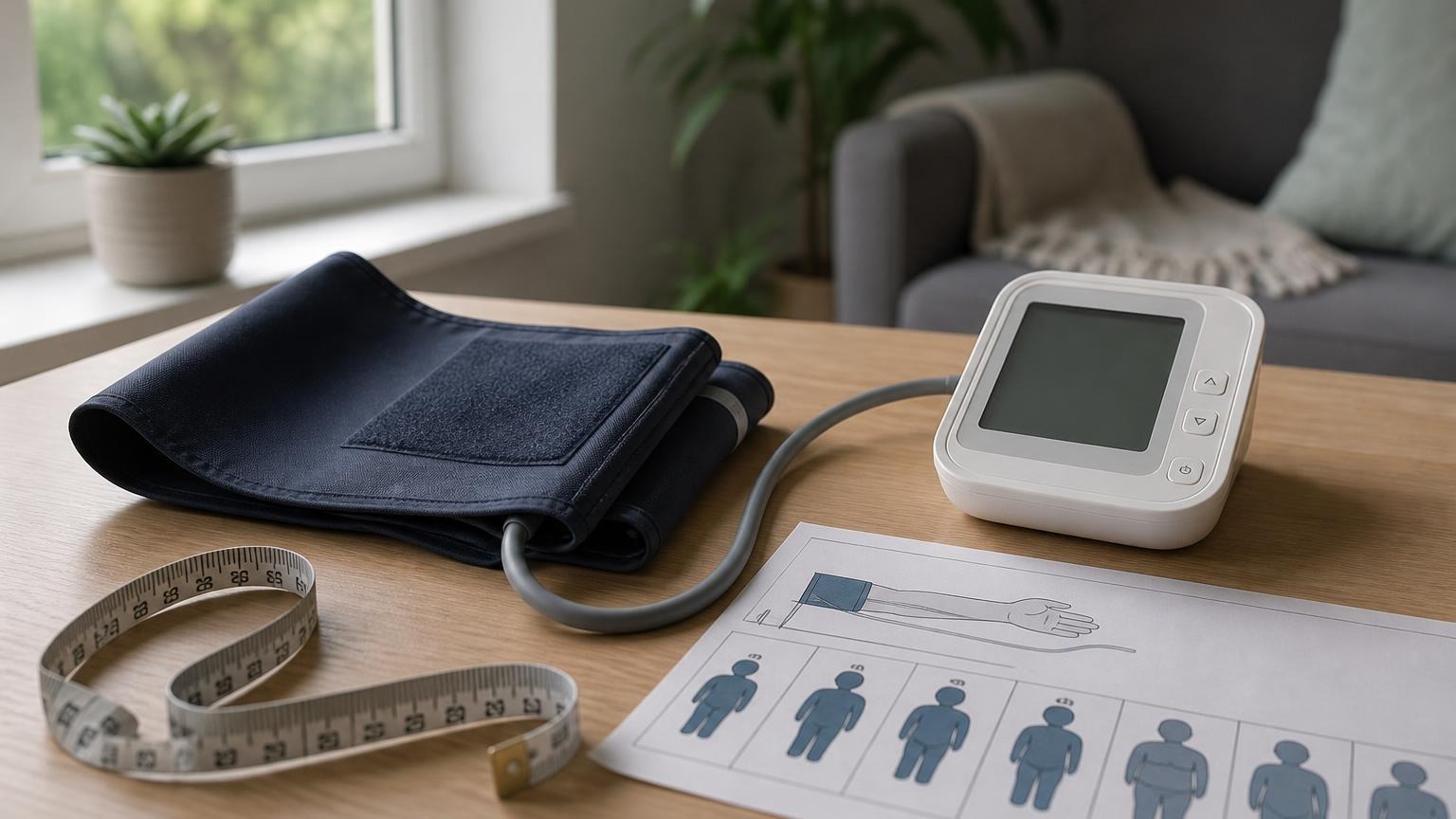
What Does the Index Line on a Blood Pressure Cuff Mean?
The index line on a blood pressure cuff is a model-specific fit check. Learn how to read it, distinguish other cuff marks, and spot a size problem.
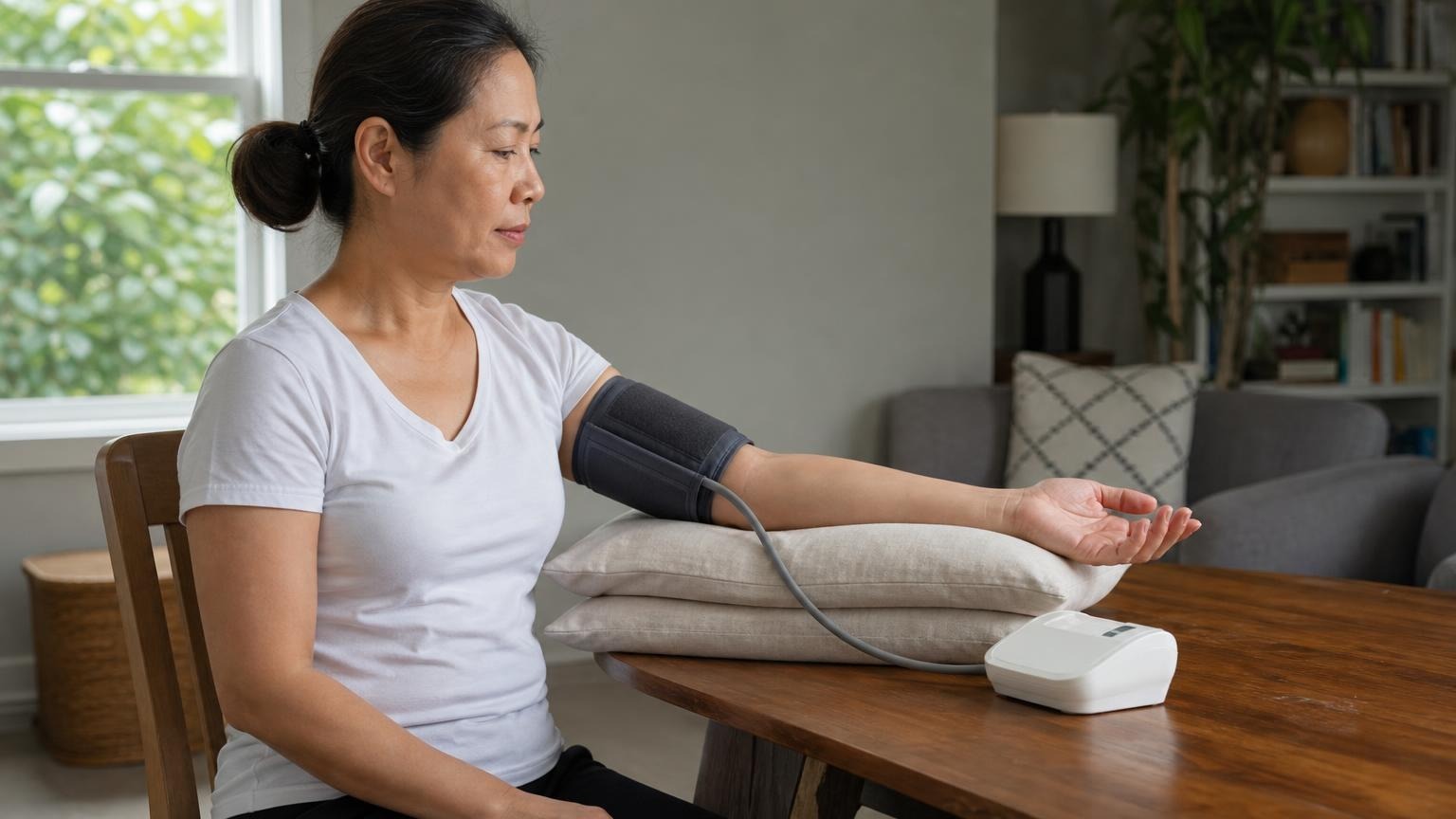
24-Hour Blood Pressure Monitor Missed a Reading? What to Do
A 24-hour blood pressure monitor may miss a reading because of movement or cuff trouble. Learn what to do and when to call the clinic.
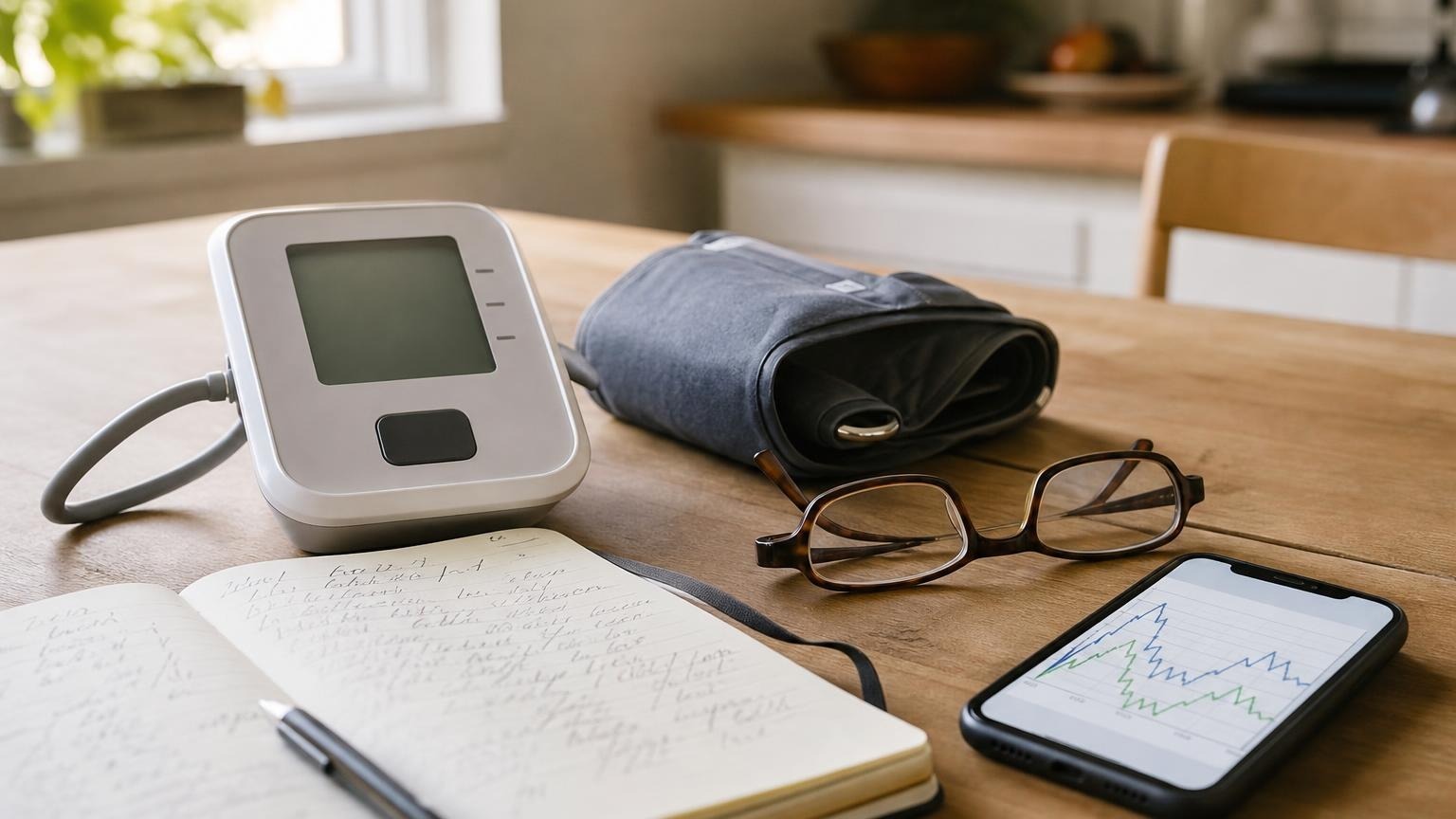
Blood Pressure Monitor Not Saving Readings? What to Check
If your blood pressure monitor is not saving readings, check the user, guest mode, memory, clock, power, and app transfer before resetting it.
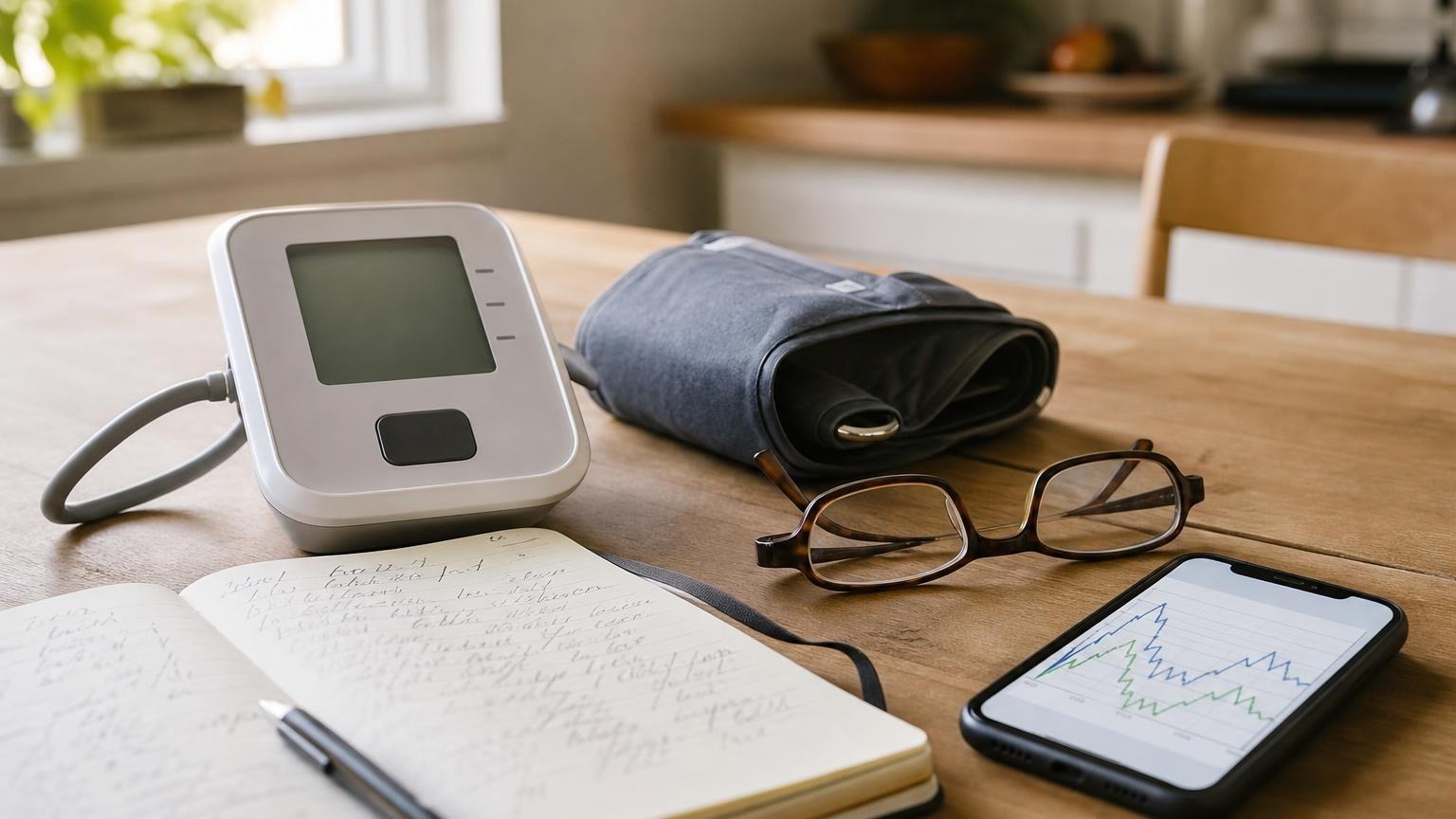
How to Set Up a Blood Pressure Monitor for First Use
Set up a new blood pressure monitor correctly: verify the model, cuff fit, power, clock, user profile, and first saved reading.
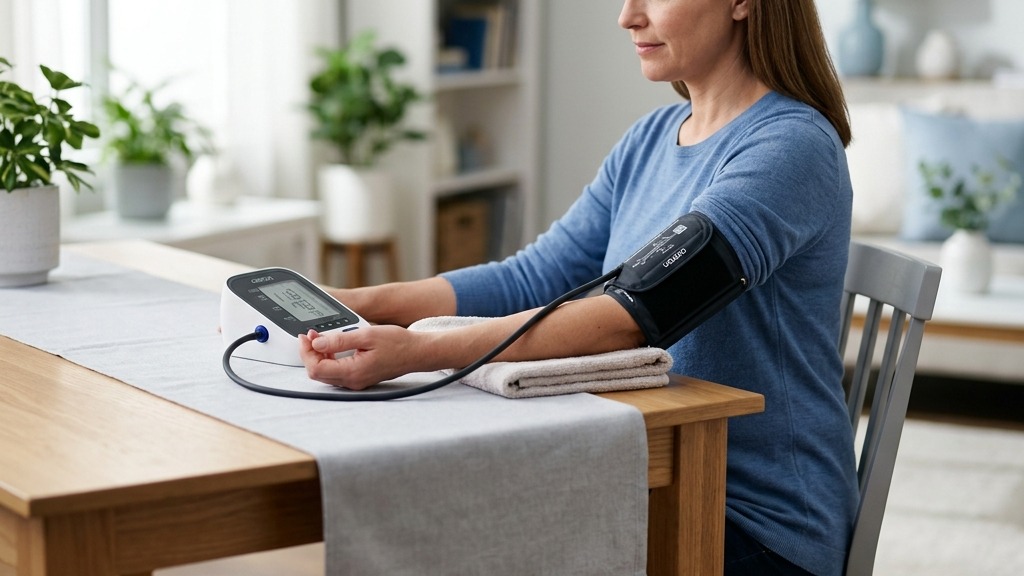
Blood Pressure Monitor Not Showing a Pulse? What to Check
If your blood pressure monitor is not showing a pulse, learn how to separate a failed reading from a display, cuff, power, or rhythm issue.
What Does the Cuff Symbol Mean on a Blood Pressure Monitor?
A cuff symbol usually reports how the cuff was wrapped or fitted. Learn how to identify the icon, repeat the reading, and check for cuff problems.
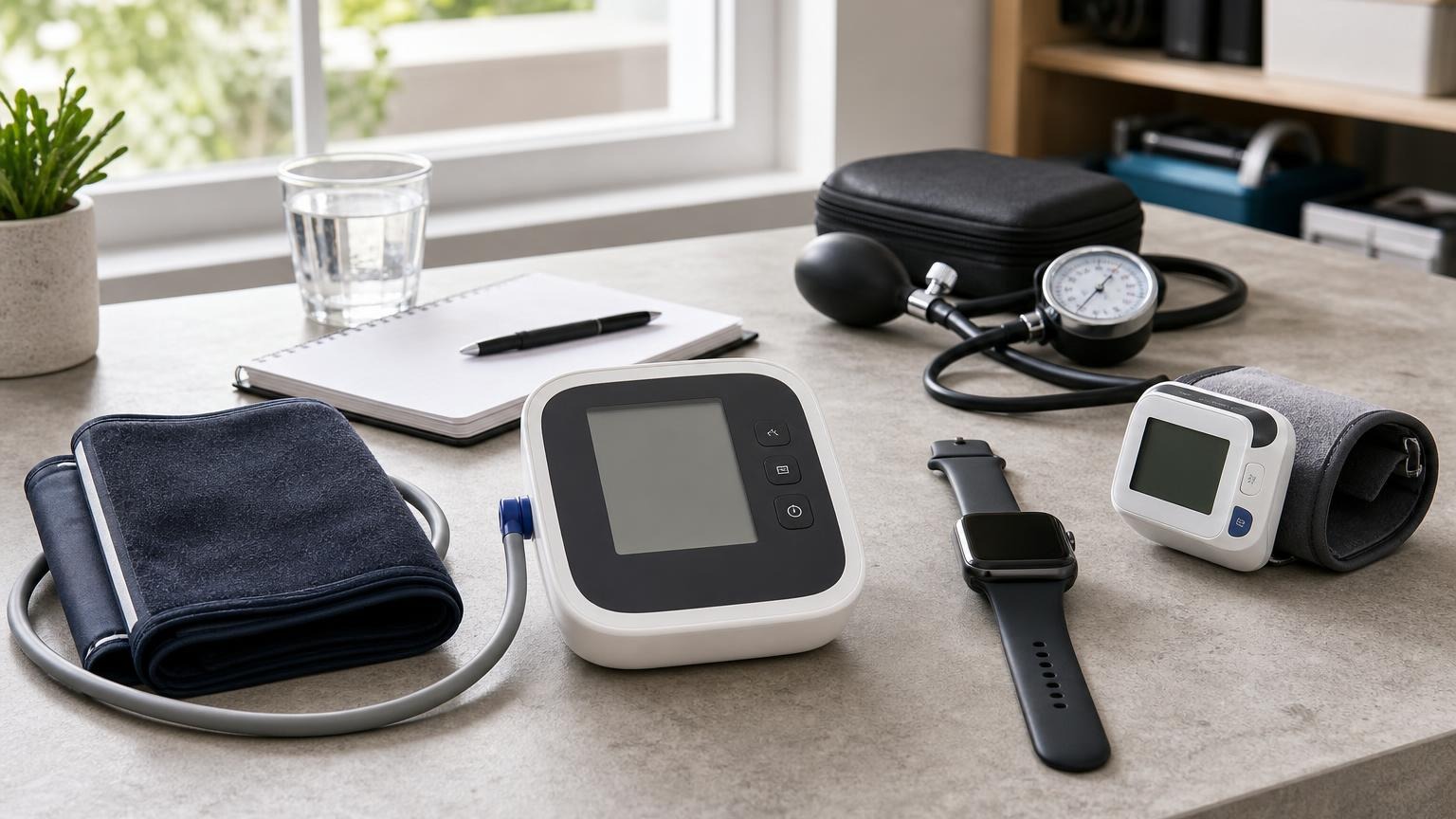
How to Check if a Blood Pressure Monitor Is Validated
Learn how to verify a blood pressure monitor by exact model number, validation listing, cuff range, and intended user before you buy.
Blood Pressure Monitor Start Button Not Working? What to Check
If your blood pressure monitor turns on but will not start a reading, check the controls, power, cuff connection, mode, and possible damage.
Blood Pressure Monitor Display Not Working? What to Check
A dim, flickering, frozen, or incomplete blood pressure monitor display can make readings unreliable. Learn what to check before using it again.
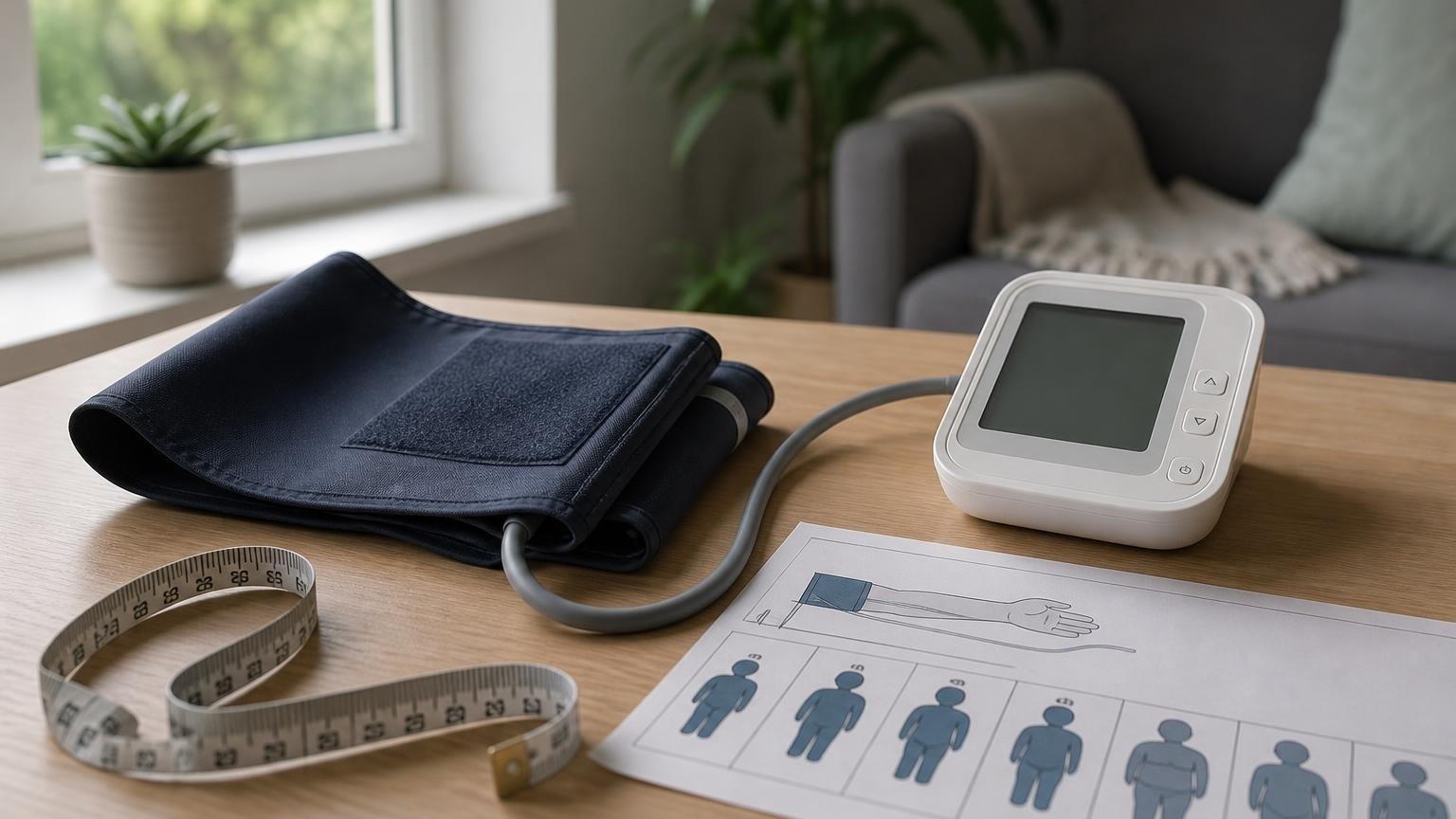
Why Does a Blood Pressure Cuff Inflate Unevenly?
A blood pressure cuff that balloons, twists, or tightens on one side may be poorly wrapped, damaged, or incompatible. Learn what to check safely.
Blood Pressure Cuff Won't Deflate? What to Do Safely
If a blood pressure cuff stays inflated, stop the reading and remove it safely. Learn what can cause the problem and when to stop using the monitor.
Dropped Your Blood Pressure Monitor? What to Check Before Using It
A dropped blood pressure monitor may look fine but still have hidden damage. Learn what to inspect, how to retest it, and when to stop using it.
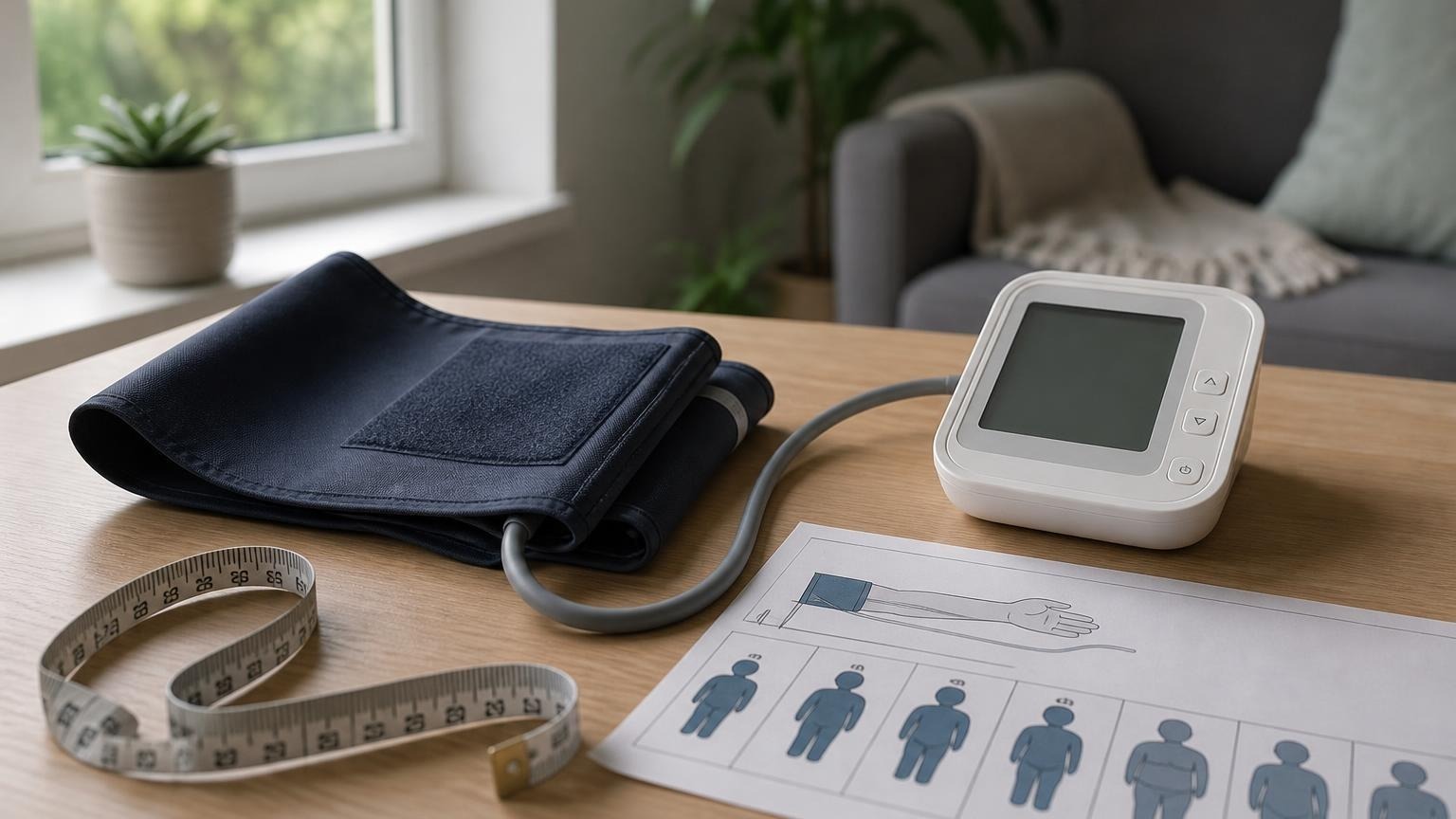
How to Choose a Replacement Blood Pressure Cuff
A replacement blood pressure cuff must fit both your arm and your exact monitor. Learn how to check size, connector, model compatibility, and wear.
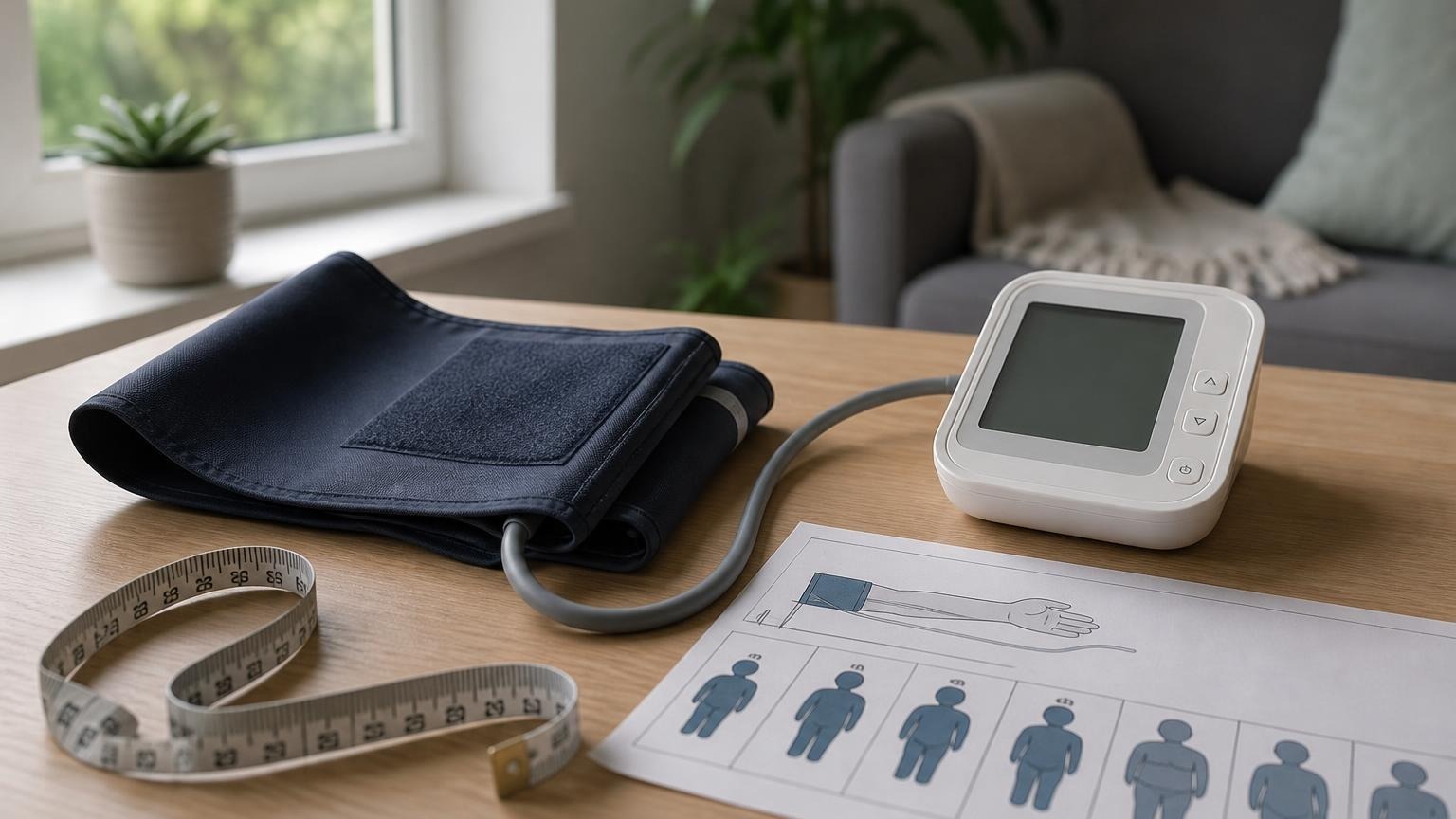
How to Tell if Your Blood Pressure Cuff Is Leaking
A leaking blood pressure cuff may inflate slowly, lose pressure, or trigger errors. Learn how to inspect the cuff and tube without unsafe repairs.
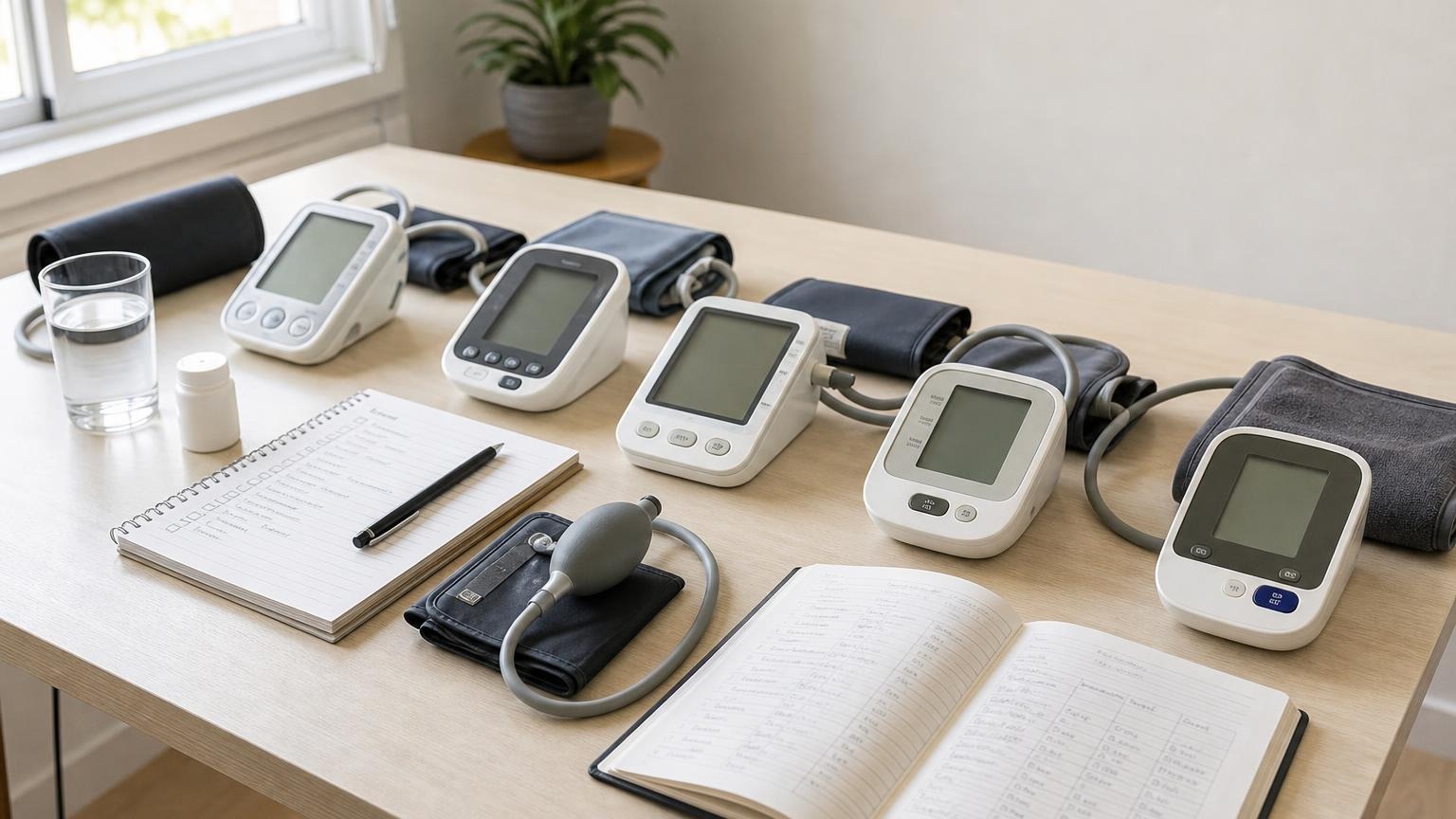
Why Is My Blood Pressure Monitor Beeping?
A beeping blood pressure monitor may be signaling a completed reading, setup error, low battery, or alert. Learn what to check before measuring again.
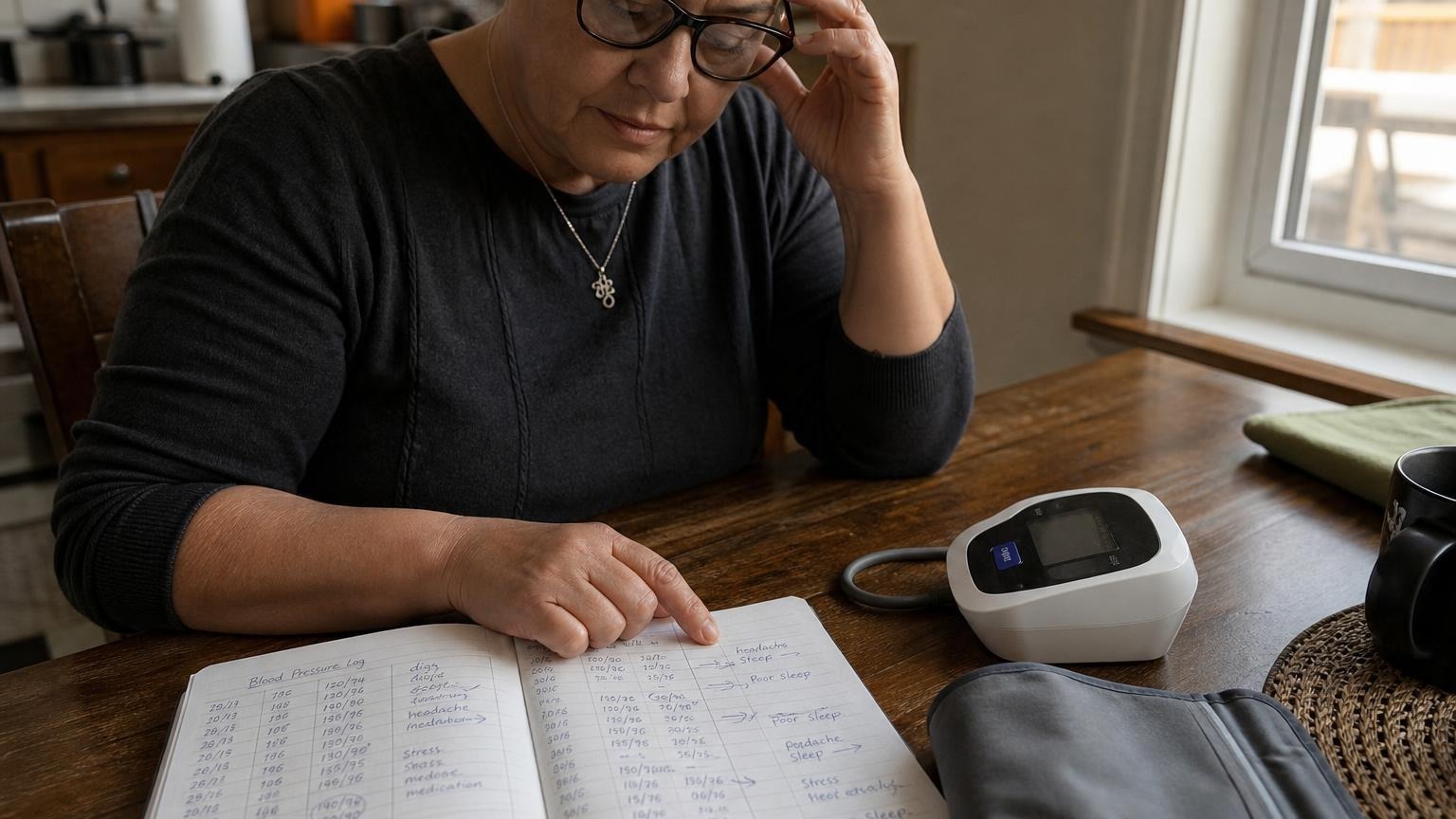
Why Does My Blood Pressure Monitor Give the Same Reading?
Repeated blood pressure readings can be close, but an unchanged display may be showing an average or stored result. Learn what to check safely.
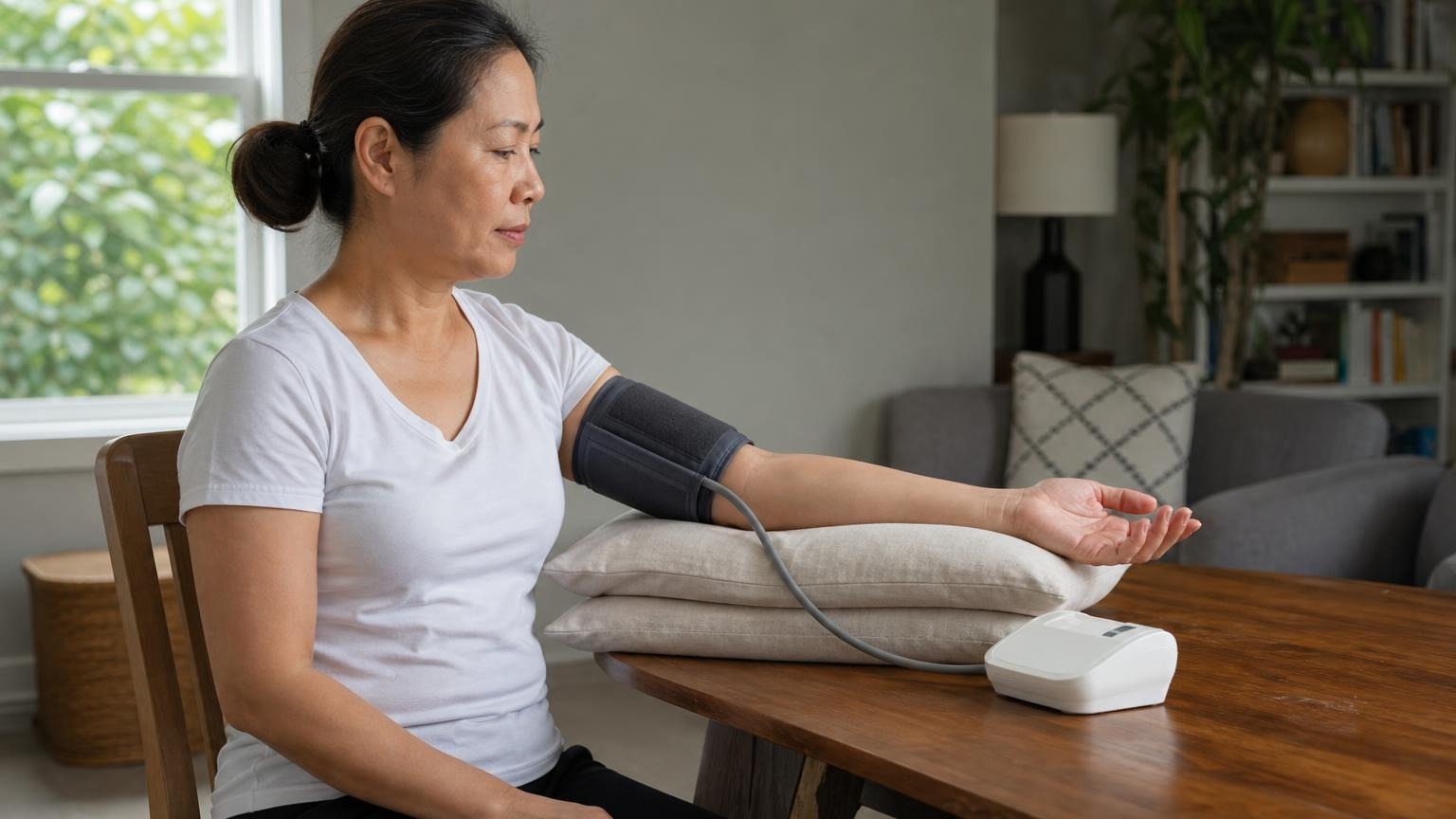
Can a Blood Pressure Monitor Detect a Heart Attack?
A home blood pressure monitor cannot detect or rule out a heart attack. Learn what the cuff can show, which symptoms matter, and when to call 911.
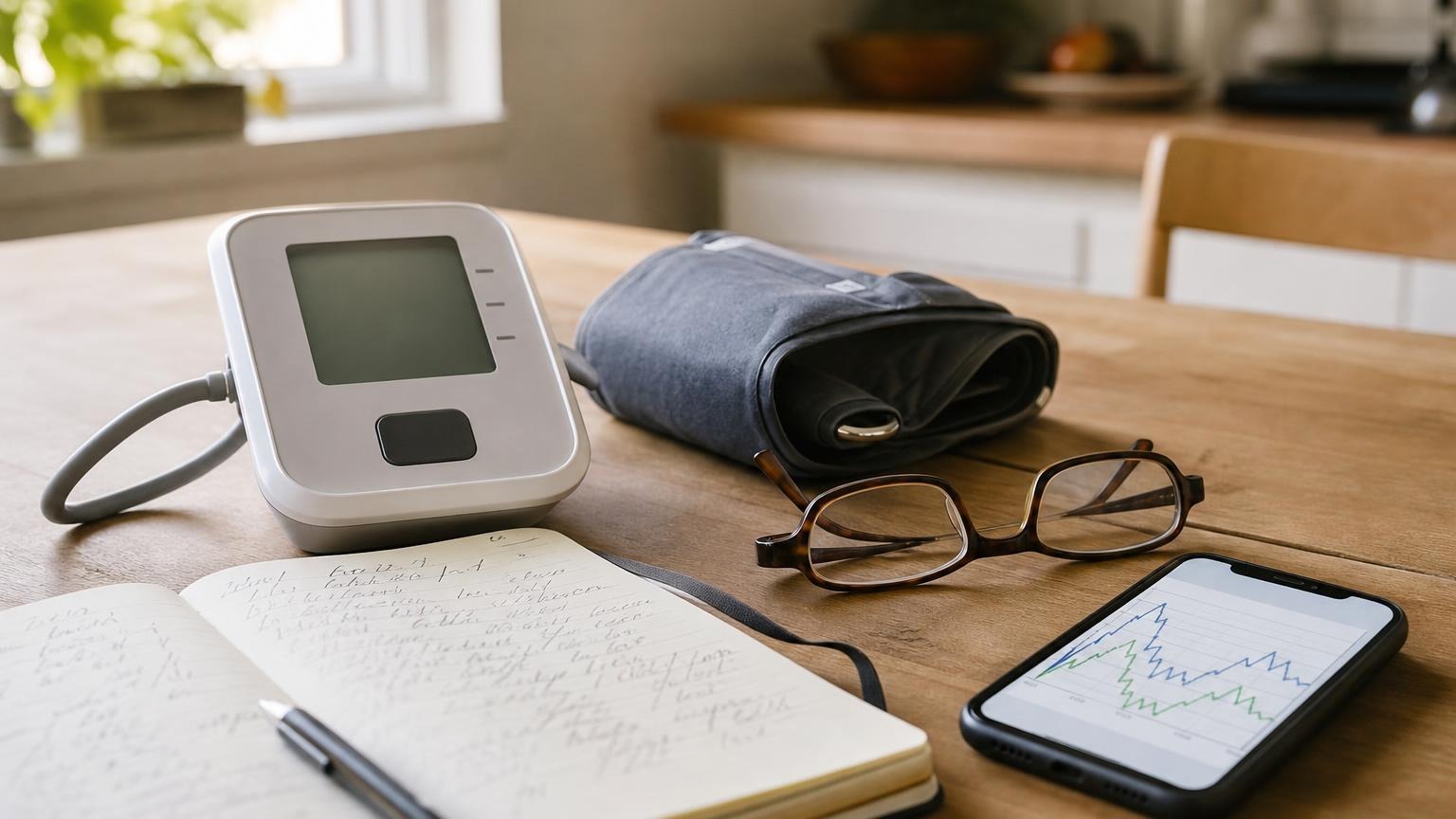
Can You Use Your Phone While Taking Blood Pressure?
Using your phone during a blood pressure reading can add movement, talking, and stress. Learn when to put it down and when it is safe to use.
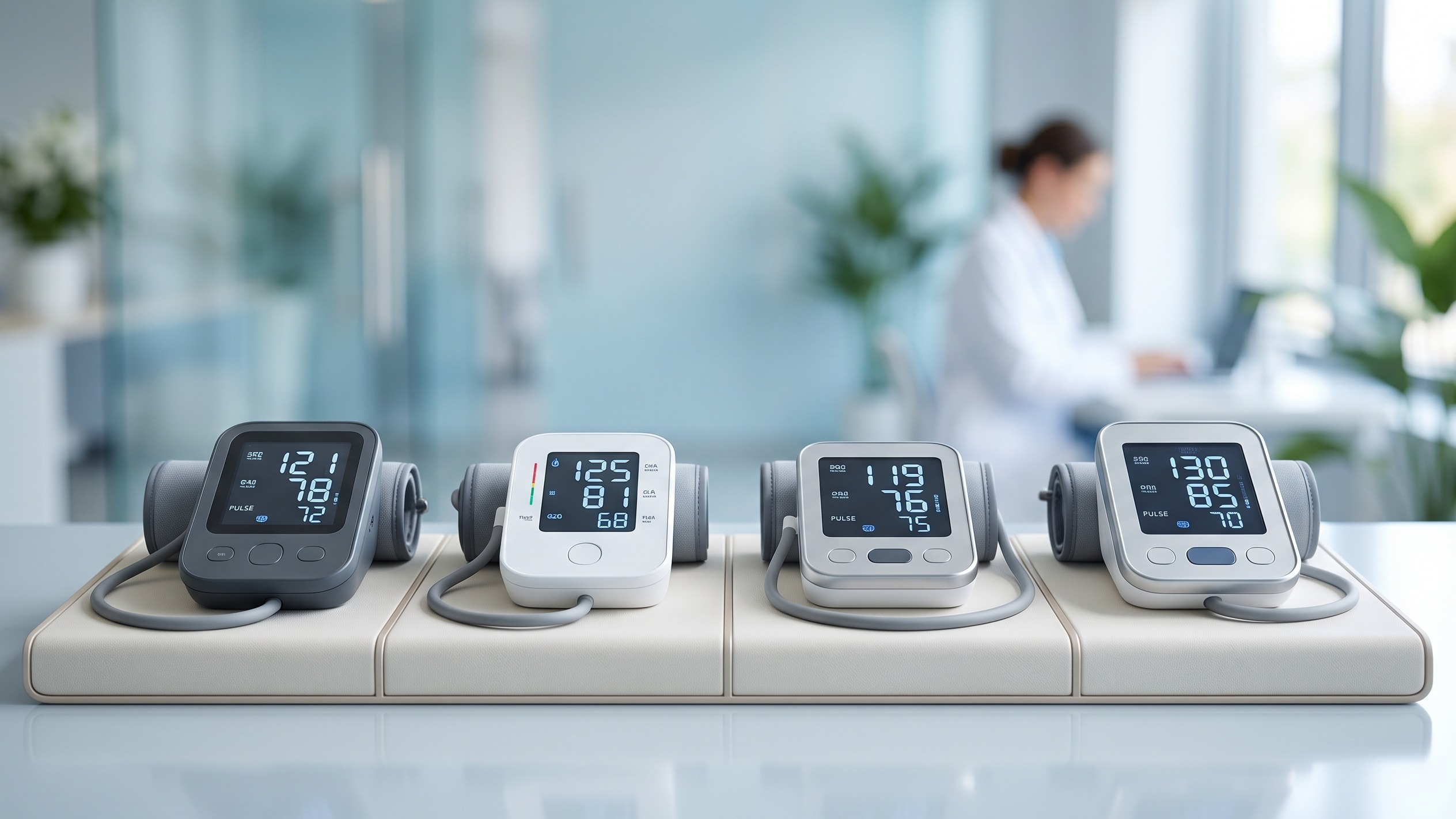
Why Do Two Blood Pressure Monitors Give Different Readings?
Two blood pressure monitors can disagree because of timing, cuff fit, technique, and device differences. Learn how to compare them fairly.
Blood Pressure Monitor Won't Sync? Fix Bluetooth Problems
If your blood pressure monitor will not sync, use these Bluetooth checks to protect saved readings, reconnect the app, and know when to contact support.
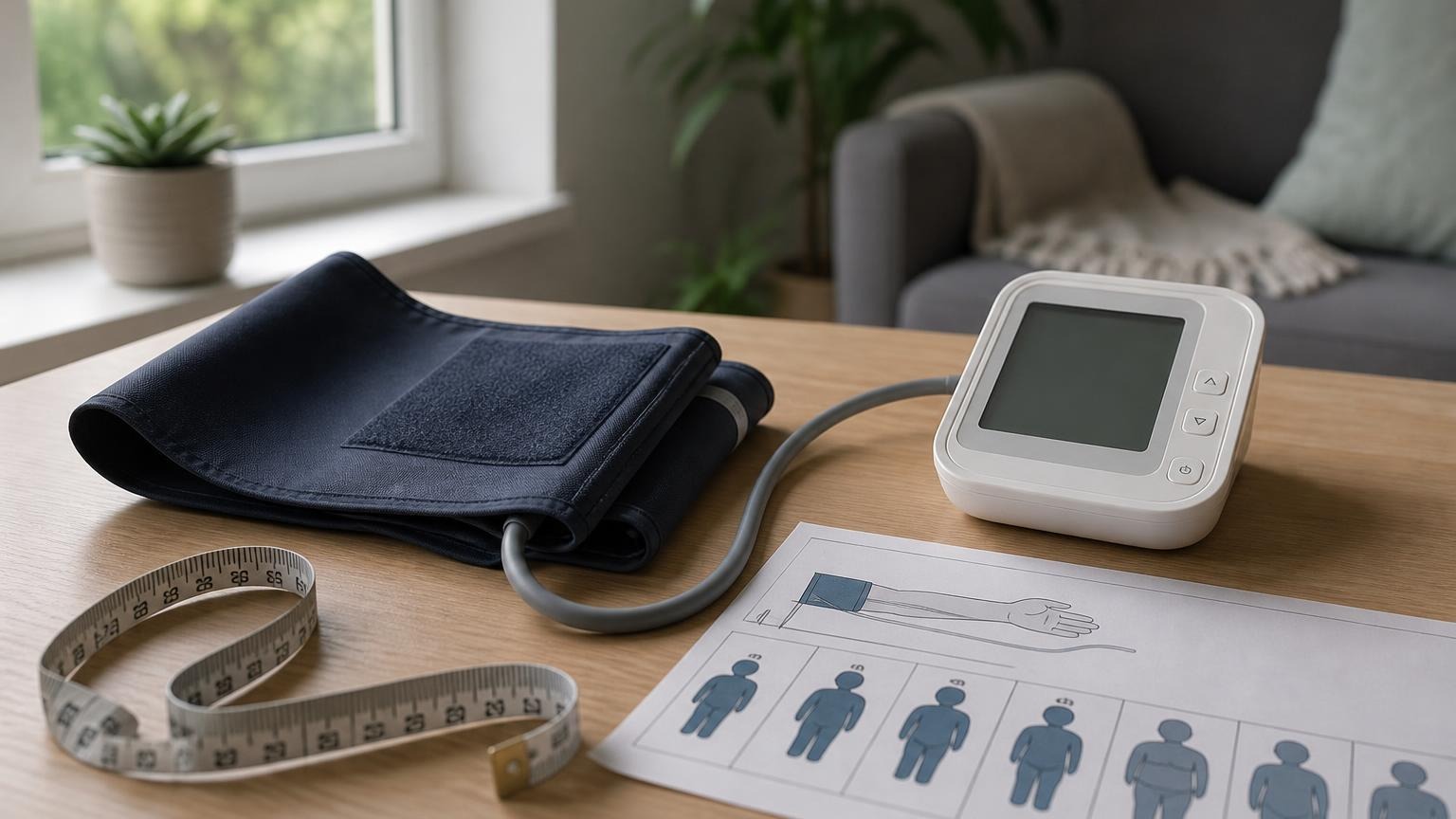
Why Won't My Blood Pressure Cuff Inflate?
A blood pressure cuff that will not inflate often has a loose tube, weak power, poor connection, or damaged cuff. Work through these checks safely.
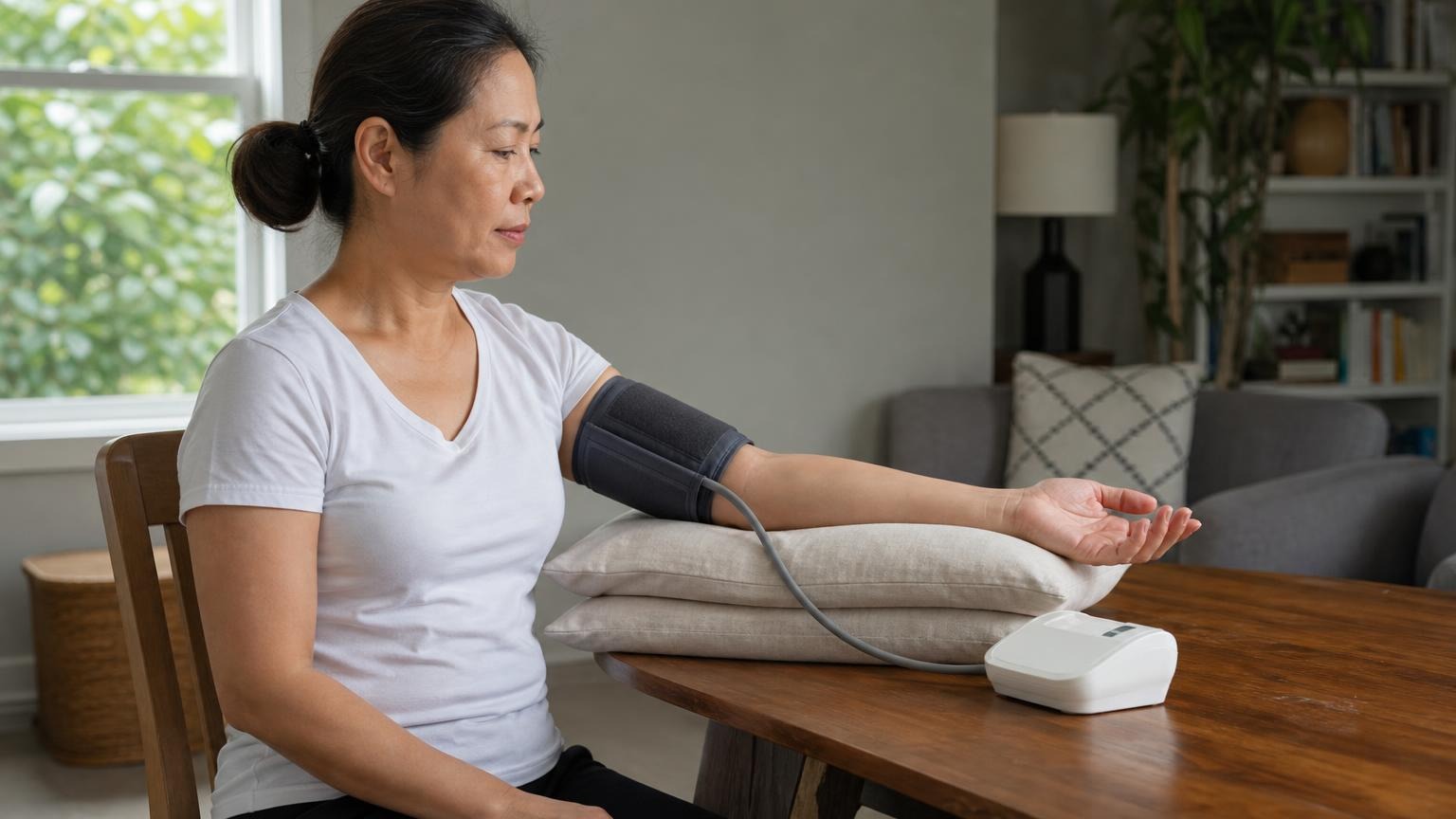
Does Clenching Your Fist Affect a Blood Pressure Reading?
Clenching your fist can make a blood pressure reading less representative. Learn how to relax your hand and reset after a tense measurement.
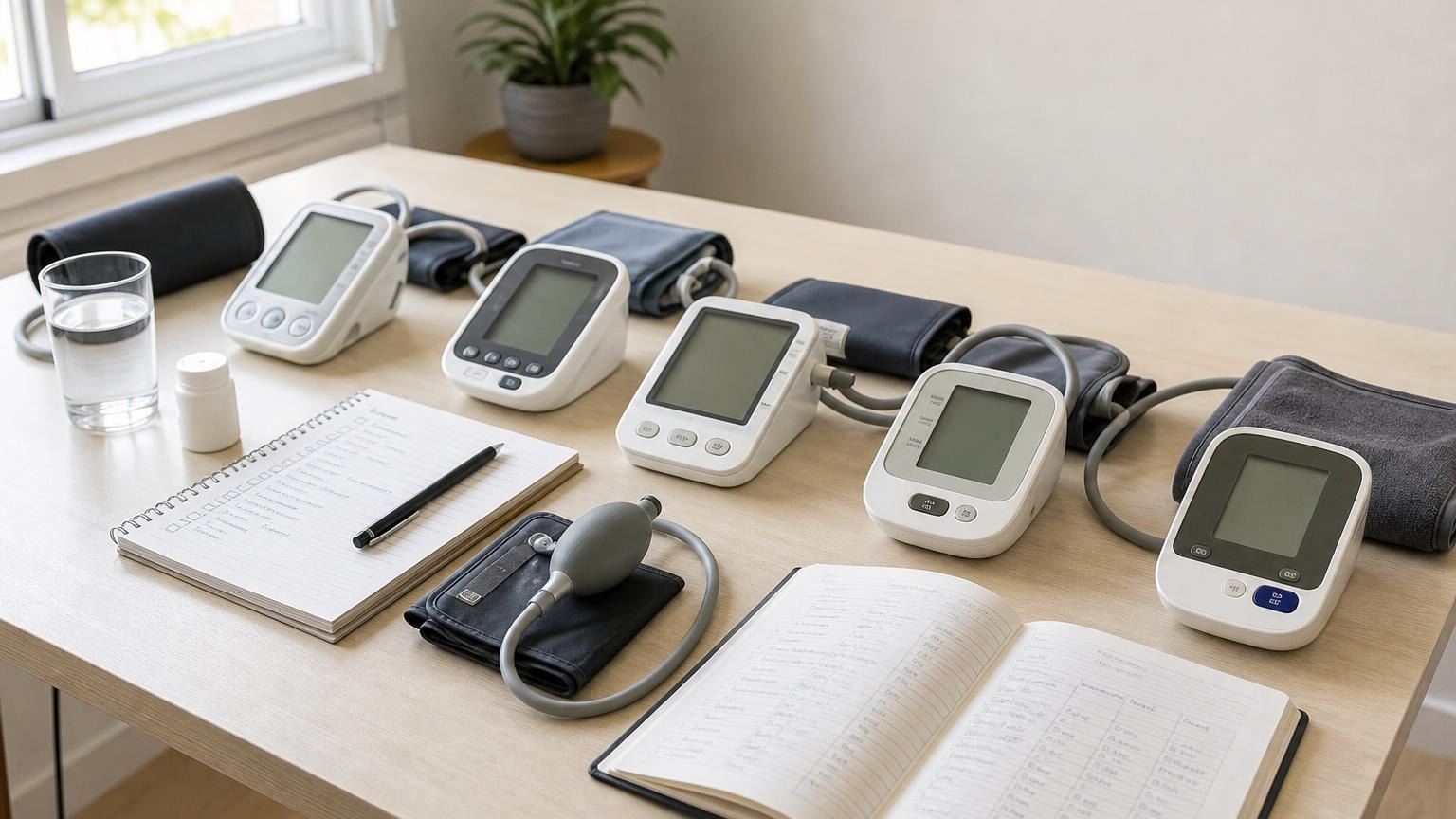
How to Store a Blood Pressure Monitor and Cuff Safely
Learn how to store a blood pressure monitor, cuff, tubing, batteries, and adapter so the setup stays clean, organized, and ready to use.
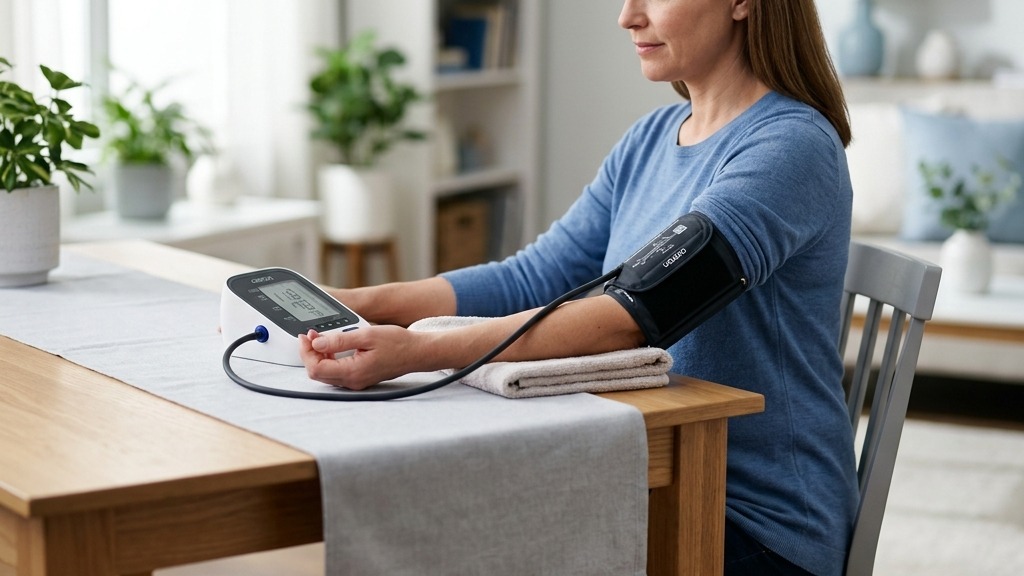
Why Your Blood Pressure Monitor Pulse Differs From Your Smartwatch
A blood pressure monitor pulse and smartwatch heart rate may not match. Learn why timing, sensor method, fit, and movement can change the result.
Blood Pressure Monitor Memory Full? What to Do Next
Learn what to do when your blood pressure monitor memory is full, how to save useful readings, and when it is safe to clear the device.
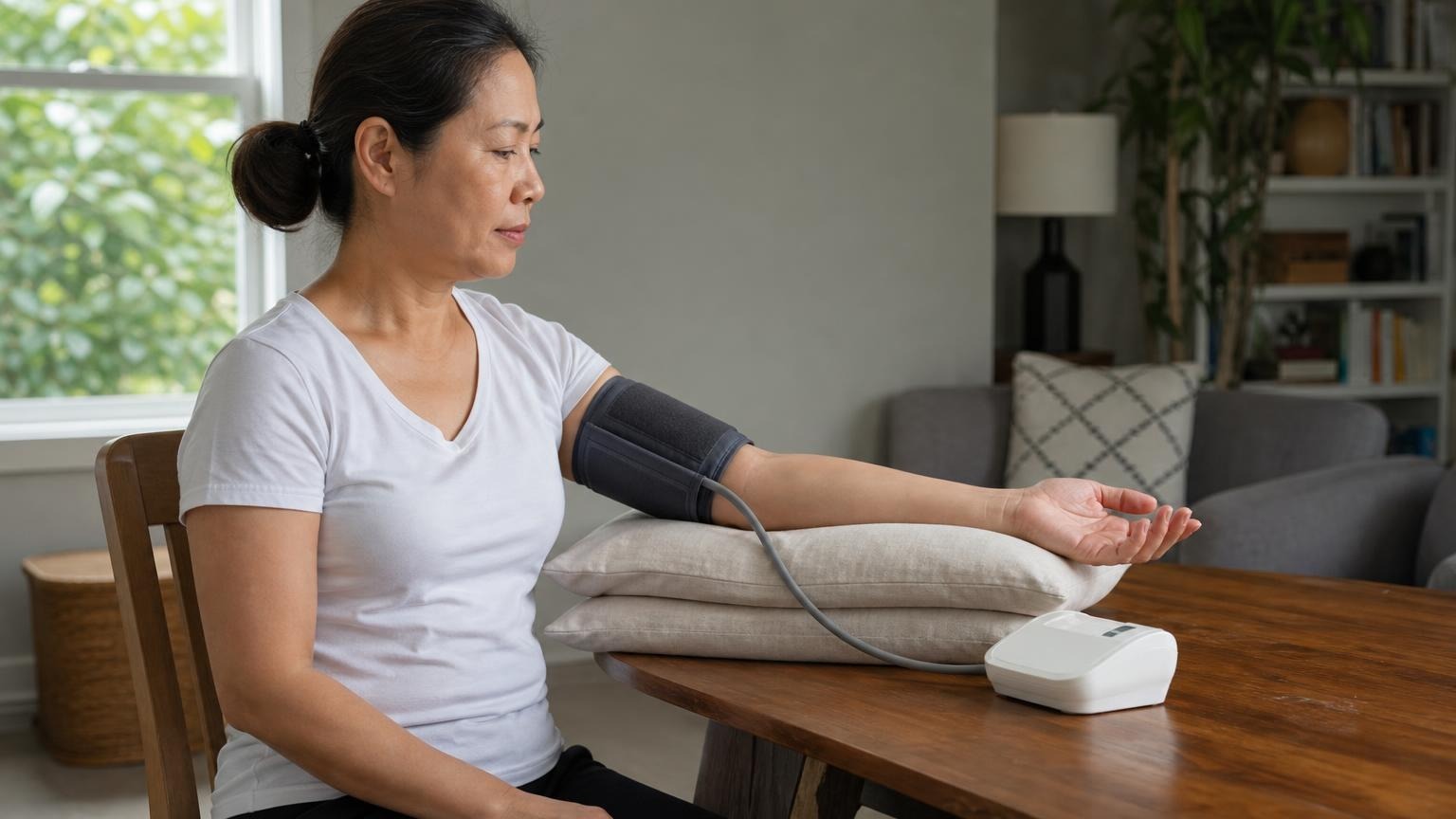
Does Holding Your Breath Affect a Blood Pressure Reading?
Holding your breath can make a home blood pressure reading less representative. Learn how to breathe normally and reset before repeating the measurement.
How to Fix the Date and Time on a Blood Pressure Monitor
Learn why a blood pressure monitor shows the wrong date or time, how to reset it, and how to protect the usefulness of saved readings.
Why Won't My Blood Pressure Monitor Turn On?
A blood pressure monitor that will not turn on is usually a power, battery, adapter, or contact issue. Here is what to check before replacing it.
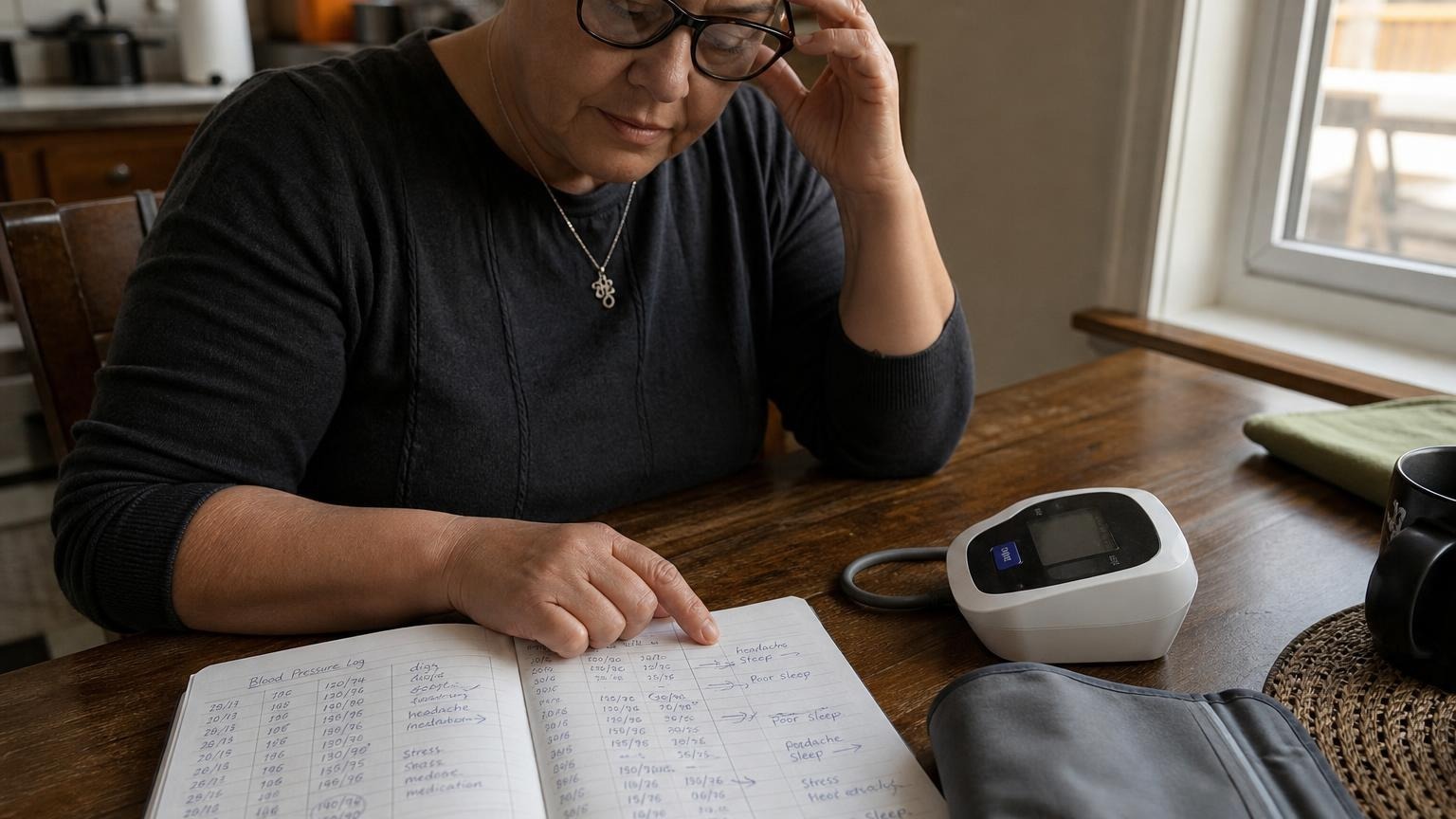
Should You Delete High Blood Pressure Readings From Your Monitor?
Learn when to keep, label, repeat, or exclude a high blood pressure reading from your monitor memory without hiding a meaningful pattern.
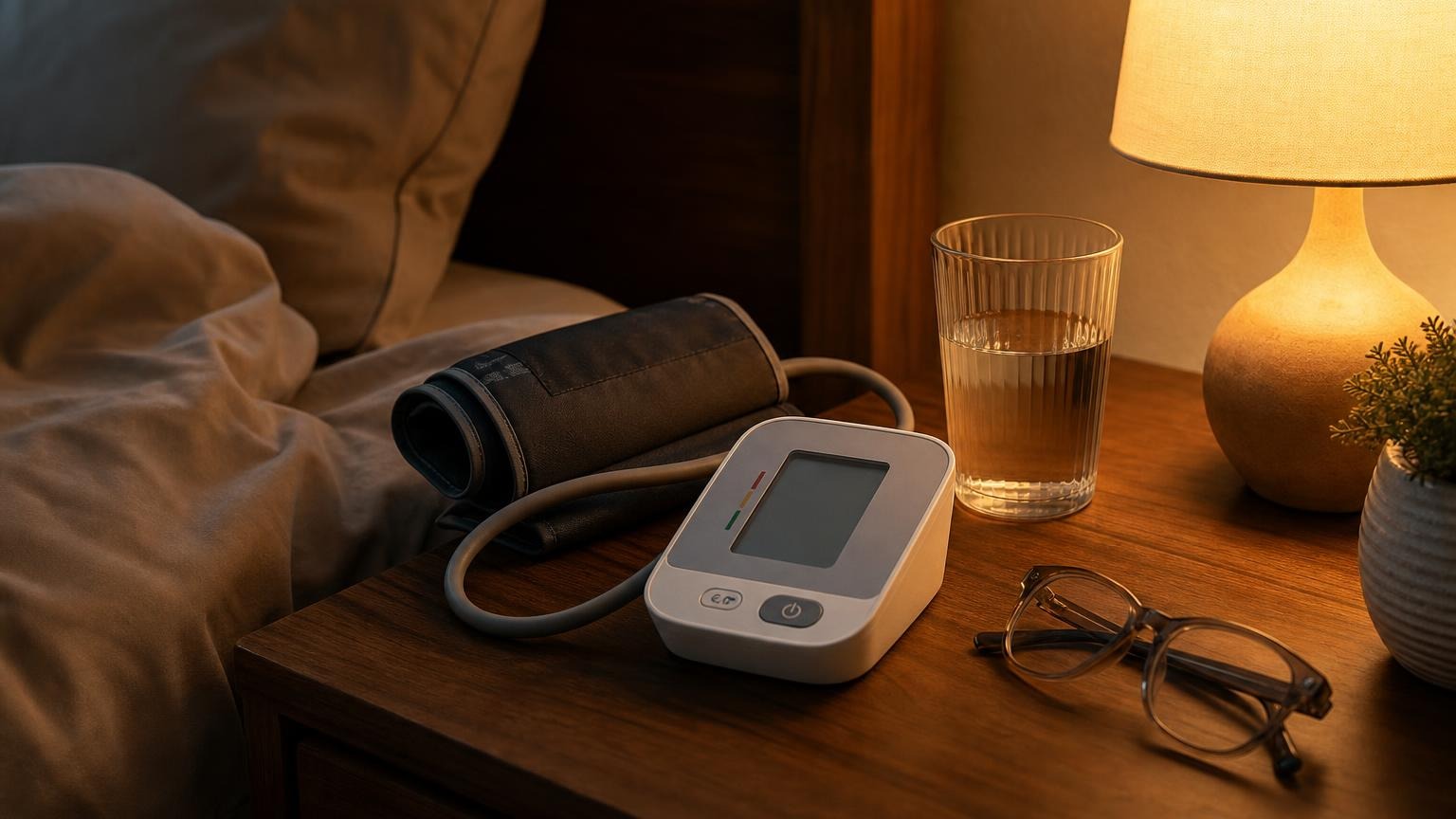
Should You Check Blood Pressure Before Bed?
Checking blood pressure before bed can be useful if you do it consistently. Learn when evening readings help and which bedtime habits can skew the number.
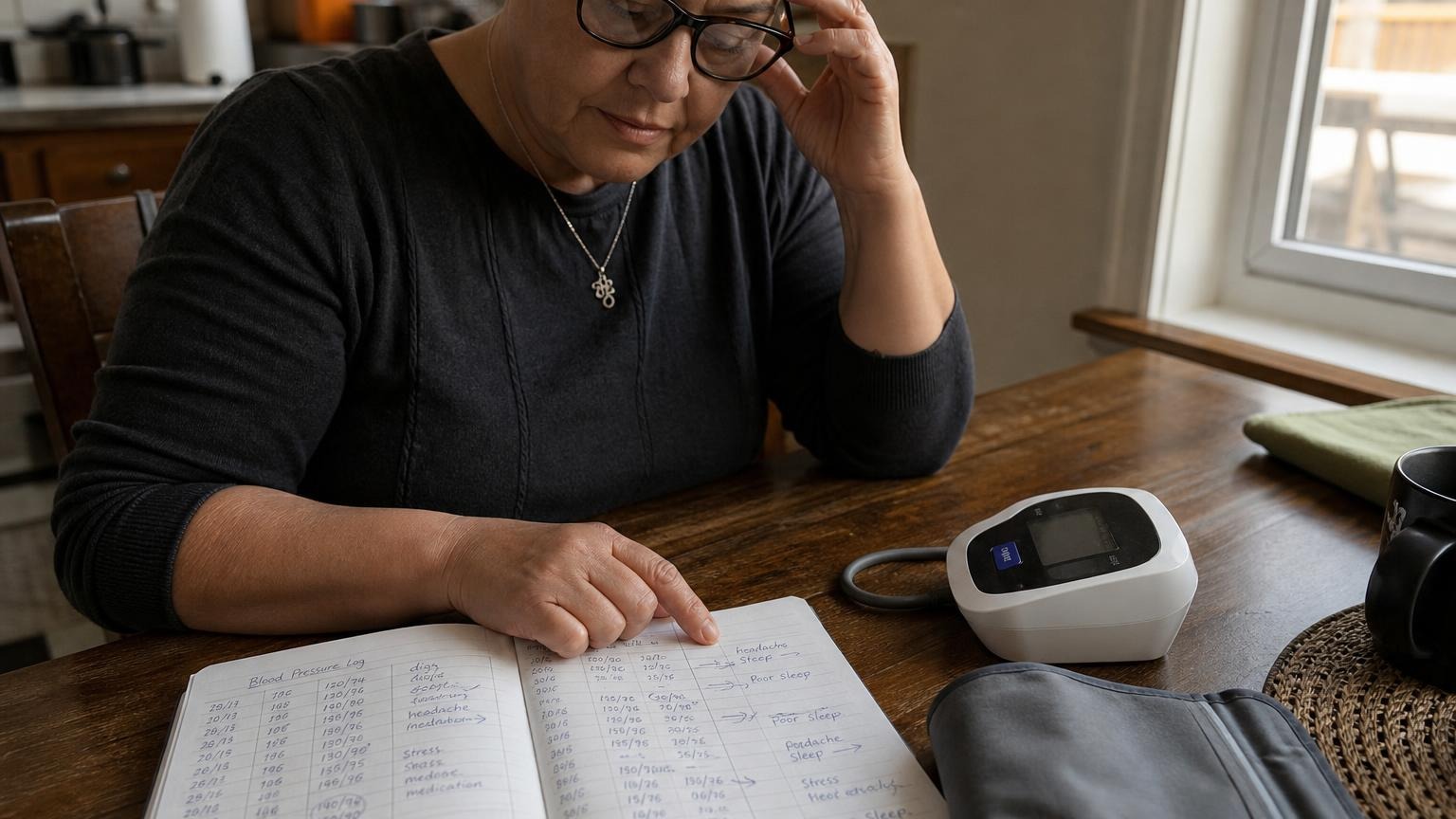
What Does Average Mean on a Blood Pressure Monitor?
Learn what the average reading on a blood pressure monitor means, why it can differ by device, and how to use it without overreading one number.
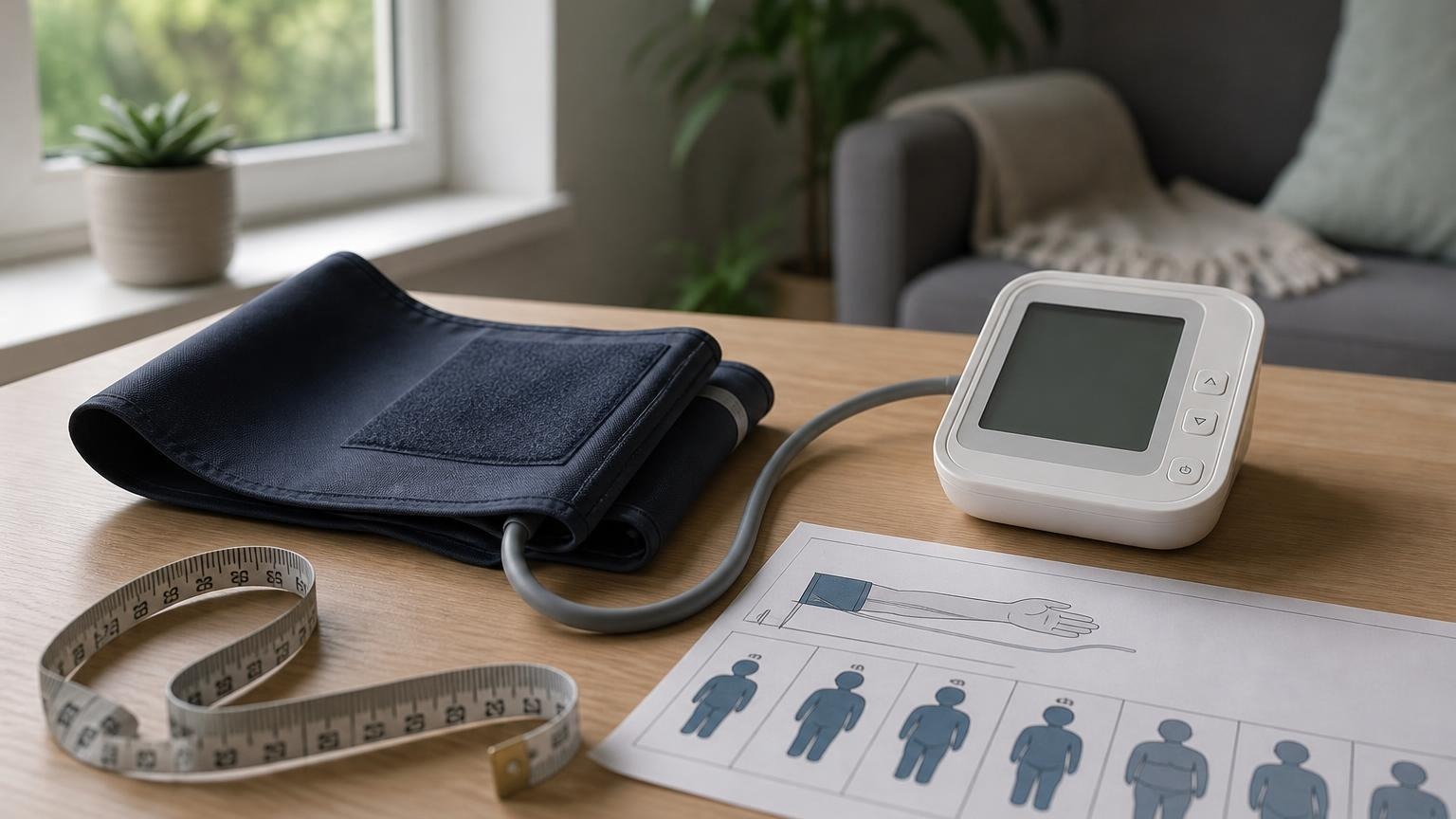
Blood Pressure Cuff Keeps Slipping? How to Fix It
A slipping blood pressure cuff can make home readings less reliable. Learn why it happens, how to wrap the cuff, and when to check cuff size.
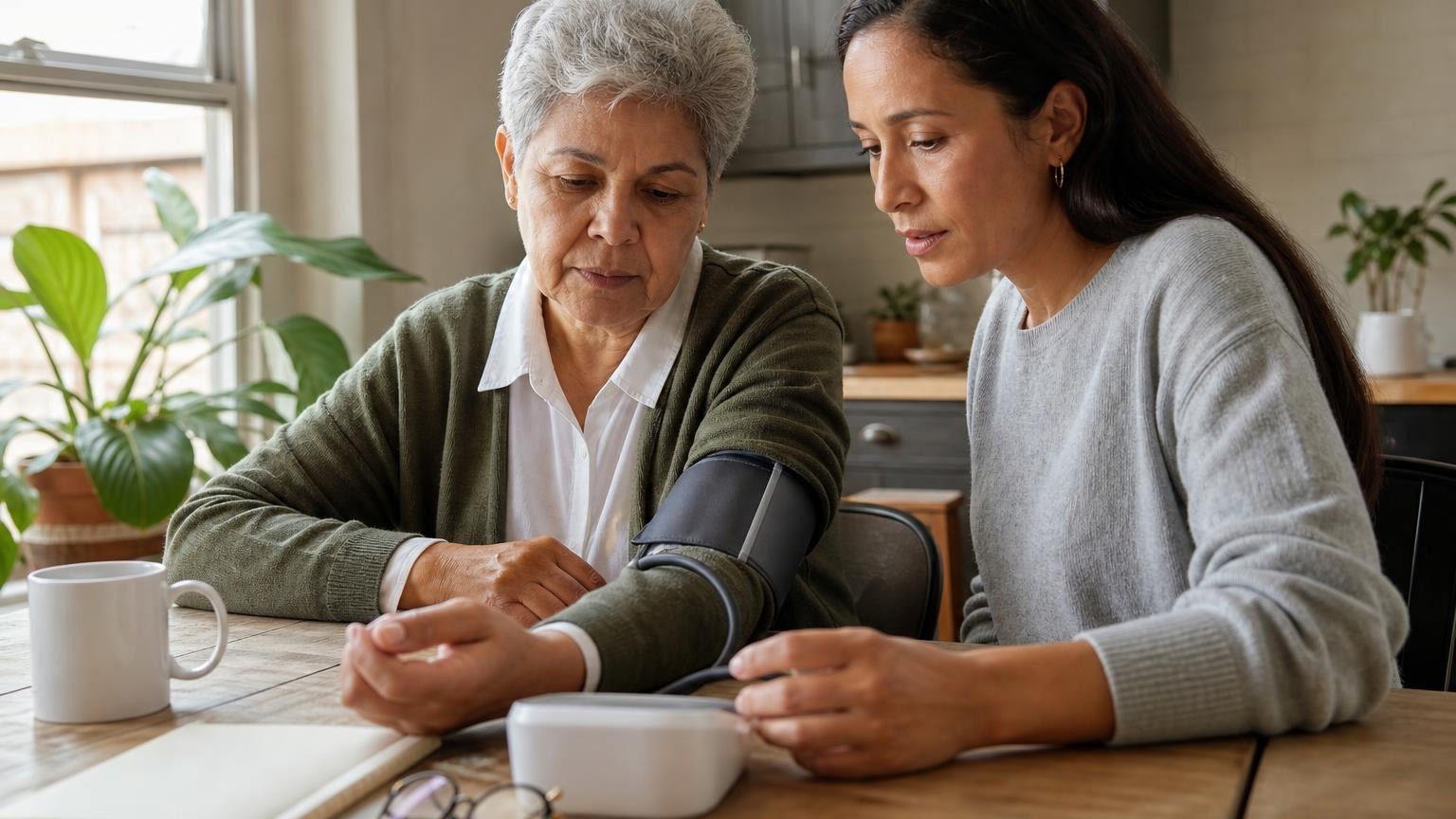
How to Take Someone Else's Blood Pressure at Home
Learn how to take someone else's blood pressure at home with correct cuff placement, positioning, logging, and safety caveats.

Does a Hot Room Affect Blood Pressure Readings?
A hot room can change the context of a home blood pressure reading. Learn when to cool down, rest, retake, and log heat-related factors.
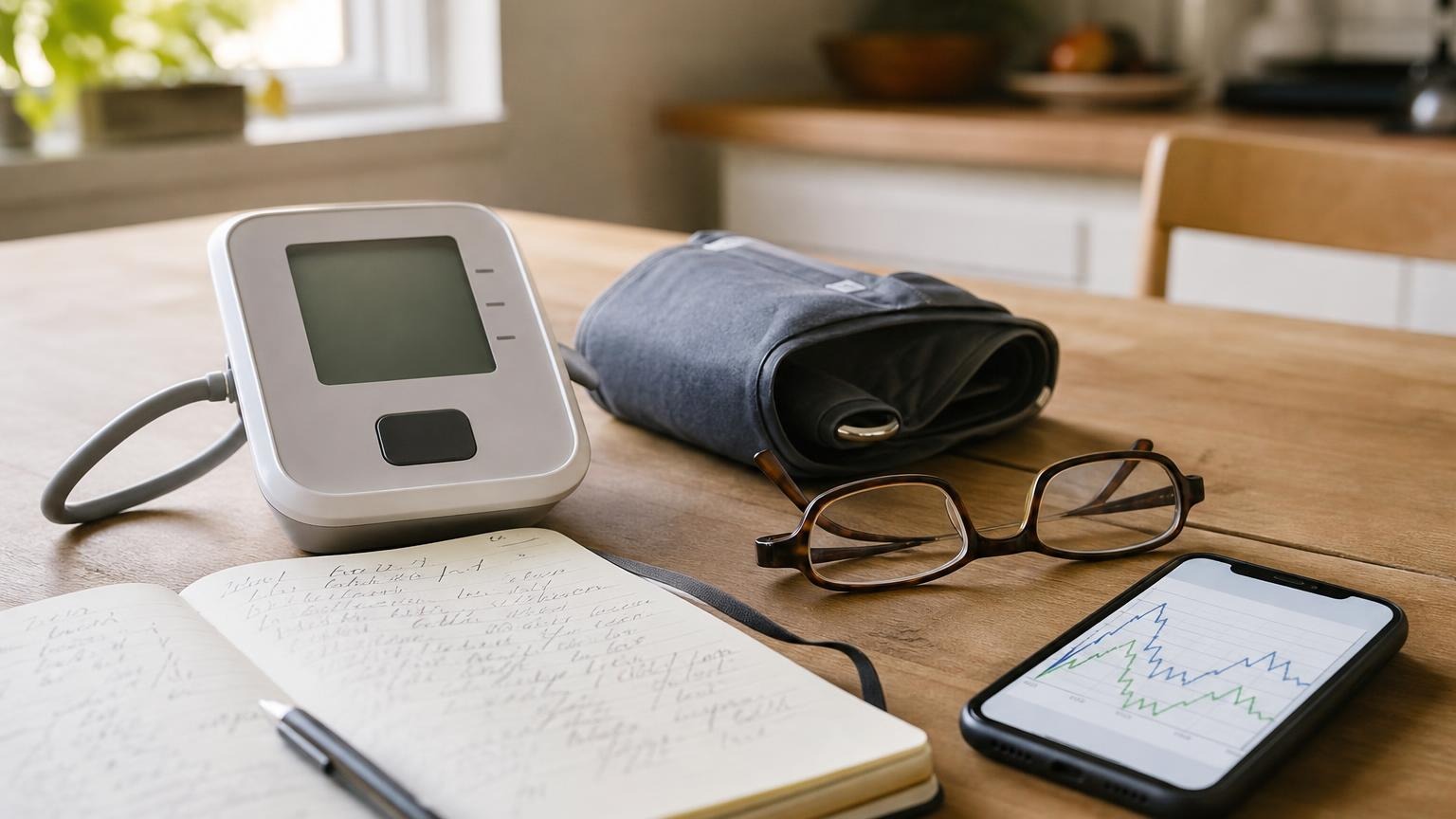
Does a Cold Room Affect Blood Pressure Readings?
A cold room can make a blood pressure reading look higher. Learn how to warm up, rest, and log room conditions without chasing a perfect number.
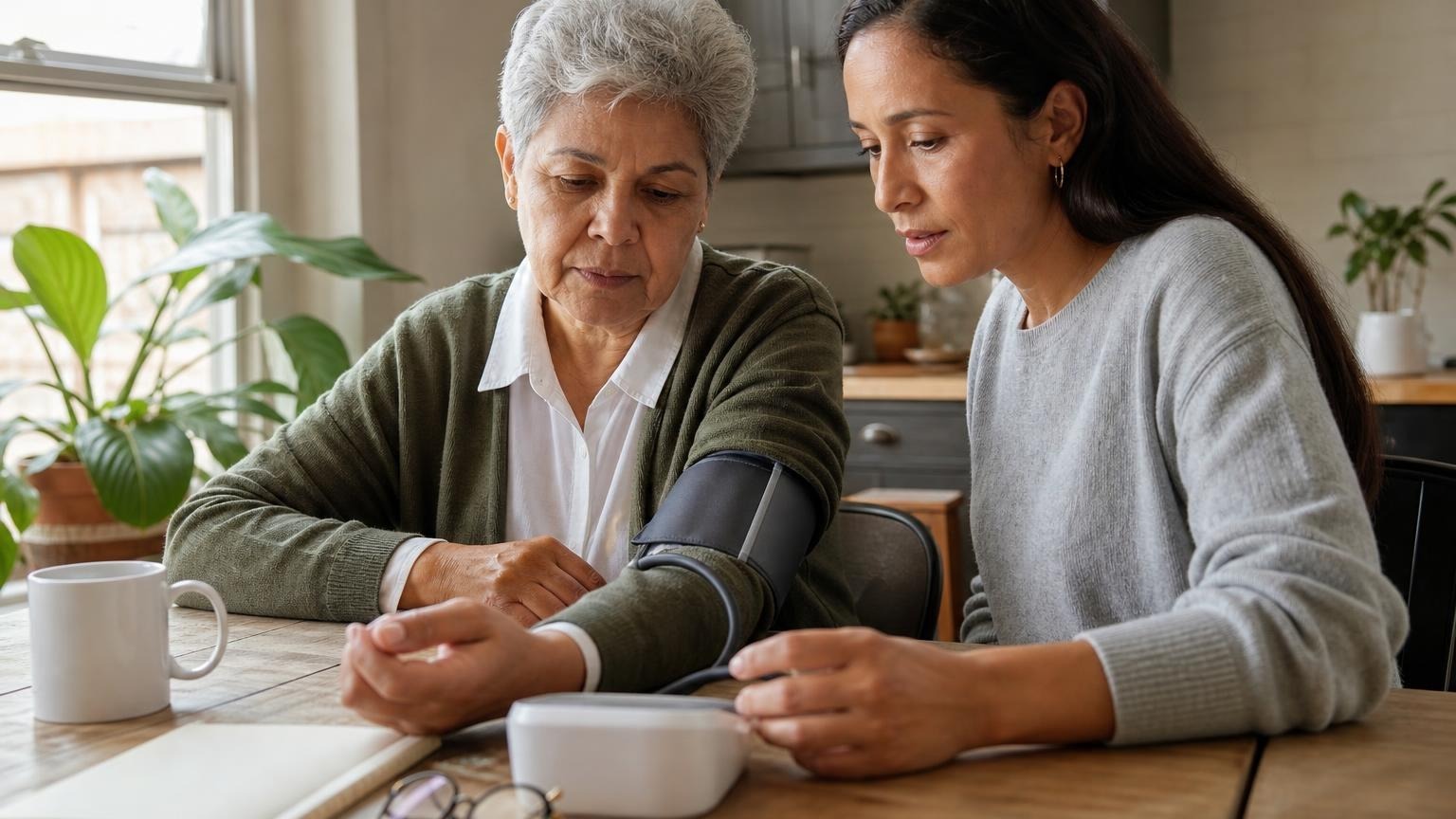
How to Clean a Blood Pressure Cuff at Home
Learn how to clean a blood pressure cuff safely, what not to soak, and when a worn or shared cuff needs extra attention.
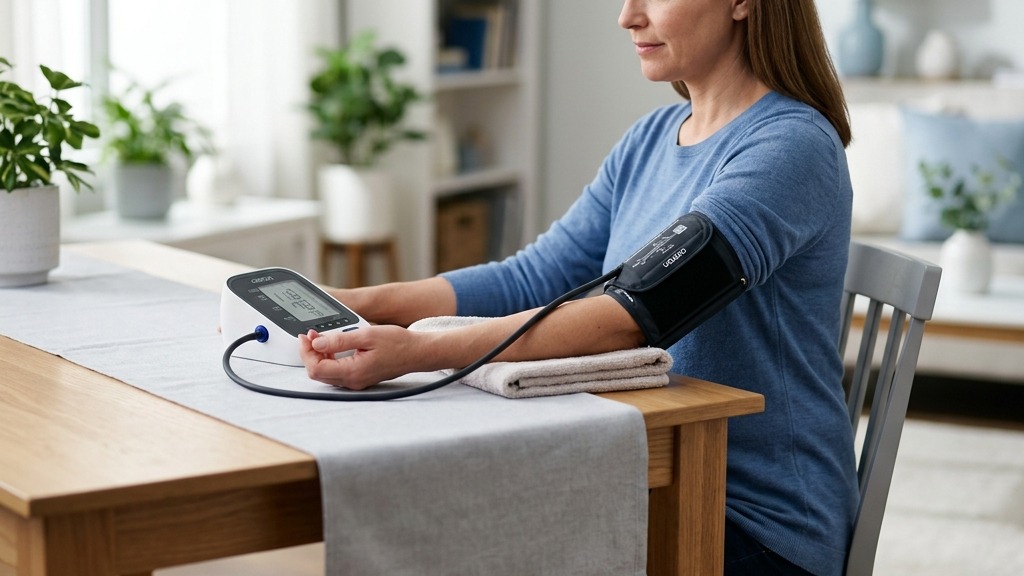
What Does the Movement Symbol Mean on a Blood Pressure Monitor?
Learn what a movement symbol on a blood pressure monitor usually means, when to repeat the reading, and how to avoid motion errors at home.
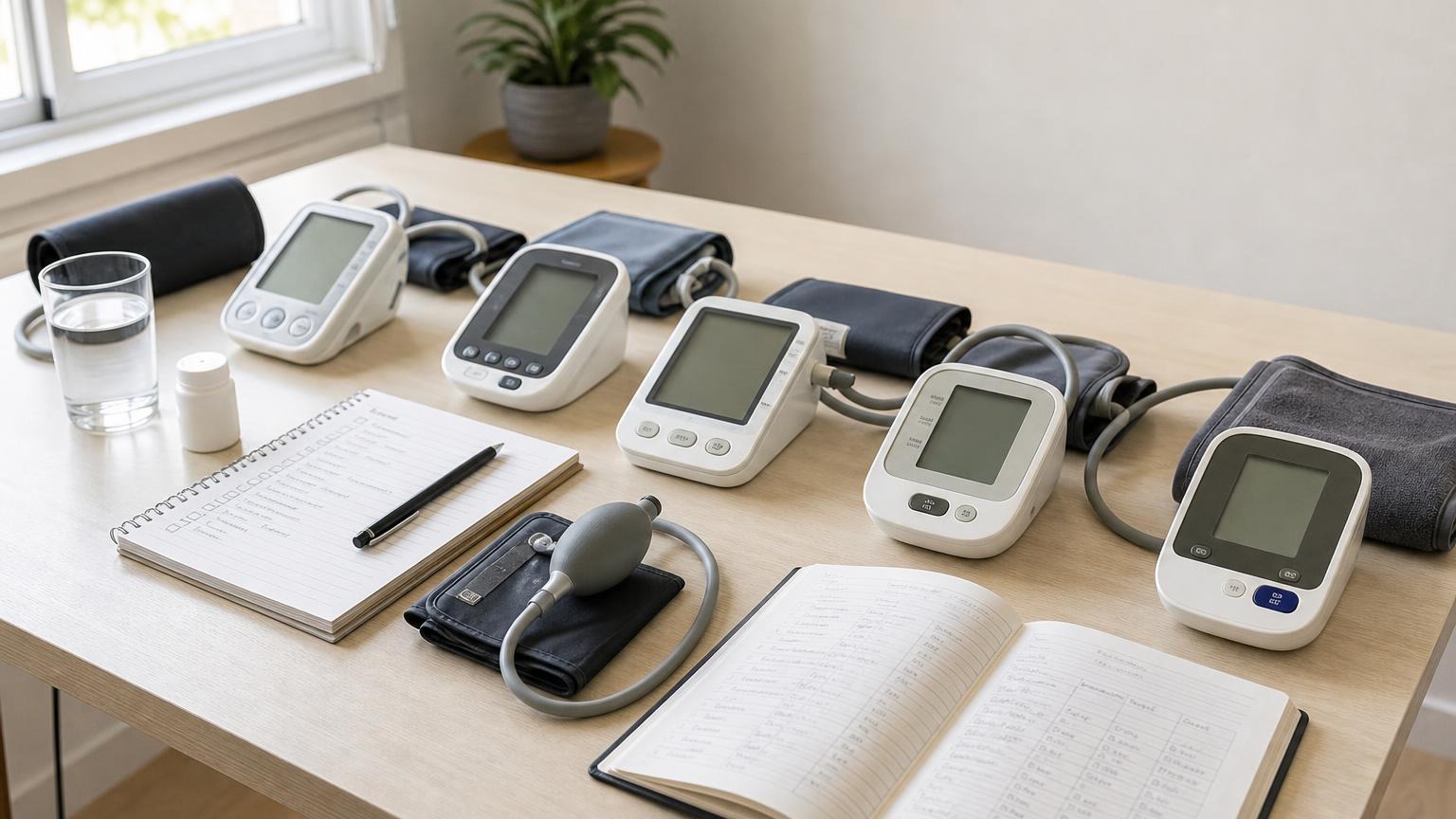
Can Low Batteries Affect Blood Pressure Monitor Readings?
Can low batteries affect blood pressure readings? Learn what weak power can change, what it cannot prove, and how to retake a cleaner reading.
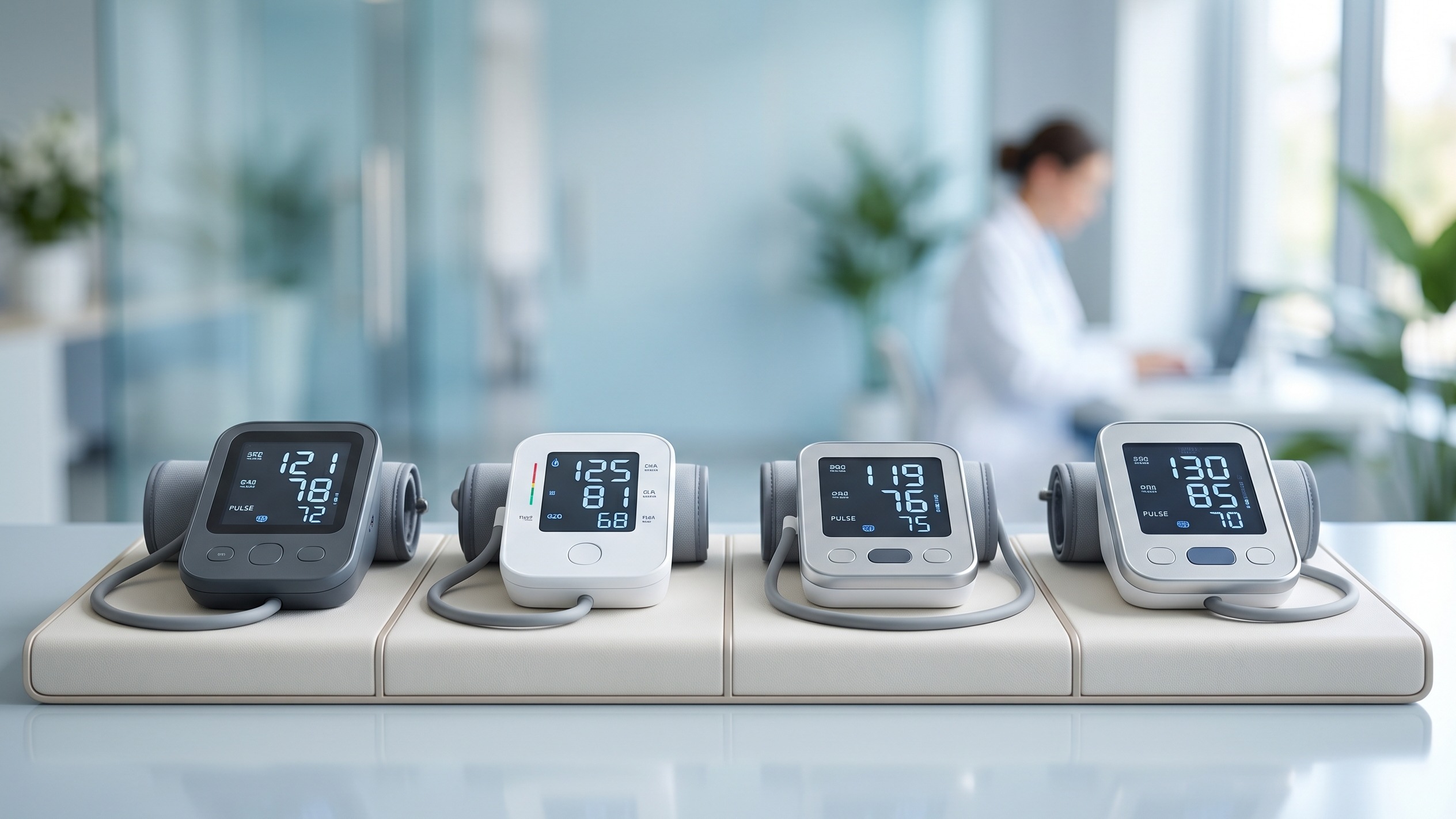
Are Pharmacy Blood Pressure Machines Accurate?
Pharmacy blood pressure machines can be useful for a quick check, but cuff fit, posture, noise, and repeat timing affect how much to trust them.
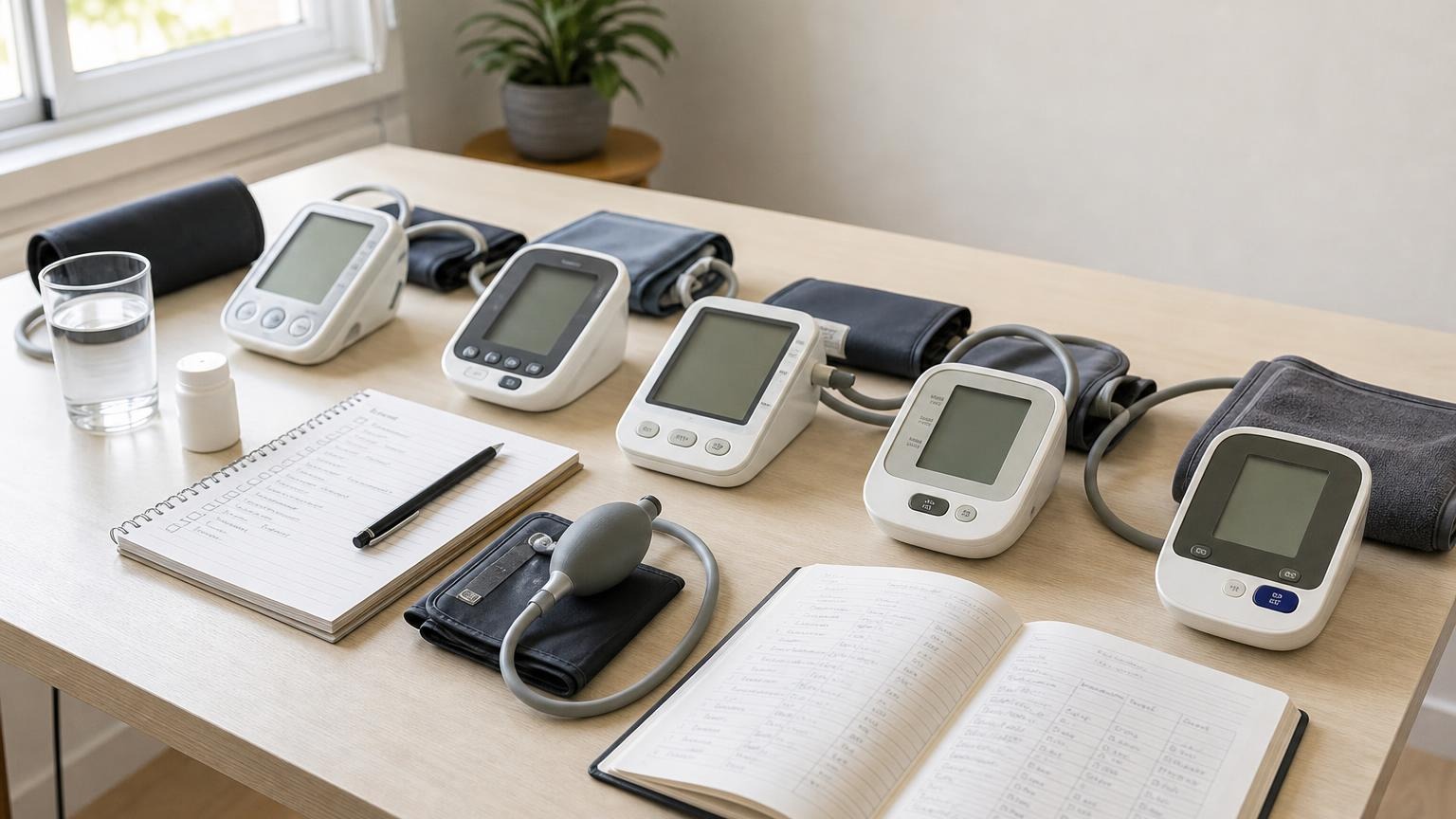
How to Travel With a Blood Pressure Monitor
Traveling with a blood pressure monitor is manageable if you pack the cuff safely, keep your routine consistent, and label unusual readings.
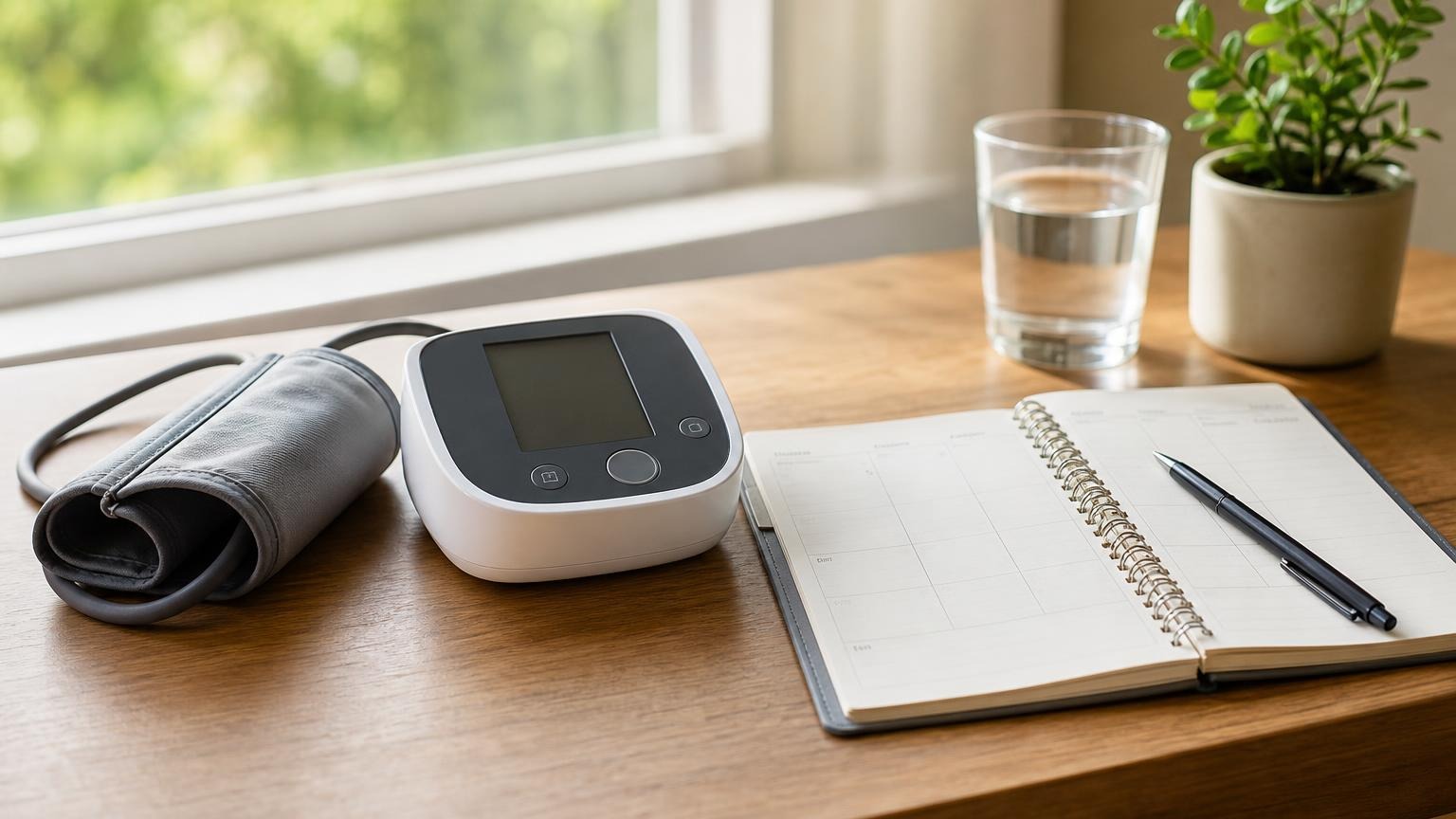
Can Smartwatches Measure Blood Pressure Accurately?
Smartwatch blood pressure features are improving, but most people should still use a validated upper-arm cuff for home readings.
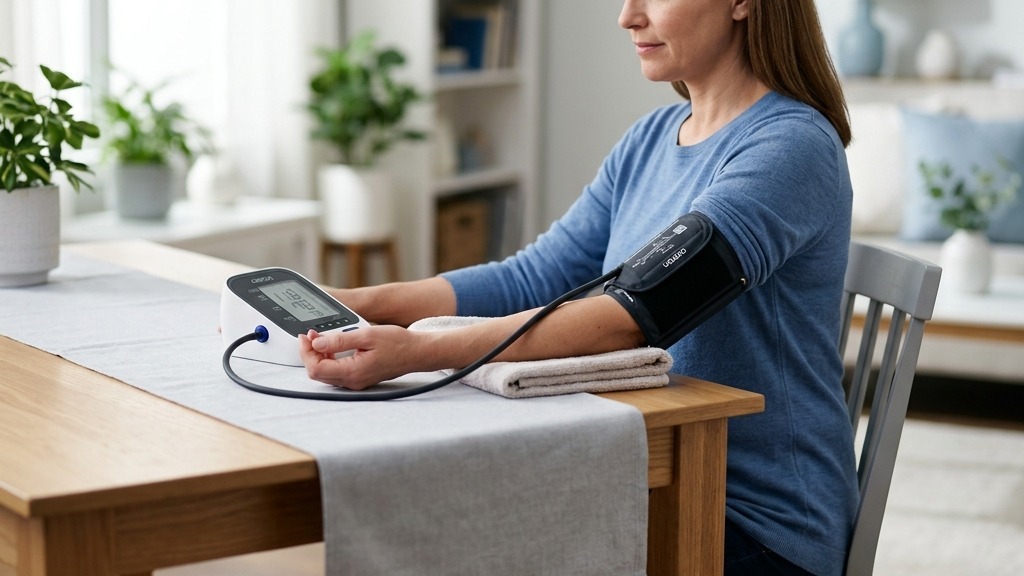
What Do Blood Pressure Monitor Colors Mean?
Blood pressure monitor colors can help flag a reading, but the numbers and your trend matter more than the color alone.
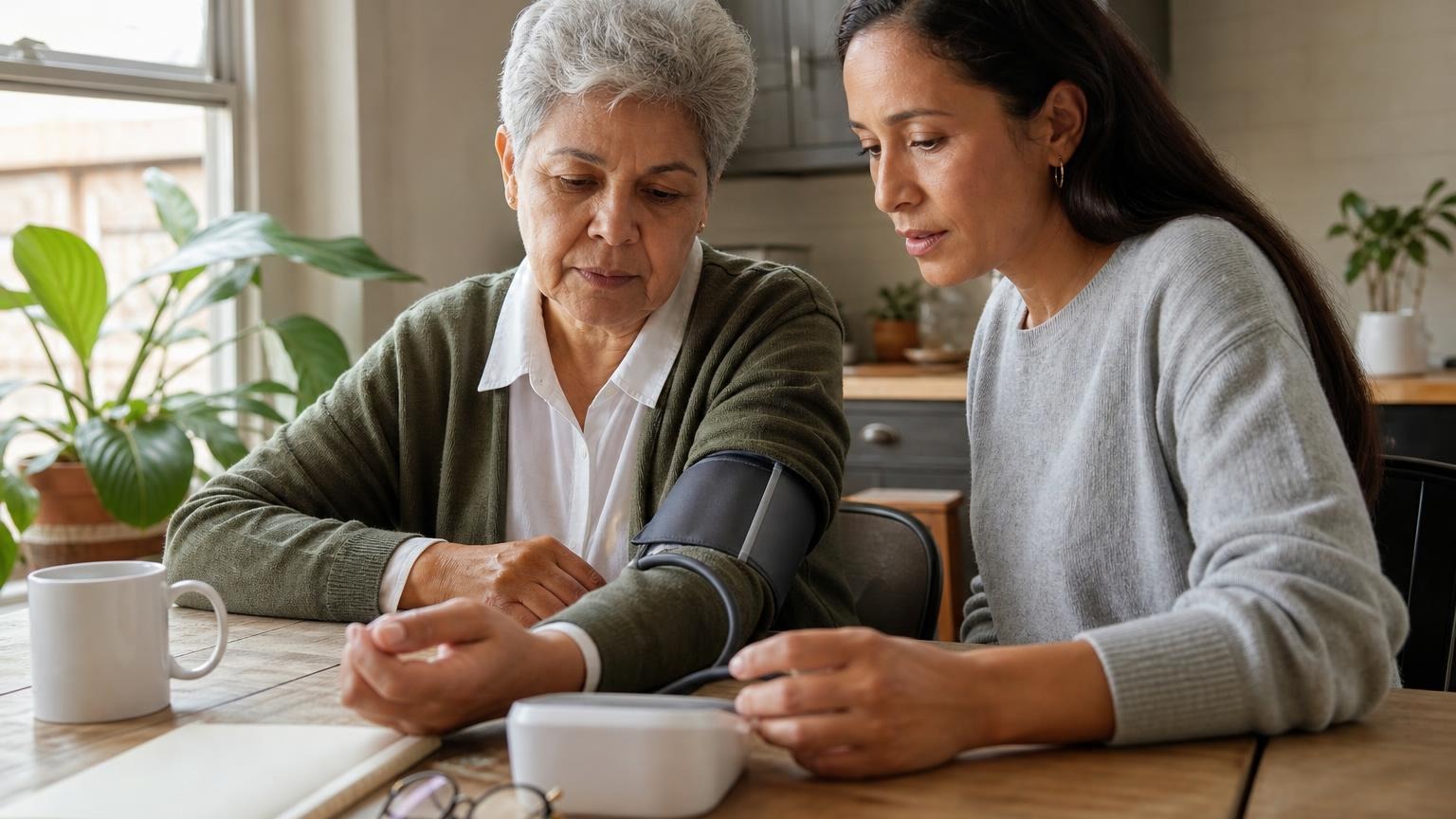
Can You Share a Blood Pressure Monitor? A Household Guide
Learn when it is okay to share a blood pressure monitor at home, how to keep readings separate, and what mistakes can make shared tracking confusing.
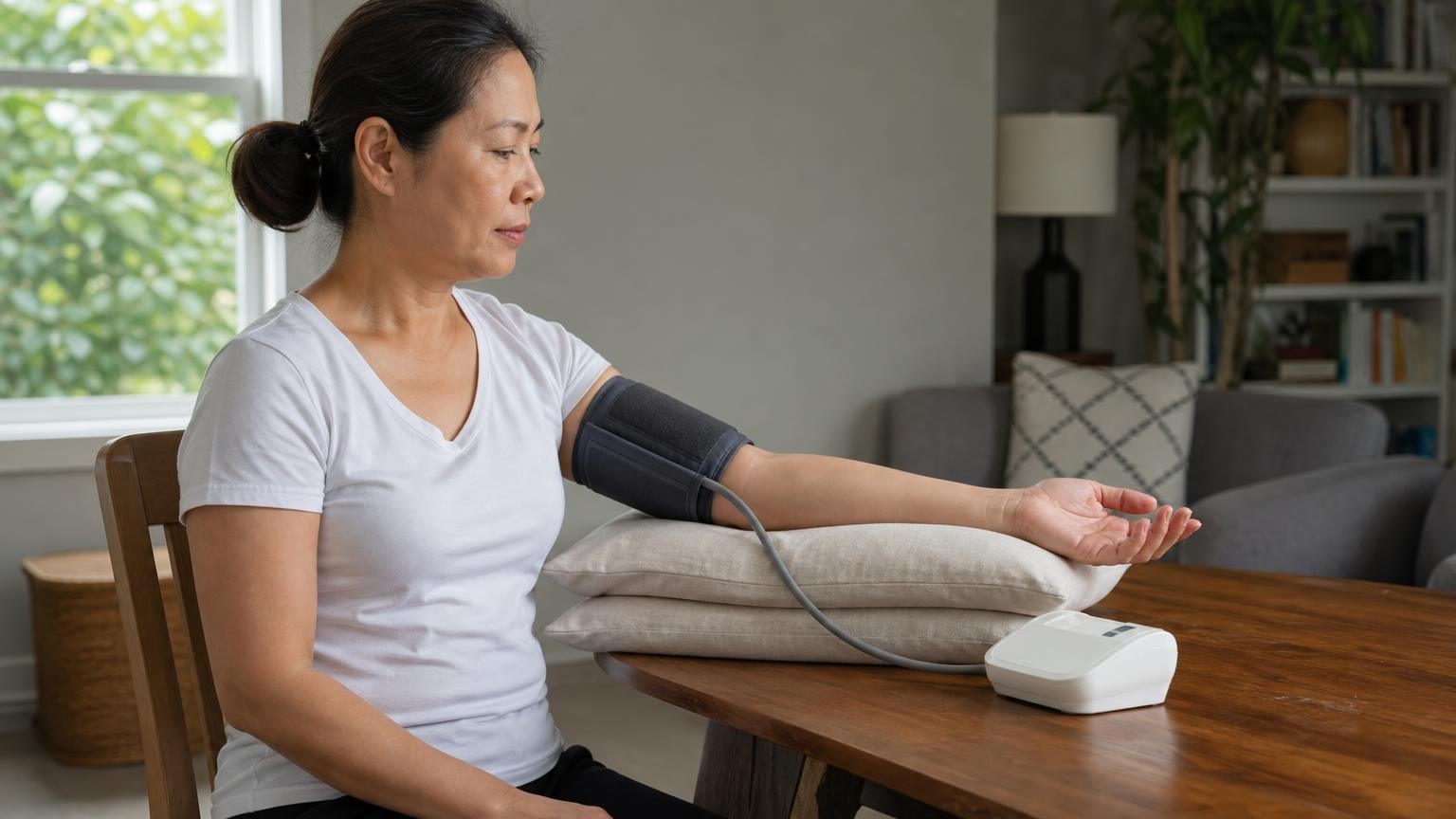
Does Back Support Affect Blood Pressure Readings?
Back support can change blood pressure readings by making your posture more repeatable. Learn how to sit, what to avoid, and when to log exceptions.
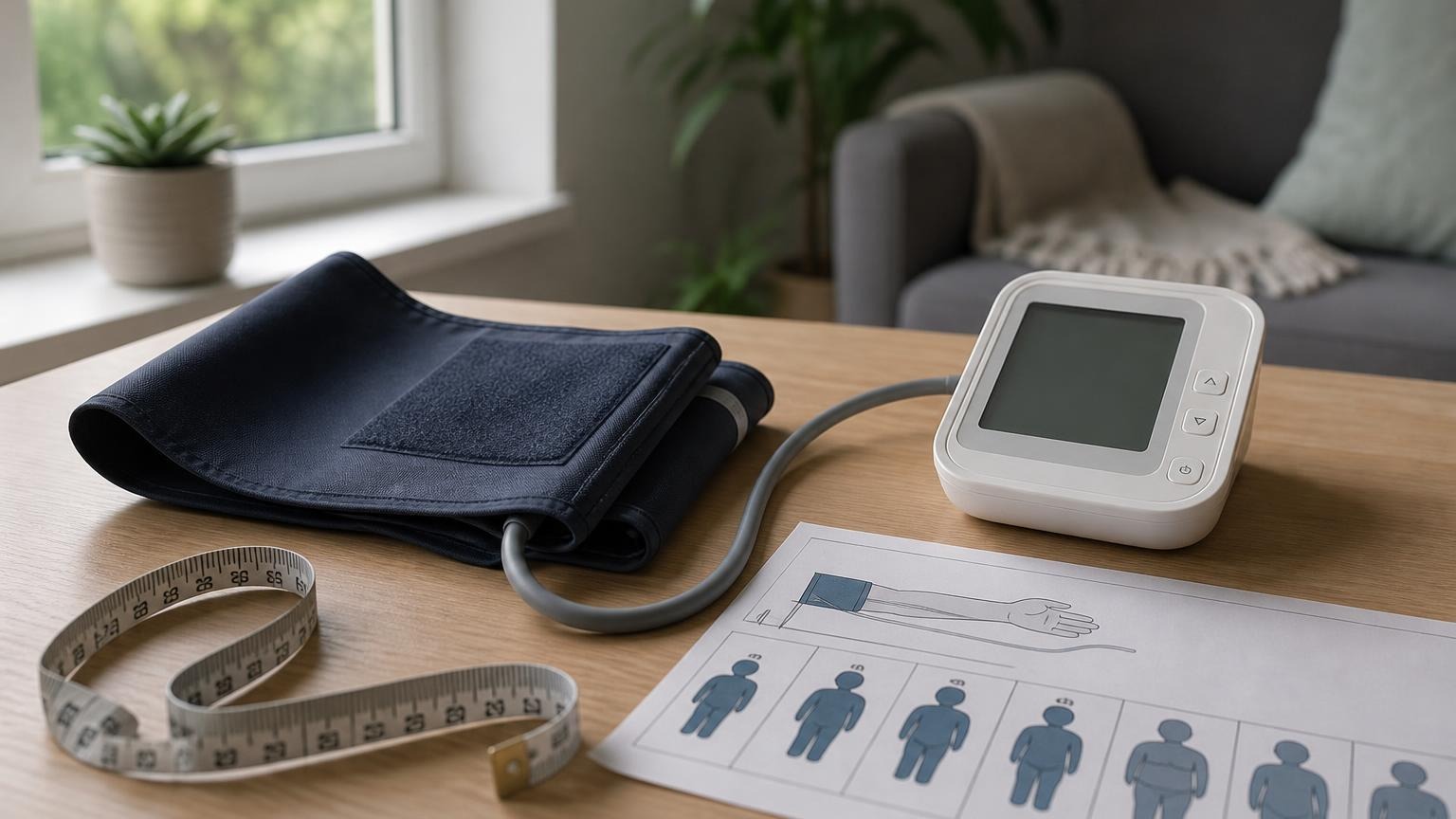
Blood Pressure Cuff Doesn't Fit? What to Do Next
A blood pressure cuff that does not fit can make home readings less reliable. Learn how to measure your arm, choose the right cuff, and log readings safely.
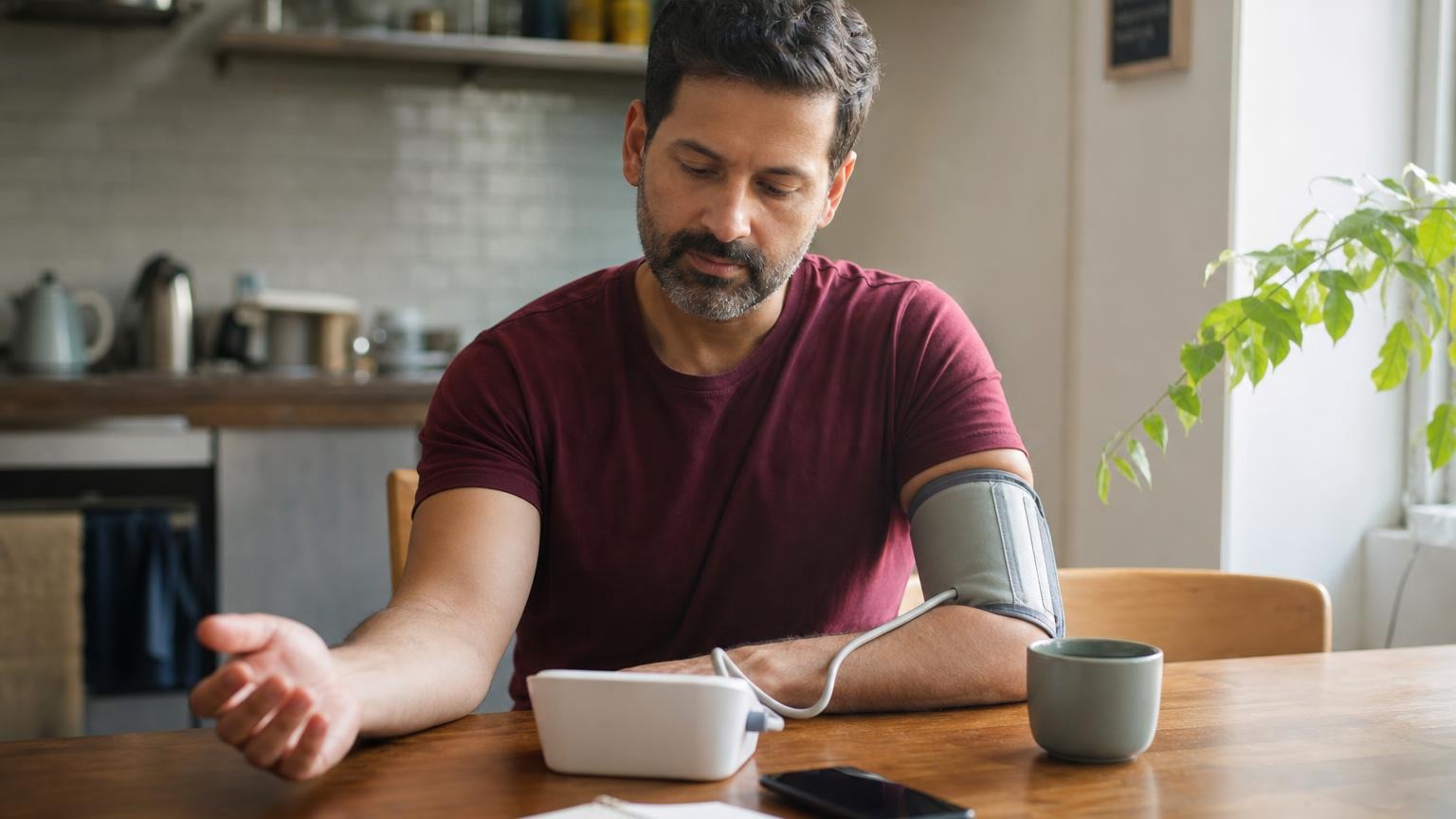
Why Is Blood Pressure Higher in the Morning?
Morning blood pressure can run higher for normal and concerning reasons. Learn what affects the first reading and how to log it safely.
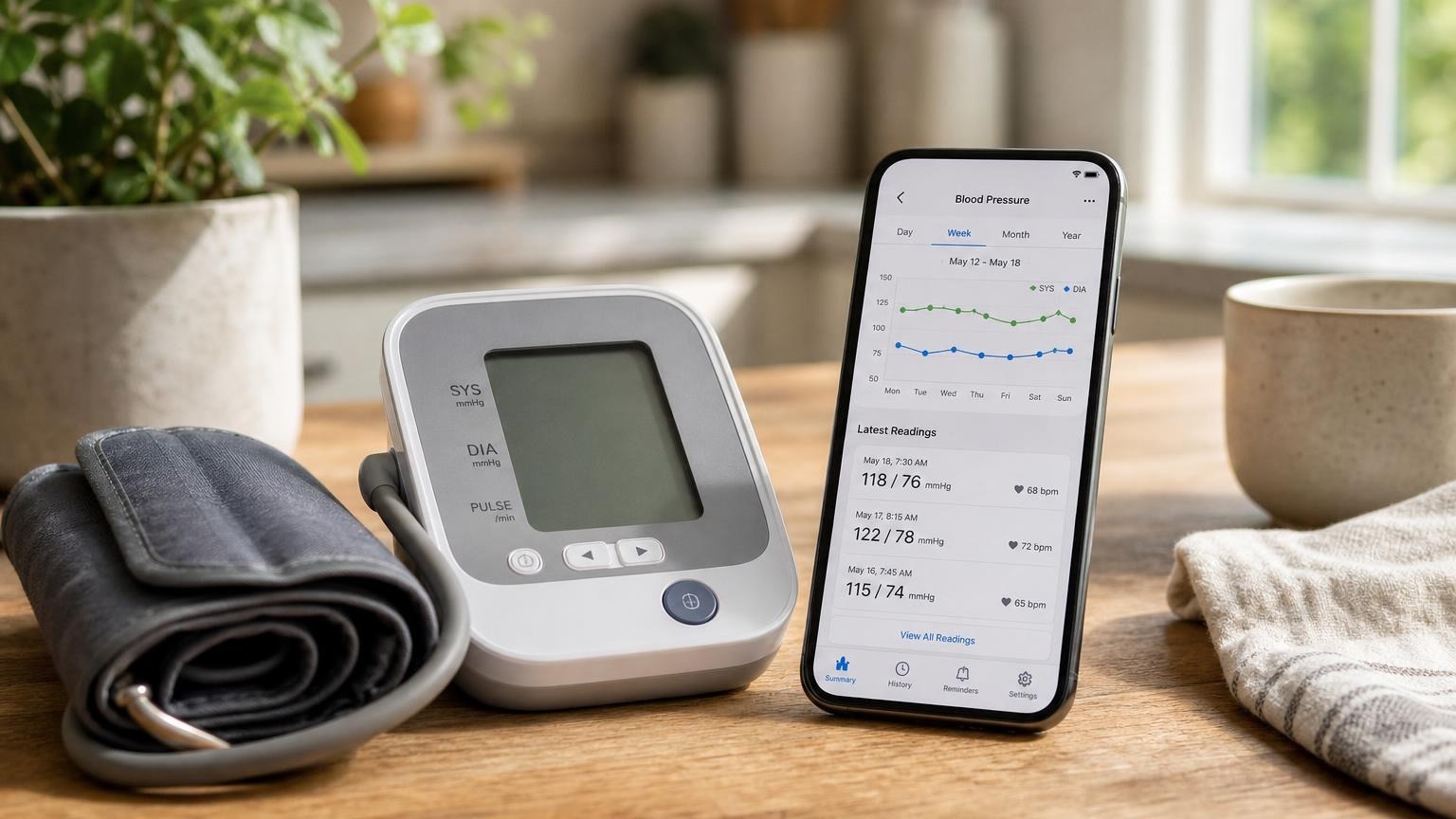
Why Does My Blood Pressure Reading Change Every Time?
Blood pressure readings can change from minute to minute. Learn what normal variation looks like, what affects repeat readings, and when to follow up.
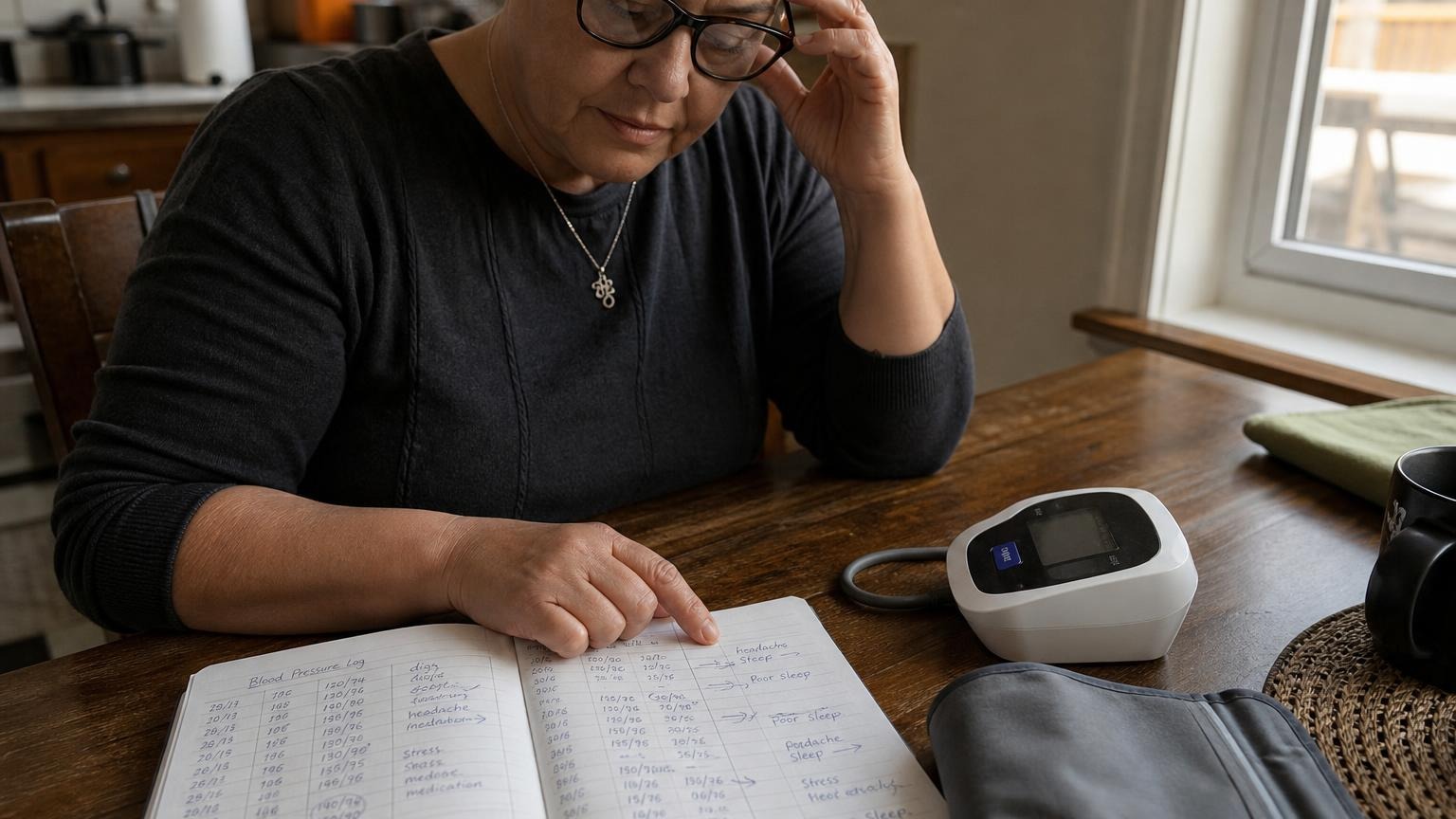
High Diastolic Blood Pressure: What the Bottom Number Means
High diastolic blood pressure can be confusing. Learn what the bottom number means, why it may run high, and how to track it at home.
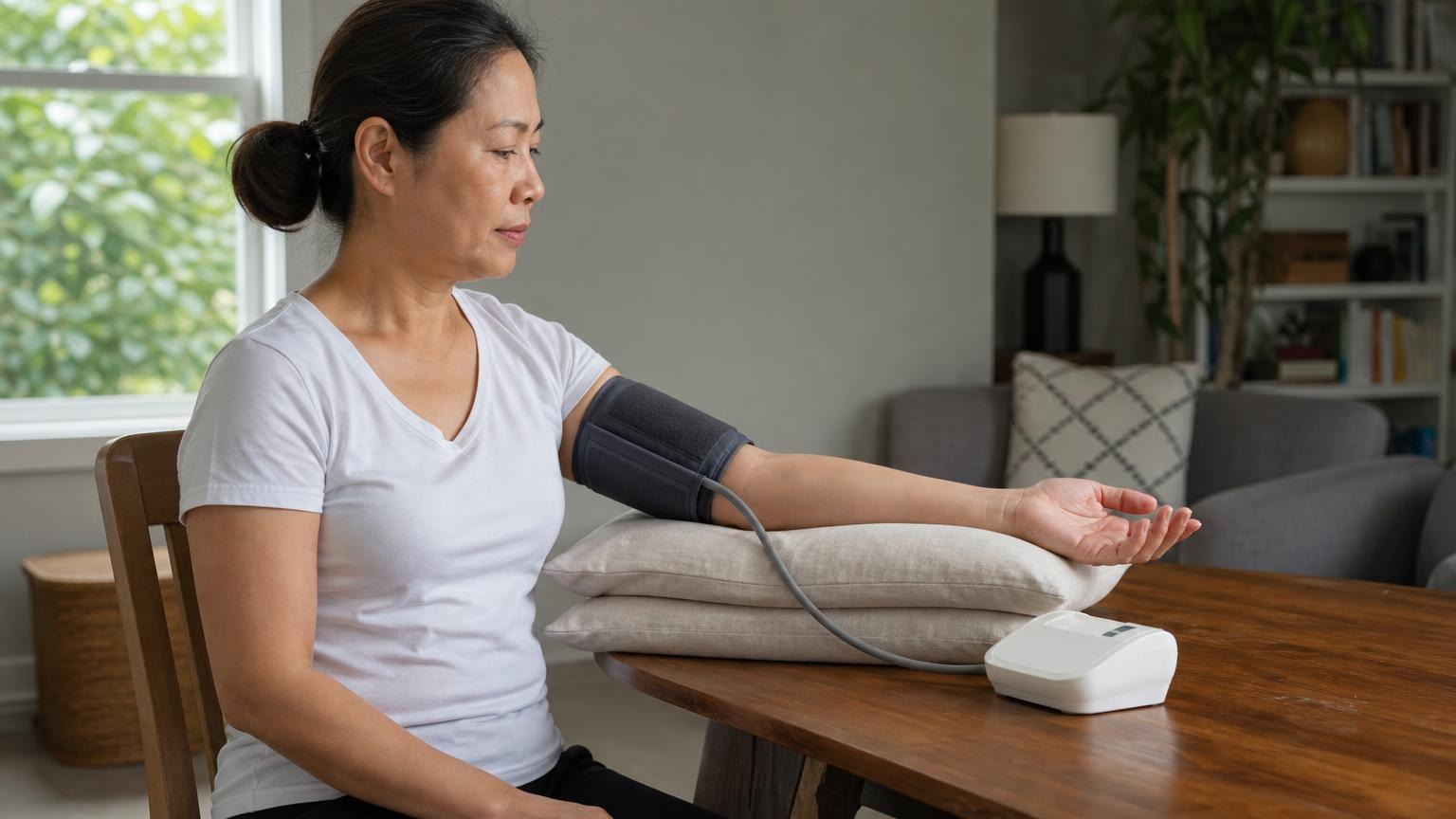
Which Arm Should You Not Use for Blood Pressure?
Learn which arm to avoid for blood pressure readings, when medical restrictions matter, and how to keep a home log useful.
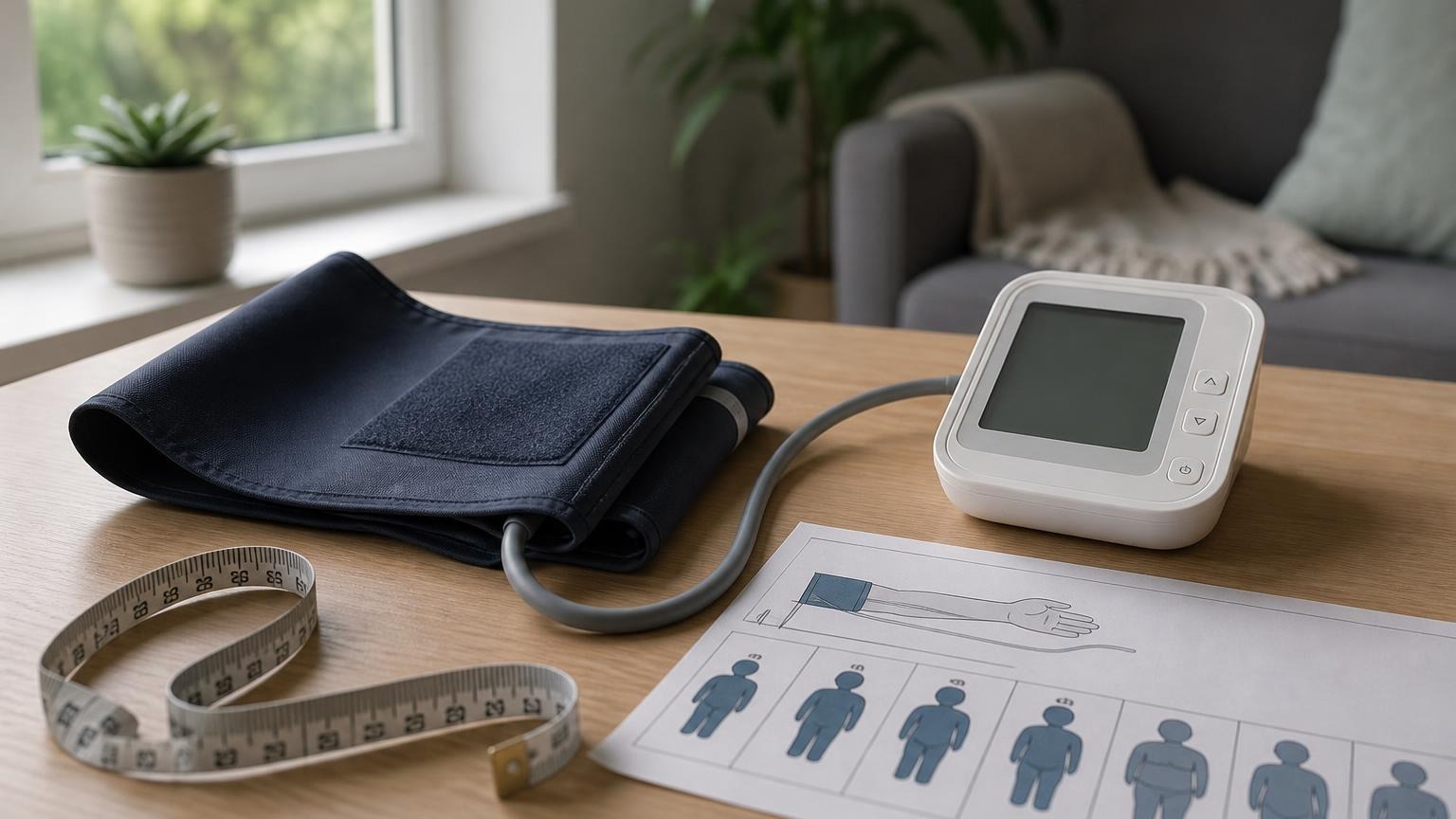
Blood Pressure Cuff Placement: Where It Should Sit on Your Arm
Blood pressure cuff placement affects home readings. Learn where the cuff should sit, how to align it, and which mistakes to avoid.
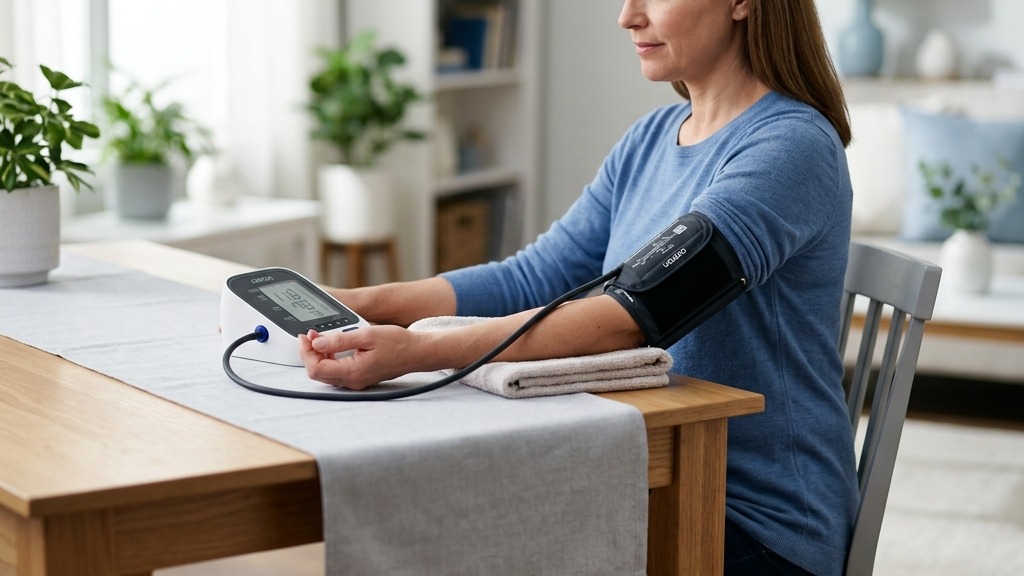
How Long to Rest Before Taking Blood Pressure at Home
Learn how long to rest before a blood pressure reading, why the quiet period matters, and what to do if you rushed the first number.
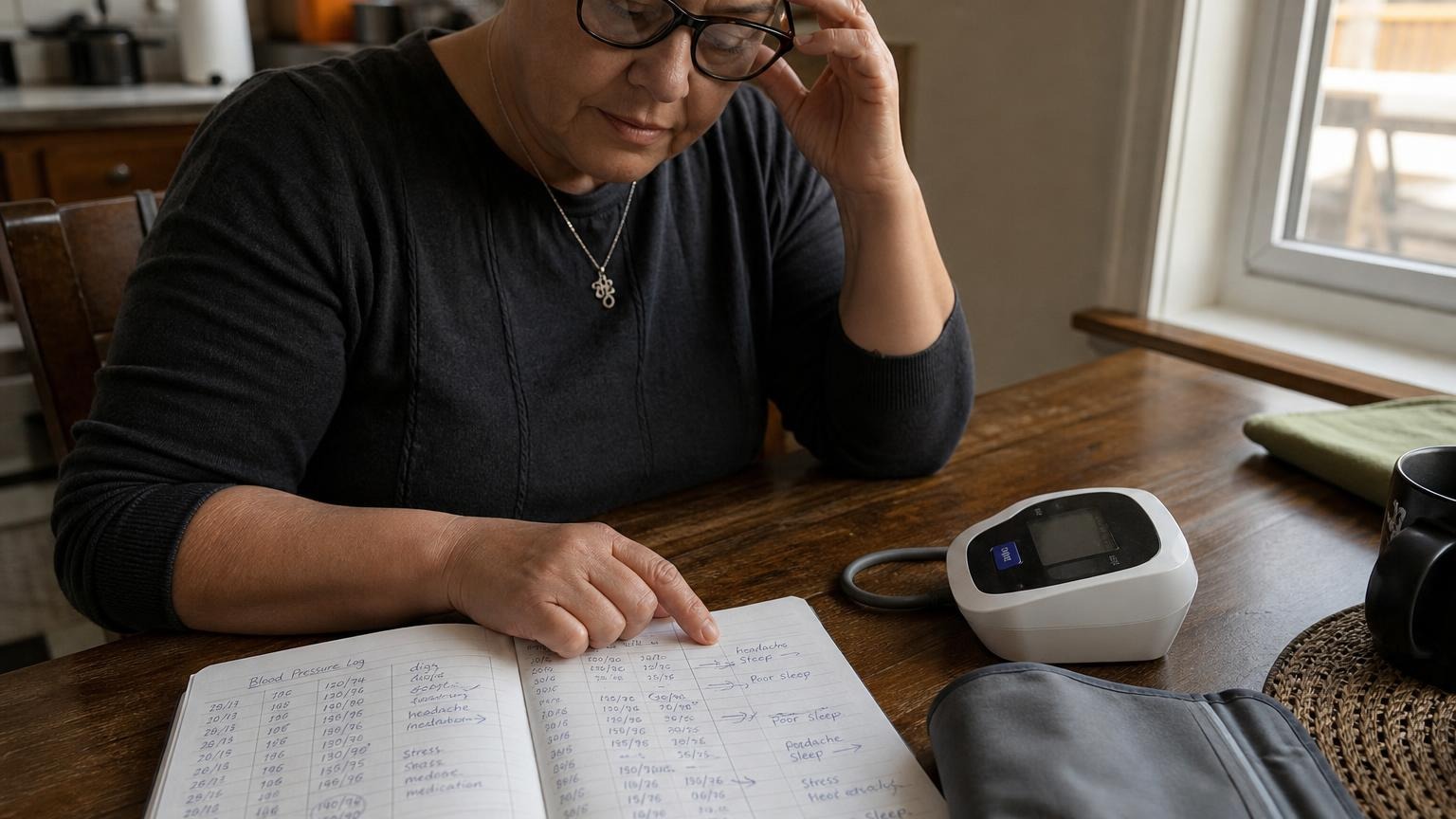
What Does MAP Mean on a Blood Pressure Monitor?
MAP on a blood pressure monitor means mean arterial pressure. Learn what it estimates, why it appears on some screens, and when to ask a clinician.
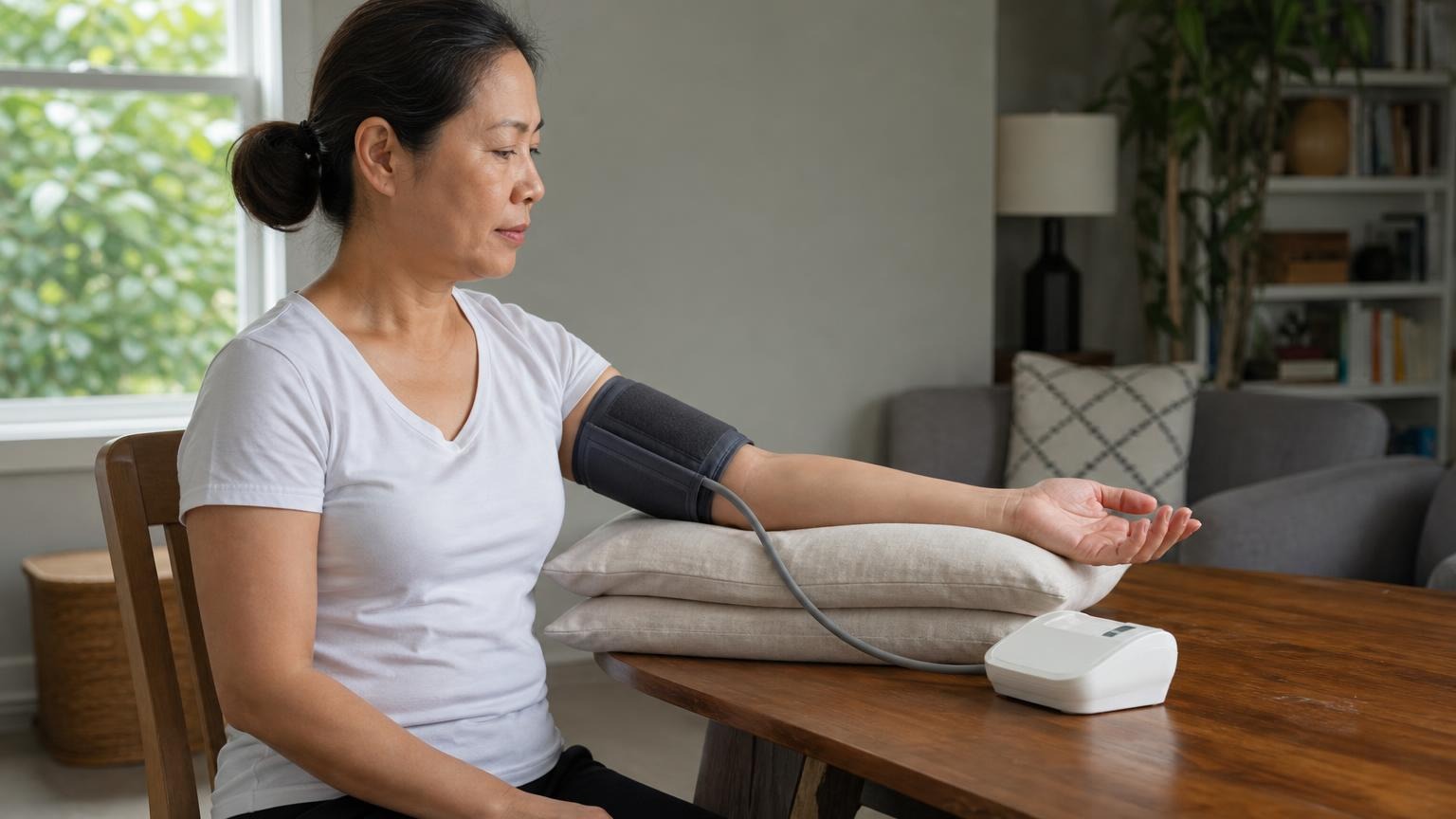
Can You Take Blood Pressure on Your Forearm?
Can you take blood pressure on your forearm? Learn why upper-arm cuffs are not meant for forearm use and what to do when a cuff will not fit.
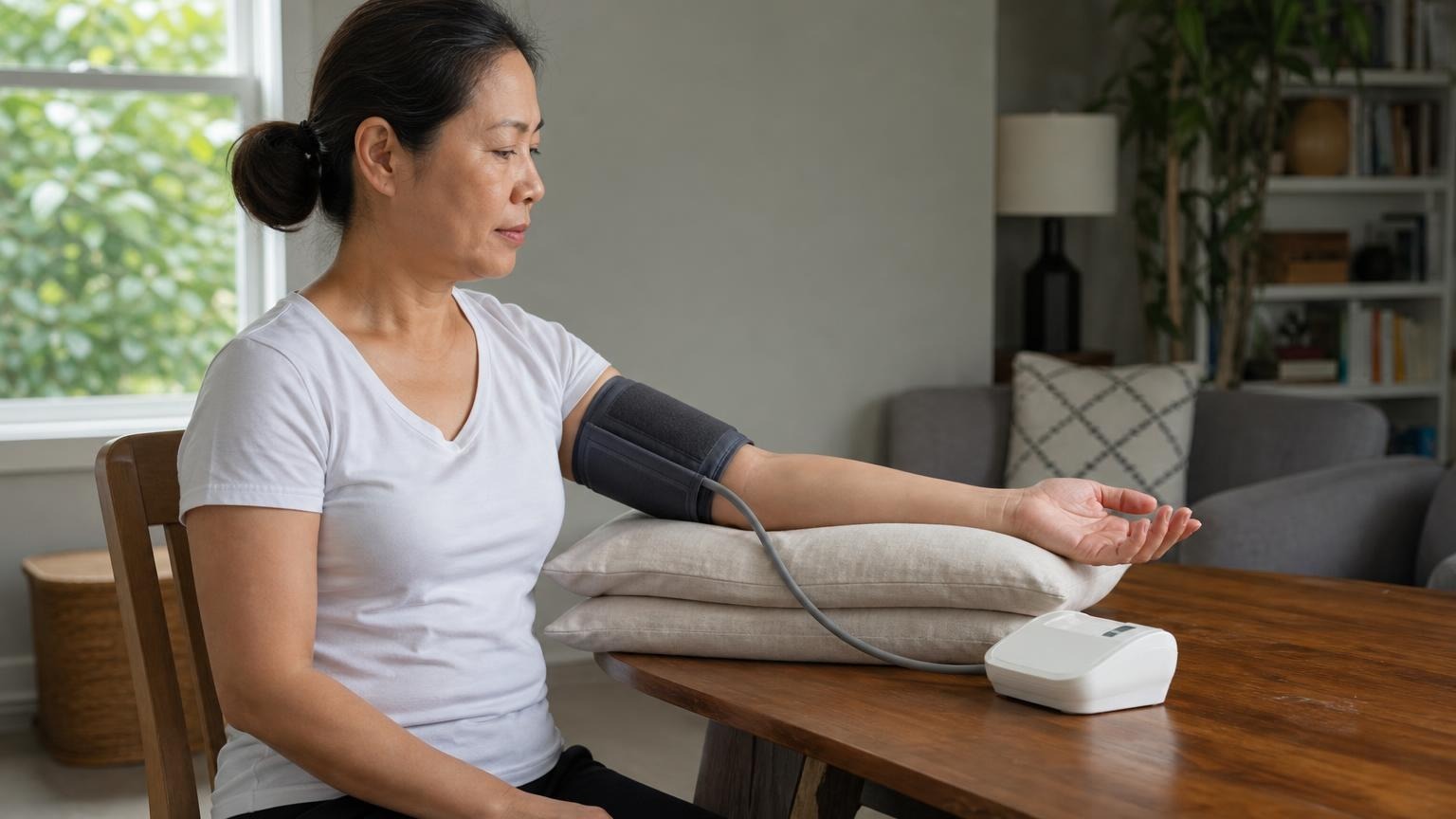
Can You Take Blood Pressure Standing Up?
Can you take blood pressure standing up? Learn when standing readings are useful, how to take them correctly, and how to log them safely.
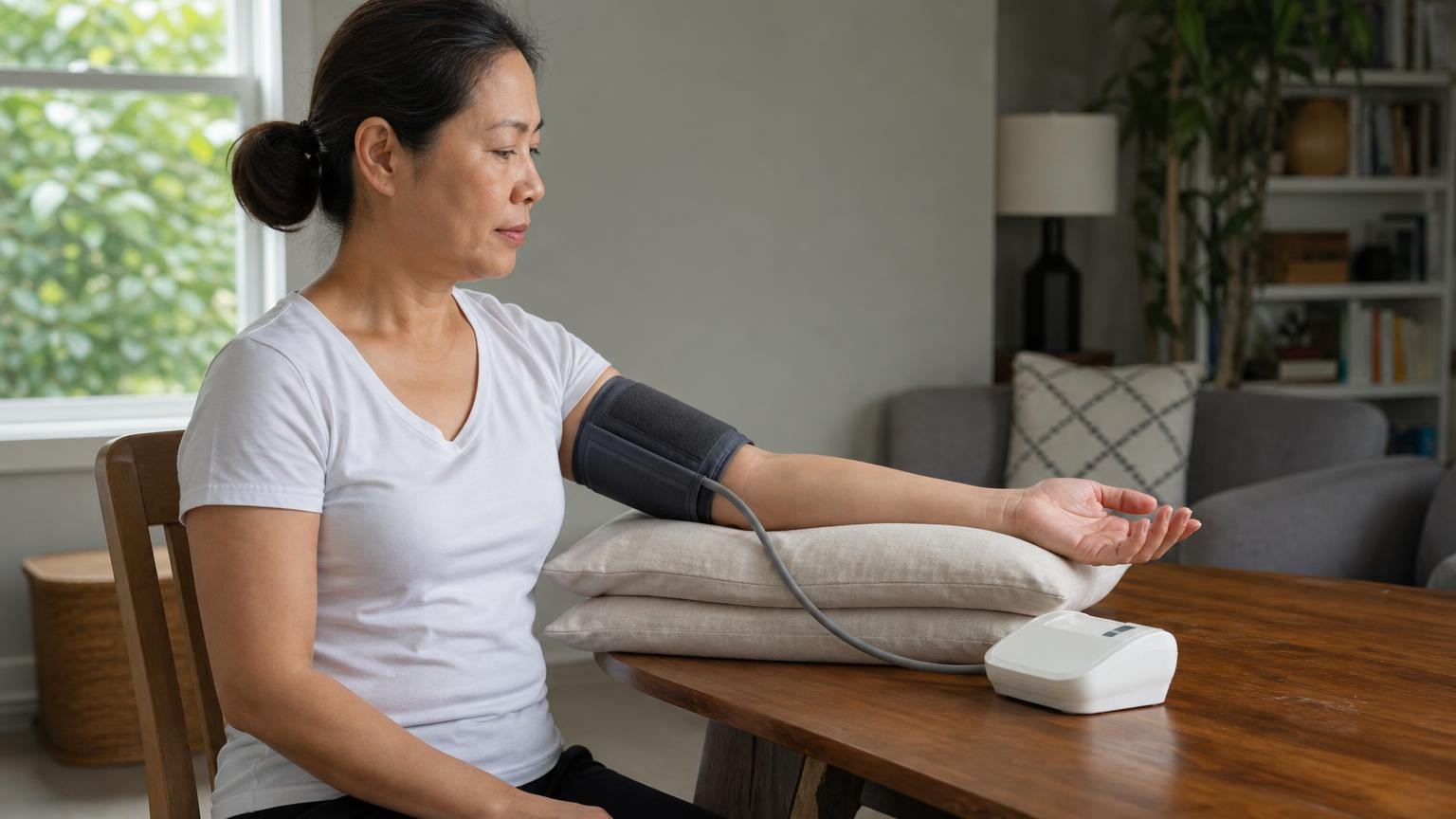
Which Arm to Use for Blood Pressure Readings at Home
Use both arms once, then track the arm that reads higher. A practical guide to choosing the right arm for home blood pressure readings.
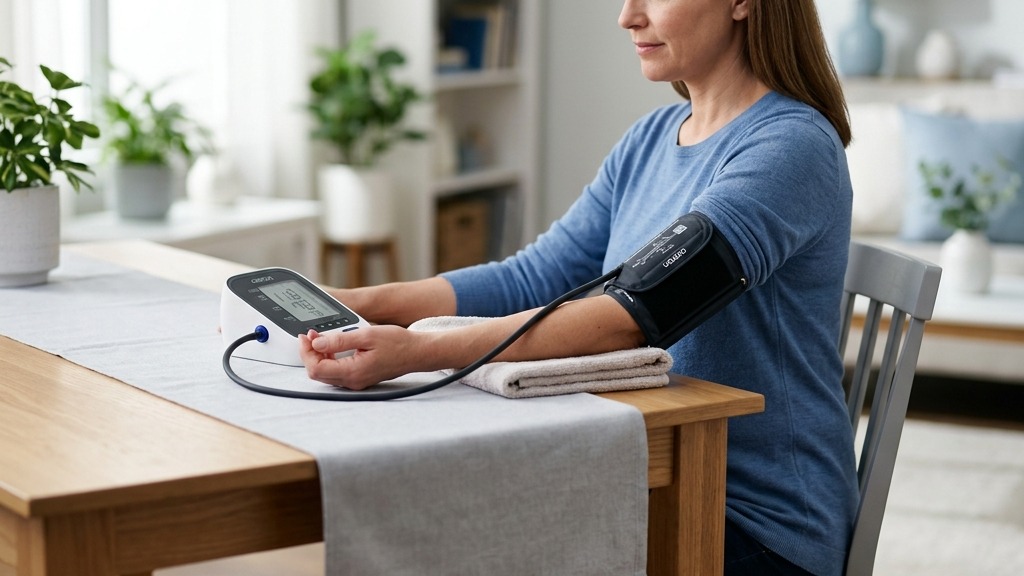
What Does Pulse Mean on a Blood Pressure Monitor?
The pulse number on a blood pressure monitor is your heart rate during the reading. Learn what is normal, what can skew it, and when to pay attention.
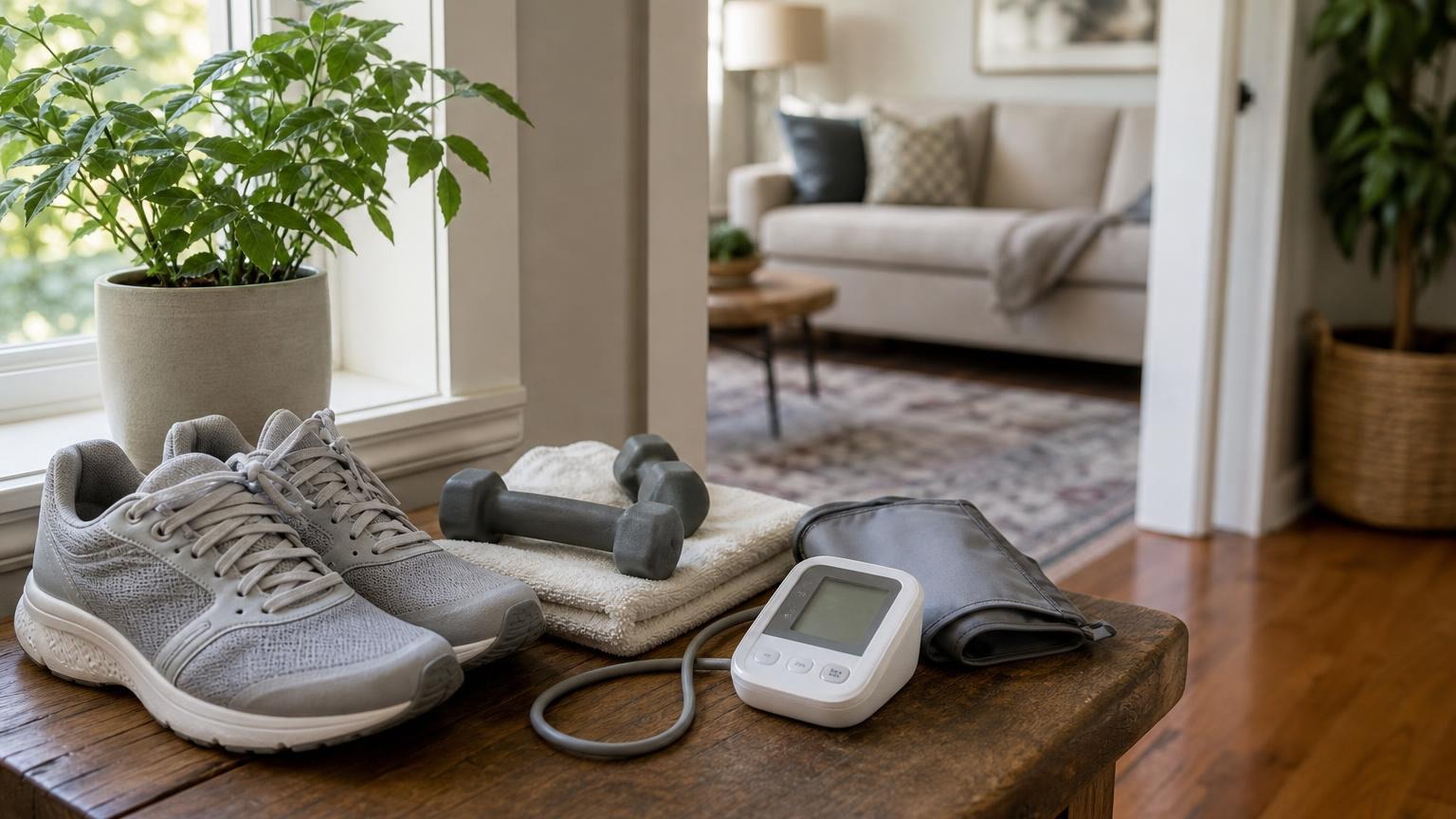
How Long After Exercise Should You Take Blood Pressure?
Exercise changes blood pressure temporarily. Learn how long to wait, when a post-workout reading is useful, and how to log it clearly.
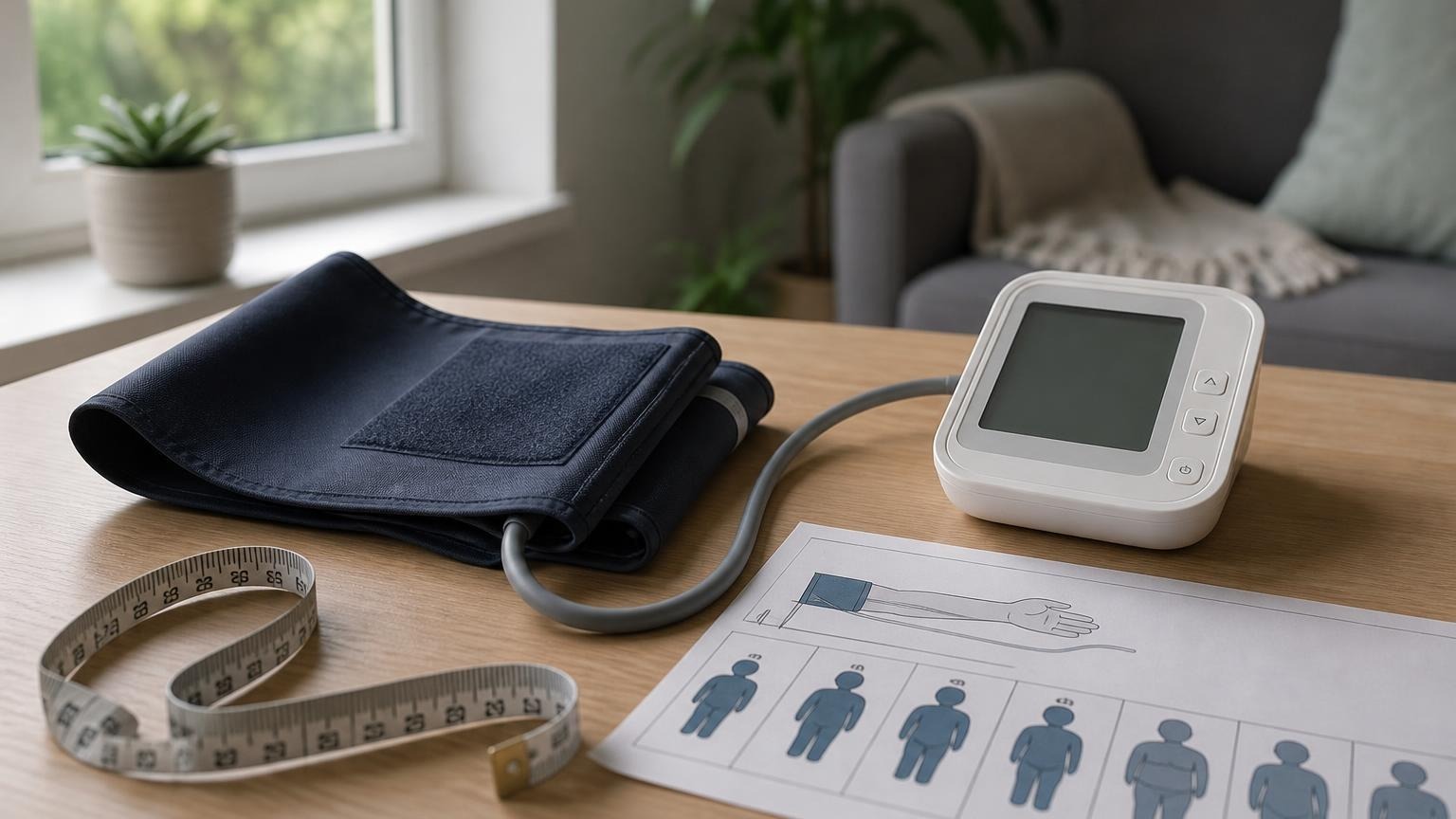
Why Your Blood Pressure Cuff Gets Too Tight
A blood pressure cuff should feel snug, but not alarming. Learn why cuffs get very tight, when discomfort is normal, and when to adjust your setup.
Does Cold Medicine Raise Blood Pressure?
Some cold medicines can raise blood pressure or make readings harder to interpret. Learn which ingredients matter and how to monitor safely.
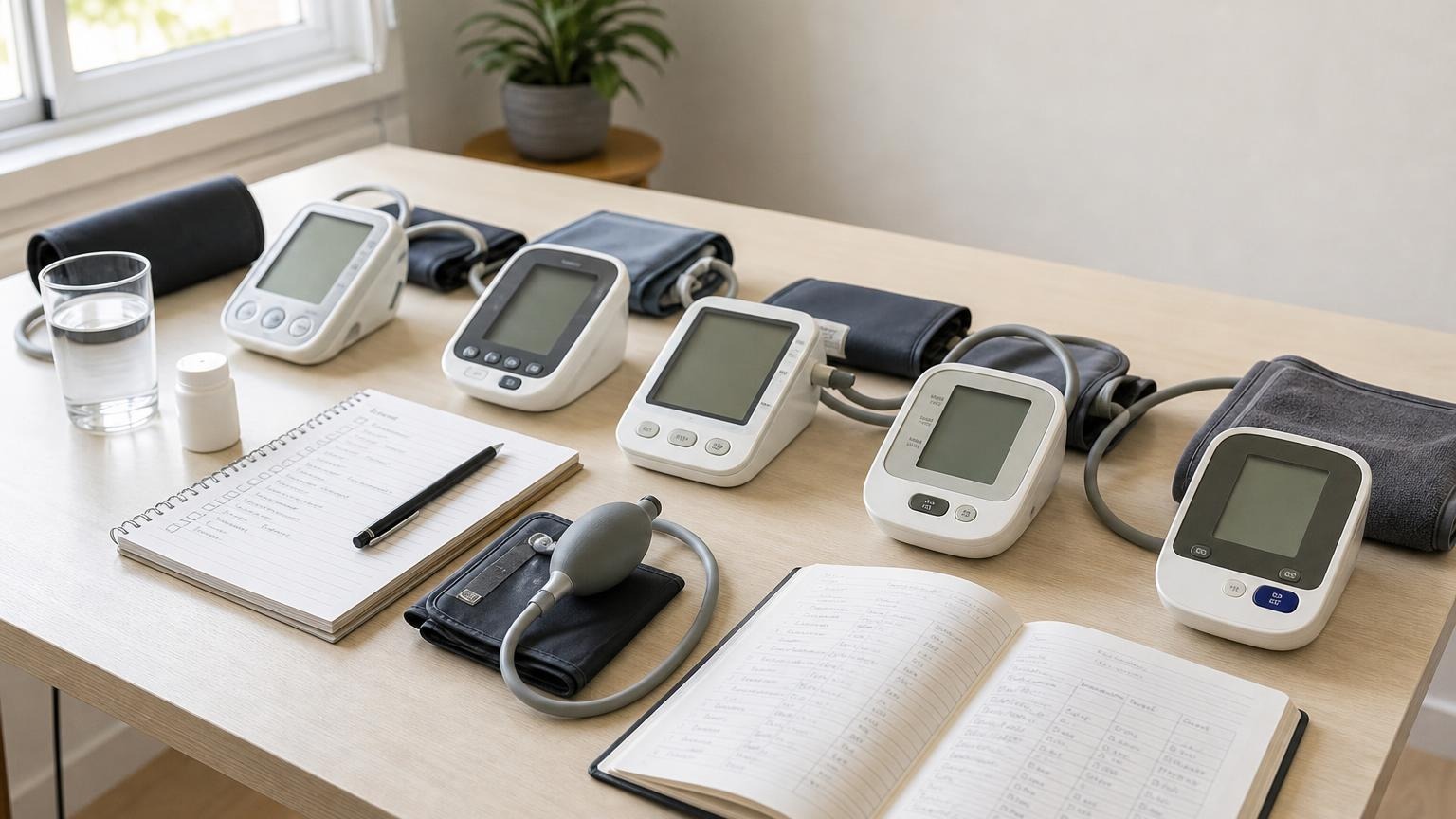
Blood Pressure Monitor Error Codes: What E1, E2, and Err Usually Mean
Blood pressure monitor error codes are usually fixable. Learn what common messages mean, when to retake a reading, and when to replace the cuff.
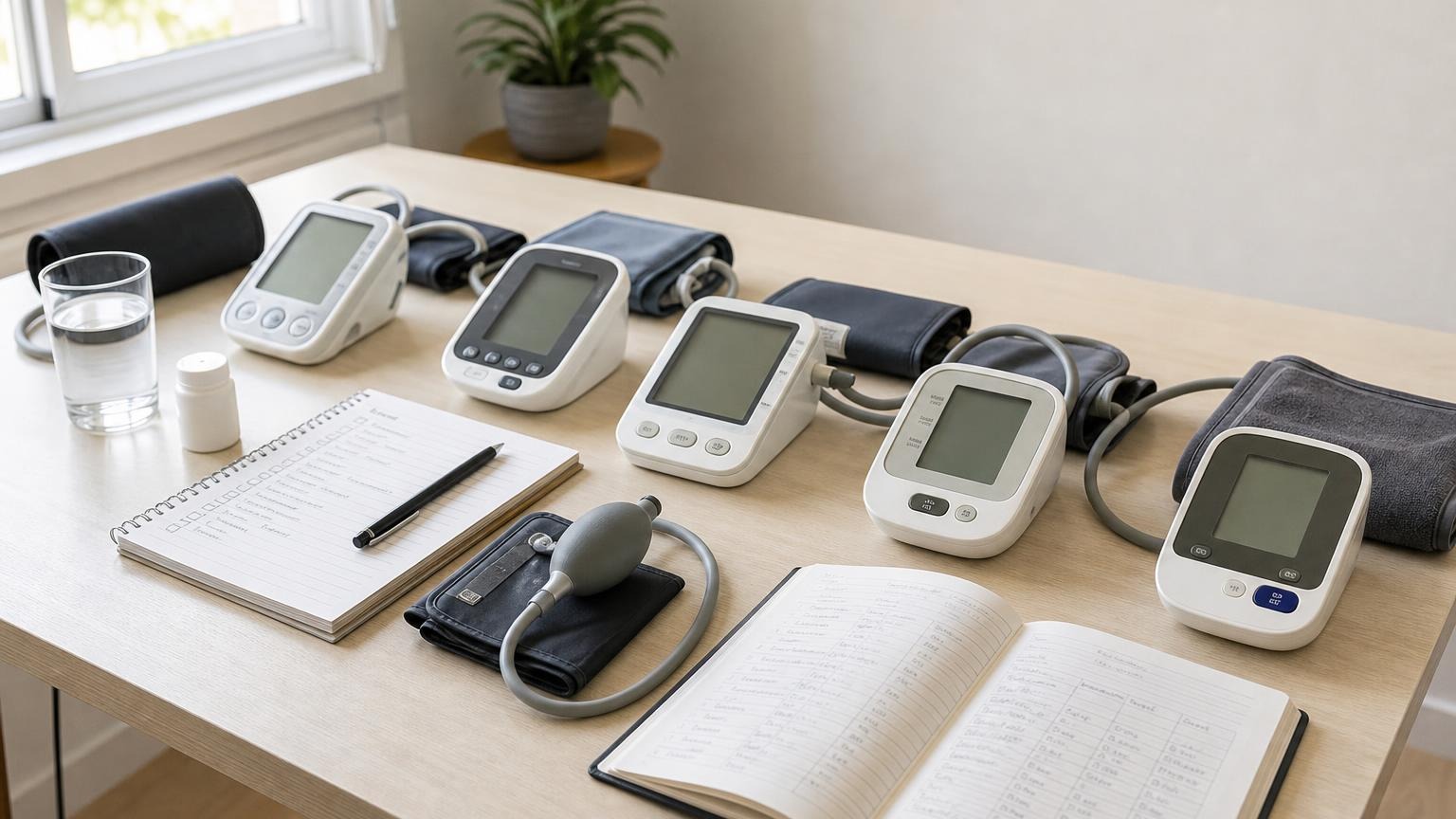
Why Does My Blood Pressure Monitor Keep Inflating?
Why does your blood pressure monitor keep inflating? Learn the common causes, when to retry, and when repeated reinflation needs attention.
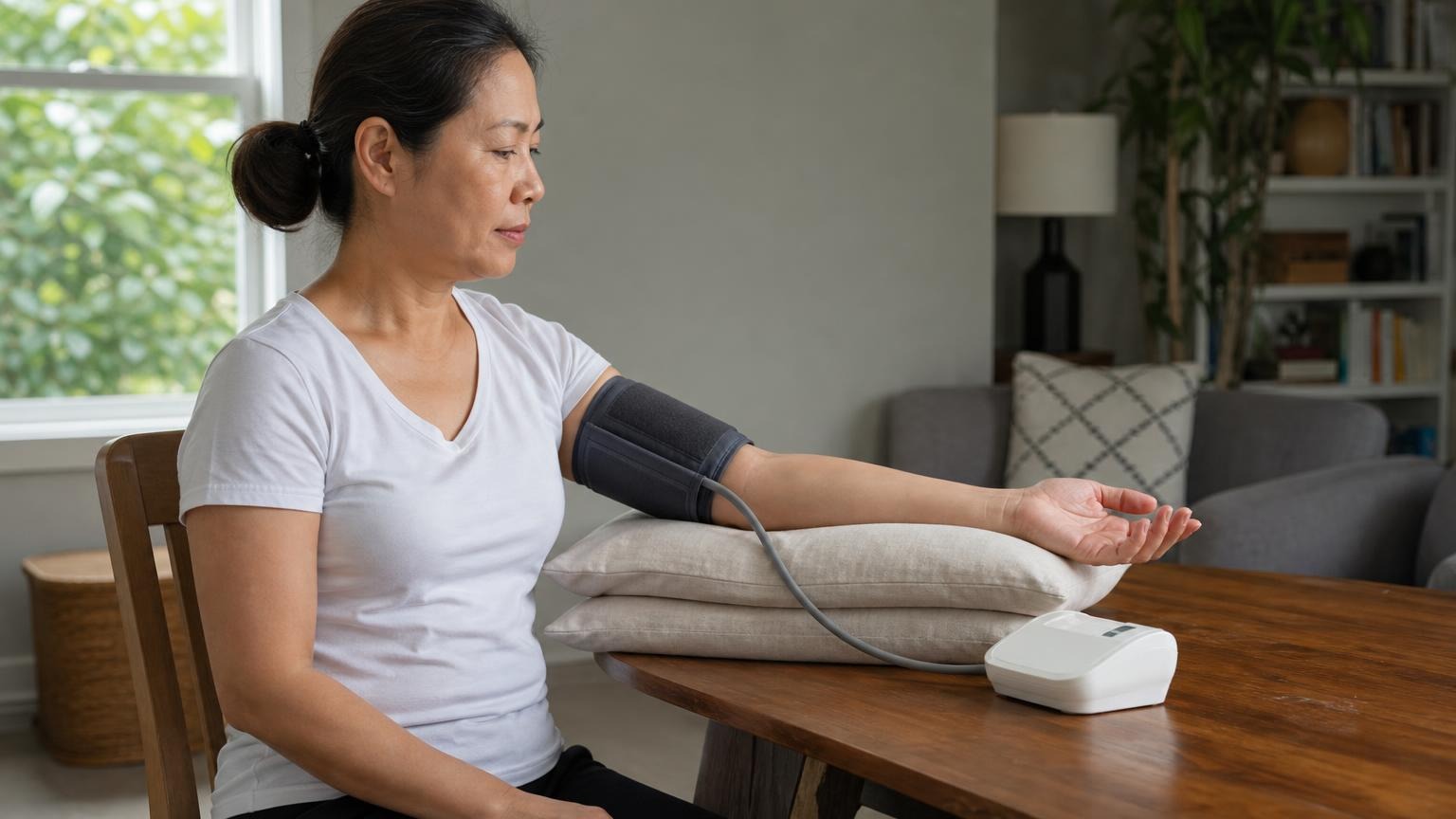
Can You Take Blood Pressure Over Clothing?
Can you take blood pressure over clothing? Usually not. Learn why bare skin is more repeatable, when sleeves interfere, and what to do if clothing cannot be removed.
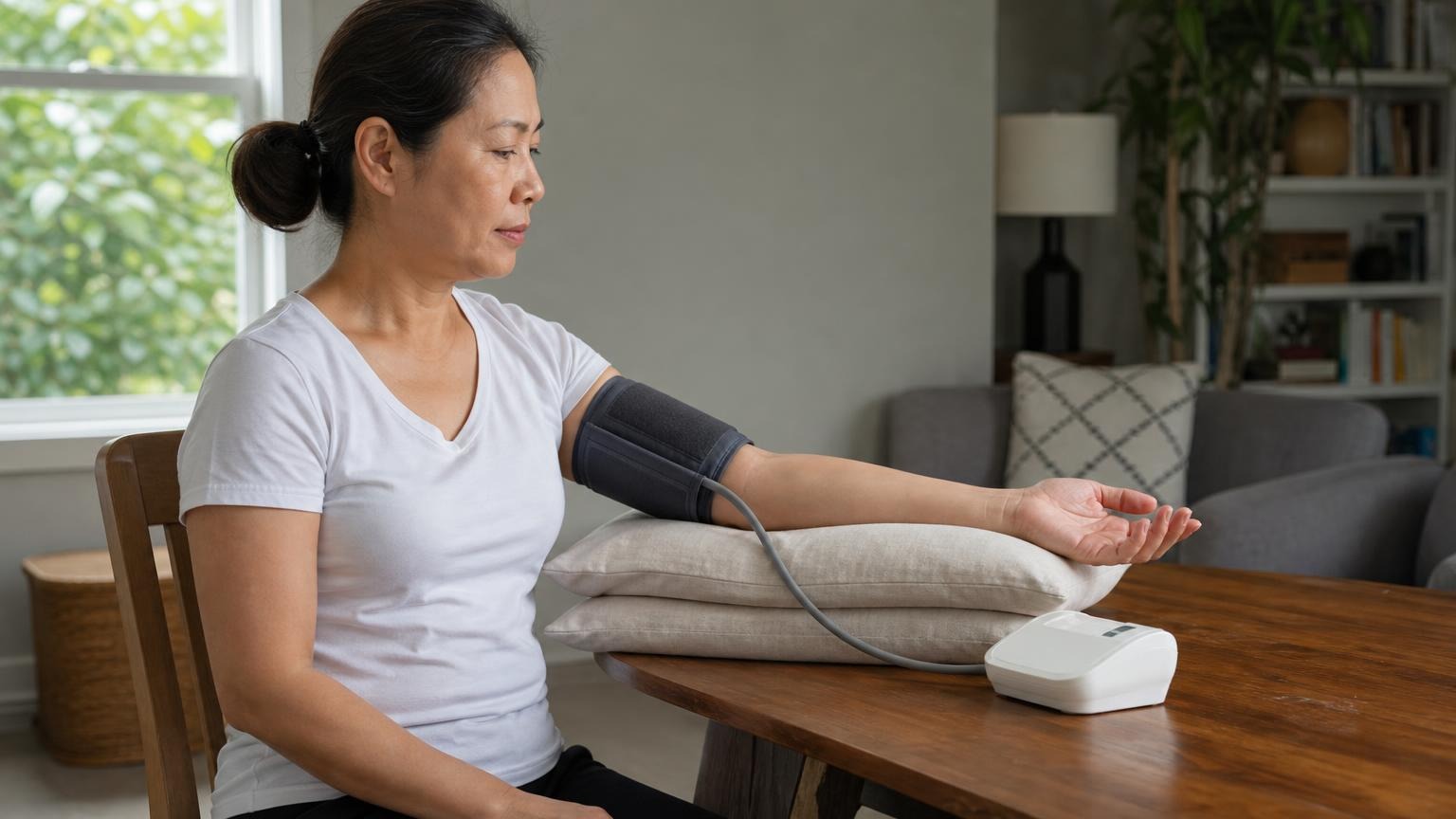
Should You Take Blood Pressure Sitting or Lying Down?
Should you take blood pressure sitting or lying down? Learn which posture works best at home, when lying readings matter, and how to log them.
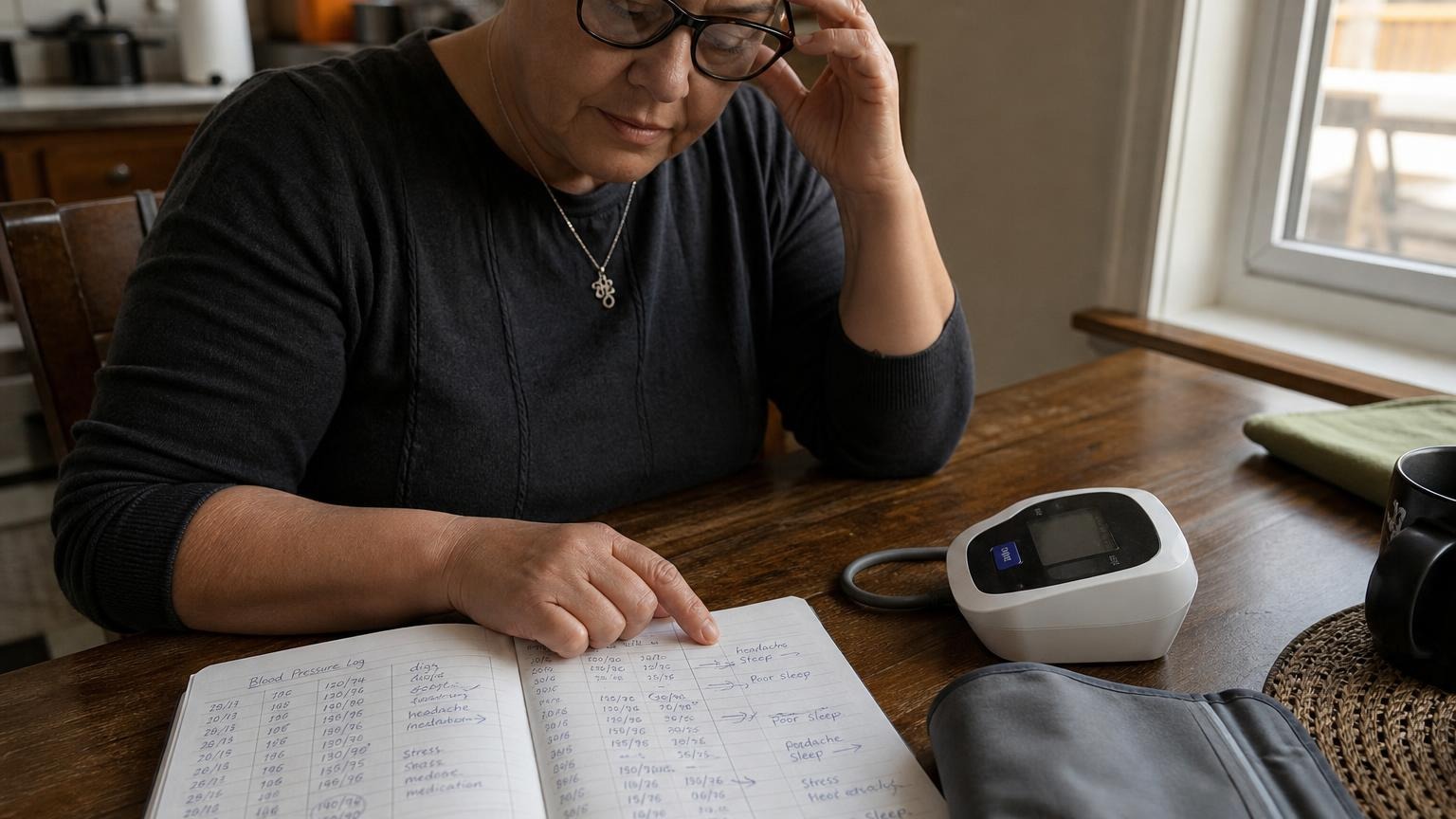
What Is Pulse Pressure? Why the Gap Between BP Numbers Matters
Pulse pressure is the difference between systolic and diastolic blood pressure. Learn what it can show, what it cannot prove, and when to ask a clinician.
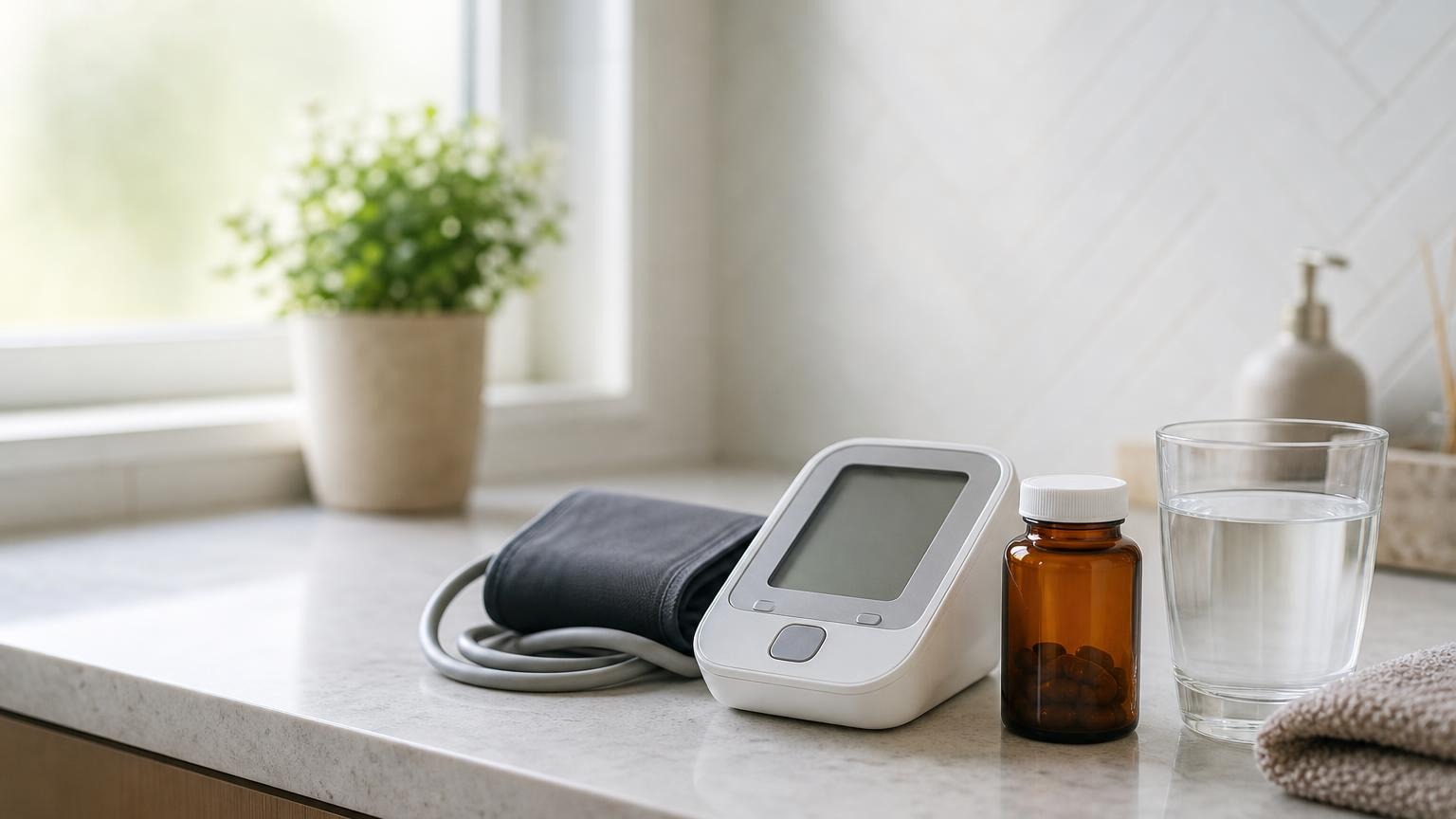
Should You Take Blood Pressure Before or After Medication?
When you check blood pressure around medication timing matters. Learn when to measure, what to log, and when to ask your clinician.
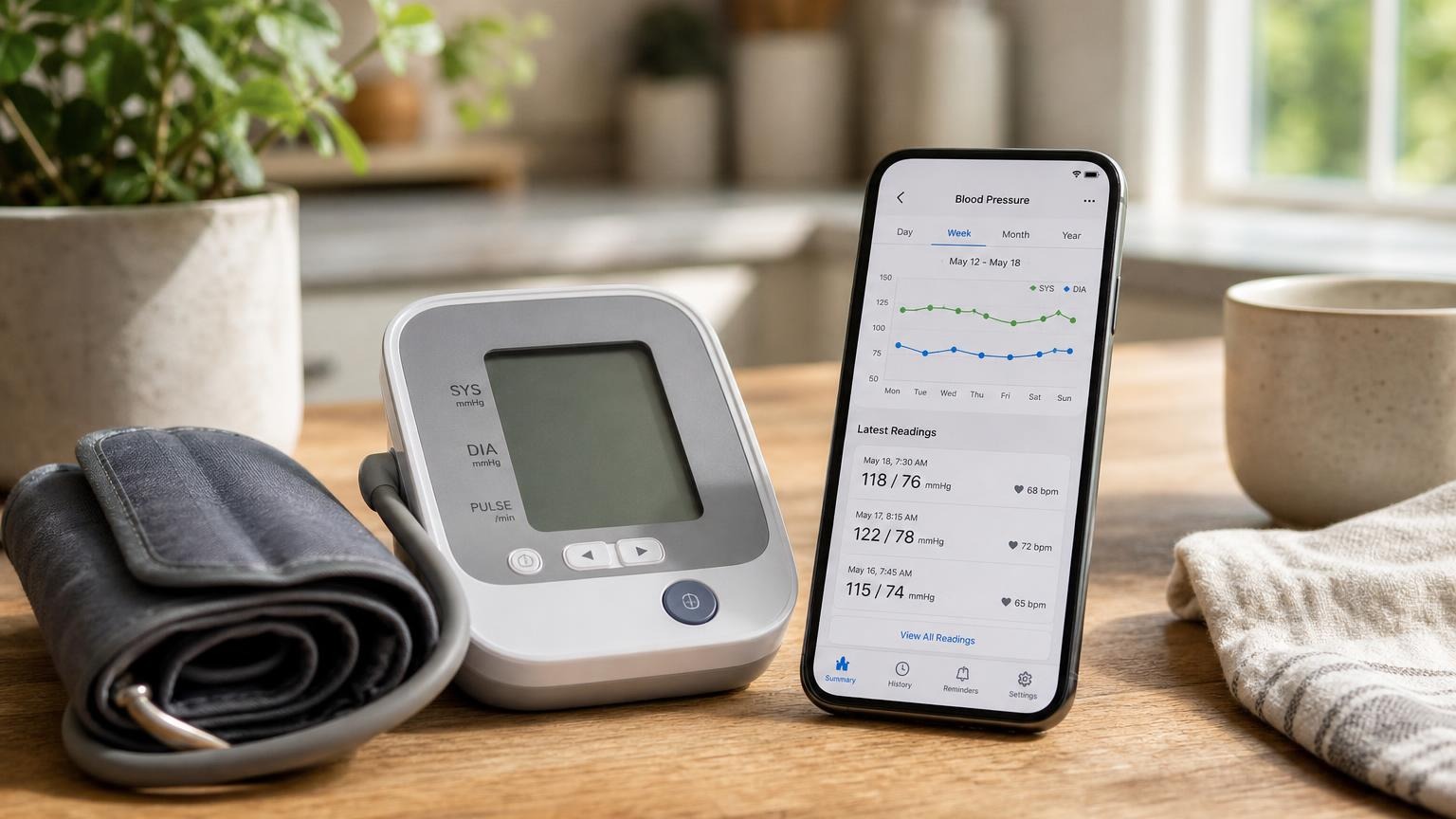
How Many Blood Pressure Readings Should You Take?
Learn how many blood pressure readings to take at home, when to repeat a high number, and which average is most useful for your log.

Does a Hot Shower Affect Blood Pressure?
A hot shower can change blood pressure readings. Learn when it matters, how long to wait, and how to keep home measurements consistent.
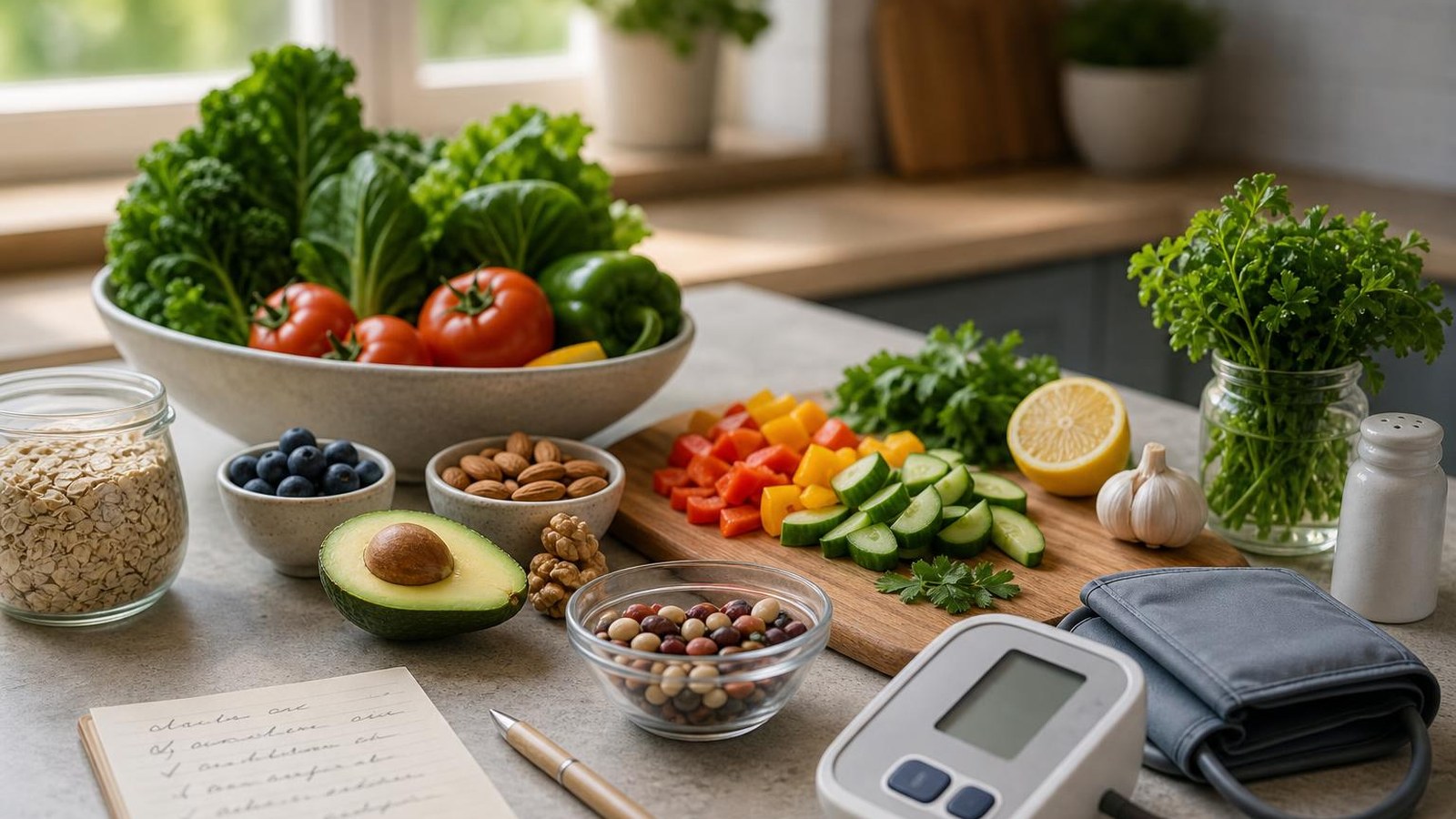
Does Eating Affect Blood Pressure? When to Check
Eating can change blood pressure readings. Learn why timing, meal size, salt, and posture matter before you check at home.
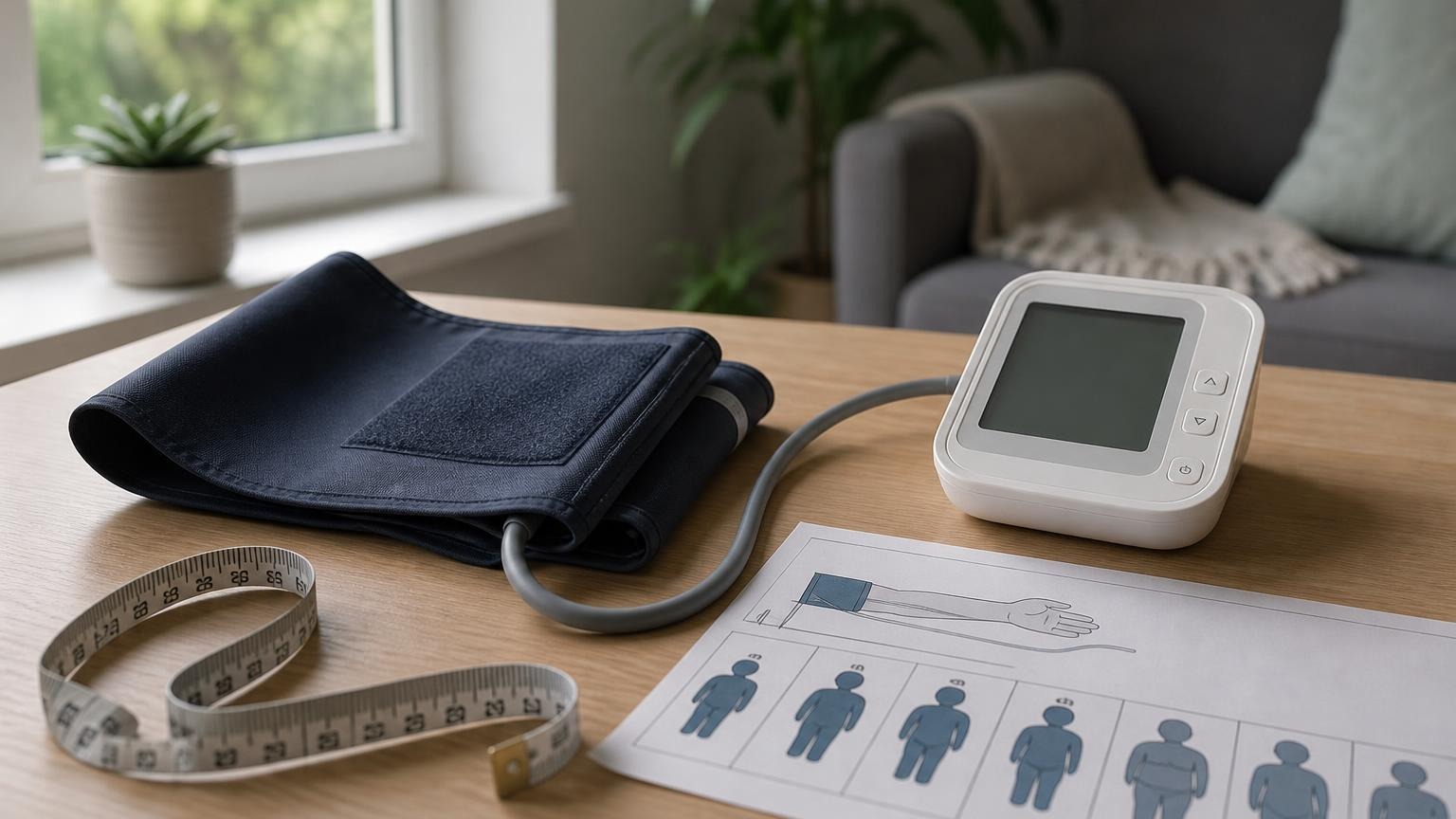
How Tight Should a Blood Pressure Cuff Be?
A blood pressure cuff should feel snug, not painful. Learn the two-finger fit check, placement rules, and when cuff tightness can skew readings.
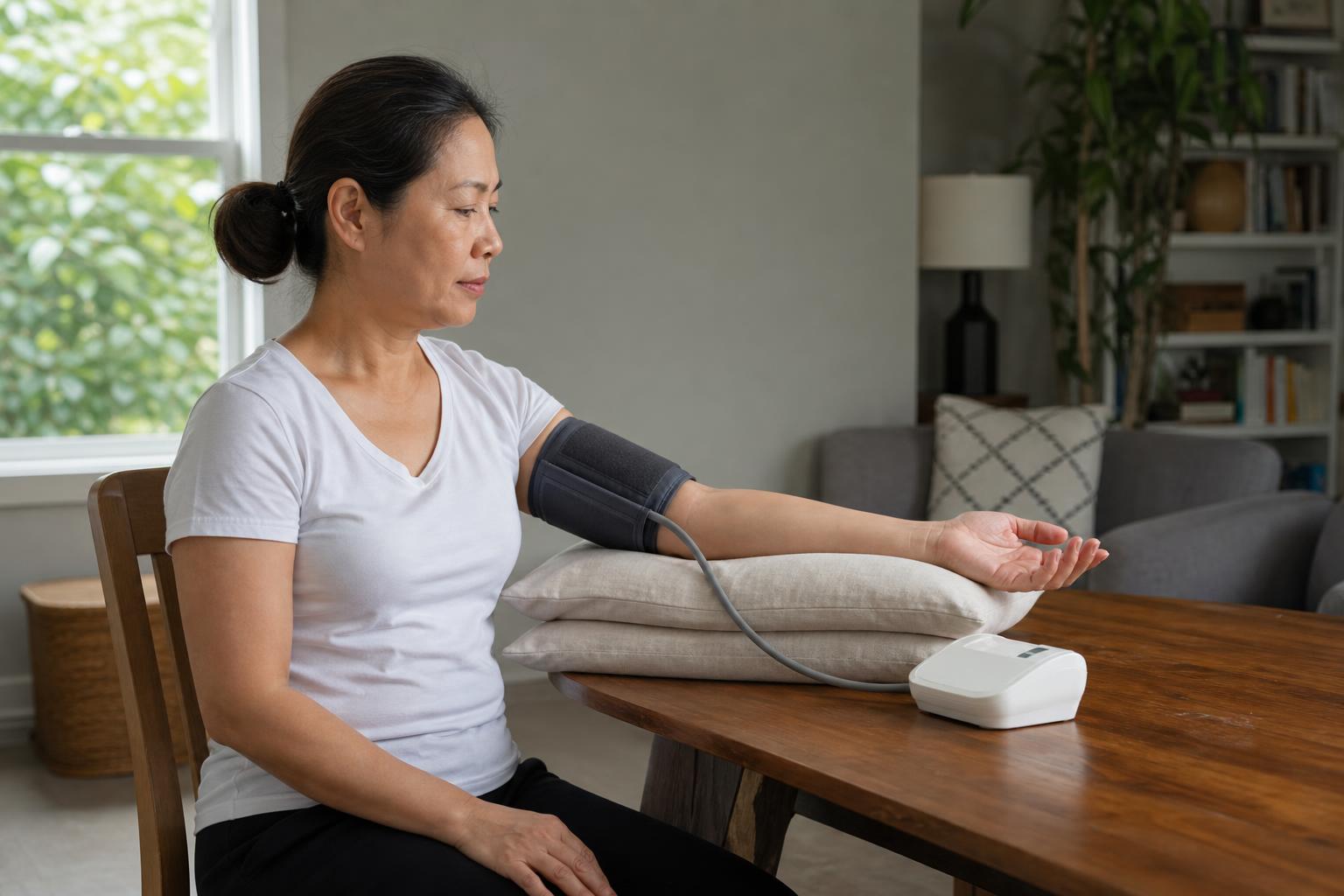
Does Crossing Your Legs Raise Blood Pressure?
Crossing your legs can make a blood pressure reading less reliable. Learn why foot position matters and how to measure more consistently.
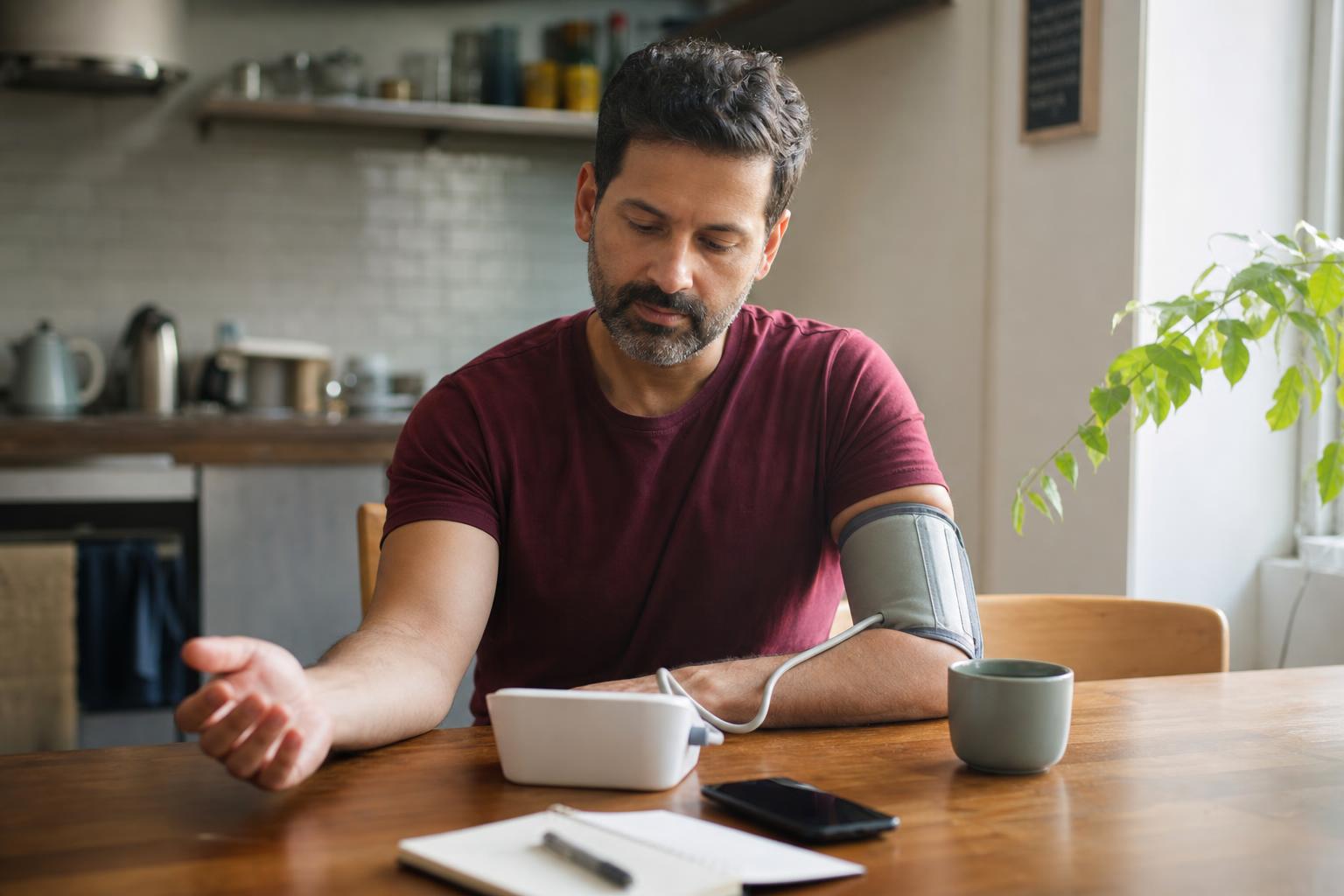
Does a Full Bladder Raise Blood Pressure?
A full bladder can push a blood pressure reading higher. Here's why it happens, when it matters, and how to avoid misleading home numbers.
Does Cold Weather Raise Blood Pressure? Sometimes, Yes
Cold weather can raise blood pressure in the short term by narrowing blood vessels. Here's what that means for home readings and winter monitoring.
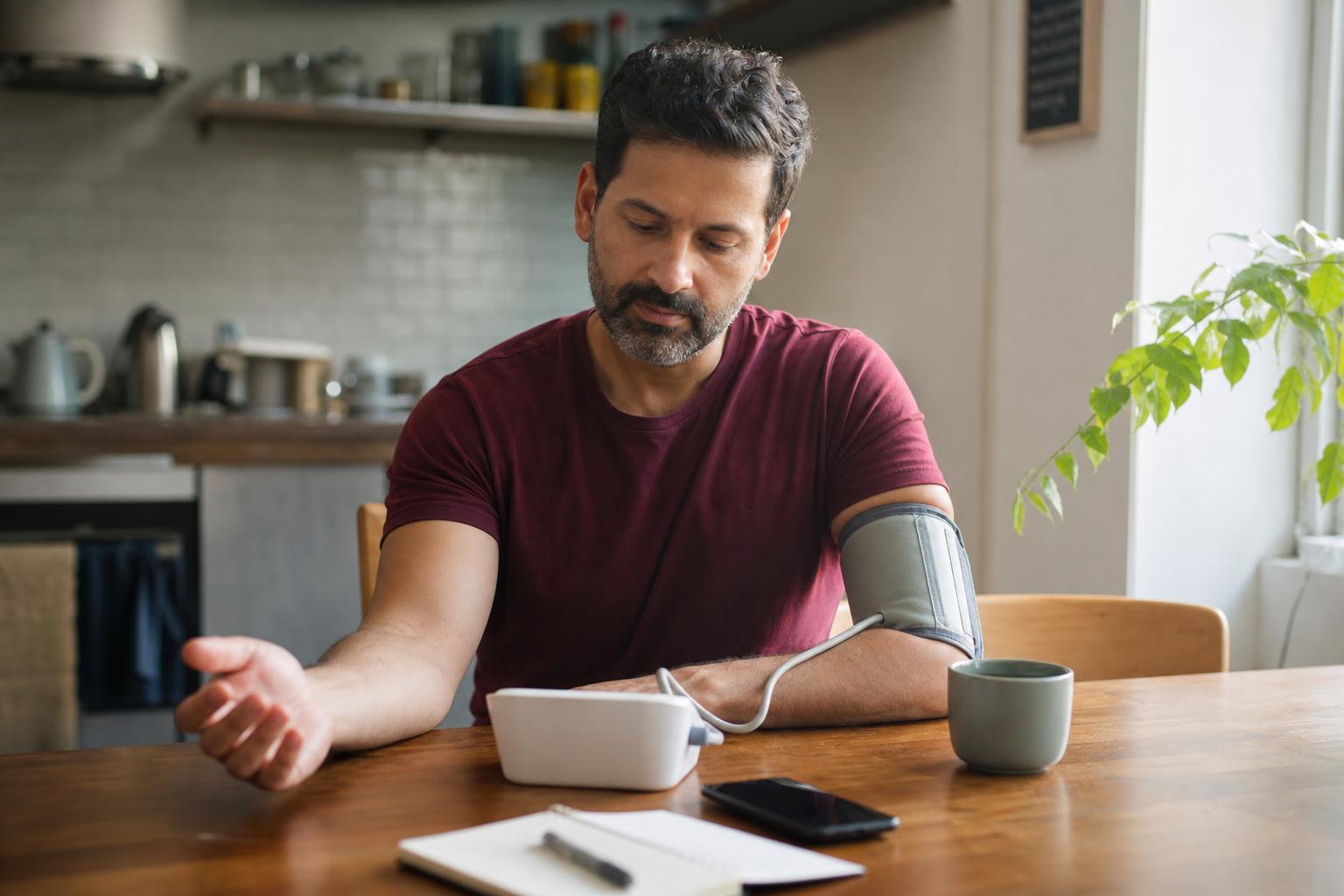
Morning Blood Pressure Routine: 7 Steps for Better Readings
Use this morning blood pressure routine to get cleaner home readings before coffee, breakfast, or medication timing muddies the picture.
How Long Do Blood Pressure Monitors Last?
How long blood pressure monitors last, what wears out first, and the signs it may be time to replace an unreliable home cuff.
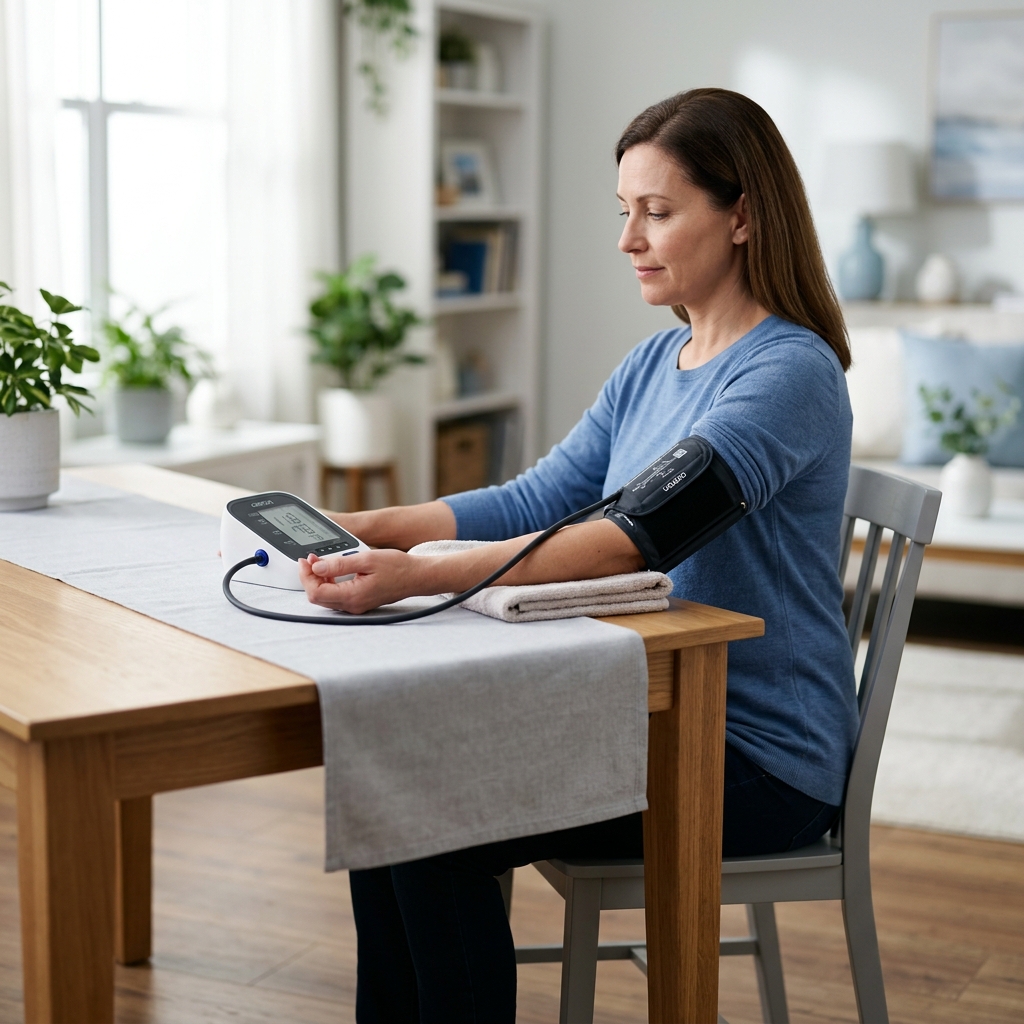
Irregular Heartbeat Symbol on a BP Monitor: What It Means
Saw a flashing heart or irregular heartbeat symbol on your blood pressure monitor? Learn what it may mean, how to repeat the reading, and when to call a clinician.
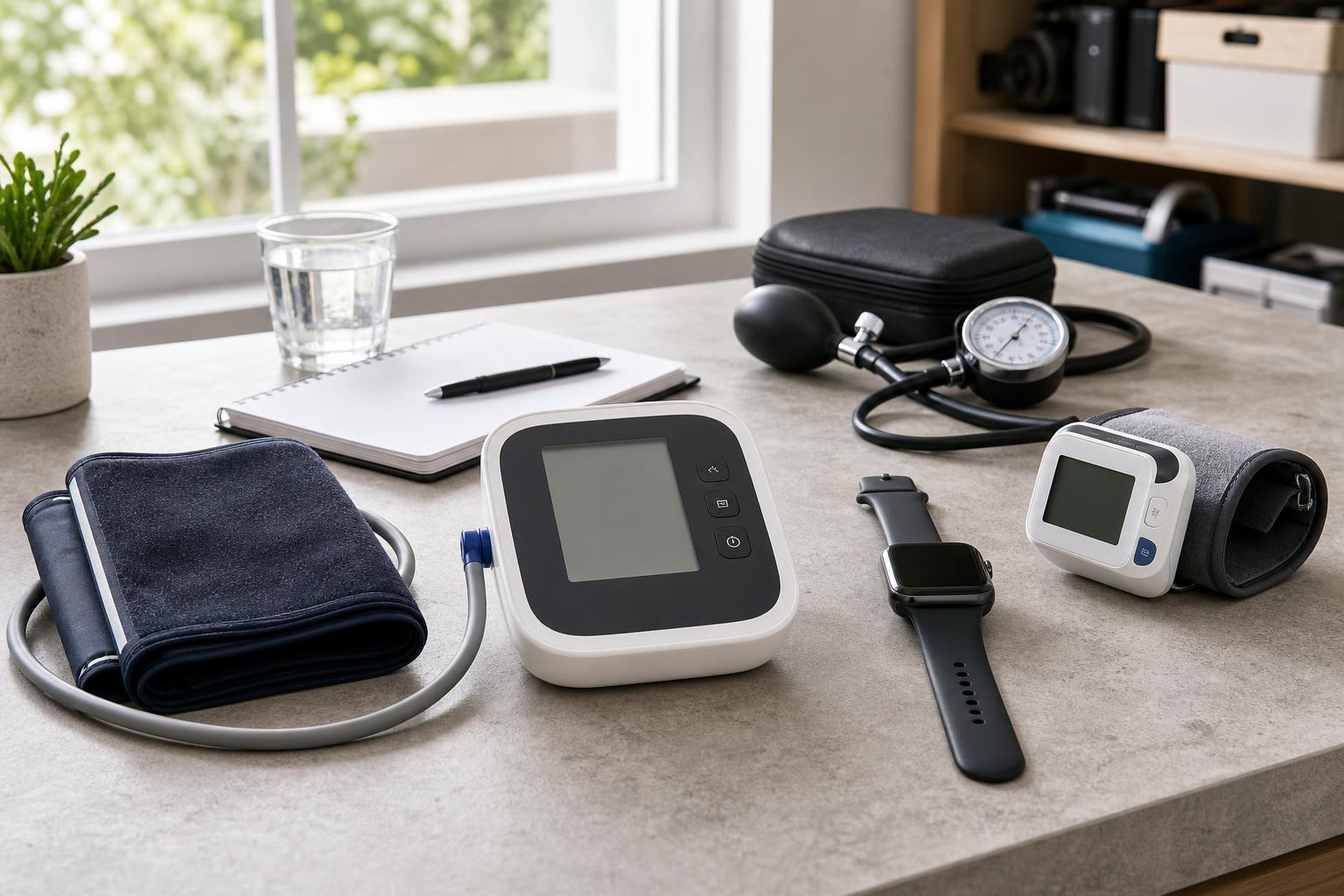
Are Cheap Blood Pressure Monitors Accurate in 2026?
Cheap blood pressure monitors can be accurate if they are validated and fit properly. Here is what low-cost models get right, and where they usually cut corners.
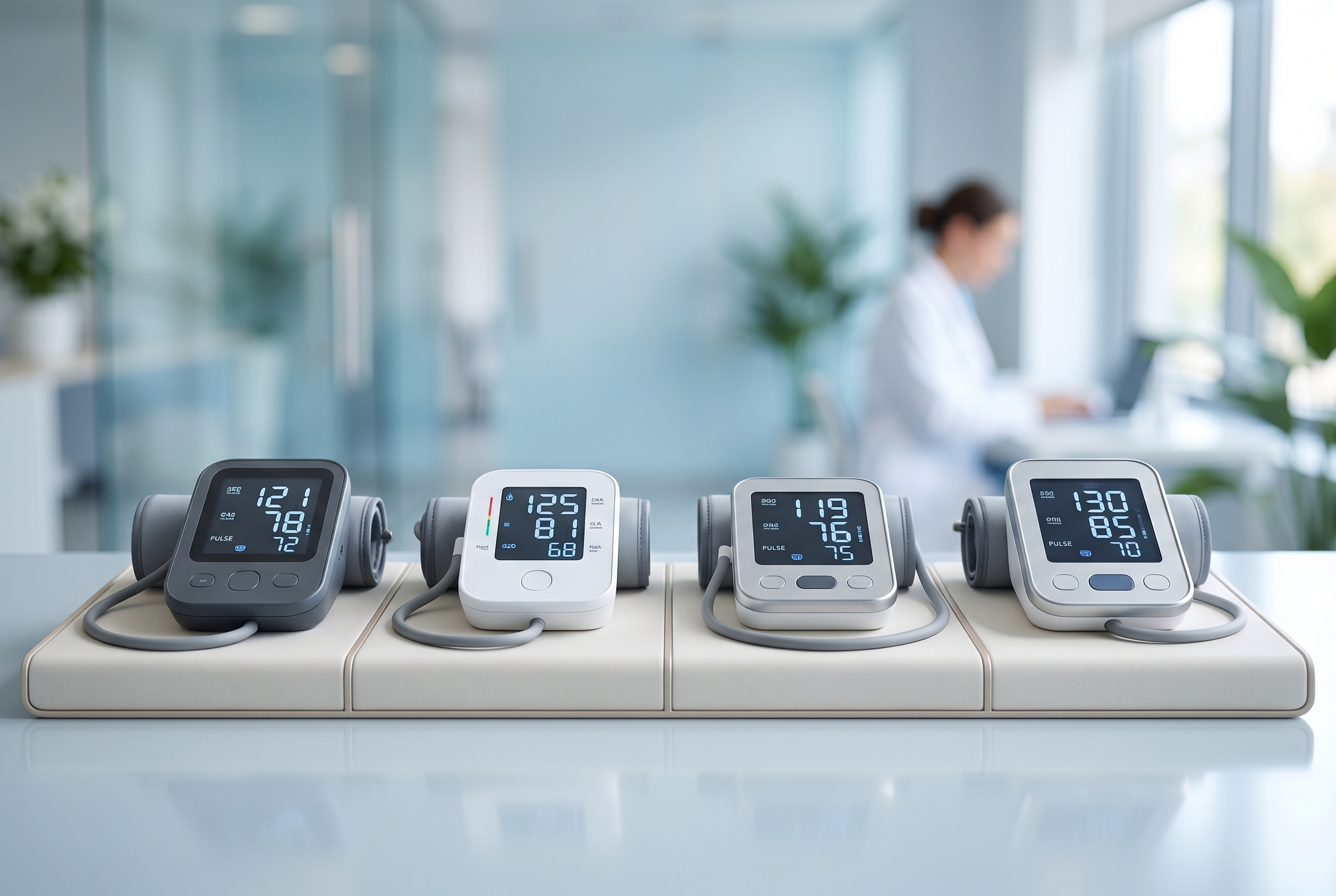
Blood Pressure Monitor Features Worth Paying For
Which blood pressure monitor features are worth paying for? Start with validation, cuff fit, averaging, and memory before extras like Bluetooth.
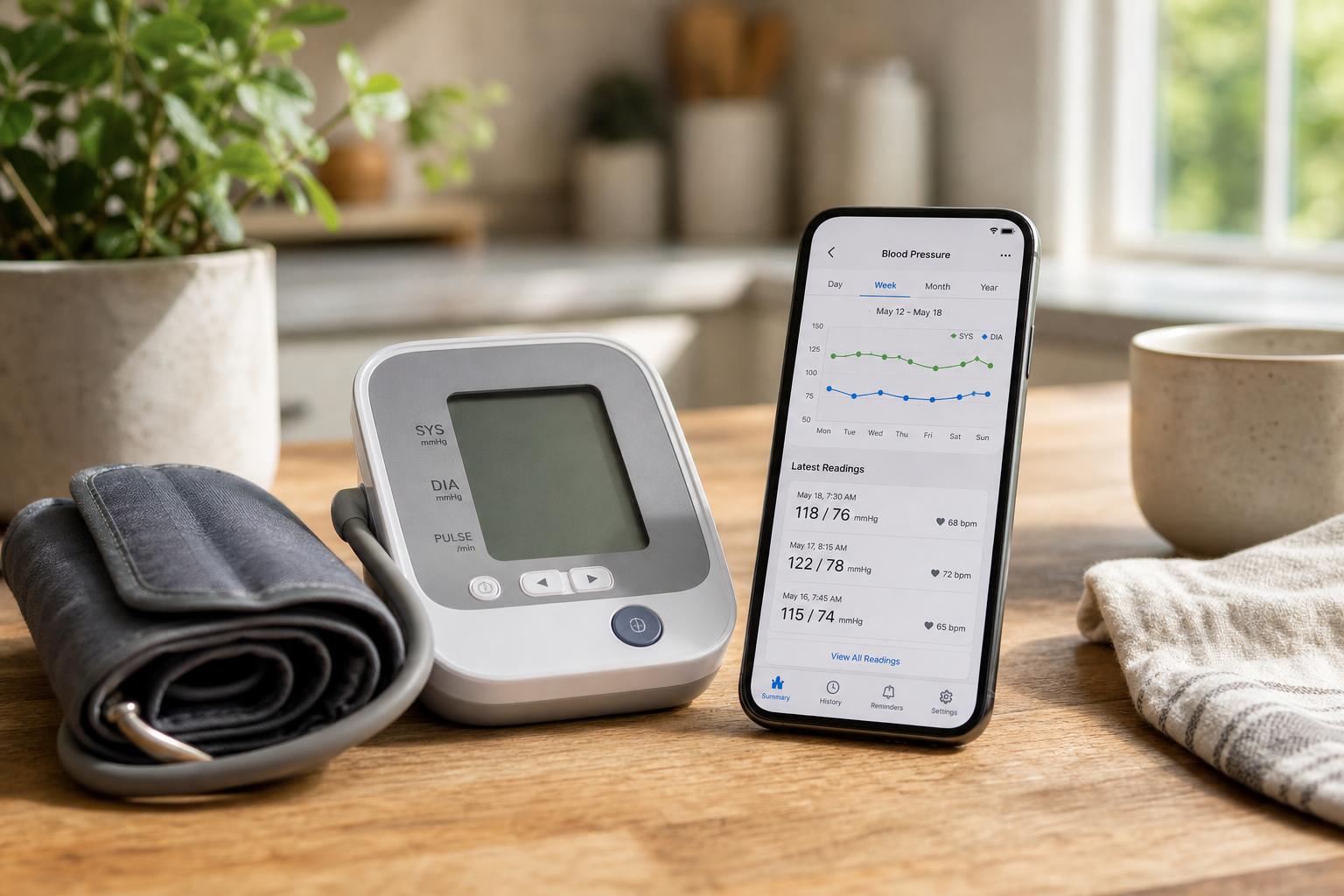
How to Read a Blood Pressure Log Like a Clinician
Learn how to read a blood pressure log, spot useful patterns, ignore noisy outliers, and know when your home readings are worth a doctor follow-up.
Do Home Blood Pressure Monitors Need Calibration?
Blood pressure monitor calibration matters, but most home users need verification and good technique more than a tune-up.
Why Is Blood Pressure Different in Each Arm? When It Matters
A small blood pressure difference between arms is common, but a persistent gap can matter. Learn what range is normal, what may cause it, and when to follow up.
Why the TrueVitals BP Log Stands Out for Simplicity and Ease of Use
Many blood pressure logs create too much friction to stick with. Here’s why the free TrueVitals BP Log stands out with no app download, no login, PDF email export, reminders, and private local-first tracking.
What Is Nocturnal Hypertension? Why High Blood Pressure at Night Matters
Nocturnal hypertension means your blood pressure stays too high while you sleep. Learn why it matters, who is at risk, and how home and ambulatory monitoring can uncover it.
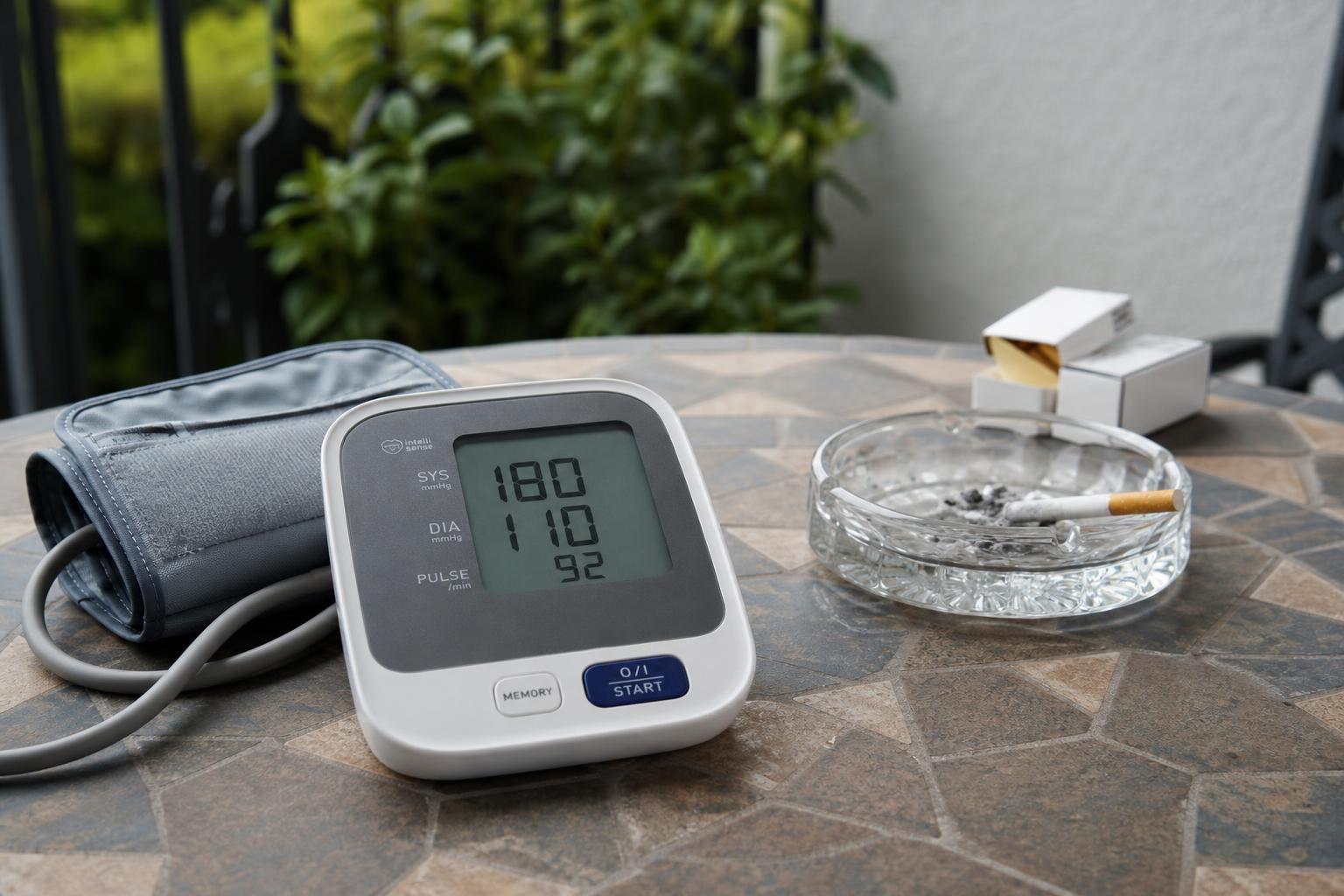
Does Smoking Raise Blood Pressure? What Nicotine Actually Does
Smoking raises blood pressure right away, and over time it increases cardiovascular risk even when single readings do not stay high all day.
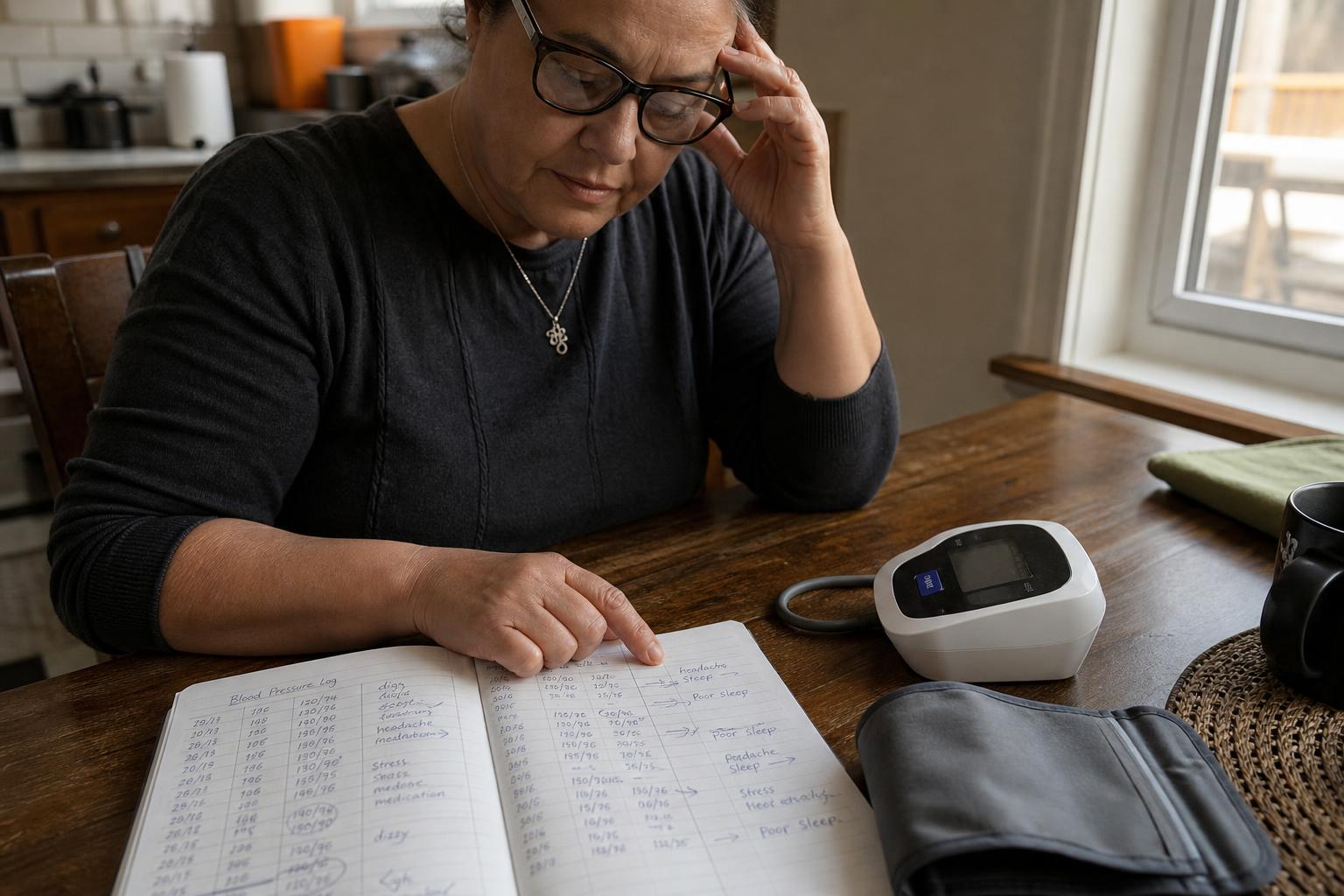
What Is Isolated Systolic Hypertension?
Isolated systolic hypertension means the top blood pressure number is high while the bottom number stays normal. Here's what it means, who gets it, and when to take it seriously.
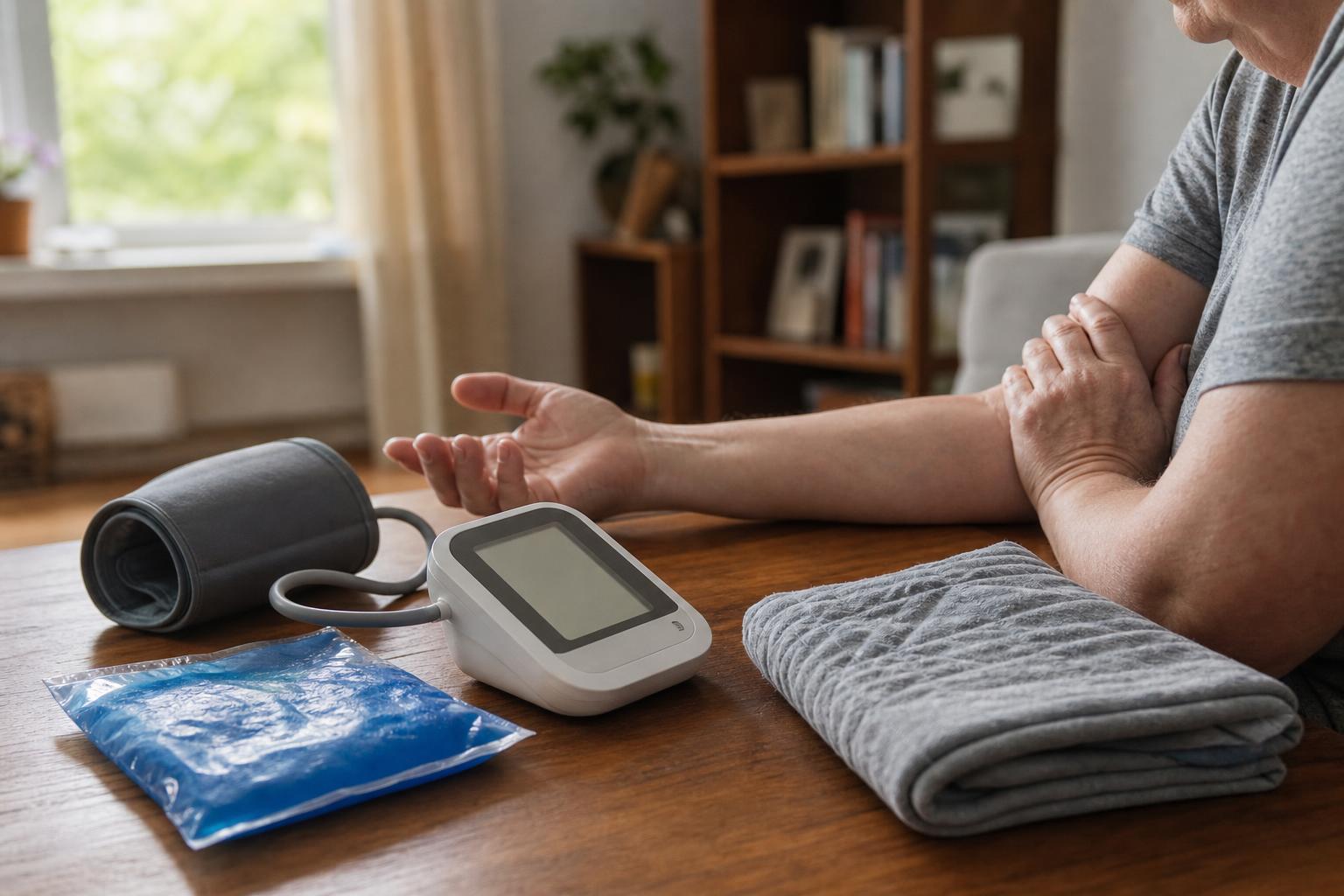
Can Pain Raise Blood Pressure? Yes, Usually Temporarily
Pain can raise blood pressure in the short term by activating the stress response, but it does not always mean you have chronic hypertension.
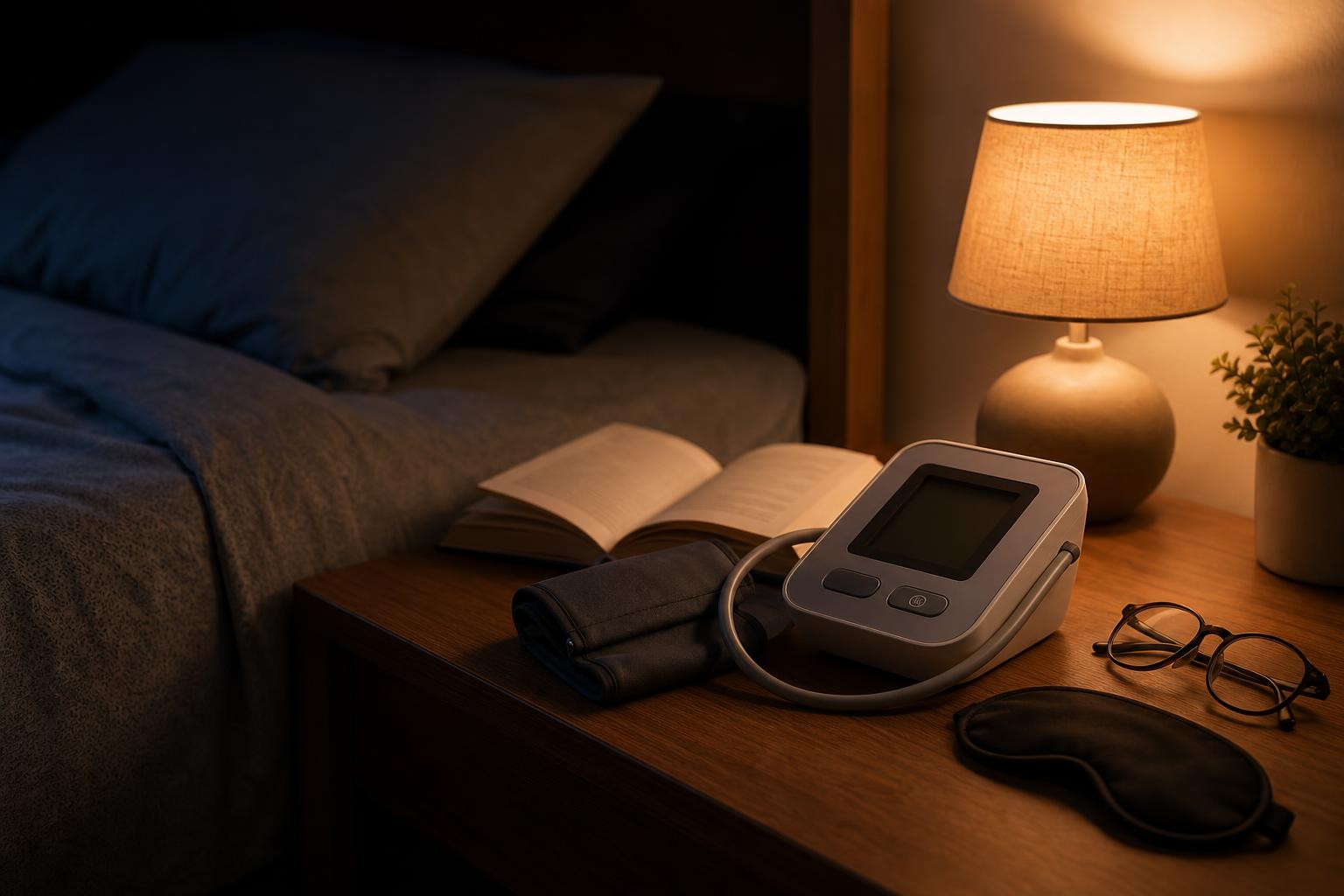
Does Poor Sleep Raise Blood Pressure? Yes, and the Effect Adds Up
Poor sleep can raise blood pressure the next day, and chronic sleep loss increases long-term hypertension risk. What sleep deprivation, insomnia, and sleep apnea do to your numbers.
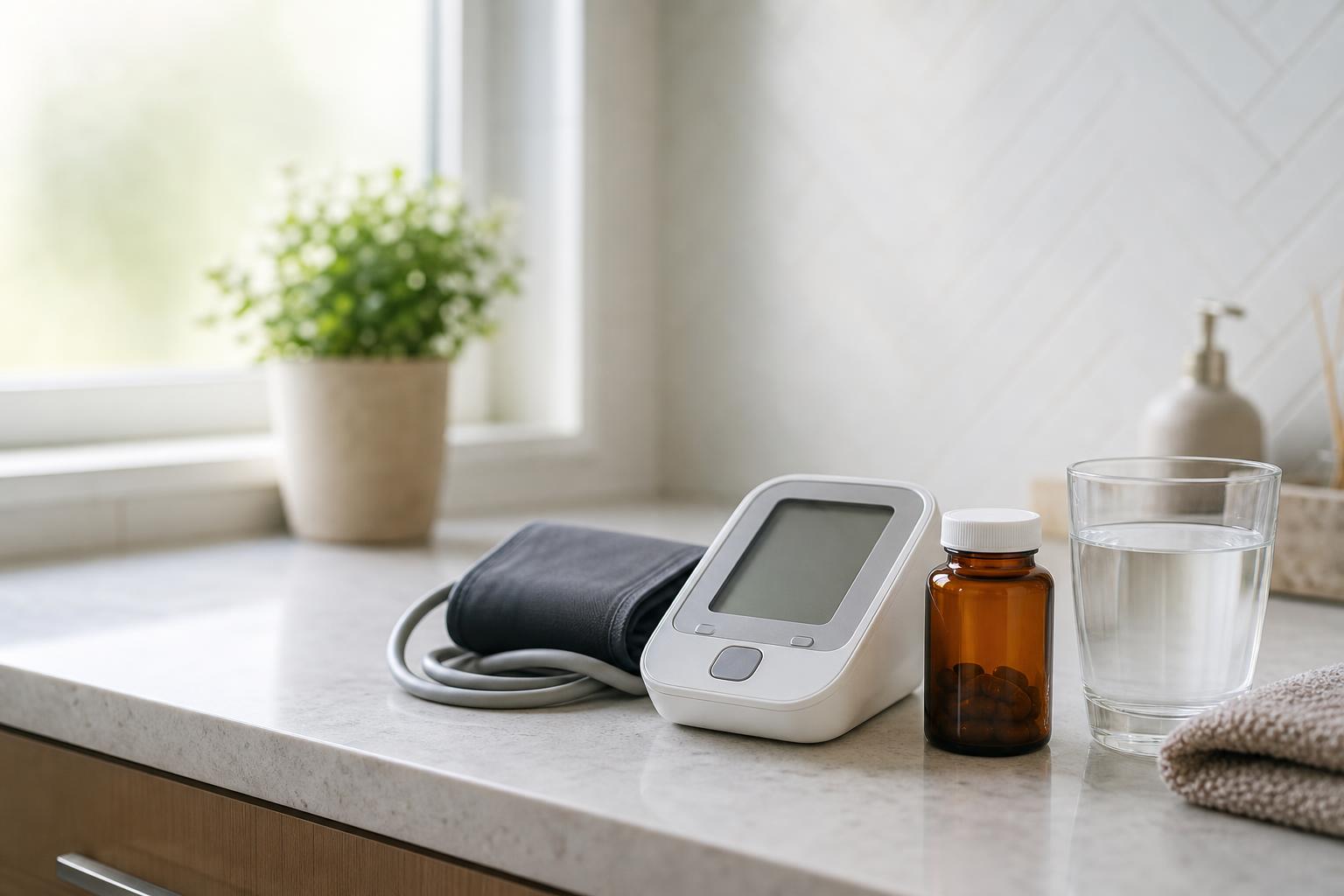
Does Ibuprofen Raise Blood Pressure? What the Evidence Actually Shows
Ibuprofen can raise blood pressure in some people, especially with regular use. Learn who is most at risk, how much readings can change, and when to check your blood pressure at home.
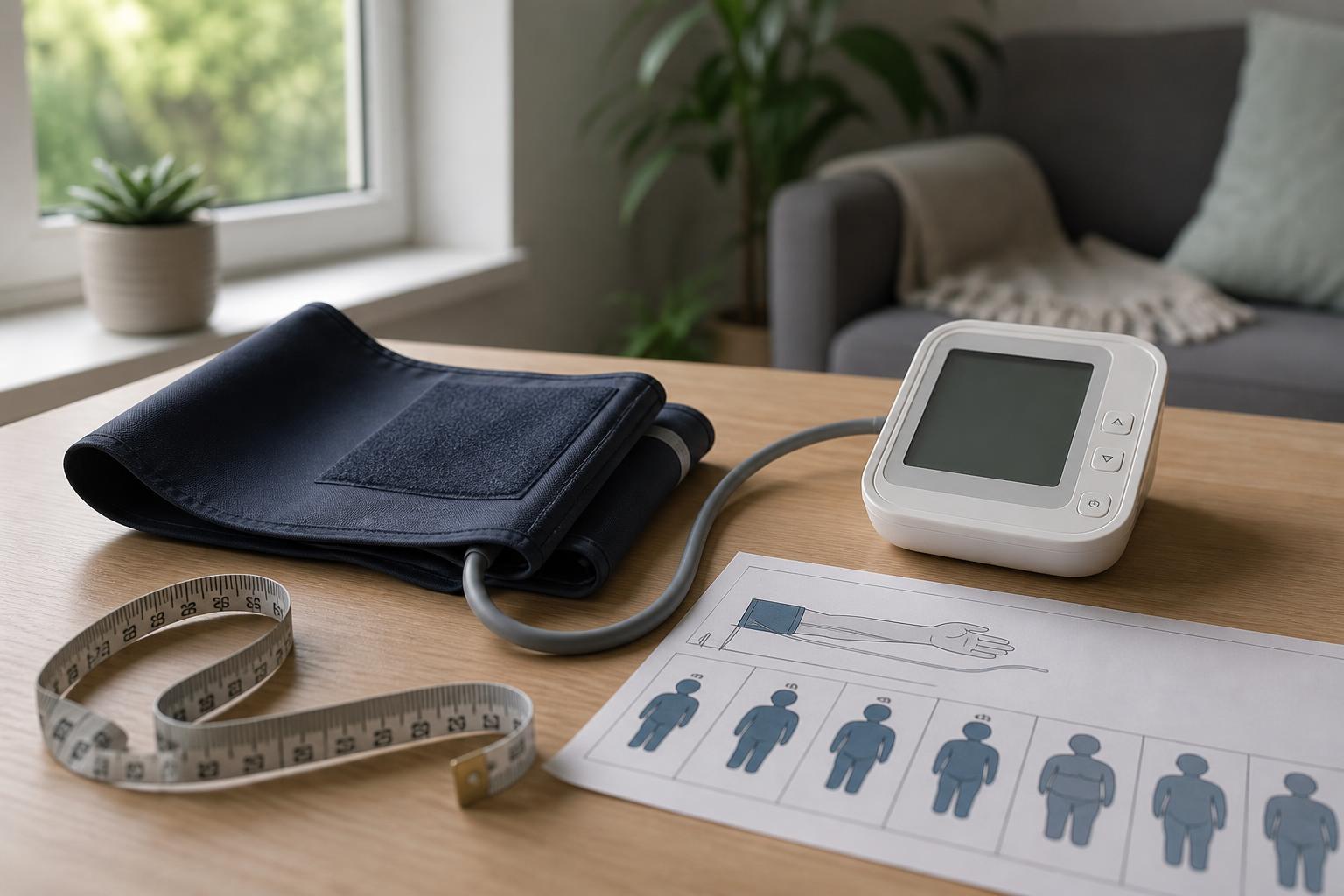
Blood Pressure Cuff Size Chart: What Size Cuff Do You Need?
Using the wrong blood pressure cuff size can skew readings by 5 to 20 mmHg. Here's how to measure your arm, match it to the right cuff, and avoid one of the most common home-monitoring mistakes.
Does Dehydration Raise Blood Pressure? What Usually Happens
Dehydration can affect blood pressure in both directions, but it more often contributes to low blood pressure, dizziness, and faster heart rate than sustained hypertension.
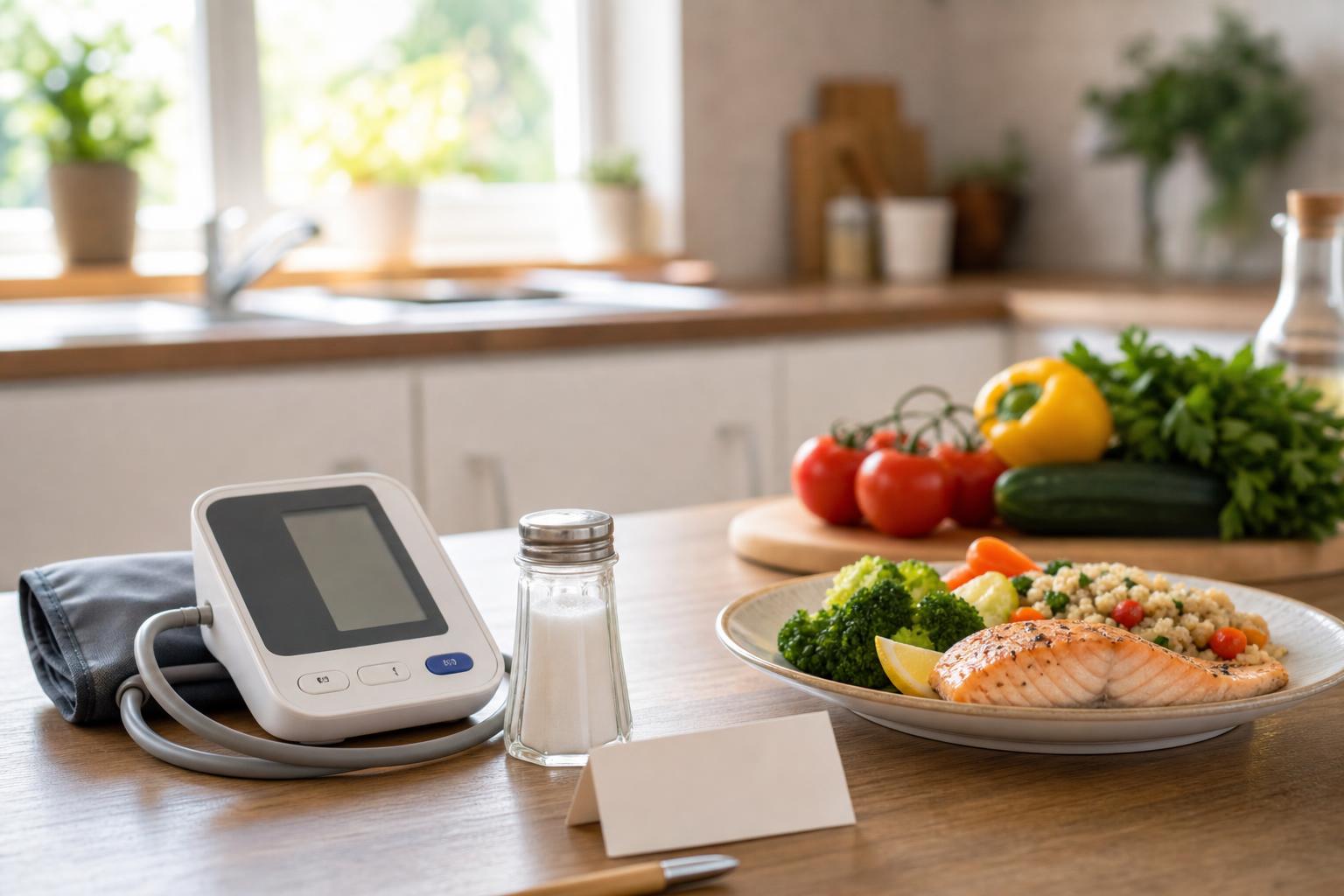
How Much Does Salt Raise Blood Pressure? The Science of Sodium and Hypertension
High sodium intake can raise blood pressure by 5-10 mmHg in salt-sensitive individuals. Learn how salt affects your BP, daily limits, hidden sodium sources, and practical reduction strategies.
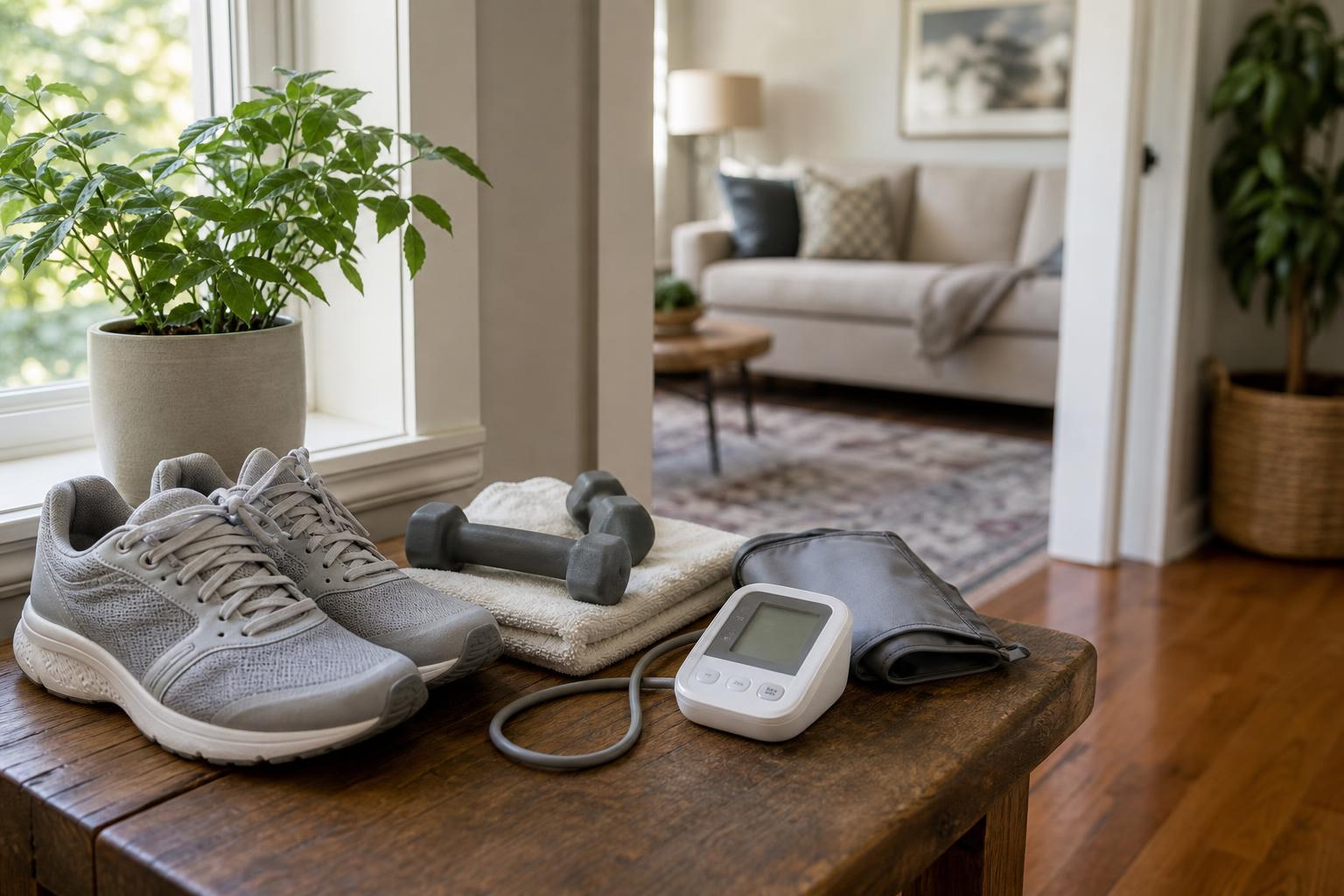
Does Exercise Lower Blood Pressure? What the Research Shows
Regular aerobic exercise can lower blood pressure by 5-8 mmHg—comparable to medication. Learn which exercises work best, how quickly results appear, and safe guidelines for hypertension.
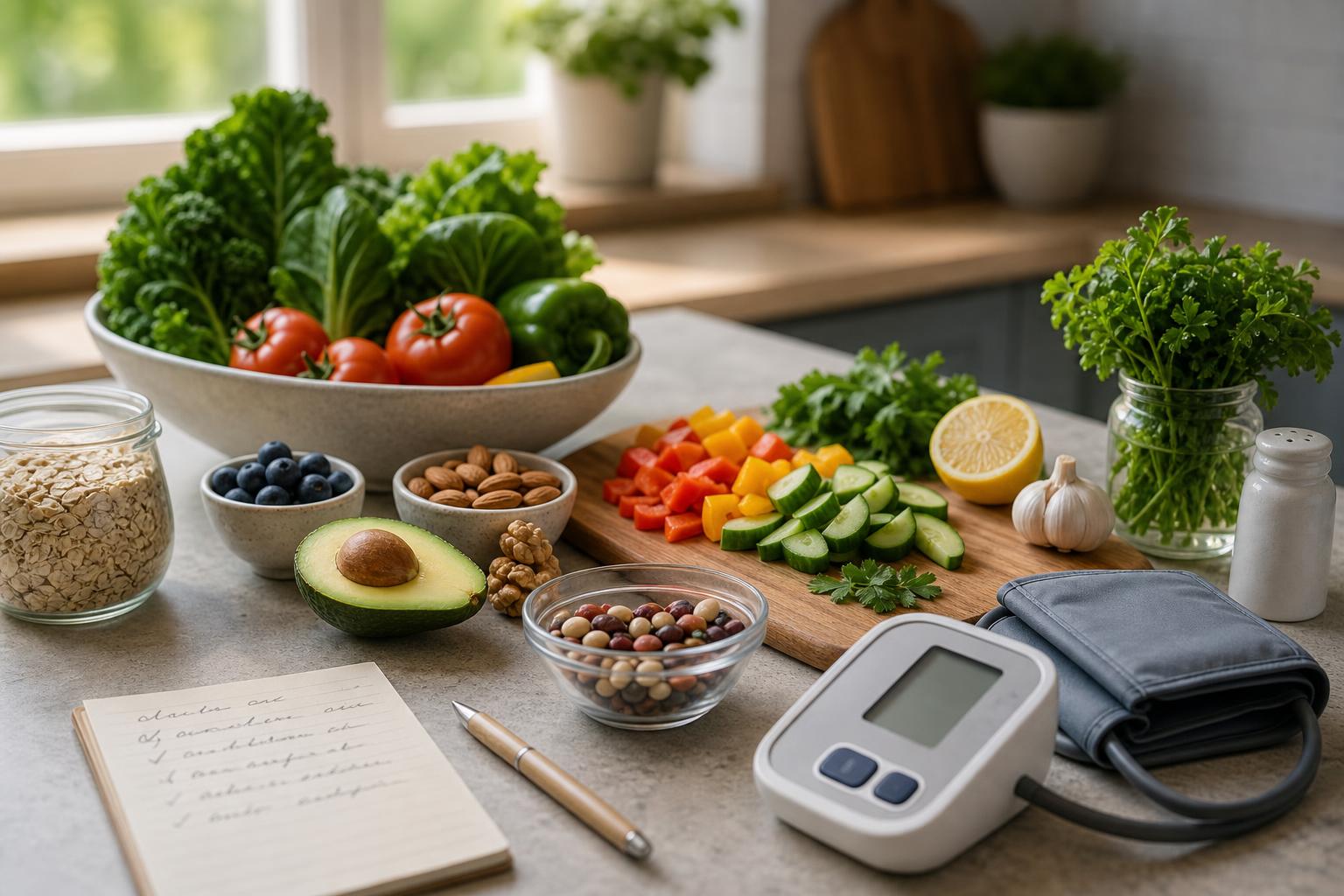
What Foods Lower Blood Pressure? The Evidence-Based List
Certain foods can meaningfully lower blood pressure when eaten consistently. Here's what works, what the research shows, and how to build meals around the strongest evidence.
Does Coffee Raise Blood Pressure? What the Science Shows
Coffee causes a temporary spike in blood pressure, but regular drinkers develop tolerance. What you need to know about caffeine and hypertension risk.
How to Lower Blood Pressure Naturally Without Medication: 7 Evidence-Based Strategies
Lifestyle changes can lower blood pressure by 10–20 mmHg — often enough to avoid or reduce medication. Here are the interventions with the strongest clinical evidence.
Can Stress Cause High Blood Pressure? What the Research Actually Shows
Stress temporarily spikes blood pressure, but can it cause chronic hypertension? The surprising science behind stress, cortisol, and cardiovascular risk.
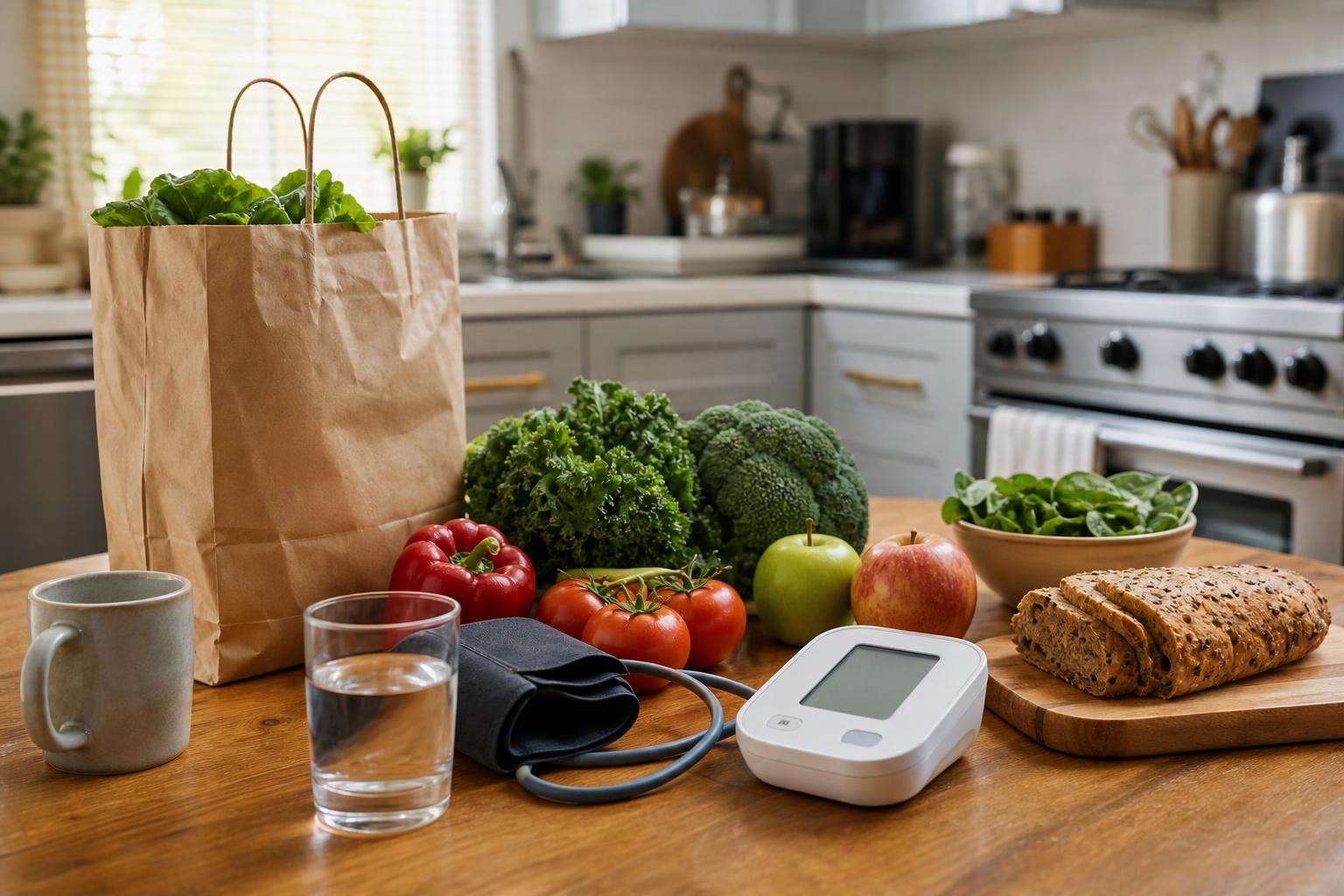
Does Alcohol Raise Blood Pressure? What the Research Says
Even moderate drinking can raise blood pressure — and the effect is dose-dependent, cumulative, and reversible. What you need to know about alcohol and hypertension.
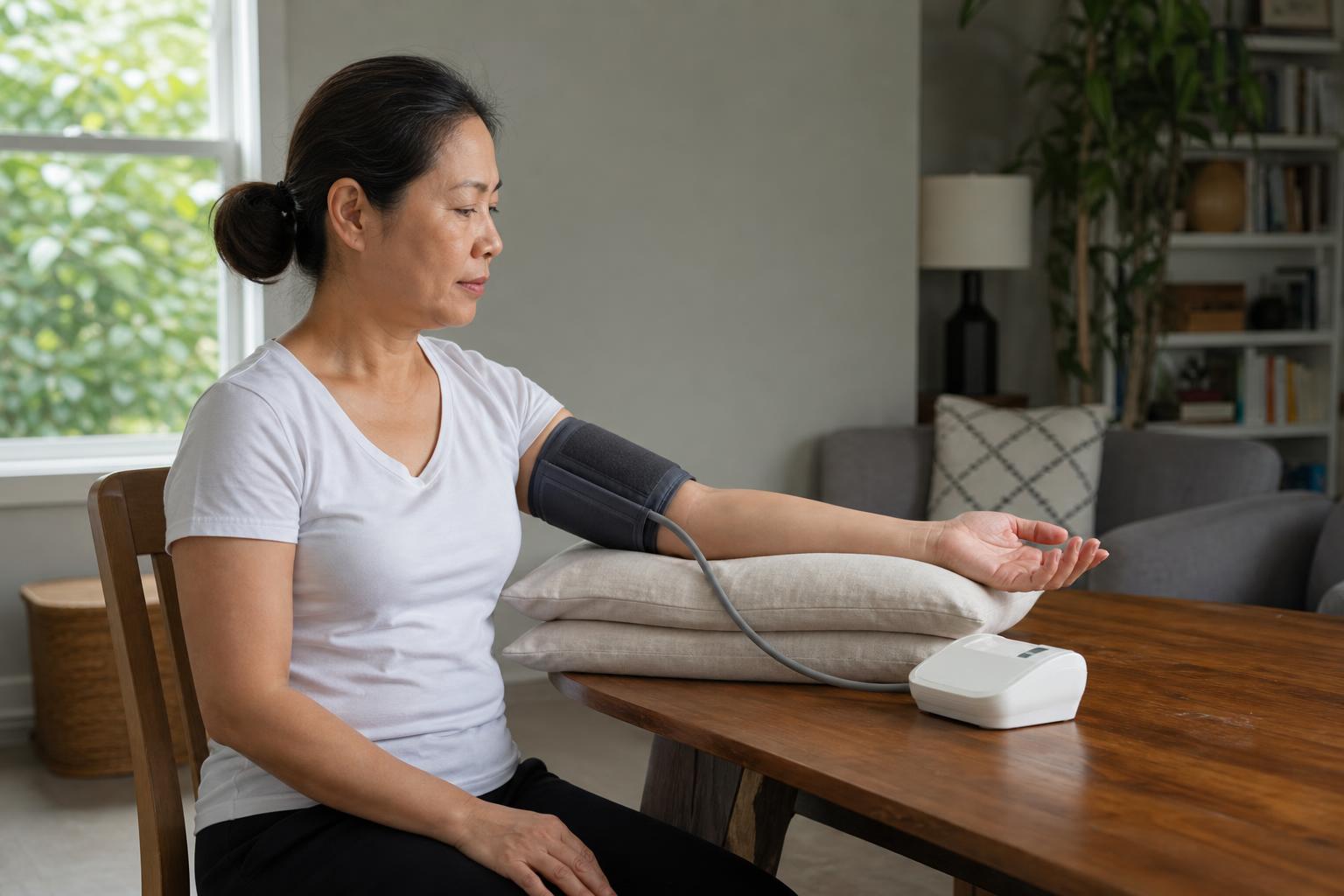
How to Position Your Arm for Accurate Blood Pressure Readings
Proper arm positioning can change your blood pressure reading by 10+ mmHg. Learn the correct height, angle, and support techniques for reliable home measurements.
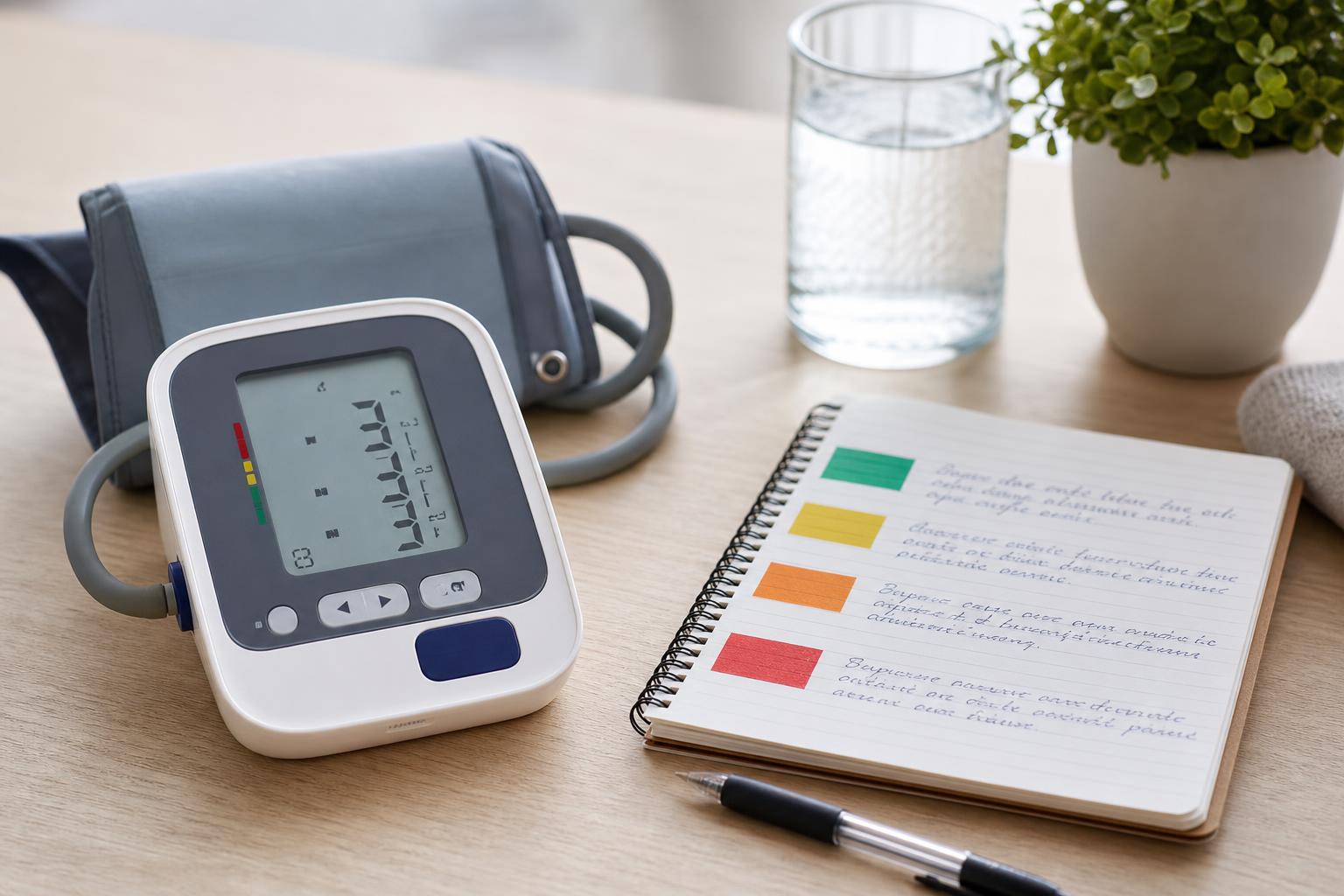
Blood Pressure Stages Explained: Normal, Elevated & Hypertension
What do blood pressure stages mean? Learn the difference between normal, elevated, stage 1 and stage 2 hypertension, plus when readings become a medical emergency.
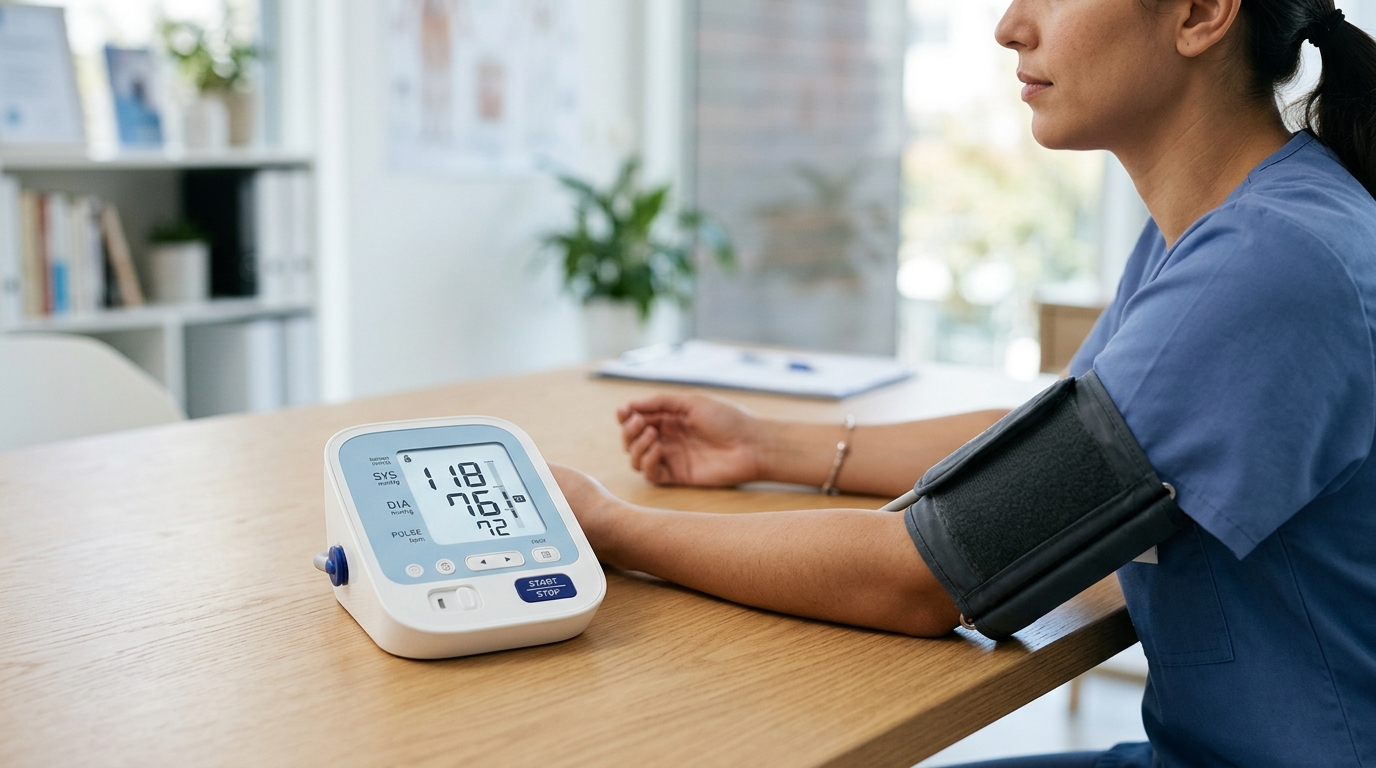
What Do Blood Pressure Numbers Mean? (Systolic vs Diastolic Explained)
Blood pressure is written as two numbers, like 120/80. But what does each number actually measure, and why do both matter? Here's what cardiologists want you to know.
Best Time of Day to Check Blood Pressure (And Why It Matters)
Your blood pressure changes throughout the day — sometimes by 30 mmHg or more. When you measure affects what you see. Here's the timing protocol clinicians actually recommend.
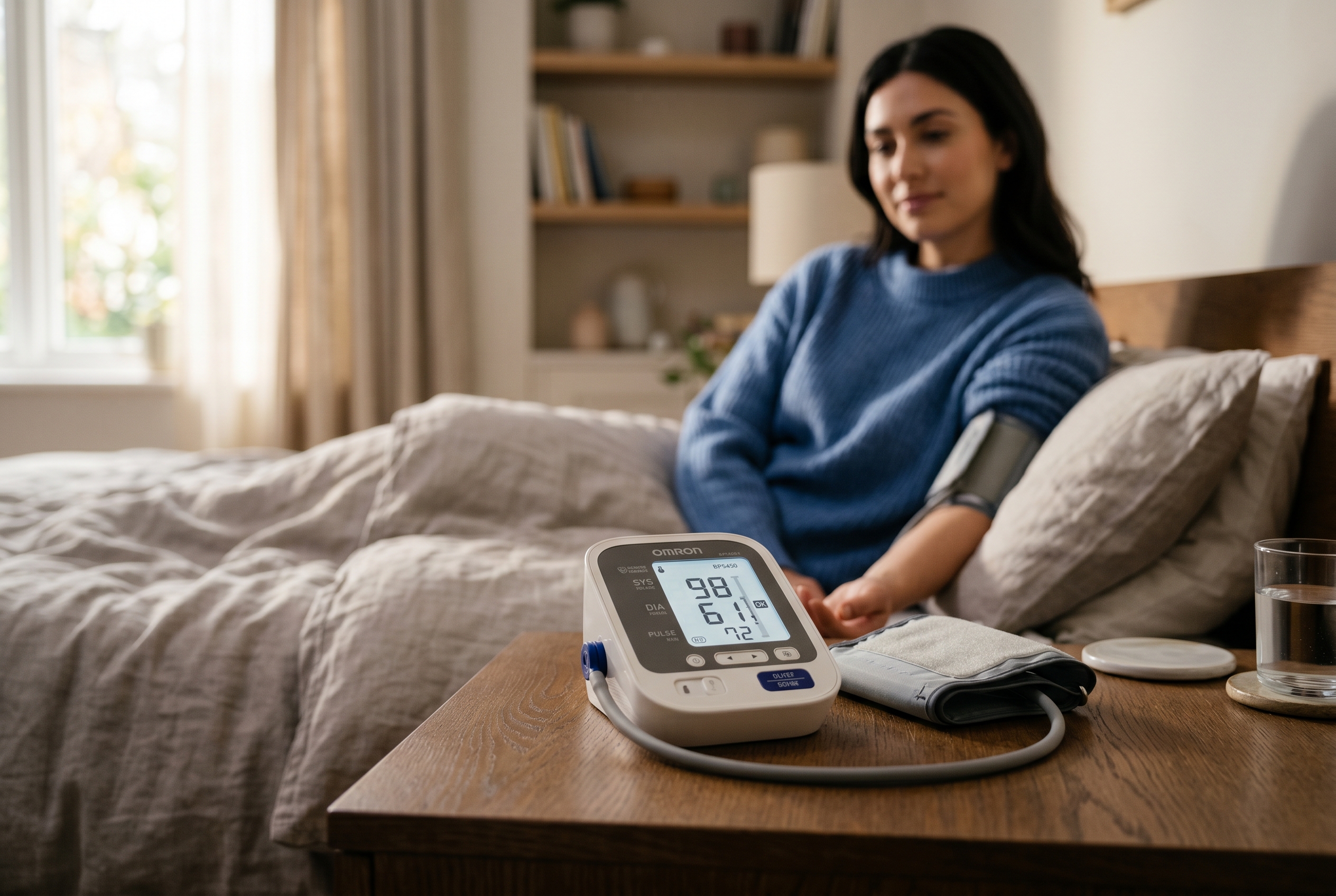
When to Worry About Low Blood Pressure (And When It's Normal)
Low blood pressure isn't always a problem — but certain patterns need attention. How to tell the difference between healthy low readings and hypotension that matters.
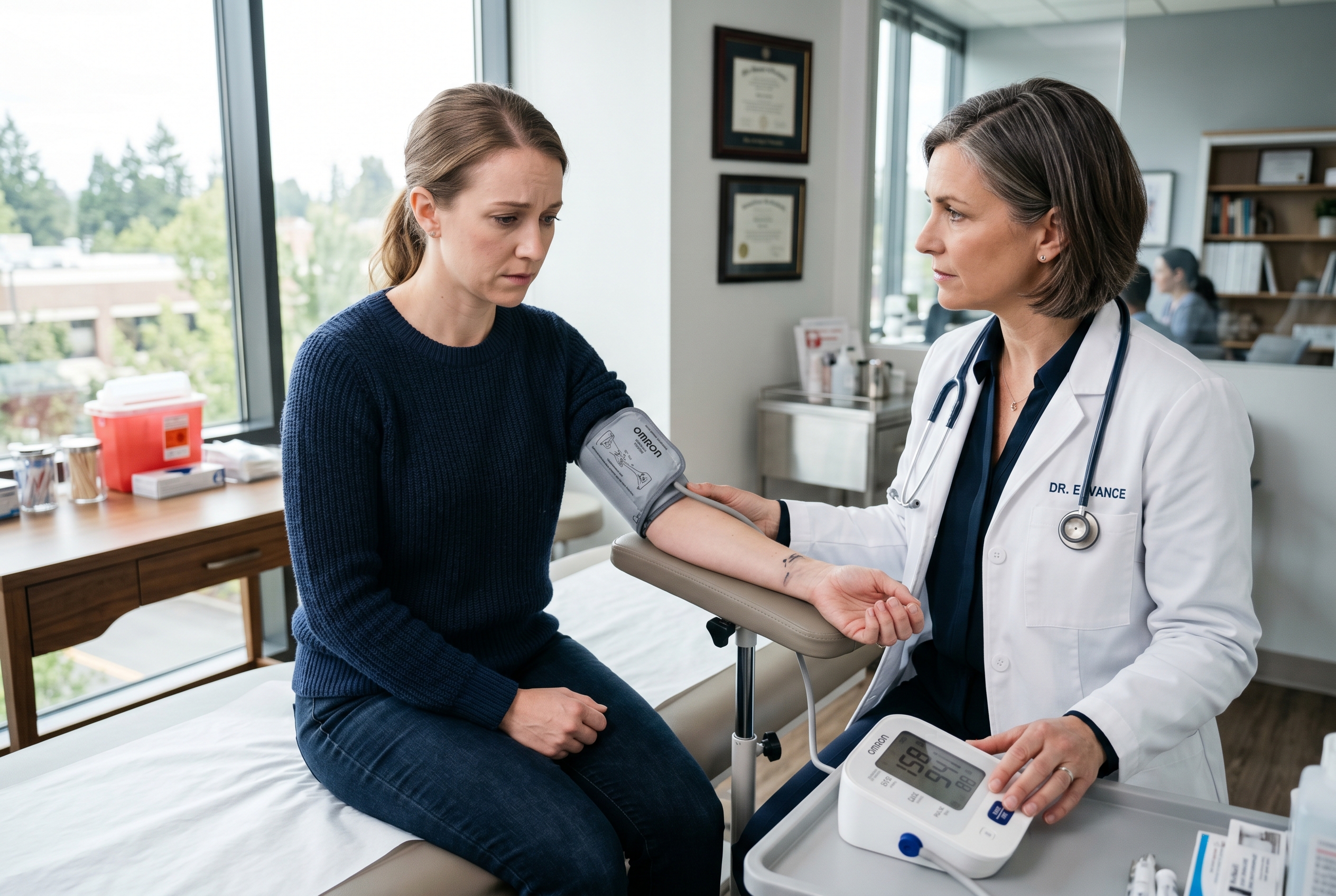
What Is White Coat Hypertension?
Why blood pressure can read high at the doctor's office but stay normal at home, and what that means for diagnosis and treatment.
Why High Blood Pressure Damages Your Body
Why high blood pressure is dangerous, how it quietly damages arteries and organs, and why hypertension raises stroke, heart, and kidney risk.
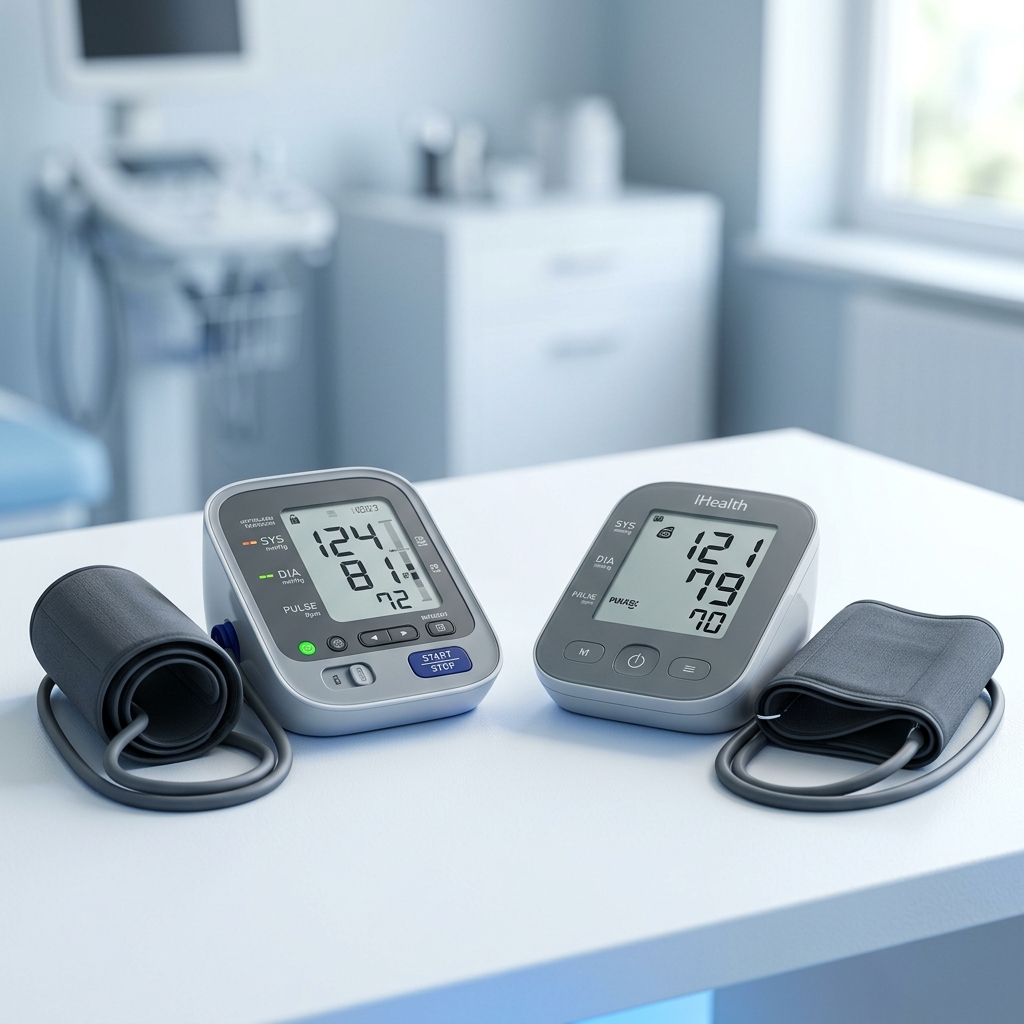
Omron vs iHealth Blood Pressure Monitors
Omron and iHealth both make popular home blood pressure monitors, but they differ meaningfully in validation history, app quality, and long-term trust.
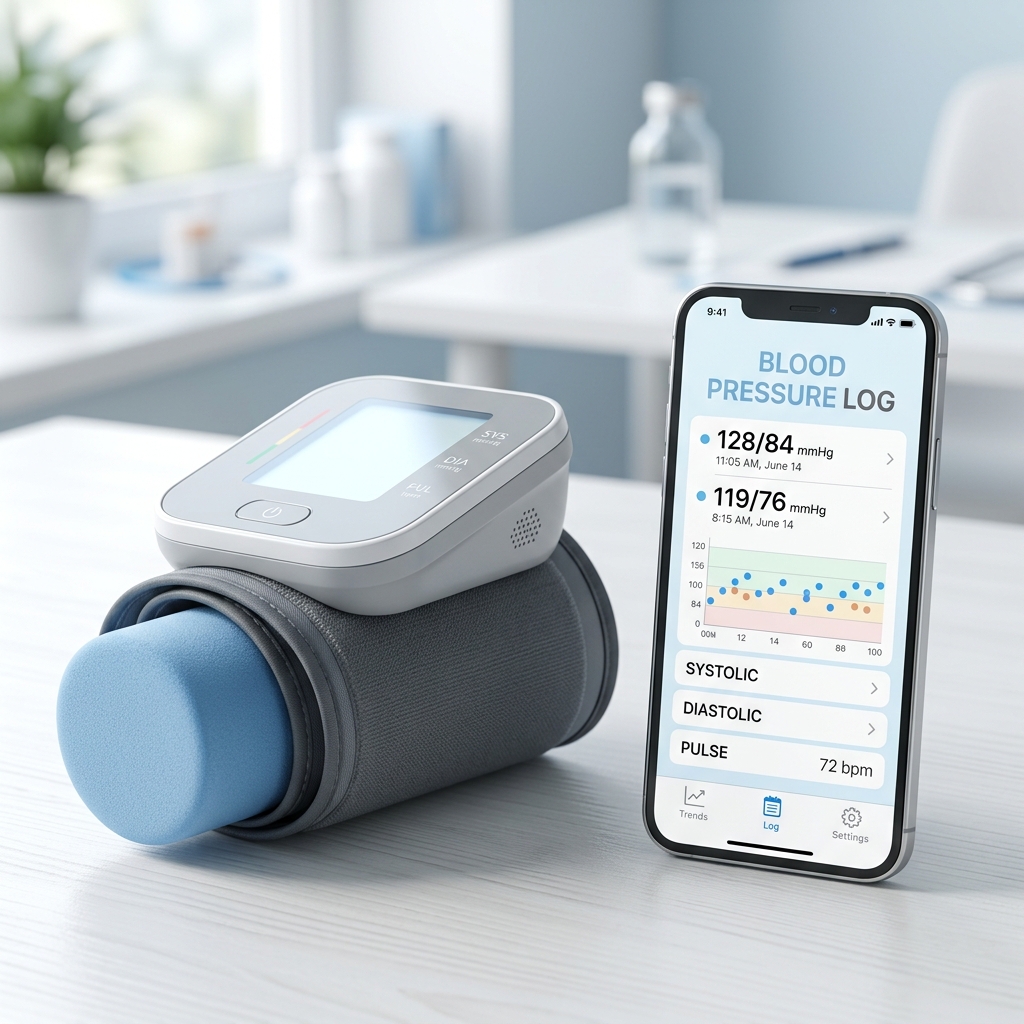
Best Bluetooth Blood Pressure Monitors
The best Bluetooth blood pressure monitors combine validated accuracy with app sync that is reliable enough to be worth using.
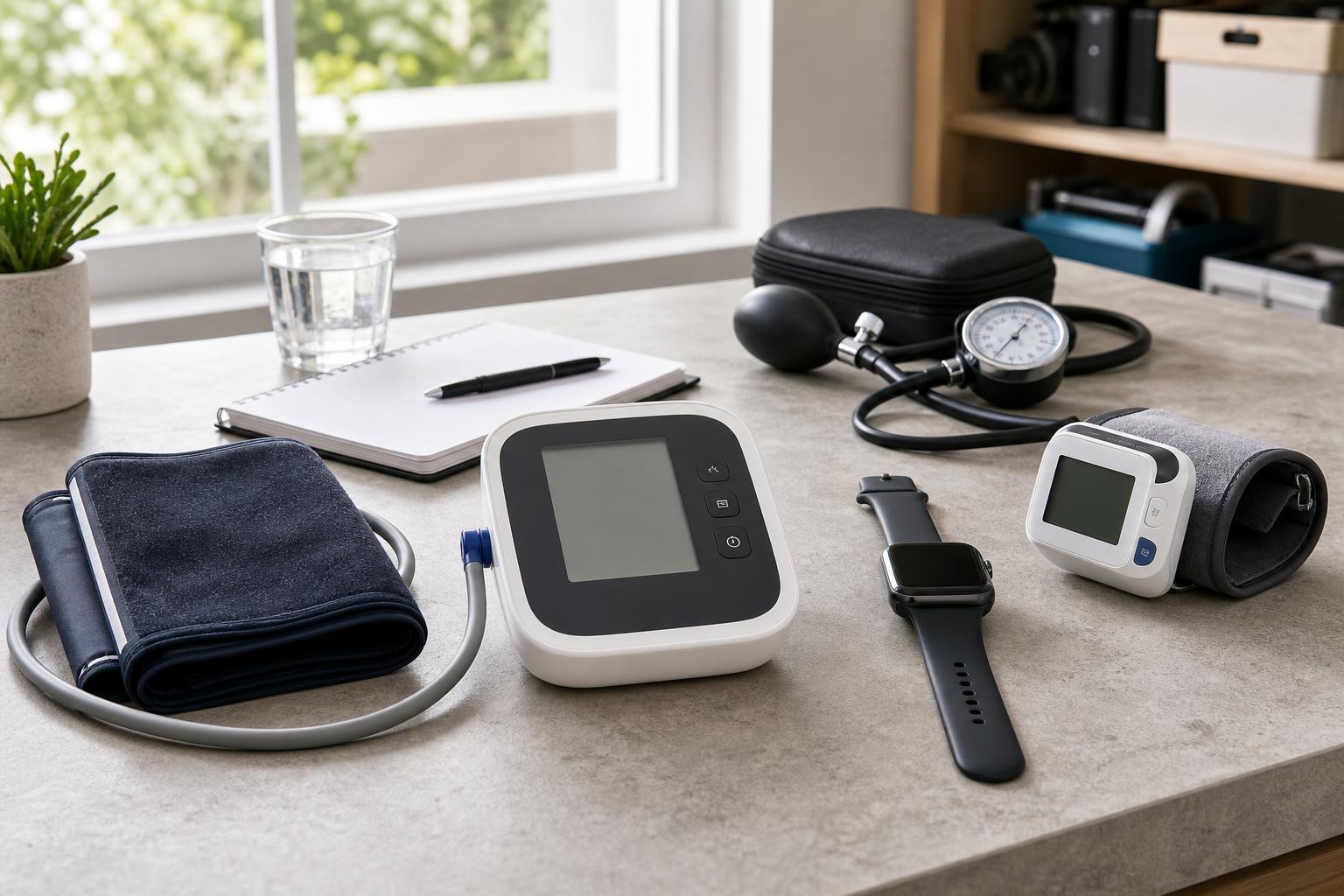
Why Cuff Monitors Are Still the Most Accurate Option
Why cuff-based blood pressure monitors are still the most accurate home option, and why cuffless or wrist-based alternatives still struggle to match them.
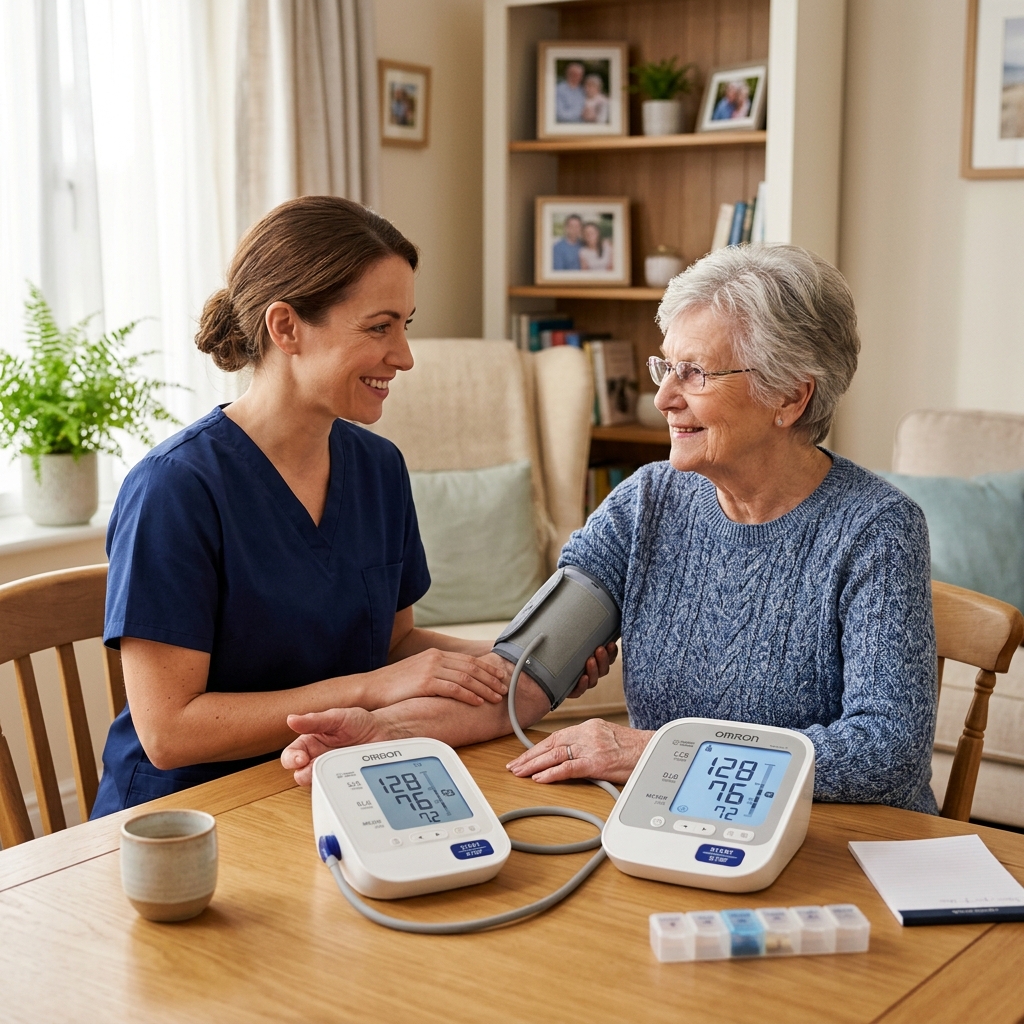
Best Blood Pressure Monitors for Seniors
The best blood pressure monitors for seniors prioritize readable displays, easy cuffs, and clinically validated accuracy over flashy extras.
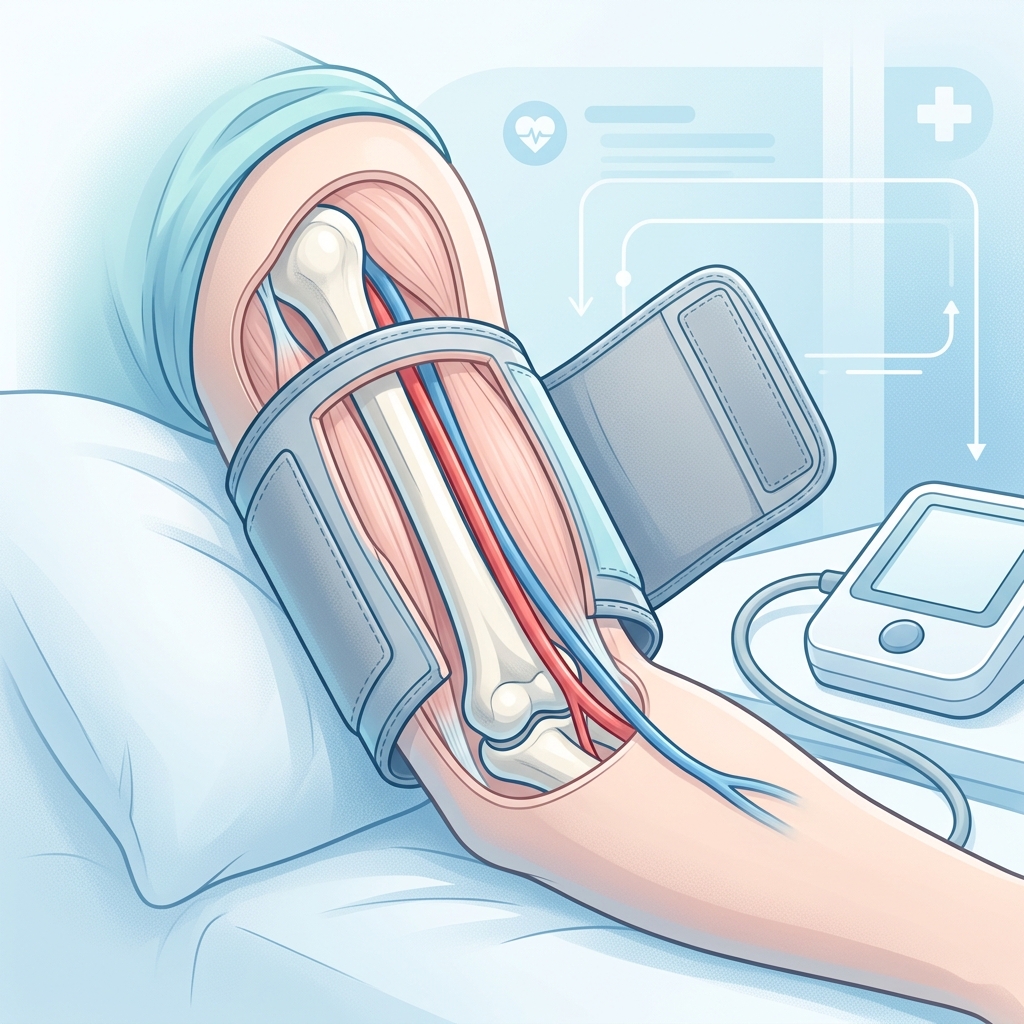
How a Blood Pressure Monitor Works
How a blood pressure monitor works, step by step, from cuff inflation to systolic and diastolic readings, with a visual explanation of why technique matters.
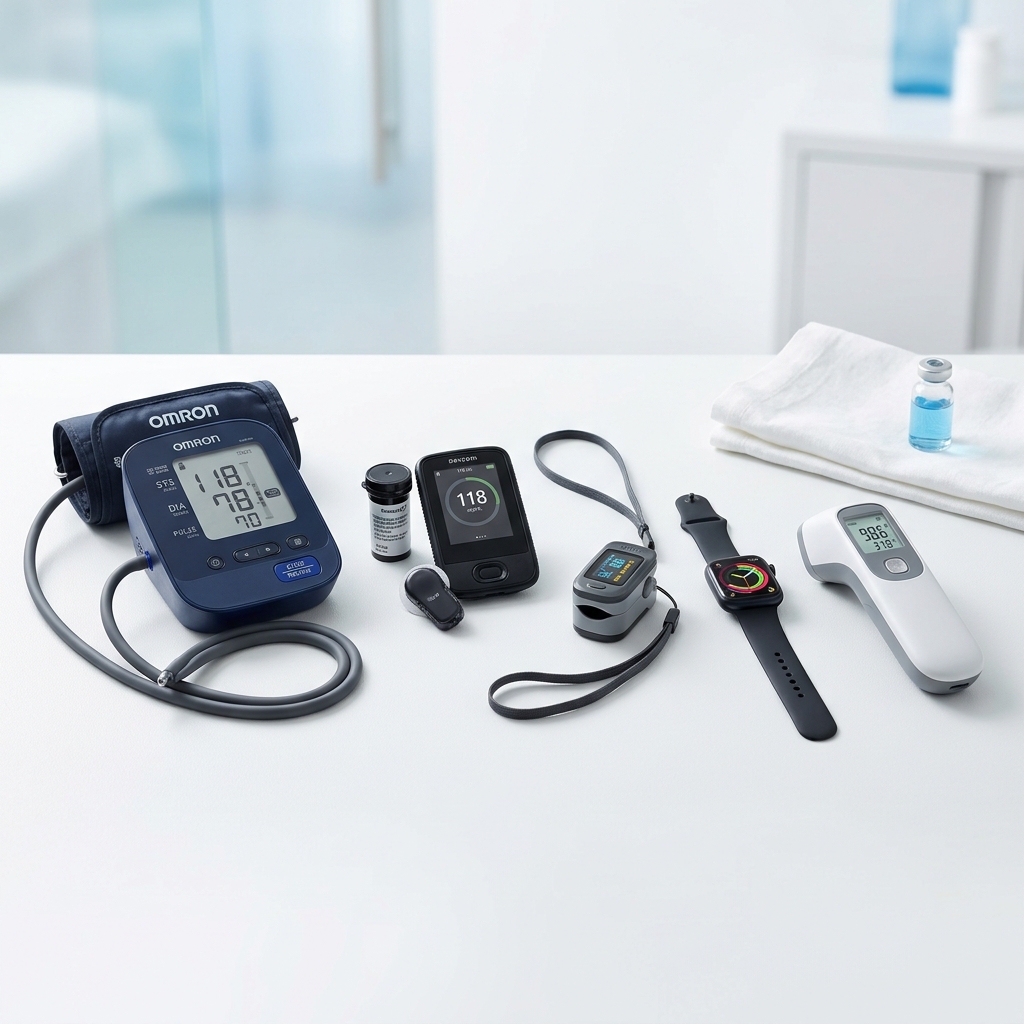
How to Compare Home Health Monitors Without Getting Misled
Most product pages for home health devices are built to sell, not to inform. Here are the signals that separate a trustworthy monitor from a marketing exercise.
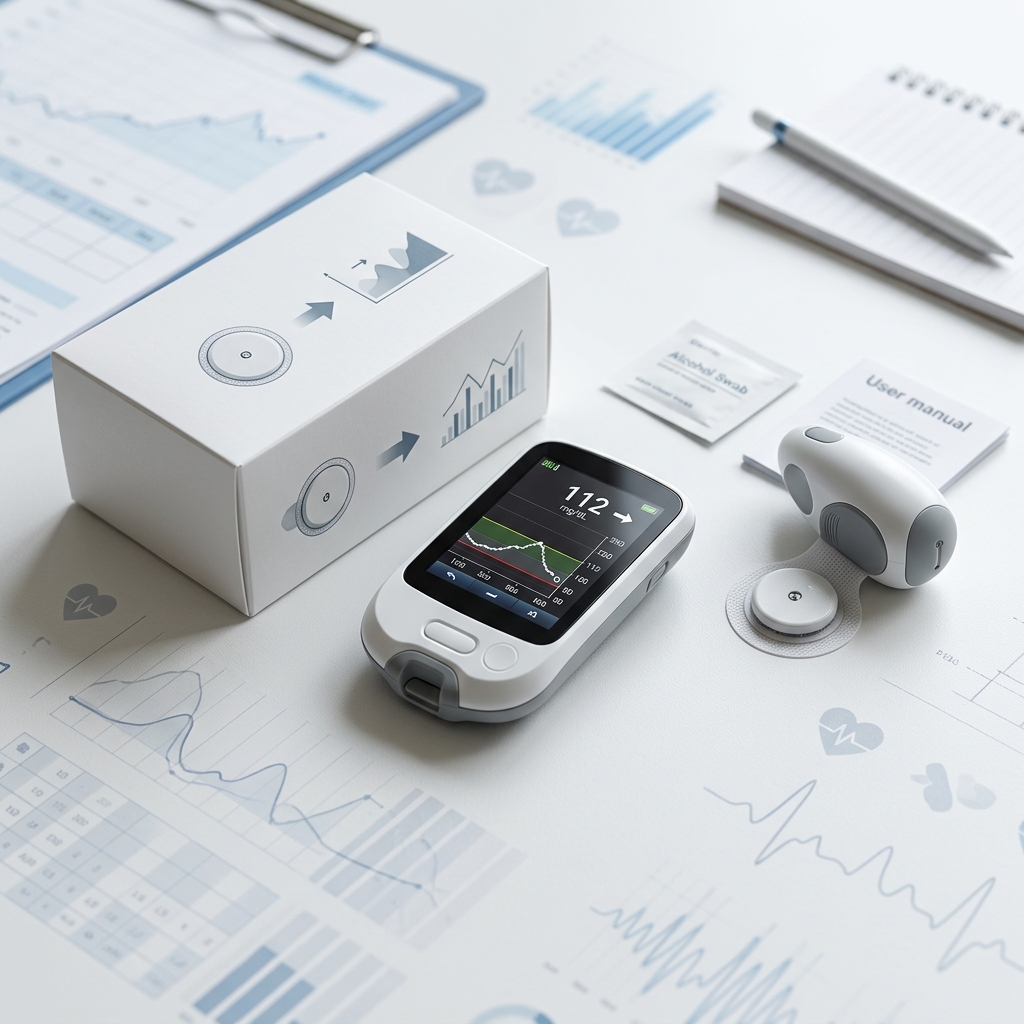
What to Look For in a Home Glucose Monitor
Strip-based meters and continuous glucose monitors serve different needs. Here's how to match the device to your goals — and the specs that actually matter.
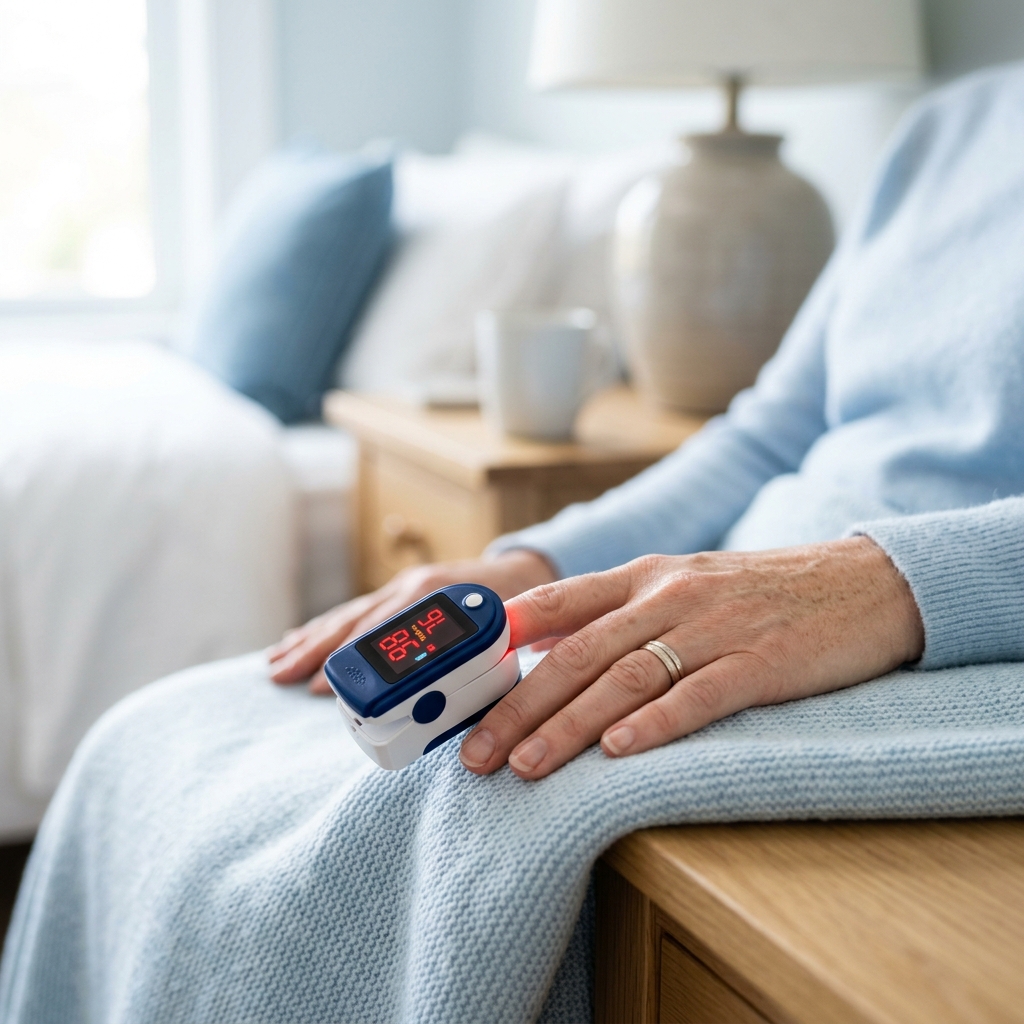
How Accurate Are Pulse Oximeters at Home?
Home pulse oximeters can be useful for spot checks, but their accuracy depends on device quality, circulation, skin tone validation, and correct use.
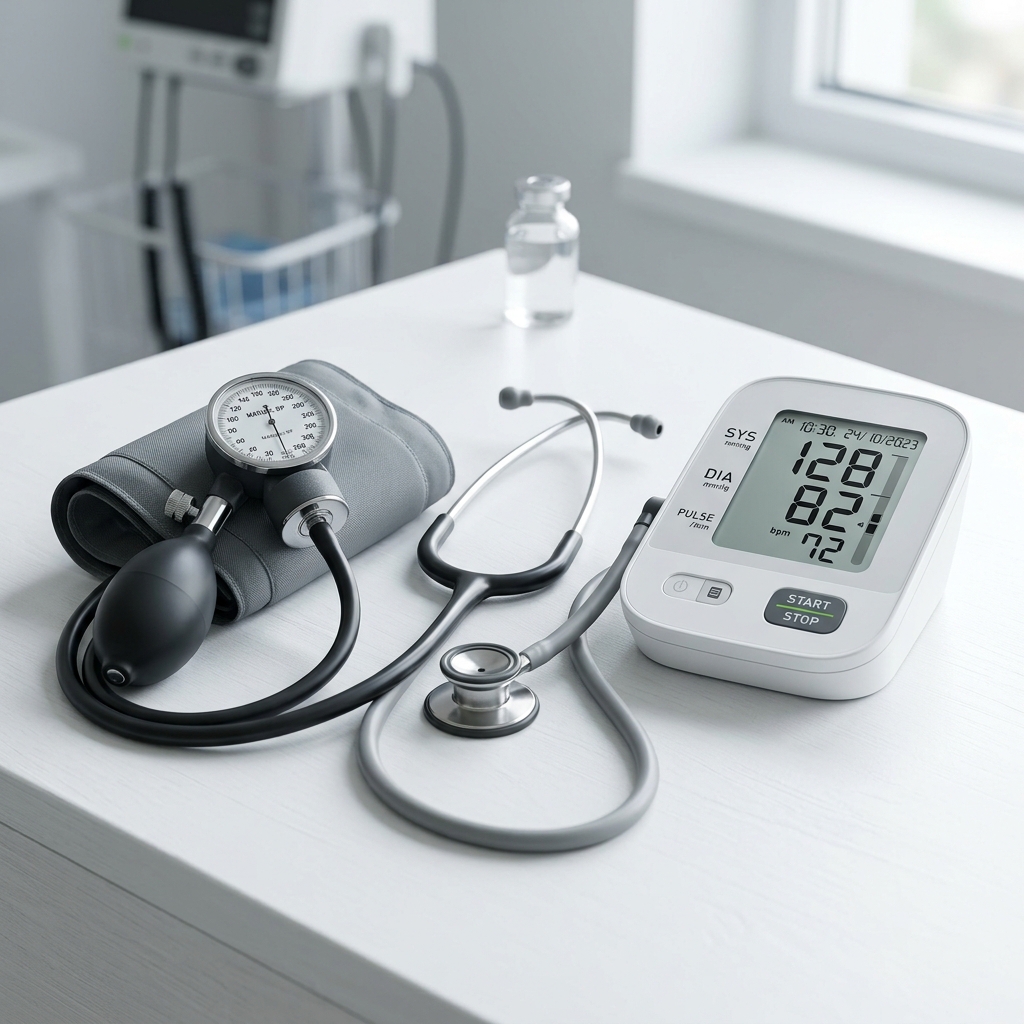
Manual vs Automatic Blood Pressure Monitor: Which to Buy
Manual vs automatic blood pressure monitor, explained. See which type is more accurate, easier to use, and better for most home users.
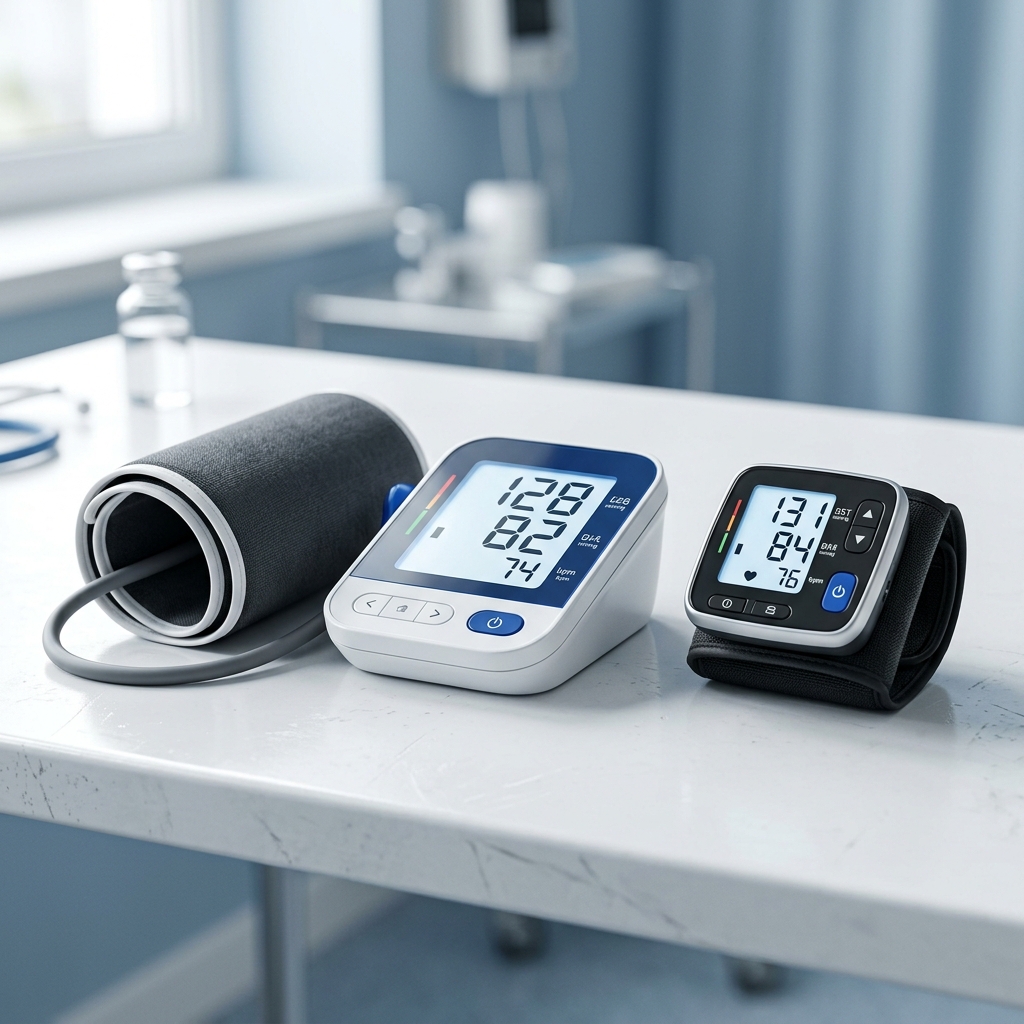
Upper Arm vs Wrist Blood Pressure Monitors: Which Is More Accurate?
Wrist blood pressure monitors are convenient but prone to positioning errors that can skew readings by 10+ mmHg. Here's when each form factor makes sense.
Why Your Blood Pressure Changes All Day
Blood pressure naturally rises and falls throughout the day. The useful number is usually the average trend, not the single reading that startled you.
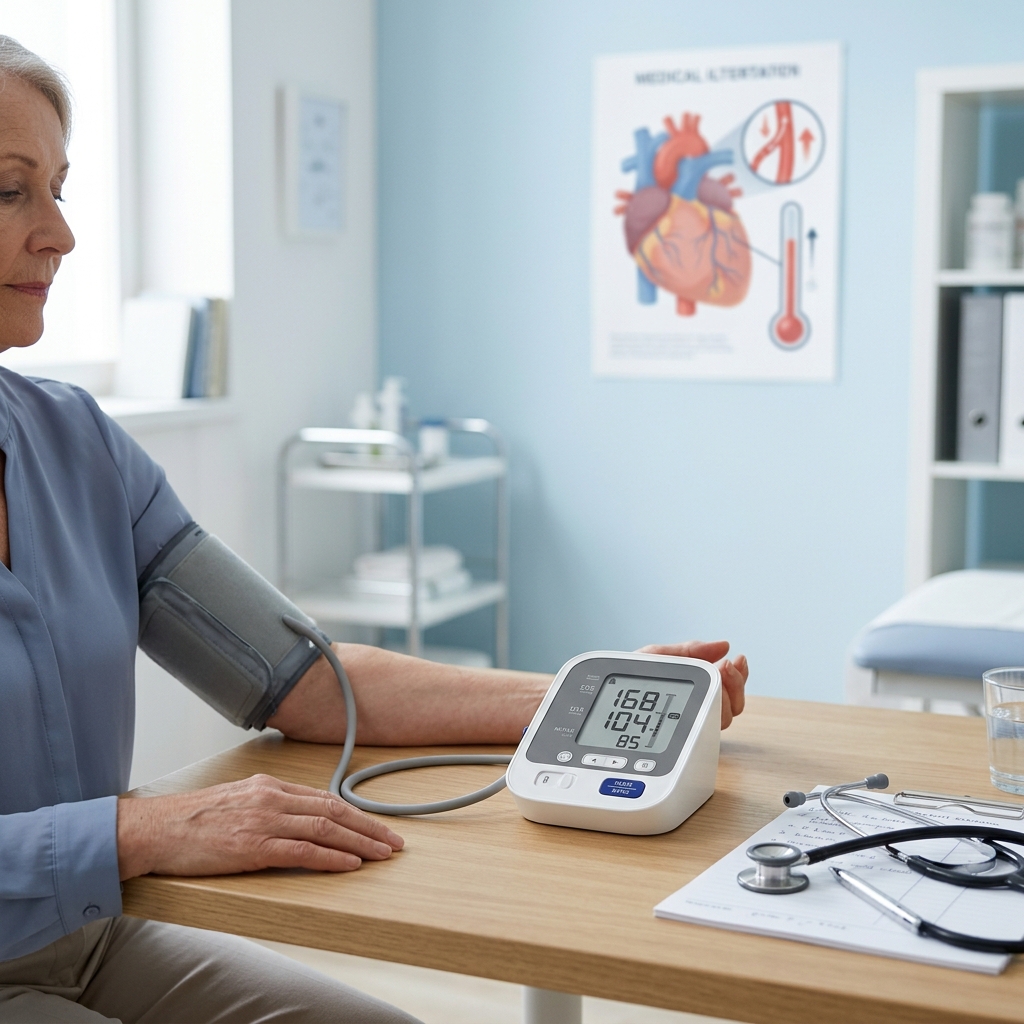
Why High Blood Pressure Is So Dangerous
High blood pressure is often symptomless for years. Here is what it quietly does to arteries, the heart, brain, kidneys, and eyes over time.
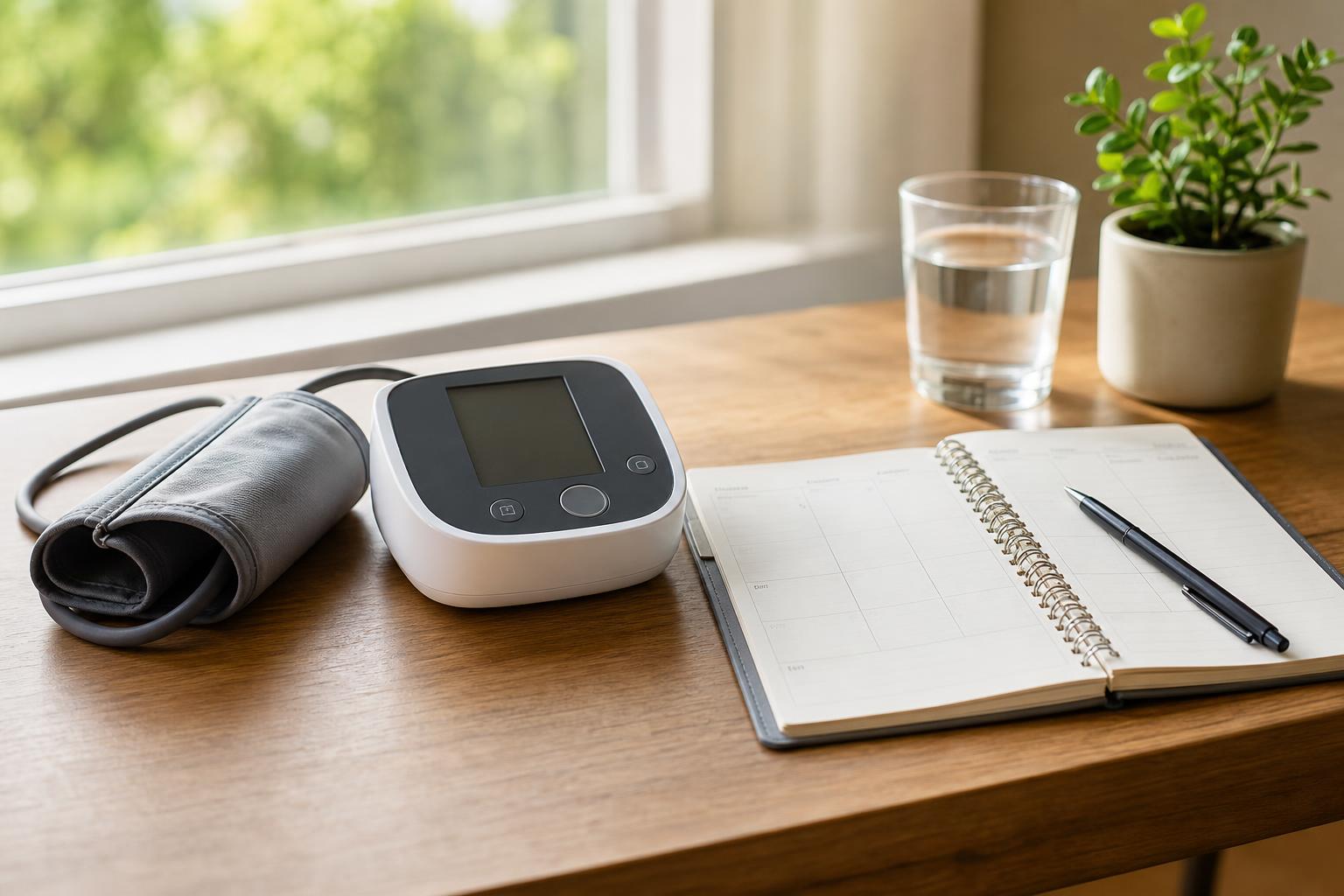
How Often Should You Check Blood Pressure at Home?
Learn how often to check blood pressure at home, when to test more frequently, and how to create a monitoring schedule that works without becoming obsessive.
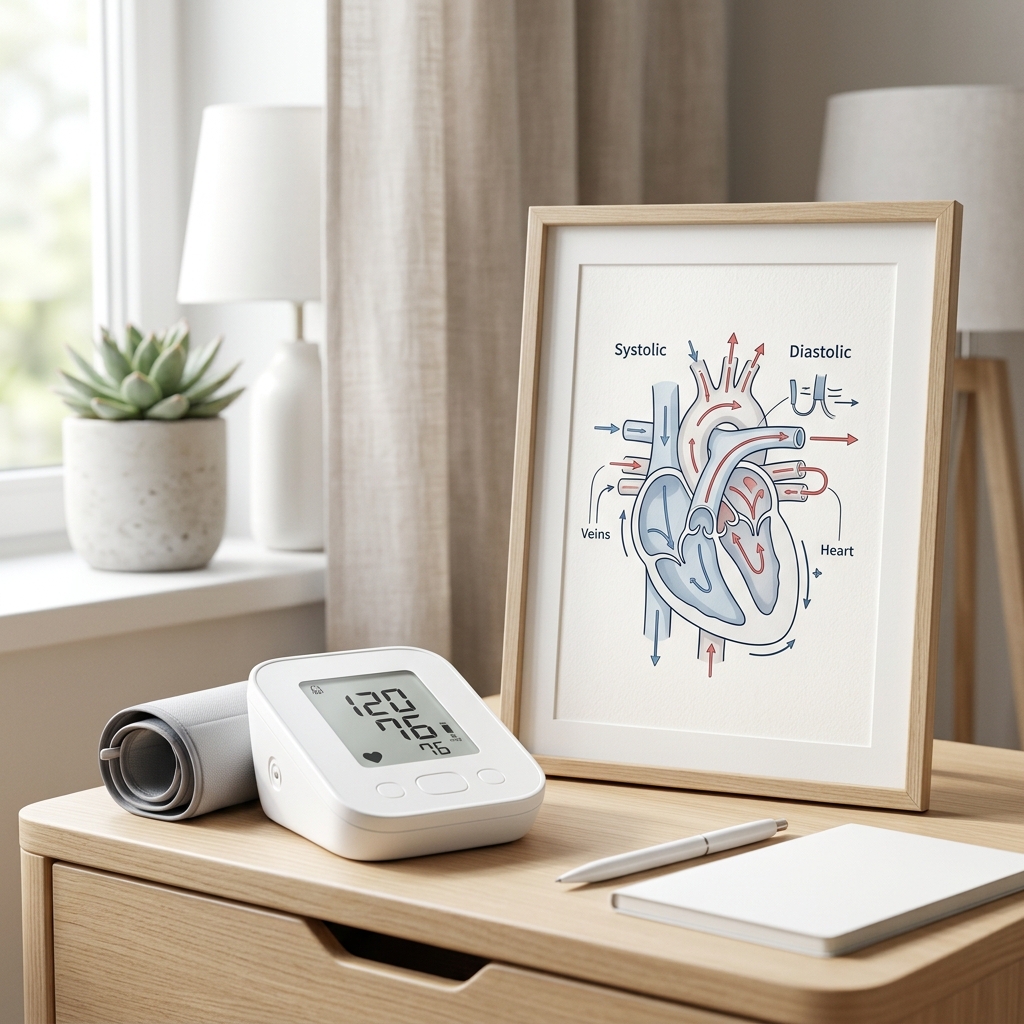
What Is Blood Pressure? Systolic & Diastolic Explained
What is blood pressure? Learn what systolic and diastolic numbers mean, why readings change, and how to interpret a home blood pressure reading.
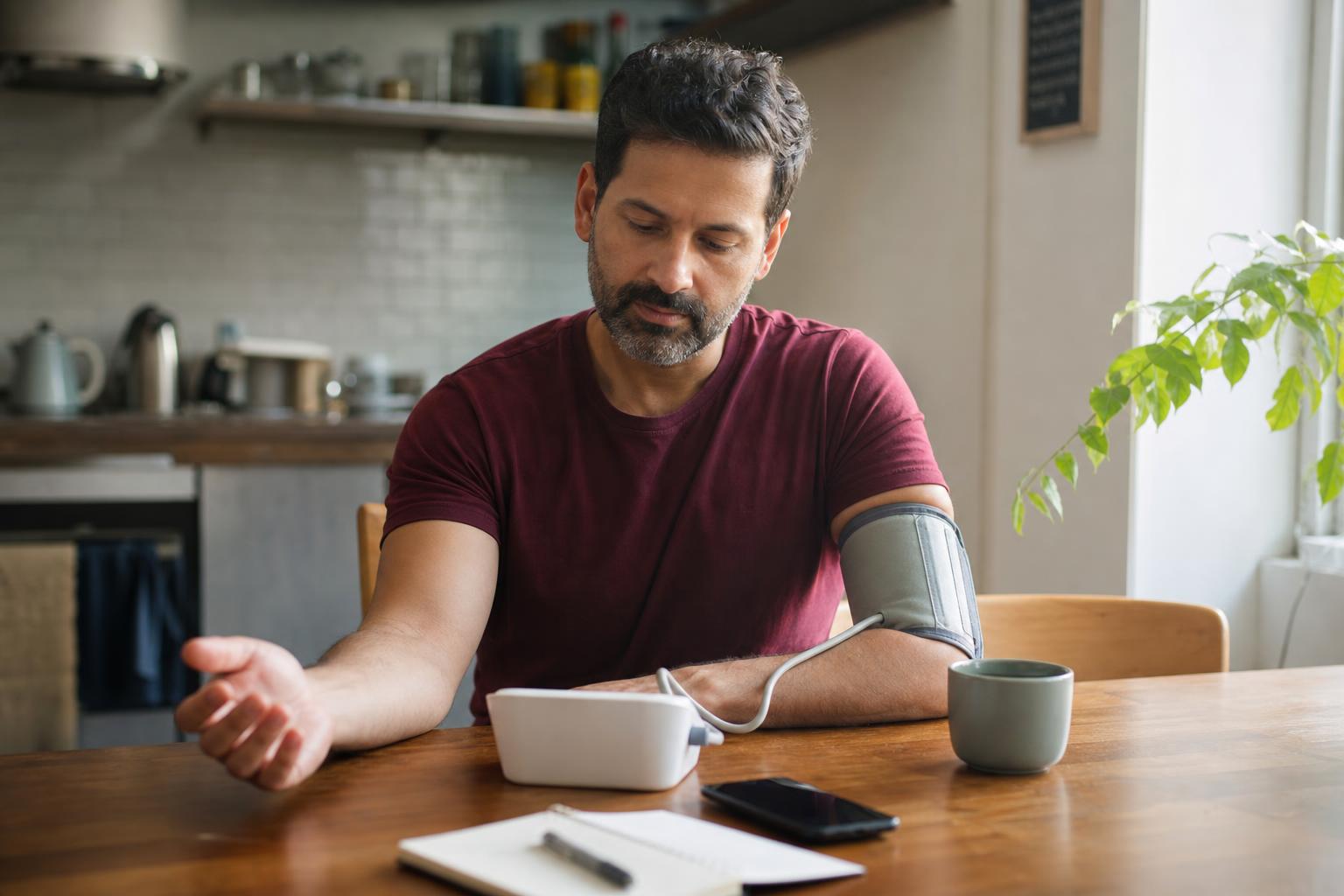
How to Take an Accurate Blood Pressure Reading at Home
Most home blood pressure readings are wrong — and the error is the setup, not the device. The five-minute checklist that gets clinically useful numbers.