Blood Pressure Monitors
Home BP cuffs, wrist monitors, and continuous measurement devices — tested for accuracy against clinical standards.
Last updated: April 22, 2026
Use this hub to compare validated devices, supporting explainers, and the strongest current buying guides.
We structure these category pages to make core recommendations and definitions easier to extract and verify.
Validation, cuff fit, usability, and long-term support matter more than flashy extras.
If you are shopping for a home blood pressure monitor, start with our best blood pressure monitors for 2026 ranking—five validated upper-arm models with a published scorecard. Most home-reading errors come from poor cuff fit, weak technique, or choosing a device that has never been independently validated.
Buying guides & rankings
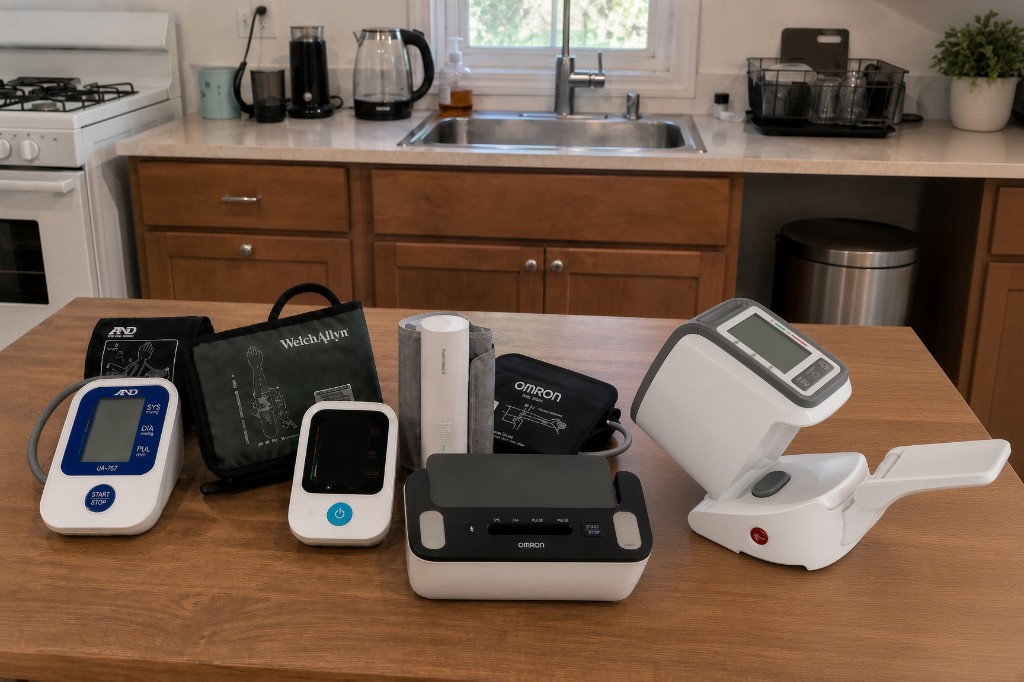
Best Blood Pressure Monitors For Seniors 2026
Five upper-arm blood pressure monitors ranked for seniors—setup, accuracy, comfort, and reliability.
Frequently asked questions
What type of blood pressure monitor is best for home use?
For most households, a validated upper-arm blood pressure monitor is the best choice because it is less sensitive to positioning error than wrist models and is the format most commonly recommended in clinical guidance.
How do I know if a blood pressure monitor is accurate?
Start by checking whether the model appears on an independent validated device list and whether it fits your upper-arm circumference correctly. Even a good monitor can read poorly with the wrong cuff size or bad technique.
Are wrist blood pressure monitors as good as upper-arm cuffs?
No—for most home users, upper-arm cuffs are better. They are less sensitive to arm height and positioning errors than wrist models. The FDA has also warned consumers about unauthorized blood pressure devices, including many wrist- and finger-worn products and wearables sold without FDA marketing authorization. Choose an FDA-cleared or FDA-authorized upper-arm monitor that fits your arm when you can.
How often should I check my blood pressure at home?
If you are establishing a baseline or reviewing medication changes, morning and evening readings for several days are usually most helpful. For long-term tracking, many people do well with a few consistent checks each week.
Related articles
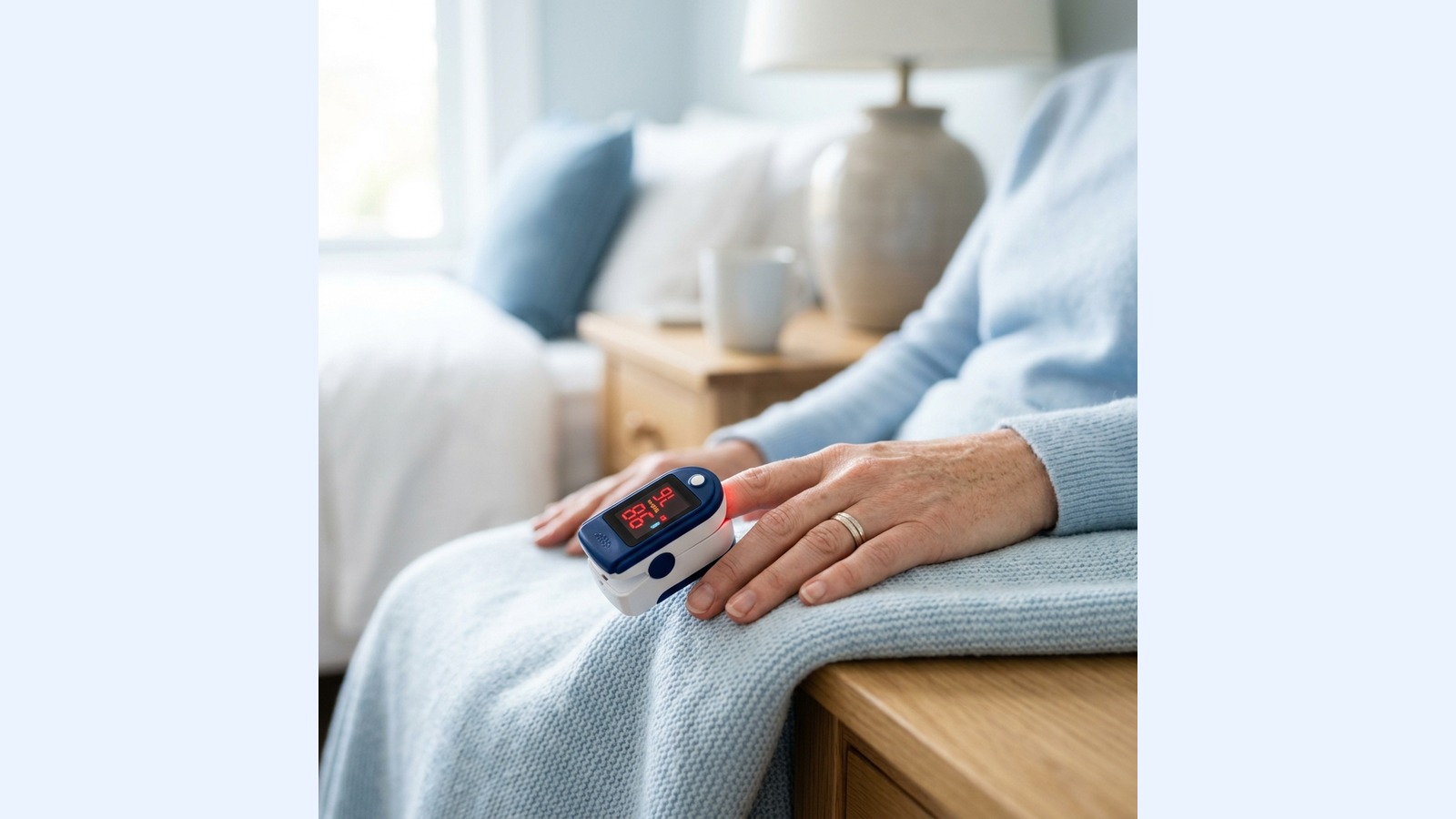
Can a Blood Pressure Monitor Measure Oxygen Levels?
A standard blood pressure monitor cannot measure oxygen levels. Learn how to tell blood pressure, pulse, and SpO2 apart—and when symptoms need urgent care.
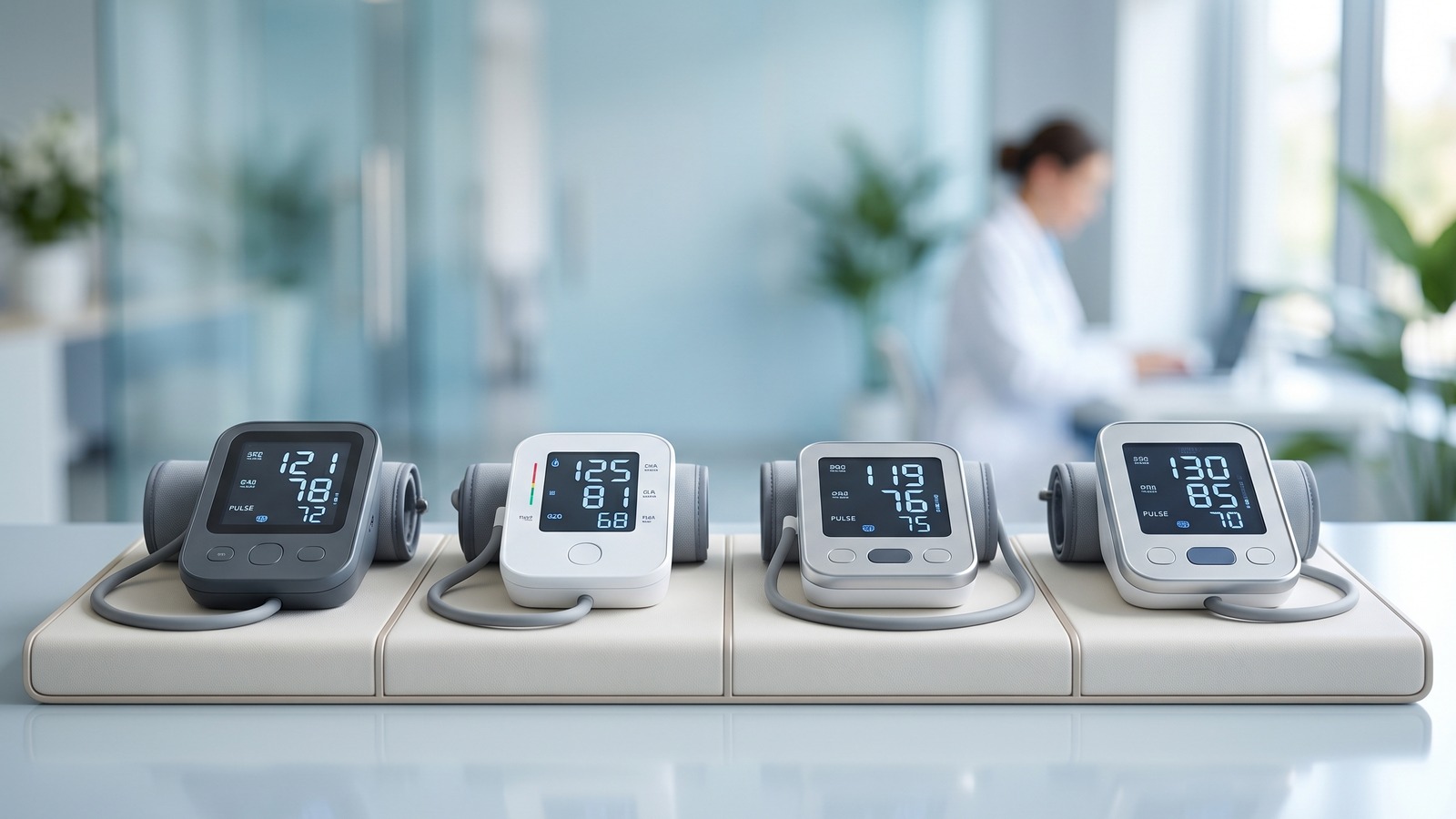
Can You Use an Adult Blood Pressure Monitor on a Child?
An adult blood pressure monitor is not automatically suitable for a child. Check pediatric validation, cuff fit, and the care team's monitoring plan.
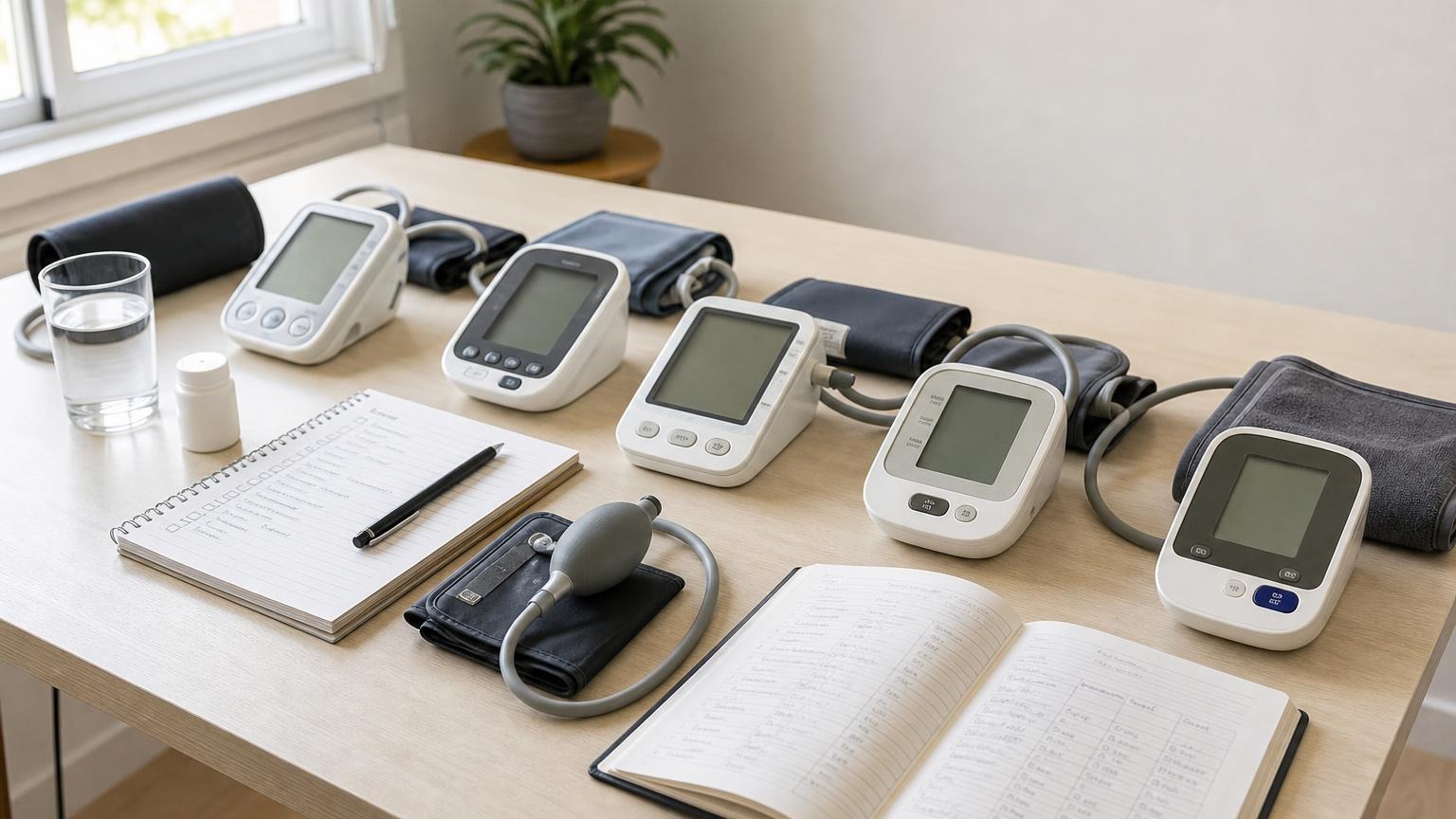
How to Check for a Blood Pressure Monitor Recall
Check a blood pressure monitor recall by matching the exact model and affected identifiers, then follow the official instructions—not a headline alone.
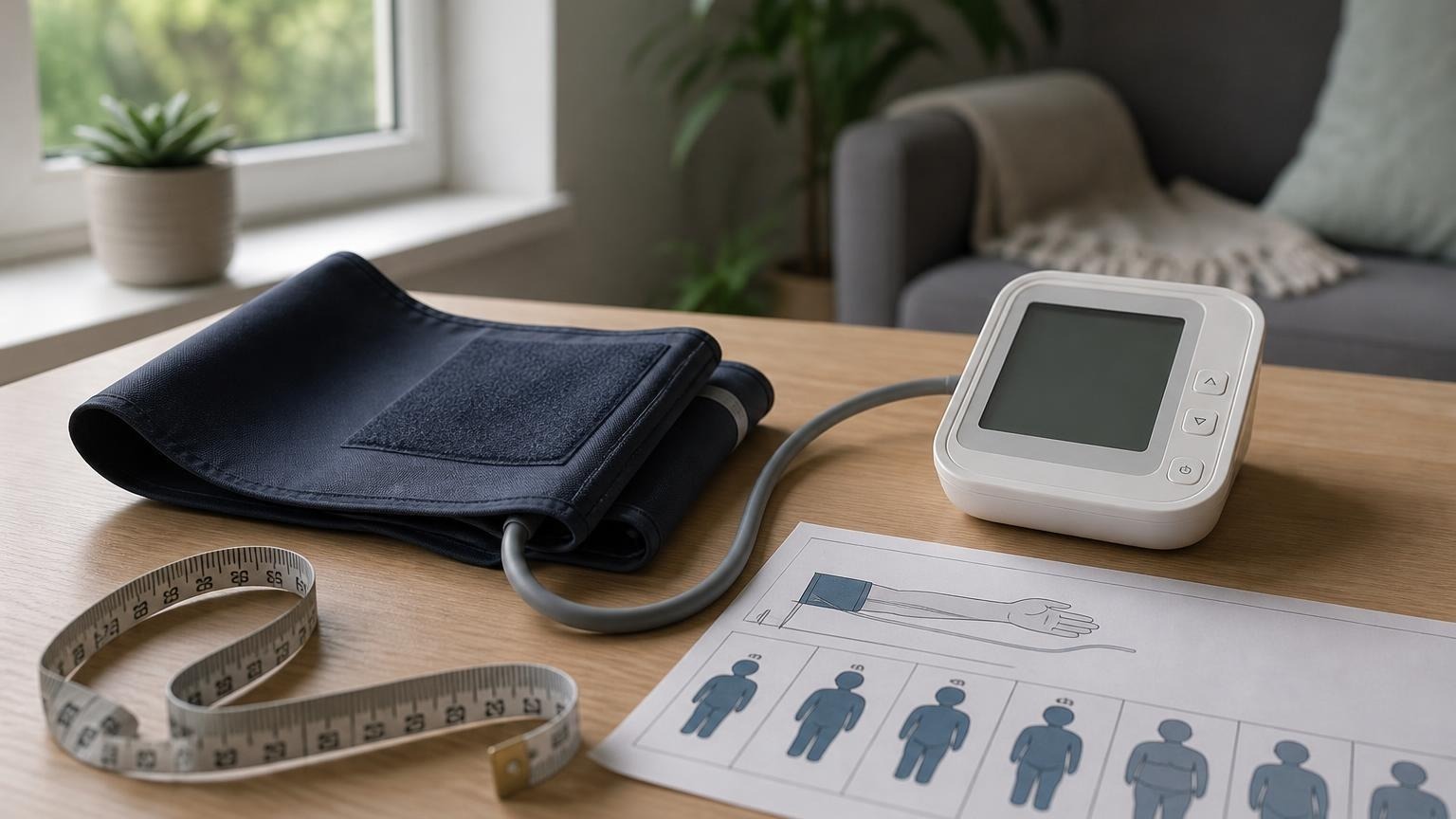
D-Ring vs Preformed Blood Pressure Cuffs: What's Different?
D-ring and preformed blood pressure cuffs differ mainly in how they wrap. Compare fit, one-handed setup, storage, sizing, and monitor compatibility.
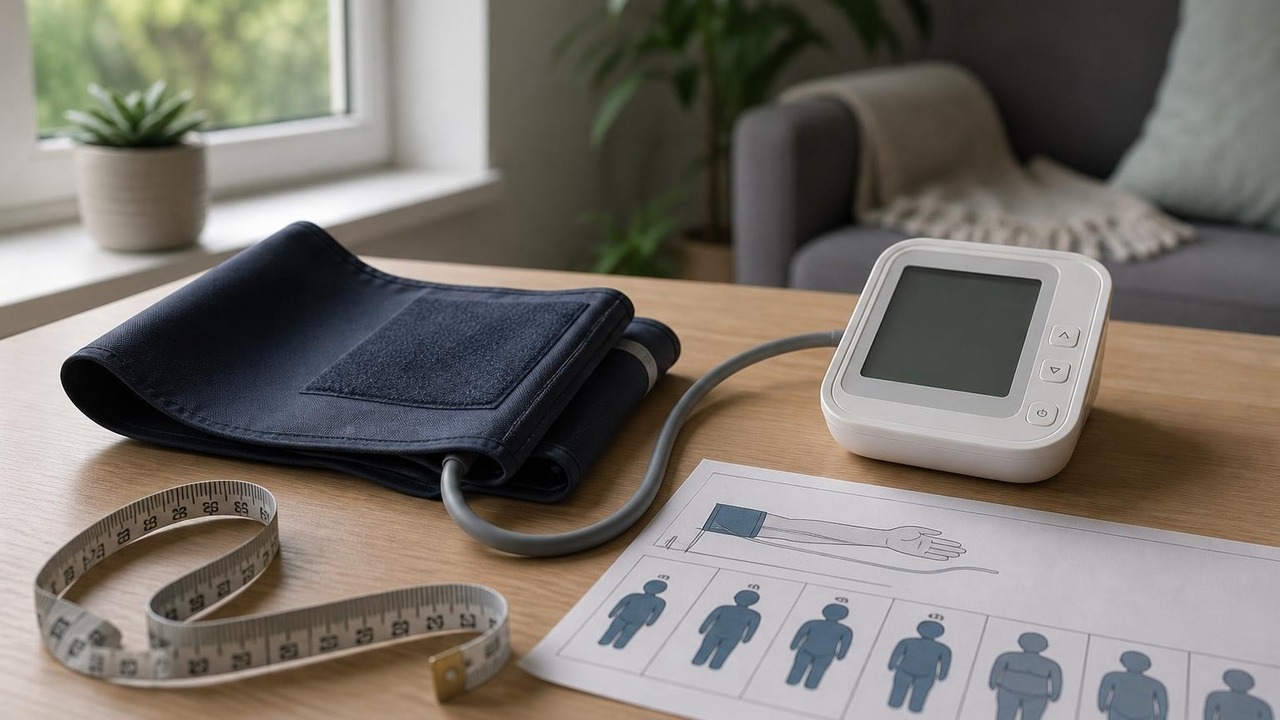
Blood Pressure Cuff Rash: What to Check Before Using It Again
A rash after using a blood pressure cuff needs more than a tighter wrap. Check skin irritation, cleaning products, cuff materials, and safe next steps.
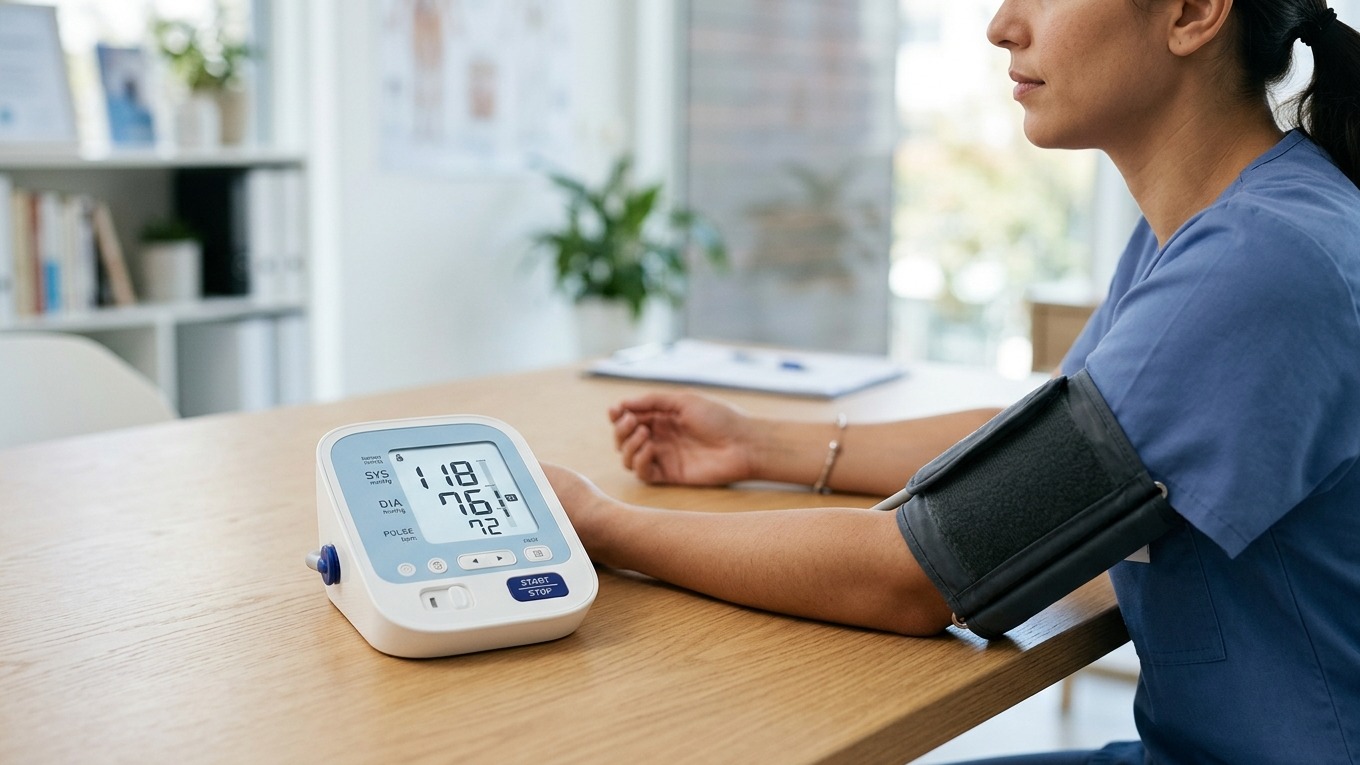
Blood Pressure Monitor kPa vs mmHg: Why Numbers Look Different
Blood pressure monitor showing kPa instead of mmHg? Learn how to read decimal values, convert units, check settings, and keep your log consistent.