Best Blood Pressure Monitors for Seniors
The best blood pressure monitors for seniors prioritize readable displays, easy cuffs, and clinically validated accuracy over flashy extras.
The best blood pressure monitors for seniors prioritize readable displays, easy cuffs, and clinically validated accuracy over flashy extras.
Shopping for a blood pressure monitor for an older adult is different from shopping for yourself in your thirties. The most important feature often is not Bluetooth, app sync, or a sleek design. It is whether the cuff goes on easily, whether the numbers are readable without squinting, and whether the device gives a dependable reading without turning the process into a chore.
That matters because home blood pressure monitoring only works if it actually gets used. A monitor can be clinically validated and still be a bad fit for a senior if the cuff is stiff, the buttons are confusing, or the screen is too dim to read in ordinary room light.
What matters most for seniors
For most older adults, there are five things worth prioritizing.
Large, high-contrast display. Many monitors advertise a “large screen,” but what matters is whether the systolic and diastolic numbers are easy to read at a glance. A bright, uncluttered display beats a feature-packed screen with tiny icons.
Simple one-button operation. If the device needs a phone app for basic use, it is already a worse choice for many seniors. The best monitors work perfectly well as standalone devices.
An upper-arm cuff that is easy to position. Wrist monitors look simpler, but they are more sensitive to body position and often produce worse readings in real-world use. For most people, an upper-arm cuff remains the better option if it fits comfortably.
Memory for multiple readings. Many seniors track pressure over time for a physician visit. A monitor that stores a useful history is much more practical than one that shows a number and forgets it.
Clinical validation. This is the non-negotiable part. If a monitor is not independently validated, everything else is secondary.
Features that matter less than people think
Some features sound useful but should not drive the decision.
Bluetooth syncing is nice, but not essential. Irregular heartbeat alerts can be helpful, but they are not a substitute for medical care. Voice prompts may help some users, but a well-designed display is usually more important.
The other trap is buying on price alone. A cheap monitor that gives frustrating or inconsistent readings often ends up unused in a drawer. Paying a bit more for something readable and easy to operate is usually the better value.
The best type of monitor for most seniors
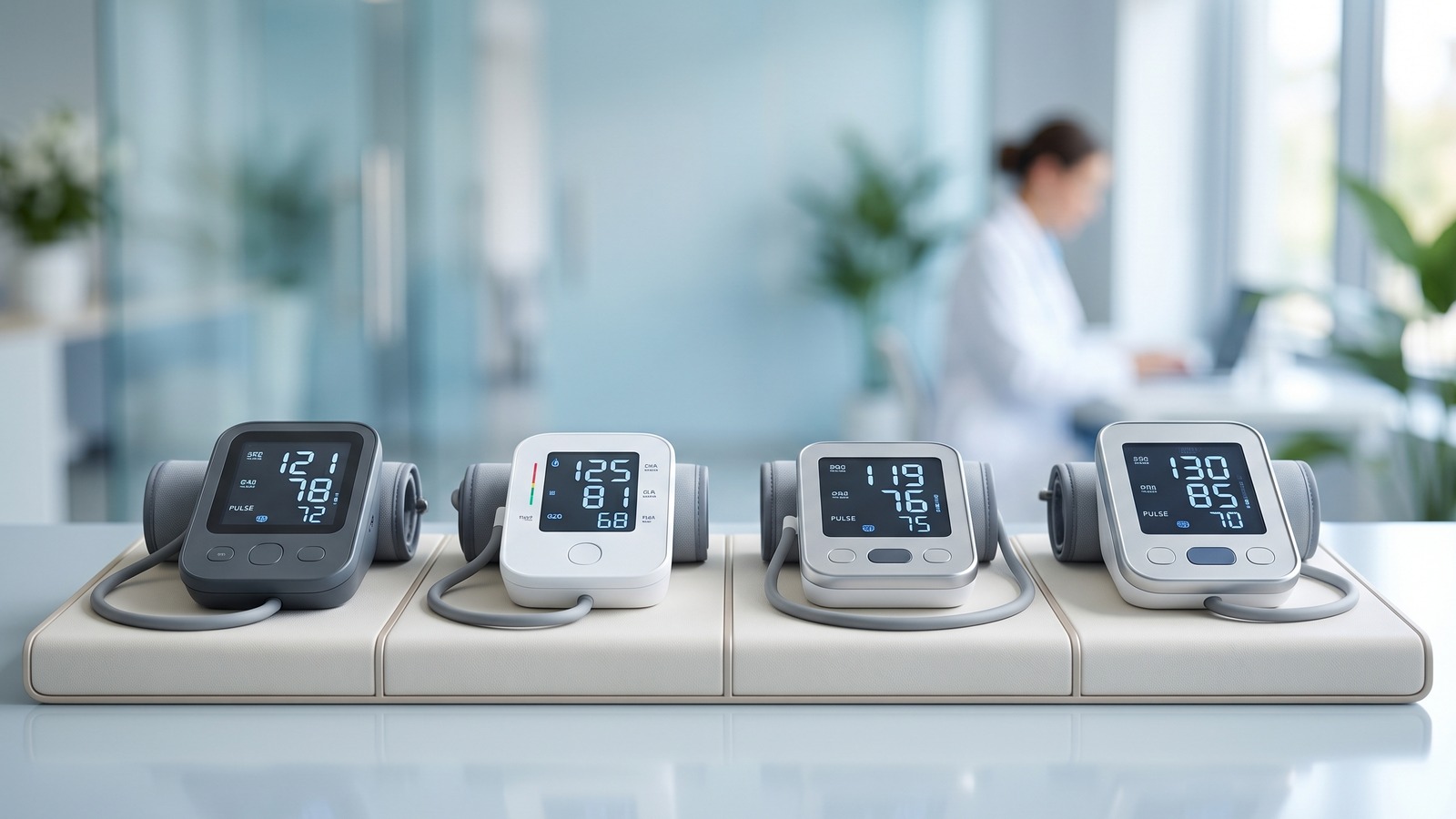
For most households, the ideal choice is a validated upper-arm monitor with a large screen, simple controls, and enough onboard memory to track readings over time. That combination is easier to use correctly and more likely to produce numbers a doctor can actually trust.
If hand strength, shoulder mobility, or dexterity is limited, cuff design matters even more. Some cuffs are much easier to wrap and tighten than others. This is one of the few areas where product design makes a real everyday difference.
When a wrist monitor makes sense
A wrist monitor is usually not the first choice, but there are exceptions. If an upper-arm cuff does not fit properly, if it causes pain, or if the user cannot position it without help, a validated wrist monitor can be better than no home monitoring at all.
The tradeoff is that wrist monitors are much more sensitive to technique. The wrist has to be held at heart level, and even small positioning mistakes can throw the reading off. For many older adults, that makes them harder, not easier, to use well.
Our practical recommendation
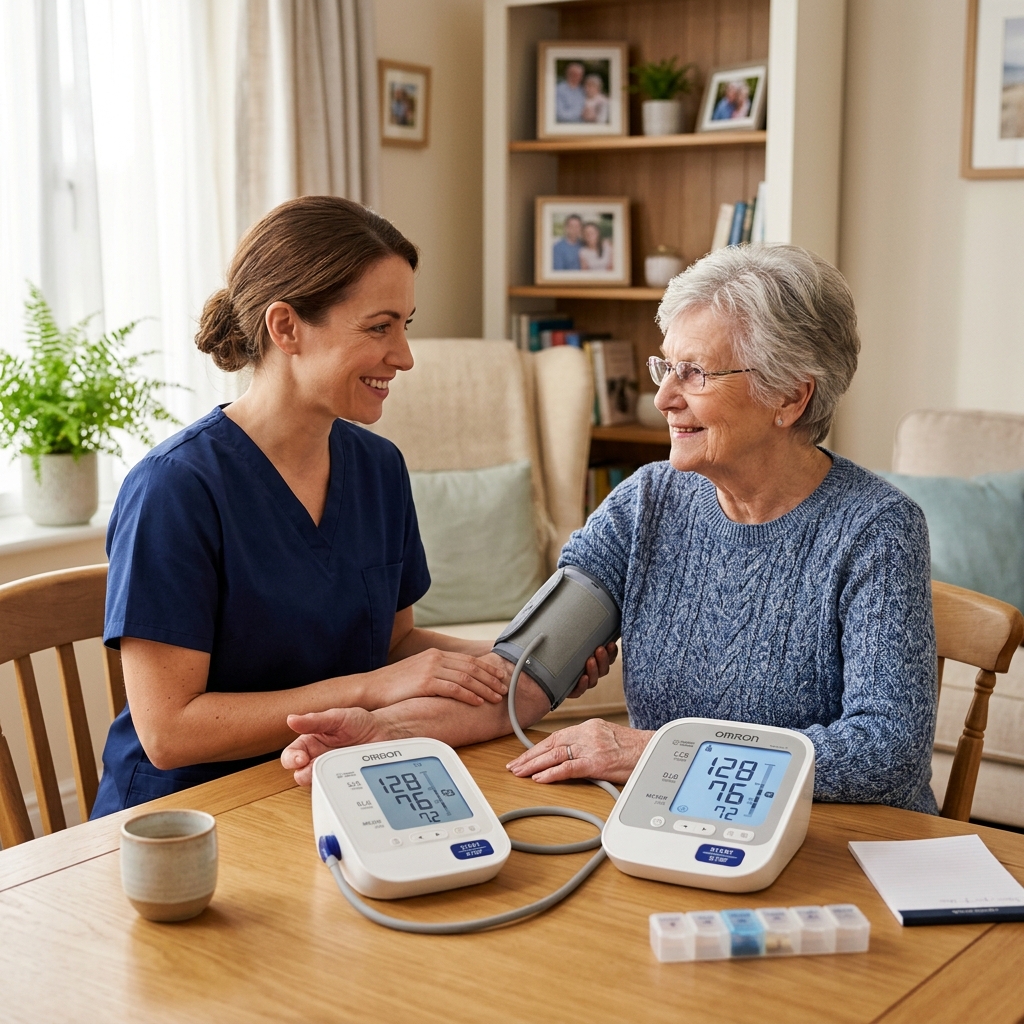
If you are buying for a parent, grandparent, or older patient, choose the monitor that makes correct use easiest. Prioritize readability, simplicity, cuff comfort, and validation. Ignore marketing language about smart insights unless the person will genuinely use those features.
In practice, that usually means a validated upper-arm monitor from an established brand, with a clear display and straightforward controls. Fancy extras are optional. Ease of use is not.
Looking for a validated option?
We ranked the home blood pressure monitors we think are the best fit for most buyers, including options that work well for older adults:
This article is educational and not medical advice. Consult a qualified clinician before making decisions about diagnosis, treatment, or medication.
Top 5 picks
Best Blood Pressure Monitors For Seniors 2026
Five upper-arm monitors ranked with published scorecards—setup friction, comfort, readability, power convenience, and repeatable accuracy—so you can compare models before you buy.
See our Top 5 blood pressure monitor picksHome-monitoring advice is only useful if it is easy to verify and act on correctly.
We write explainers to be understandable to readers, search engines, and AI answer systems.
Compare our Top 5 blood pressure monitor picks for 2026, then track readings over time with consistent technique.