Why Do Two Blood Pressure Monitors Give Different Readings?
Two blood pressure monitors can disagree because of timing, cuff fit, technique, and device differences. Learn how to compare them fairly.
Two blood pressure monitors can disagree because of timing, cuff fit, technique, and device differences. Learn how to compare them fairly.
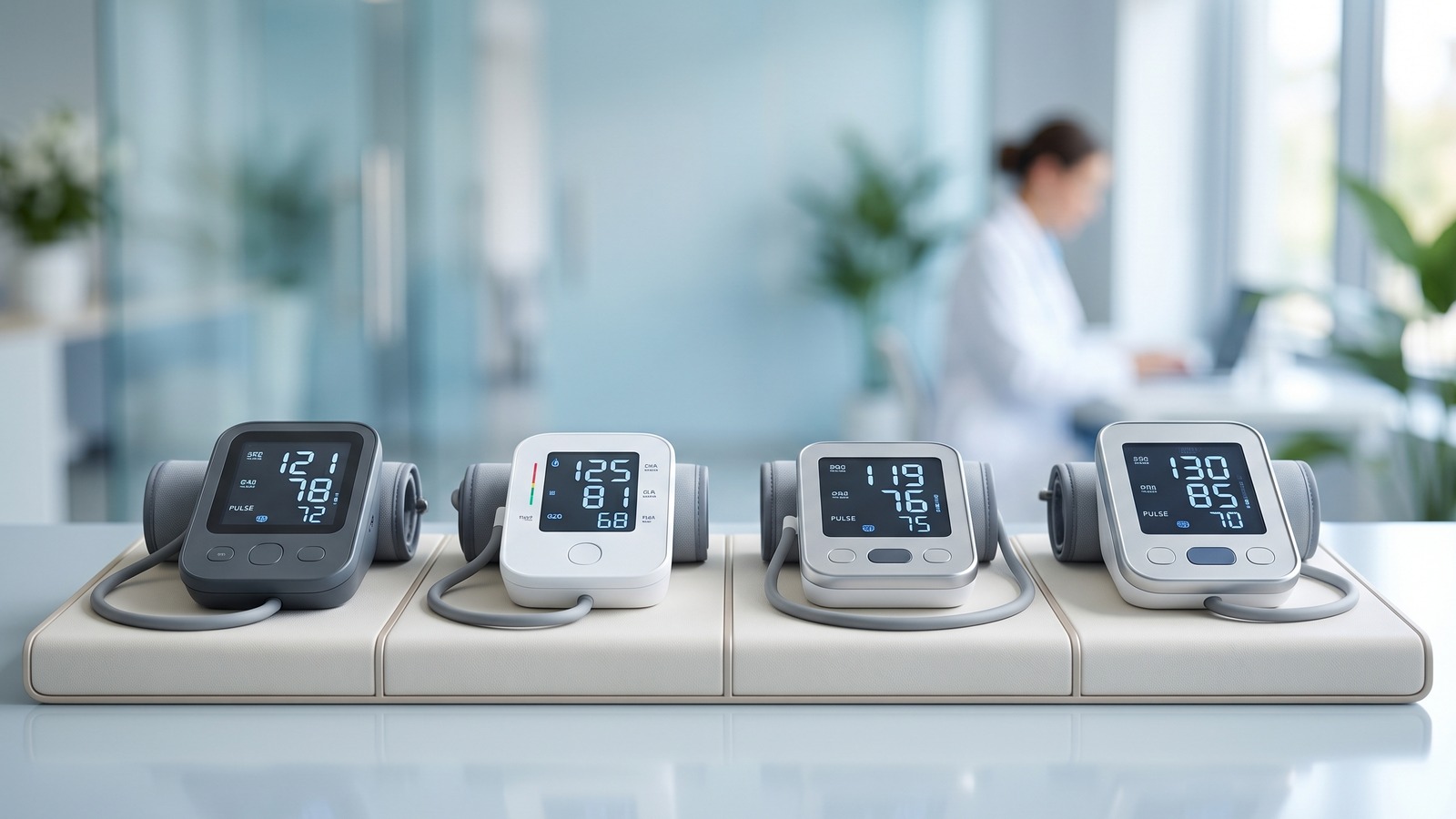
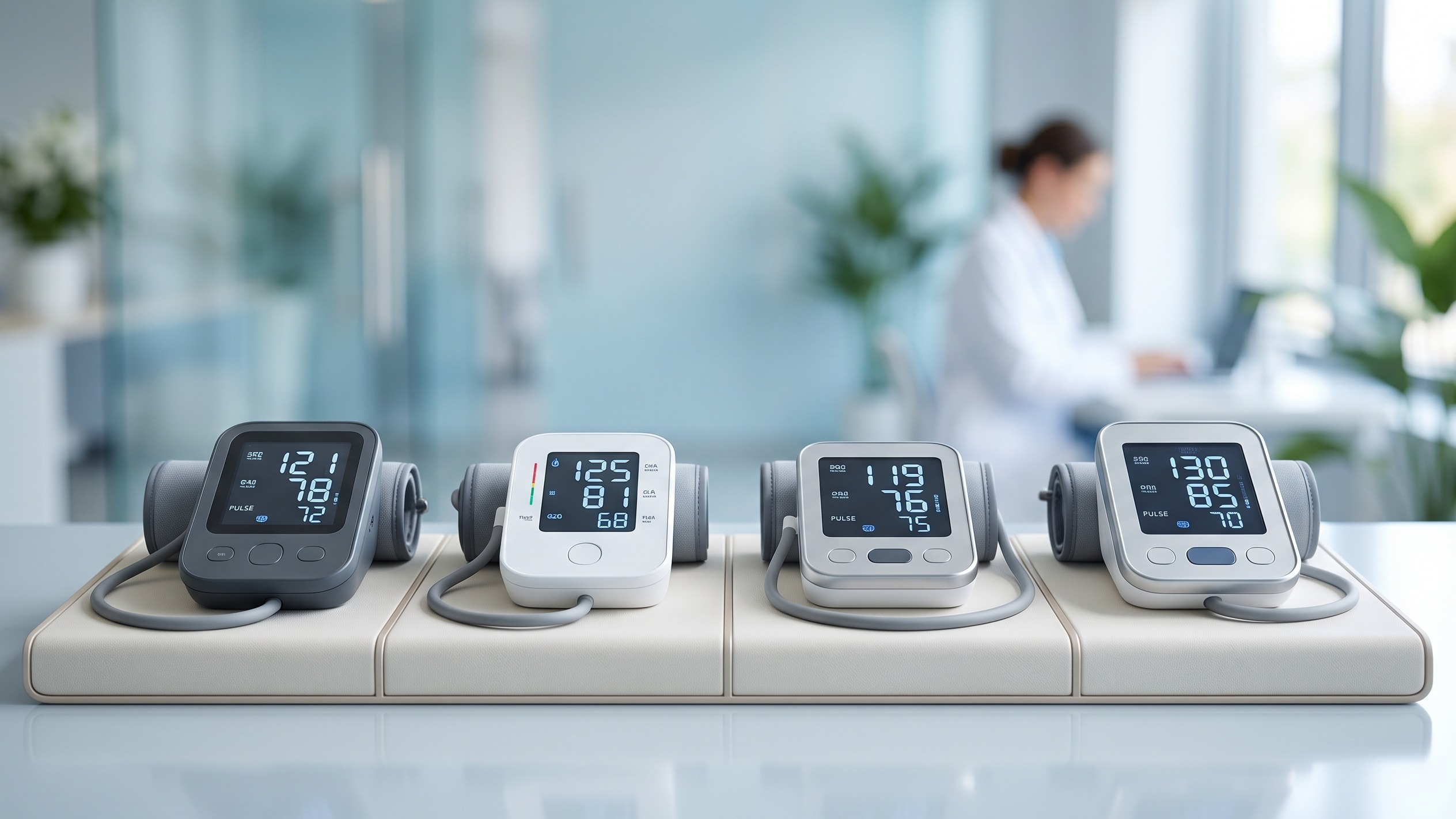
If two blood pressure monitors give different readings, it does not automatically mean one is broken. Blood pressure changes from moment to moment, and two devices rarely measure the exact same pulse sequence. Cuff size, placement, arm position, device algorithms, and the order of testing can widen the gap.
The useful question is not, “Why are these two numbers identical?” It is, “Do both monitors produce a reasonably consistent pattern when they are used correctly under the same conditions?” A controlled comparison can help you separate normal variation from a possible cuff or monitor problem.
Why do two blood pressure monitors give different readings?
Automatic upper-arm monitors estimate blood pressure from pressure changes detected while the cuff inflates or deflates. Each model can use a different cuff design, inflation cycle, signal filtering method, and calculation algorithm. Even two well-functioning monitors may therefore report slightly different results from the same person.
The comparison also happens in sequence. The first monitor measures one stretch of heartbeats; the second measures a later stretch. During that interval, your pressure may shift because you relaxed, moved, talked, changed arm position, or became concerned about the first number.
Common reasons for a mismatch include:
- the readings were taken several minutes apart
- one cuff fits the arm better than the other
- the cuffs sat in different positions
- the arm was not supported at the same height
- one reading followed movement, talking, or a rushed setup
- batteries, tubing, or cuff connections need attention
- the devices use different averaging or inflation methods
- one monitor is older, damaged, or no longer performing consistently
A difference is a reason to check the setup, not a reason to declare a winner from one attempt.
First, check whether the cuffs are truly comparable
Cuff fit is one of the easiest differences to miss. A monitor may be fine while its cuff is wrong for your upper-arm circumference. “Standard” and “wide-range” do not mean the same thing across brands.
Check the size range printed on each cuff or in each manual. Your measured upper-arm circumference should fall inside both stated ranges. Also inspect whether one cuff wraps smoothly while the other barely closes, overlaps excessively, slips, or bunches.
The two cuffs do not need to look identical. They do need to fit as their manufacturers intended. If one cuff is outside its listed range, the comparison is not fair.
Placement matters too. Put each cuff on bare skin, above the elbow crease, and align its artery marker according to that model’s instructions. Do not assume the same tube position works for every cuff. Our guide to blood pressure cuff placement explains the basic setup, while the blood pressure cuff size chart covers fit.
How to compare two blood pressure monitors fairly
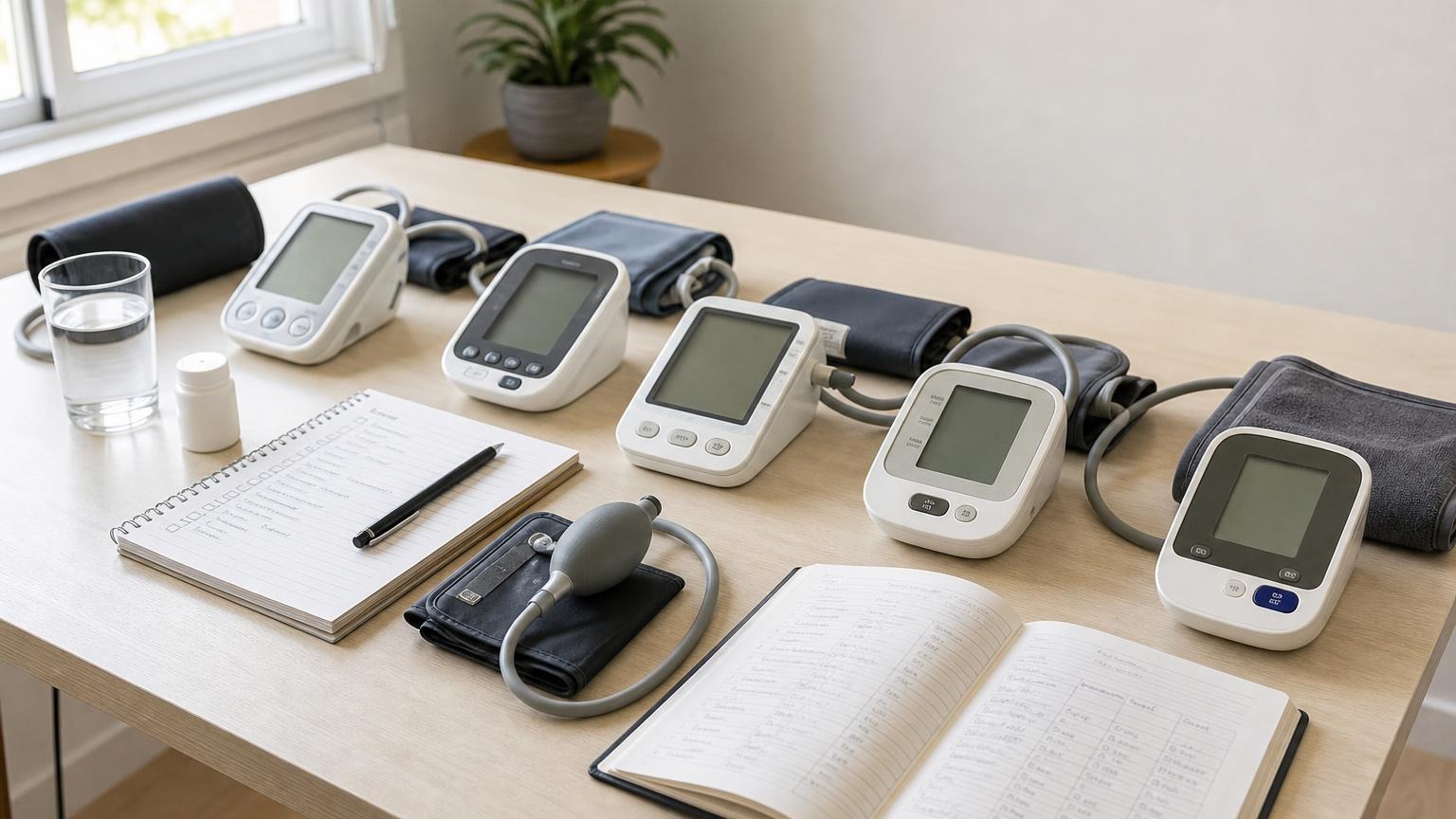
Do not put both cuffs on at once or repeatedly test until the numbers happen to match. Use a calm, repeatable process instead.
- Check both manuals. Confirm cuff range, placement marks, battery requirements, and any instructions about measurement order or rest.
- Use the same person and arm. Switching arms adds another source of variation. If a clinician has told you not to use a particular arm, follow that guidance.
- Prepare for a resting reading. Avoid recent exercise, nicotine, caffeine, and a large meal. Empty your bladder, then sit quietly for at least 5 minutes.
- Keep the position unchanged. Sit with your back supported, feet flat, legs uncrossed, and arm supported around heart level.
- Take one reading with the first monitor. Stay silent and still.
- Wait at least 1 minute. Remove the first cuff gently, apply the second cuff as directed, and keep your posture steady.
- Take one reading with the second monitor. Record the device name, time, systolic pressure, diastolic pressure, and pulse.
- Repeat on separate sessions. On another day or later routine session, reverse which monitor goes first. Compare each device’s pattern across several properly taken sessions rather than judging one pair.
Reversing the order matters because later readings are often different from the first as you settle into the chair. If Monitor B always goes second, a consistent order effect can look like a device effect.
For the full preparation routine, use our guide to taking an accurate blood pressure reading at home.
Compare patterns, not one pair of numbers
A single side-by-side test cannot tell you which monitor is more dependable. It mixes normal blood pressure variation with cuff and device differences.
Keep the results separated by monitor. After several sessions, ask:
- Does one monitor vary widely even when the setup stays the same?
- Does one repeatedly display errors or reinflate?
- Is the difference usually in the same direction?
- Does the gap persist after correcting cuff size and arm support?
- Do both devices show the same general trend over time?
Do not average readings from two different monitors into one home baseline. If you change monitors, label the date of the change in your log. A small equipment shift can otherwise look like a sudden health shift.
This is also why repeatedly measuring until you get a preferred number is unhelpful. The lowest reading is not automatically the most accurate, and the highest is not automatically the “real” one. A consistent method and a transparent log are more useful than selective results.
How to tell whether technique is causing the difference
Before blaming either monitor, look for setup clues.
One cuff sits lower or tighter
Even when both cuffs technically fit, one may be easier to place correctly. Make sure neither cuff covers the elbow crease, twists around the arm, or starts painfully tight. If a cuff slips or takes excessive force to close, recheck its size range.
Your arm moves between readings
Resting the forearm on your lap for one device and on a table for the other changes cuff height. Keep the same chair, table, and arm support. Our arm-position guide shows why this matters.
The second test feels more stressful
Seeing an unexpected first result can change your breathing or muscle tension. Write down that context rather than hiding it. Pause, settle, and continue only when you can sit comfortably.
One device has a hardware problem
Inspect the cuff, connector, and tubing for wear, loose fittings, sharp bends, or damage. Install fresh batteries if power is uncertain. Do not open the monitor or attempt an unofficial adjustment. Home users generally cannot calibrate an automatic monitor themselves; our article on blood pressure monitor calibration explains safer checks.
When to bring both monitors to a clinician
Bring both devices, cuffs, and your comparison notes to an appointment if the difference is repeated, substantial enough to change how you interpret your pattern, or difficult to explain after checking technique.
A clinician or trained staff member can watch how you apply each cuff, confirm that both fit, and compare your home units with the office’s routine process. This is more informative than testing against a pharmacy kiosk or another person’s monitor.
Ask for help sooner if:
- one device repeatedly gives error messages
- one cuff causes marked pain, swelling, or bruising
- readings remain unexpectedly high or low with correct technique
- the gap between devices keeps widening
- you have symptoms such as chest pain, severe shortness of breath, fainting, confusion, or new neurologic symptoms
Symptoms and repeated unusual readings matter more than a one-time disagreement between machines. Do not change medication based only on which monitor gives the number you prefer.
Frequently asked questions
Q: Which blood pressure monitor reading should I trust?
A: Do not choose between two monitors from one pair of readings. Check cuff fit and technique, compare each device across several controlled sessions, and bring both to a clinician if a meaningful difference persists.
Q: Should two blood pressure monitors show exactly the same number?
A: No. They measure different sets of heartbeats and may use different cuff designs and calculation methods. The goal is a reasonably consistent pattern under the same conditions, not perfect agreement every time.
Q: Can I wear two blood pressure cuffs at the same time to compare them?
A: No. Two cuffs can interfere with positioning and circulation, and the setup does not represent normal use. Compare them one at a time on the same arm, following each manual.
Q: Does a higher-priced monitor always give a more accurate reading?
A: No. Price can reflect memory, connectivity, display, or accessories rather than measurement performance. Correct cuff fit, independent validation, condition, and proper technique are more relevant than price alone.
Bottom line
Two blood pressure monitors can give different readings without either one being obviously defective. Timing, natural variation, cuff fit, placement, arm support, test order, and device design all contribute.
Compare the monitors under controlled conditions across several sessions, keep each device’s results labeled separately, and involve a clinician if the mismatch persists. If you decide to replace an unreliable or poorly fitting setup, compare models by cuff range and everyday usability rather than chasing the device that produced the most reassuring single number.
This article is educational and not medical advice. Consult a qualified clinician before making treatment decisions or changing medication because of home blood pressure readings.
Top 5 picks
Best Blood Pressure Monitors For Seniors 2026
Five upper-arm monitors ranked with published scorecards—setup friction, comfort, readability, power convenience, and repeatable accuracy—so you can compare models before you buy.
See our Top 5 blood pressure monitor picksHome-monitoring advice is only useful if it is easy to verify and act on correctly.
We write explainers to be understandable to readers, search engines, and AI answer systems.
Compare our Top 5 blood pressure monitor picks for 2026, then track readings over time with consistent technique.