Best Bluetooth Blood Pressure Monitors
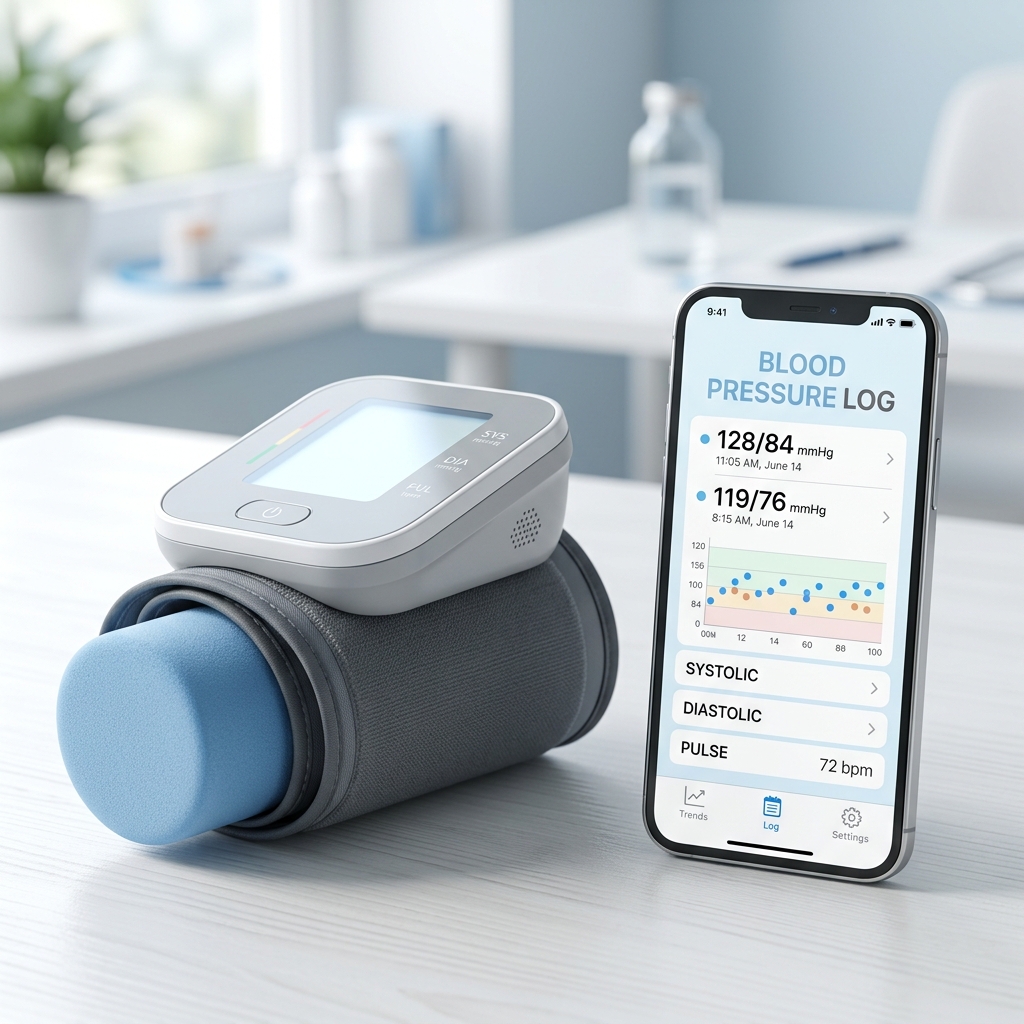
The best Bluetooth blood pressure monitors combine validated accuracy with app sync that is reliable enough to be worth using.
The best Bluetooth blood pressure monitors combine validated accuracy with app sync that is reliable enough to be worth using.
Bluetooth blood pressure monitors sound simple: take a reading, send it to your phone, and keep a tidy record you can show your doctor. In practice, the good ones make tracking easier and the bad ones create a second problem on top of blood pressure itself, namely a flaky app that fails to sync when you actually need it.
That is why the right way to shop this category is not to start with the app. Start with the monitor. If the cuff is not validated, comfortable, and easy to use, Bluetooth does not rescue it.
What Bluetooth is actually good for
Bluetooth matters when it removes friction from long-term tracking.
For many people, the hardest part of home monitoring is not taking a single reading. It is keeping a consistent log over weeks or months. Automatic syncing helps because it reduces the odds that readings get lost, misread, or written down incorrectly.
It can also make medical appointments easier. A decent app lets you export a report or at least review trends over time instead of trying to remember a handful of numbers from memory.
What separates a good Bluetooth monitor from a bad one
Validated accuracy comes first. If a monitor is not on a recognized validation list, it should not make your shortlist.
Reliable syncing matters more than fancy dashboards. A basic app that syncs every time is more useful than a beautiful app that drops readings at random.
The monitor should still work without the app. Good Bluetooth features are an added convenience, not a crutch. You should be able to take a reading and read it clearly on the device itself.
Multi-user memory is helpful. In shared households, this can be the difference between a useful device and a confusing one.
The common problem with health device apps
A lot of health-device software is weak. The hardware may be clinically respectable, while the app feels like an afterthought. Sync delays, forced account creation, awkward exports, and poor Bluetooth pairing are all common.
This matters because people often buy Bluetooth models expecting a smoother experience. If the software is unreliable, they would have been better off with a simpler standalone cuff.
That is why it makes sense to buy Bluetooth only when you know you will use the digital history. If you do not care about app-based tracking, you should not pay extra for it.
Who should buy one
A Bluetooth monitor makes the most sense if you:
- track readings over time and want the trend data organized automatically
- share reports with a clinician
- take multiple readings per week and do not want manual logging
- are already comfortable using a health app on your phone
It makes less sense if you only check occasionally or if you dislike troubleshooting consumer-device connectivity.
The best fit for most buyers
For most people, the ideal Bluetooth monitor is a validated upper-arm cuff with stable app syncing, clear onboard display, and enough onboard memory that the device still feels useful if the phone is not nearby.
That tends to rule out a lot of cheaper models that overpromise on smart features while underdelivering on the parts that actually matter. A boring but reliable monitor is much better than a smart-looking one that creates extra work.
A practical rule
Buy Bluetooth for the logging, not for the novelty. If the app helps you build a record you will actually use, it is worth paying for. If it only adds complexity, skip it.
The best Bluetooth monitor is the one that makes it easier to build a clinically useful habit, not the one with the flashiest dashboard.
Looking for top picks?
We ranked our recommended home blood pressure monitors, including Bluetooth models that are actually worth considering:
This article is educational and not medical advice. Consult a qualified clinician before making decisions about diagnosis, treatment, or medication.
Top 5 picks
Best Blood Pressure Monitors For Seniors 2026
Five upper-arm monitors ranked with published scorecards—setup friction, comfort, readability, power convenience, and repeatable accuracy—so you can compare models before you buy.
See our Top 5 blood pressure monitor picksHome-monitoring advice is only useful if it is easy to verify and act on correctly.
We write explainers to be understandable to readers, search engines, and AI answer systems.
Compare our Top 5 blood pressure monitor picks for 2026, then track readings over time with consistent technique.