Can Pain Raise Blood Pressure? Yes, Usually Temporarily
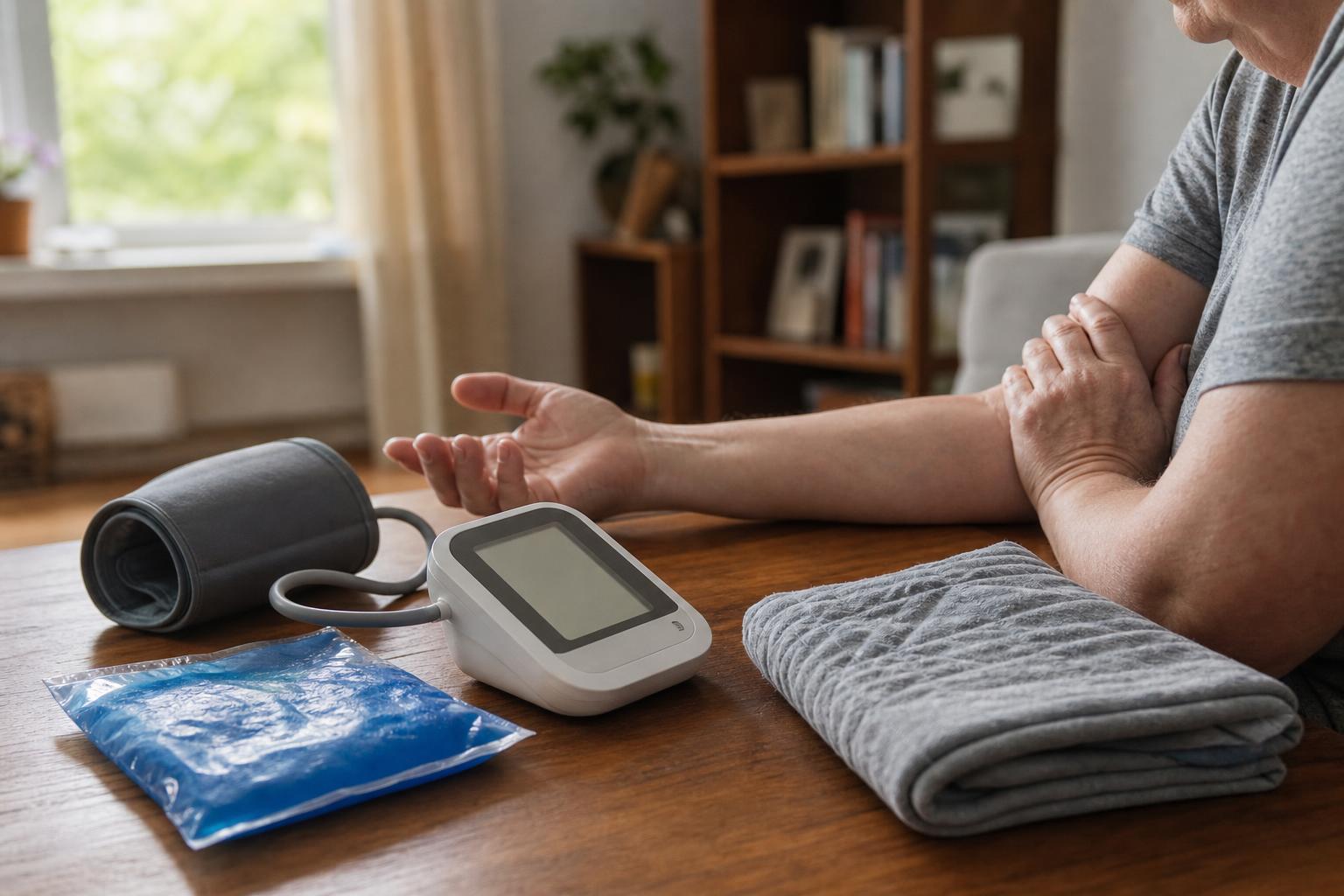
Pain can raise blood pressure in the short term by activating the stress response, but it does not always mean you have chronic hypertension.
Pain can raise blood pressure in the short term by activating the stress response, but it does not always mean you have chronic hypertension.
Yes. Pain can raise blood pressure, sometimes by a lot, but in most cases the effect is temporary.
That happens because pain is a biological stress signal. When your body hurts, your nervous system responds as if something is wrong, releasing stress hormones that increase heart rate, tighten blood vessels, and push blood pressure upward. The sharper and more sudden the pain, the stronger that response tends to be.
What matters is context. A blood pressure reading taken while you have a migraine, a back spasm, dental pain, or a fresh injury may not reflect your usual baseline. It may reflect your body’s reaction to pain in that moment.
The key question is not just whether pain raises blood pressure. It is whether the increase is temporary, whether it keeps happening, and whether your readings stay high even when the pain is gone.
Why pain makes blood pressure go up
Pain activates the sympathetic nervous system, the same fight-or-flight pathway involved in anxiety and acute stress. Within minutes, your body releases catecholamines such as adrenaline and noradrenaline. Those chemicals do three things that matter for blood pressure:
- They make your heart beat faster and more forcefully.
- They constrict blood vessels.
- They shift your body into a more alert, defensive state.
The result is a short-term rise in blood pressure, especially systolic pressure.
This response is well documented in both laboratory pain studies and hospital settings. People who are in acute pain often record noticeably higher blood pressure than they do once their pain is controlled. That does not automatically mean they have hypertension. It means the reading may be physiologically distorted by pain.
How much can pain raise blood pressure?
There is no single number, because the effect depends on the type of pain, its intensity, your baseline blood pressure, your age, and how reactive your nervous system is.
In practical terms, mild discomfort may have little effect. Moderate or severe pain can push systolic blood pressure up by 10 to 30 mmHg, and occasionally more. That is enough to turn a normal reading into a borderline-high one, or a borderline reading into a stage 1 or stage 2 reading.
Examples where this commonly happens include:
- a severe headache or migraine
- kidney stone pain
- back spasms
- dental infections or tooth pain
- post-surgical pain
- arthritis flare-ups
- injuries such as sprains, fractures, or burns
If you have ever had an unexpectedly high reading while you were clearly hurting, pain is a plausible explanation.
Acute pain vs chronic pain
This distinction matters.
Acute pain
Acute pain is sudden, short-term pain from something identifiable, like an injury, procedure, infection, or flare. This is the setting where blood pressure spikes are most predictable. Once the pain improves, blood pressure often comes back down.
If you take your blood pressure during an acute pain episode, that reading may be real for that moment, but it may not represent your usual cardiovascular risk.
Chronic pain
Chronic pain is pain that persists for months or longer. The relationship here is more complicated.
Chronic pain does not always keep blood pressure elevated every hour of every day. But over time, it can contribute indirectly to higher blood pressure by:
- increasing baseline stress hormones
- disrupting sleep
- reducing physical activity
- worsening anxiety or depression
- increasing use of certain medications, including some NSAIDs
That means chronic pain may not produce the dramatic short-term spike seen with an acute injury, but it can still make blood pressure management harder over the long run.
Can pain cause hypertension?
Usually, pain causes a temporary elevation, not chronic hypertension.
That is an important difference. Hypertension is diagnosed based on persistent readings over time, not a single high number during a painful event. Most clinical guidelines recommend repeated measurements, ideally including home monitoring, before labeling someone hypertensive.
So if your blood pressure is high only when you are in pain, the more accurate conclusion is usually:
Pain may be raising your reading, but you do not yet know whether you have underlying hypertension.
On the other hand, if your readings stay elevated after the pain resolves, or if they are high on multiple calm, properly taken home measurements, then pain is probably not the whole story.
Pain medications can also affect the picture
One reason this topic gets confusing is that the pain itself and the treatment for pain can have different effects on blood pressure.
NSAIDs may raise blood pressure
Common anti-inflammatory pain relievers such as ibuprofen and naproxen can raise blood pressure in some people, especially with regular use. That effect is separate from the effect of pain itself. If you are dealing with chronic pain and using NSAIDs often, both factors may be contributing. We covered that in more detail in our guide to whether ibuprofen raises blood pressure.
Acetaminophen is not automatically neutral
Acetaminophen has traditionally been treated as the safer option for people with high blood pressure, but some research suggests frequent high-dose use may also have a modest effect in certain populations. It is usually less concerning than NSAIDs from a blood pressure standpoint, but it is still worth discussing with your clinician if you use it regularly.
Effective pain control may lower a stress-related spike
If your blood pressure is elevated because you are in clear acute pain, treating the underlying pain often lowers the reading. That does not mean pain medicine is a blood pressure treatment. It means removing the trigger can normalize the stress response.
When a high reading during pain matters
A pain-related spike is often temporary, but it should not be dismissed automatically.
It matters more when:
- you already have diagnosed hypertension
- your readings are repeatedly very high
- you have kidney disease, heart disease, diabetes, or pregnancy-related risk
- you are having symptoms such as chest pain, shortness of breath, weakness, confusion, or vision changes
In those cases, the question is not just whether pain is contributing. The question is whether the elevated blood pressure is reaching a dangerous range.
As a general rule:
- One mildly high reading during pain is common and often not an emergency.
- Repeated readings at or above 180/120 mmHg need prompt medical attention, especially if symptoms are present.
If a severe reading occurs, wait five minutes, rest quietly if you can, and recheck. If it remains extremely high or you have concerning symptoms, seek urgent medical care.
How to tell whether pain is skewing your home readings
If you are trying to understand your baseline blood pressure, timing matters.
Do not rely on a reading taken:
- during a migraine
- right after an injury
- while a tooth is throbbing
- during a severe arthritis flare
- immediately after a painful physical therapy session
Those numbers may be real, but they may not be the best numbers to use when judging your usual blood pressure.
A better approach is to measure when:
- your pain is minimal or at its normal baseline
- you have been sitting quietly for five minutes
- you have not just had caffeine, exercise, or nicotine
- you are using proper cuff position and technique
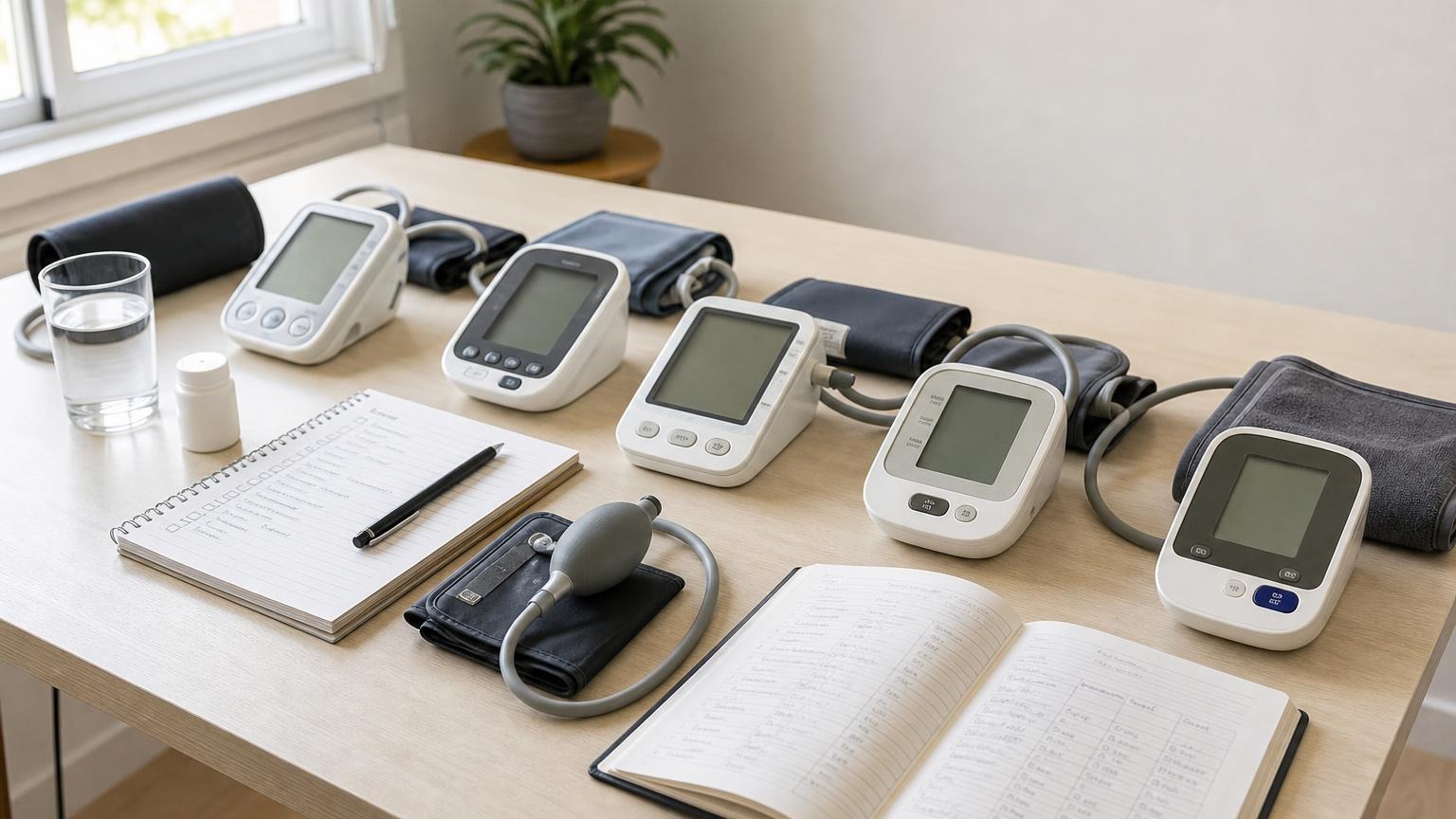
If you need a reliable device for that kind of tracking, start with a validated home blood pressure monitor and take readings at the same times each day.
A practical way to track it
If you suspect pain is affecting your numbers, use a short comparison log.
For one to two weeks, record:
- your blood pressure
- the time of day
- your pain level from 0 to 10
- any pain medication taken
- what the pain is from
Then look for patterns.
If your blood pressure is only high when your pain is 7 out of 10 and normal when your pain is 1 to 3 out of 10, that strongly suggests pain is a major driver. If it stays elevated regardless of pain level, you may be dealing with underlying hypertension too.
This is also useful data to bring to your doctor, because it gives context that a single office reading cannot.
What if your blood pressure is always higher when you hurt?
That is common, and it still deserves attention.
Pain-related spikes may not mean you have chronic hypertension, but they are not meaningless either. Frequent episodes of severe pain place repeated stress on the cardiovascular system, especially if you are older or already have high blood pressure.
The right response is usually not to panic, but to get clearer data:
- treat the underlying pain when possible
- monitor blood pressure at home under consistent conditions
- review your medications
- talk with your clinician if readings stay high between pain episodes
If chronic pain is interfering with sleep, mobility, and daily function, improving pain control may help blood pressure indirectly even if it does not solve everything on its own.
The bottom line
Pain can absolutely raise blood pressure, especially in the short term. That rise is usually a normal stress response, not proof that you have chronic hypertension.
The main mistake to avoid is overinterpreting a single reading taken during obvious discomfort. The better approach is to measure your blood pressure when you are calm, compare those readings to the painful episodes, and look at the pattern over time.
If your numbers remain high even when the pain is under control, that is a stronger sign that something more than pain is going on.
This article is educational and not medical advice. If you have persistently elevated readings or severe blood pressure numbers with concerning symptoms, contact a qualified healthcare professional promptly.
Need a reliable monitor for home tracking?
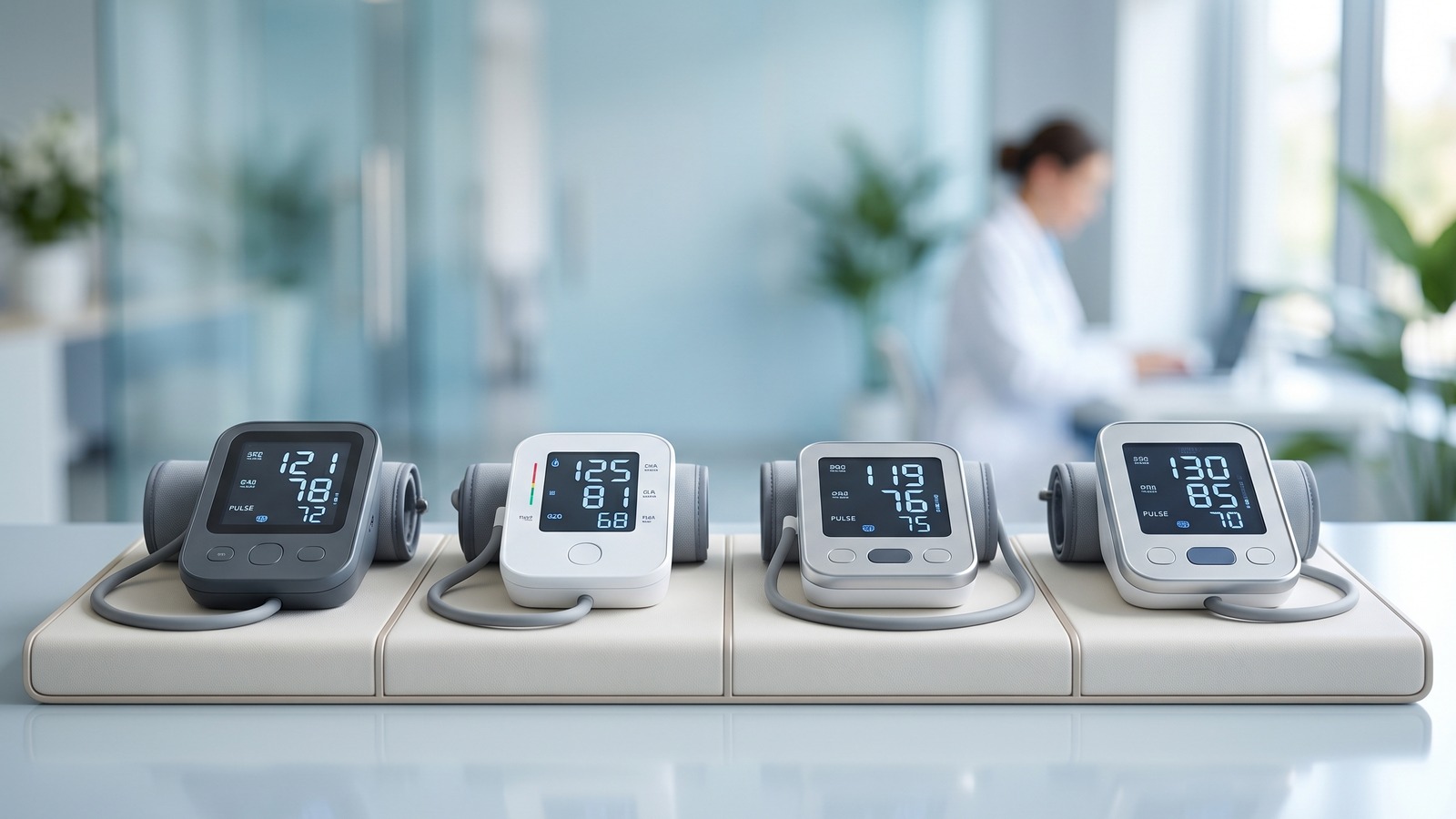
If you are trying to separate temporary pain-related spikes from your true baseline, a good home monitor makes the process much easier. We reviewed and ranked the top options here:
Top 5 picks
Best Blood Pressure Monitors For Seniors 2026
Five upper-arm monitors ranked with published scorecards—setup friction, comfort, readability, power convenience, and repeatable accuracy—so you can compare models before you buy.
See our Top 5 blood pressure monitor picksHome-monitoring advice is only useful if it is easy to verify and act on correctly.
We write explainers to be understandable to readers, search engines, and AI answer systems.
Compare our Top 5 blood pressure monitor picks for 2026, then track readings over time with consistent technique.