Does Smoking Raise Blood Pressure? What Nicotine Actually Does
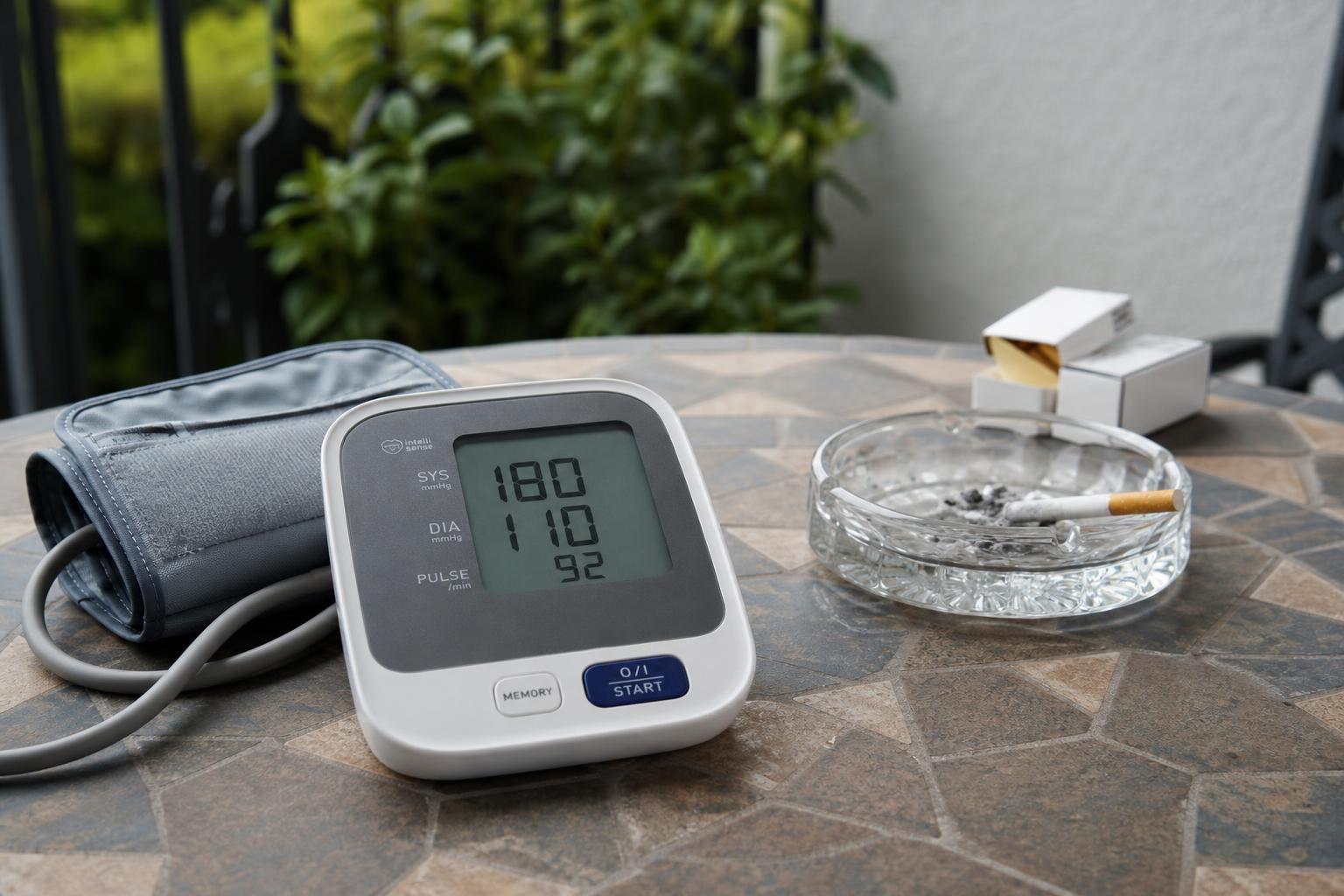
Smoking raises blood pressure right away, and over time it increases cardiovascular risk even when single readings do not stay high all day.
Smoking raises blood pressure right away, and over time it increases cardiovascular risk even when single readings do not stay high all day.
Yes. Smoking raises blood pressure in the short term, sometimes within minutes. The main driver is nicotine, which stimulates the sympathetic nervous system, increases heart rate, narrows blood vessels, and makes the cardiovascular system work harder. Even when a smoker’s resting blood pressure is not dramatically elevated on every reading, smoking still increases the long-term risk of heart attack, stroke, and vascular disease.
That distinction matters. Many people look for a simple yes-or-no answer and get confused when they hear that smoking can cause an immediate blood pressure spike, but chronic smokers do not always show permanently sky-high numbers at every clinic visit. Both can be true. Smoking can raise blood pressure acutely, and it can still damage the cardiovascular system even when the effect is not obvious from a single reading.
What happens to blood pressure right after smoking?
After smoking a cigarette, nicotine is absorbed quickly and triggers the release of adrenaline and other stress hormones. That produces a familiar physiological response:
- heart rate rises
- blood vessels constrict
- systolic blood pressure increases
- the heart needs more oxygen while circulation becomes less efficient
In many people, the effect begins within 5 to 10 minutes and can last for 20 to 60 minutes or more. The exact rise varies by dose, nicotine tolerance, and baseline cardiovascular health, but temporary increases in both blood pressure and pulse are well documented.
This is one reason clinicians recommend avoiding smoking for at least 30 minutes before checking your pressure at home. If you smoke right before measuring, the reading may reflect nicotine’s immediate effect more than your usual resting baseline.
Is it nicotine or the smoke itself?
Nicotine is the main reason smoking causes an immediate blood pressure rise, but it is not the whole story.
Cigarette smoke also contains carbon monoxide and thousands of other chemicals that harm the lining of blood vessels, increase inflammation, and accelerate atherosclerosis over time. So while nicotine explains much of the short-term spike, smoking as a habit creates broader cardiovascular damage that goes well beyond one temporary rise in blood pressure.
That is also why switching from cigarettes to another nicotine source is not the same as eliminating risk. You may reduce some combustion-related harms, but nicotine can still affect blood pressure, heart rate, and blood vessel tone.
Do chronic smokers always have high blood pressure?
Not necessarily on every reading.
This is where the topic gets confusing. Some long-term smokers do not show dramatically elevated resting blood pressure every time it is measured. Researchers think that is partly because repeated nicotine exposure can produce complex adaptations in the nervous system, and because smoking affects cardiovascular risk through multiple pathways beyond clinic blood pressure alone.
In other words, smoking may not always show up as sustained hypertension in a simple, obvious way, but it still raises cardiovascular risk substantially. It contributes to artery stiffness, endothelial dysfunction, clotting risk, and reduced oxygen delivery, all of which make heart and vascular disease more likely.
So if you are asking, “Does smoking raise blood pressure?” the practical answer is still yes, and more importantly, it raises overall cardiovascular risk even more than the number on a single cuff reading may suggest.
What about vaping and nicotine pouches?
Products that deliver nicotine without burning tobacco may avoid some of the toxic byproducts of cigarette smoke, but they can still raise blood pressure in the short term.
That includes:
- e-cigarettes or vapes containing nicotine
- nicotine gum and lozenges
- nicotine pouches
- smokeless tobacco
The size of the effect depends on the dose and speed of nicotine delivery. A nicotine pouch or gum may produce a smaller cardiovascular jolt than smoking a cigarette, but it is still reasonable to expect some short-term rise in blood pressure and heart rate, especially in people who are nicotine-sensitive or who already have hypertension.
If you use nicotine replacement to quit smoking, that is often still a worthwhile tradeoff because the overall risk profile is generally much better than continuing to smoke. But it is not accurate to say nicotine products are neutral for blood pressure.
Can smoking cause long-term high blood pressure?
Smoking is clearly associated with worse cardiovascular outcomes, but its direct relationship with chronic hypertension is more complicated than many people expect.
Some studies show higher rates of hypertension among smokers, while others find a weaker relationship after adjusting for body weight, alcohol use, physical activity, and other factors. Part of the reason is that smoking changes the cardiovascular system in ways that are not captured by office blood pressure alone.
Even when the long-term blood pressure effect is inconsistent on paper, the clinical takeaway is not ambiguous:
- smoking increases stroke risk
- smoking increases heart attack risk
- smoking damages blood vessels
- smoking compounds the danger of already having high blood pressure
For someone who already has hypertension, smoking is especially problematic because it adds vascular injury on top of an already elevated baseline pressure load.
If you smoke, how should you measure your blood pressure at home?
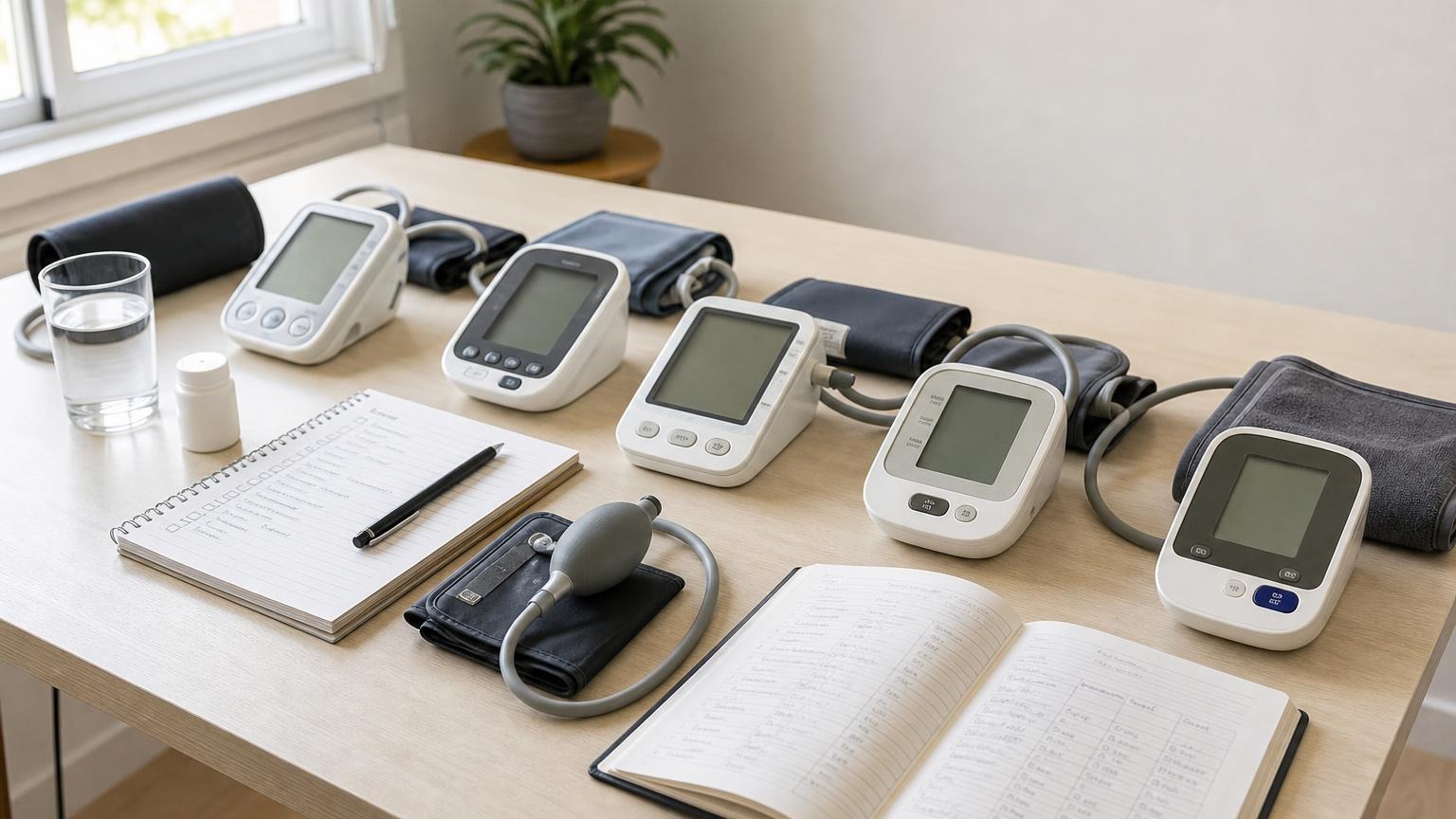
If you are trying to understand your true blood pressure pattern, technique matters.
For the most useful readings:
- do not smoke for at least 30 minutes before measuring
- avoid caffeine and exercise in that same window
- empty your bladder first
- sit quietly for 5 minutes before starting
- take 2 to 3 readings, 1 minute apart, and average them
- measure at the same times each day, usually morning and evening
If you need a reliable cuff for tracking trends, our guide to the best home blood pressure monitors of 2026 is a practical place to start.
What happens if you quit smoking?
Quitting smoking is one of the best things you can do for your cardiovascular health, but people should set realistic expectations about the timeline.
In the short term, your heart rate and blood pressure may improve relatively quickly because the repeated nicotine spikes stop. Over weeks to months, circulation improves, carbon monoxide levels normalize, and strain on the blood vessels begins to decrease.
The bigger benefit is long-term risk reduction. Quitting lowers the risk of heart attack, stroke, peripheral artery disease, and early cardiovascular death. If you also have high blood pressure, quitting removes one major force that is compounding your risk every day.
One nuance is that some people gain weight after quitting, and weight gain can push blood pressure upward. That does not mean quitting was a mistake. It means the best long-term plan is smoking cessation plus attention to activity, diet, sleep, and follow-up monitoring.
When should you seek medical care urgently?
A temporary bump after smoking is not usually an emergency by itself. But very high readings should not be ignored, especially if they come with symptoms.
Seek urgent medical attention if your blood pressure is extremely high, especially around 180/120 mmHg or higher, and you also have symptoms such as:
- chest pain
- shortness of breath
- severe headache
- confusion
- weakness
- vision changes
Those symptoms can suggest a hypertensive emergency or another serious cardiovascular problem.
Bottom line
Smoking raises blood pressure in the short term because nicotine stimulates the body, increases heart rate, and constricts blood vessels. Over time, smoking also causes broader cardiovascular damage that makes heart disease and stroke more likely, even if a single clinic reading does not always look dramatically elevated.
If you smoke and want a clearer picture of your blood pressure, measure at home under consistent conditions and avoid nicotine right before checking. And if you are able to quit, the cardiovascular benefits are substantial.
Need a monitor you can trust?
If you are tracking your readings while cutting back or quitting nicotine, use a validated device and a consistent routine:
This article is educational and not medical advice. Always discuss blood pressure concerns, nicotine use, and quitting strategies with a qualified healthcare professional.
Top 5 picks
Best Blood Pressure Monitors For Seniors 2026
Five upper-arm monitors ranked with published scorecards—setup friction, comfort, readability, power convenience, and repeatable accuracy—so you can compare models before you buy.
See our Top 5 blood pressure monitor picksHome-monitoring advice is only useful if it is easy to verify and act on correctly.
We write explainers to be understandable to readers, search engines, and AI answer systems.
Compare our Top 5 blood pressure monitor picks for 2026, then track readings over time with consistent technique.