What Is Isolated Systolic Hypertension?
Isolated systolic hypertension means the top blood pressure number is high while the bottom number stays normal. Here's what it means, who gets it, and when to take it seriously.
Isolated systolic hypertension means the top blood pressure number is high while the bottom number stays normal. Here's what it means, who gets it, and when to take it seriously.
If your blood pressure reading looks like 148/78, you may wonder which number matters more. The top number is clearly elevated, but the bottom number looks normal. That pattern has a name: isolated systolic hypertension.
It is one of the most common blood pressure patterns in older adults, and it matters because it is not a harmless quirk. Even when the diastolic number is normal, a consistently elevated systolic pressure is still associated with higher risk of stroke, heart disease, kidney problems, and other cardiovascular complications.
The good news is that isolated systolic hypertension is well understood, and it can often be identified more clearly with consistent home monitoring.
The short answer
Isolated systolic hypertension means your systolic blood pressure is high while your diastolic blood pressure remains normal.
In practical terms, that usually means:
- Systolic: 130 mmHg or higher
- Diastolic: less than 80 mmHg
So a reading like 136/76 or 152/74 may fit this pattern if it shows up consistently over multiple readings.
One reading alone does not diagnose anything. Blood pressure naturally changes throughout the day, so the pattern matters more than a single number.
What do systolic and diastolic mean?
The systolic number is the top number. It reflects the pressure in your arteries when the heart beats.
The diastolic number is the bottom number. It reflects the pressure in your arteries when the heart relaxes between beats.
When only the top number runs high, it usually means the large arteries have become stiffer and less able to absorb pressure smoothly. That is why isolated systolic hypertension becomes more common with age.
Why it happens
The most common reason is arterial stiffness.
As people get older, the aorta and other large arteries gradually lose some of their elasticity. Instead of expanding easily with each heartbeat, they become less flexible. That makes the pressure spike higher when the heart pumps blood forward.
Several factors can contribute:
- Aging
- Atherosclerosis or long-term vessel changes
- Diabetes
- Kidney disease
- Smoking history
- Excess sodium intake
- Obesity and inactivity
Sometimes the pattern is also exaggerated by how the reading is taken. A cuff that is too small, talking during the measurement, or taking a reading right after activity can push the systolic number up artificially.
Is it common?
Yes. Isolated systolic hypertension is especially common in older adults, and in many people over age 60 it is the most common form of high blood pressure.
That does not mean it should be ignored. In fact, elevated systolic pressure is often a stronger predictor of cardiovascular risk in older adults than diastolic pressure.
Is isolated systolic hypertension dangerous?
It can be.
A persistently high systolic pressure increases the strain on the heart and blood vessels even if the diastolic number looks fine. Over time, that can raise the risk of:
- Stroke
- Heart attack
- Heart failure
- Kidney damage
- Cognitive decline
This is one reason clinicians do not dismiss a reading just because the bottom number is normal. A top number in the 140s or 150s still deserves attention.
What counts as isolated systolic hypertension?
Under current U.S. guidelines, blood pressure is considered high when the systolic is 130 or higher or the diastolic is 80 or higher.
That means isolated systolic hypertension generally falls into one of these patterns:
- 130 to 139 / under 80 = isolated systolic stage 1 hypertension
- 140 or higher / under 90 = isolated systolic stage 2 hypertension in many real-world cases
The exact diagnosis should come from a clinician, especially because age, other medical conditions, and repeated measurements all matter.
How to tell if your reading is real or just a one-off
This is where home monitoring helps.
A single office reading can be misleading because of stress, rushing, pain, or the white coat effect. A single home reading can also be misleading if your technique is off.
To get a more useful baseline:
- Sit quietly for 5 minutes before measuring.
- Keep your back supported and feet flat on the floor.
- Rest your arm at heart level.
- Do not talk during the reading.
- Take 2 to 3 readings, one minute apart.
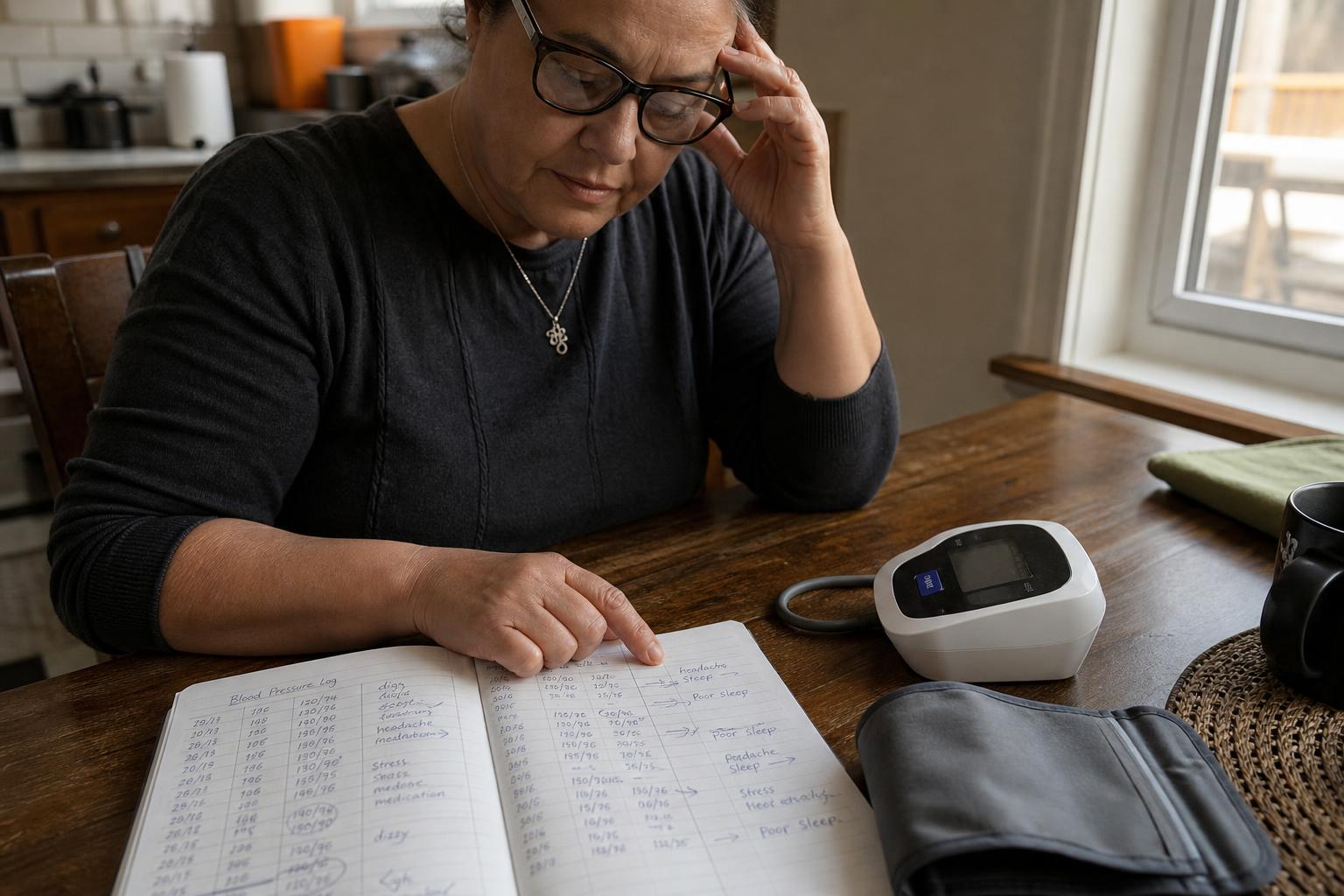
- Repeat this at the same times of day for several days.
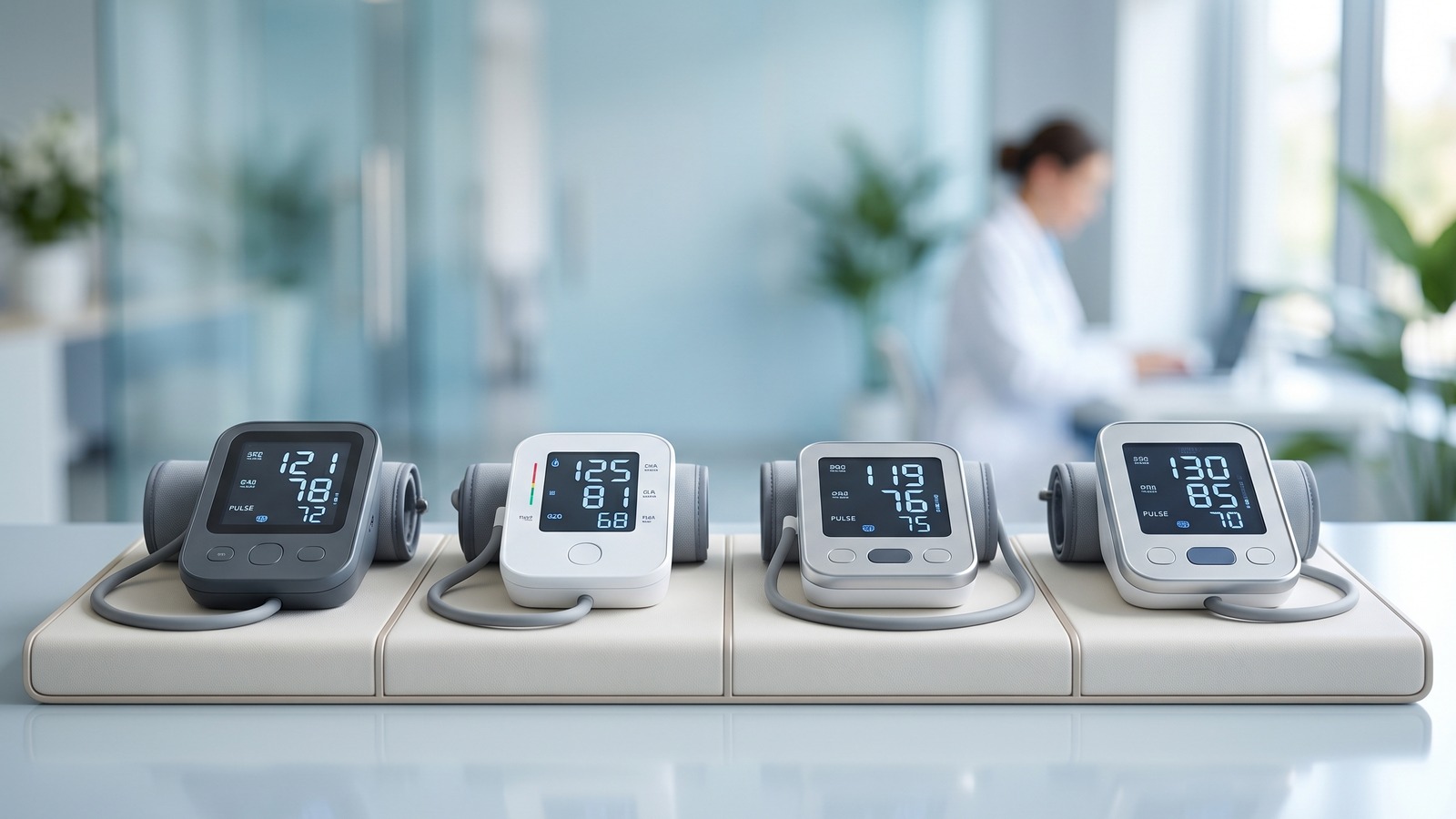
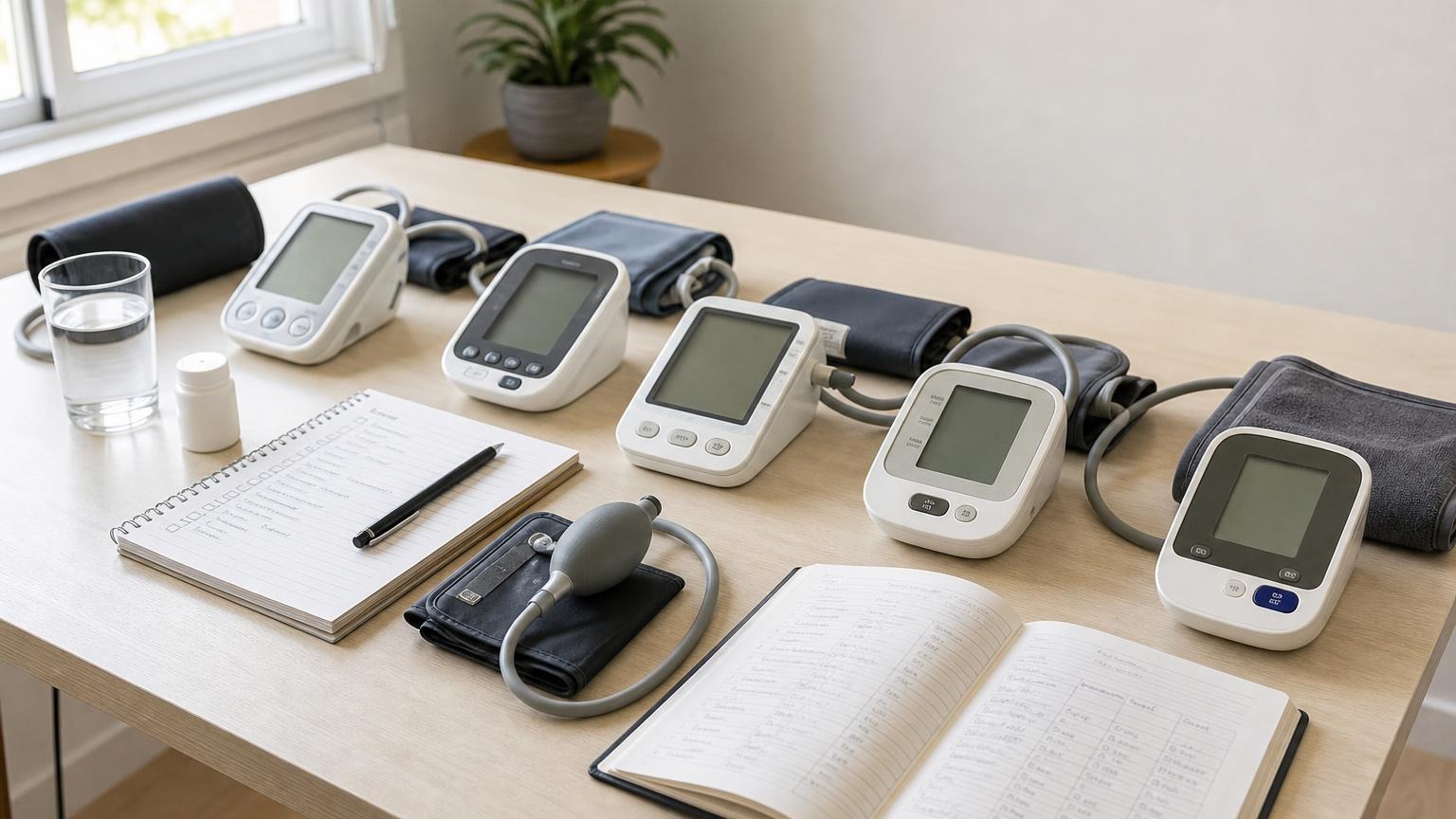
If you are still shopping for a monitor, our guide to the best home blood pressure monitors for 2026 can help you compare validated upper-arm options that are more likely to give dependable readings.
Common causes of falsely high systolic readings at home
Before assuming you have isolated systolic hypertension, make sure you are not running into a technique problem. The most common ones are:
- Using the wrong cuff size
- Taking the reading right after climbing stairs or walking around
- Talking or moving during inflation
- Measuring over clothing
- Letting the arm hang below heart level
- Using a wrist monitor incorrectly
Systolic pressure is especially sensitive to these kinds of errors.
When should you worry?
You should not panic over one elevated number, but some situations deserve prompt follow-up.
Contact a clinician soon if:
- your home systolic readings are consistently 130 or higher
- your readings are often 140 or higher even when you are rested
- your numbers have increased noticeably over a short period
- you have diabetes, kidney disease, known heart disease, or prior stroke
Seek urgent medical care if your blood pressure is over 180/120 or if high readings come with symptoms like chest pain, shortness of breath, confusion, severe headache, or vision changes.
How is it treated?
Treatment depends on how high the readings are and what other risk factors you have.
Common treatment approaches include:
- Reducing sodium intake
- Losing weight if needed
- Regular aerobic activity
- Limiting alcohol
- Improving sleep and sleep apnea management when relevant
- Medication, especially when readings stay elevated or cardiovascular risk is high
For many people, the goal is not just to lower a single number. It is to reduce long-term strain on the heart, brain, kidneys, and blood vessels.
Does low diastolic pressure change the picture?
Sometimes, yes.
In some older adults, the systolic number is high while the diastolic number is quite low, such as 158/62. That can reflect increased arterial stiffness and may require a more individualized treatment plan. Clinicians often balance the benefit of lowering systolic pressure against the need to avoid lowering diastolic pressure too aggressively.
That is one reason medication decisions should be made with a qualified clinician, not based on a single article or a single reading.
The bottom line
Isolated systolic hypertension means the top number is high and the bottom number stays normal. It is common, especially with aging, but it is not benign. If the pattern is persistent, it can still increase the risk of serious cardiovascular problems.
The most useful next step is not to obsess over one reading. It is to take careful, repeated measurements with good technique and share the trend with your clinician.
A validated upper-arm monitor, used consistently, gives you the clearest picture of whether the pattern is real and whether treatment is working.
Looking for a reliable home monitor?
This article is educational and not medical advice. Always discuss persistent high blood pressure readings and treatment decisions with a qualified healthcare professional.
Top 5 picks
Best Blood Pressure Monitors For Seniors 2026
Five upper-arm monitors ranked with published scorecards—setup friction, comfort, readability, power convenience, and repeatable accuracy—so you can compare models before you buy.
See our Top 5 blood pressure monitor picksHome-monitoring advice is only useful if it is easy to verify and act on correctly.
We write explainers to be understandable to readers, search engines, and AI answer systems.
Compare our Top 5 blood pressure monitor picks for 2026, then track readings over time with consistent technique.