What Is Nocturnal Hypertension? Why High Blood Pressure at Night Matters
Nocturnal hypertension means your blood pressure stays too high while you sleep. Learn why it matters, who is at risk, and how home and ambulatory monitoring can uncover it.
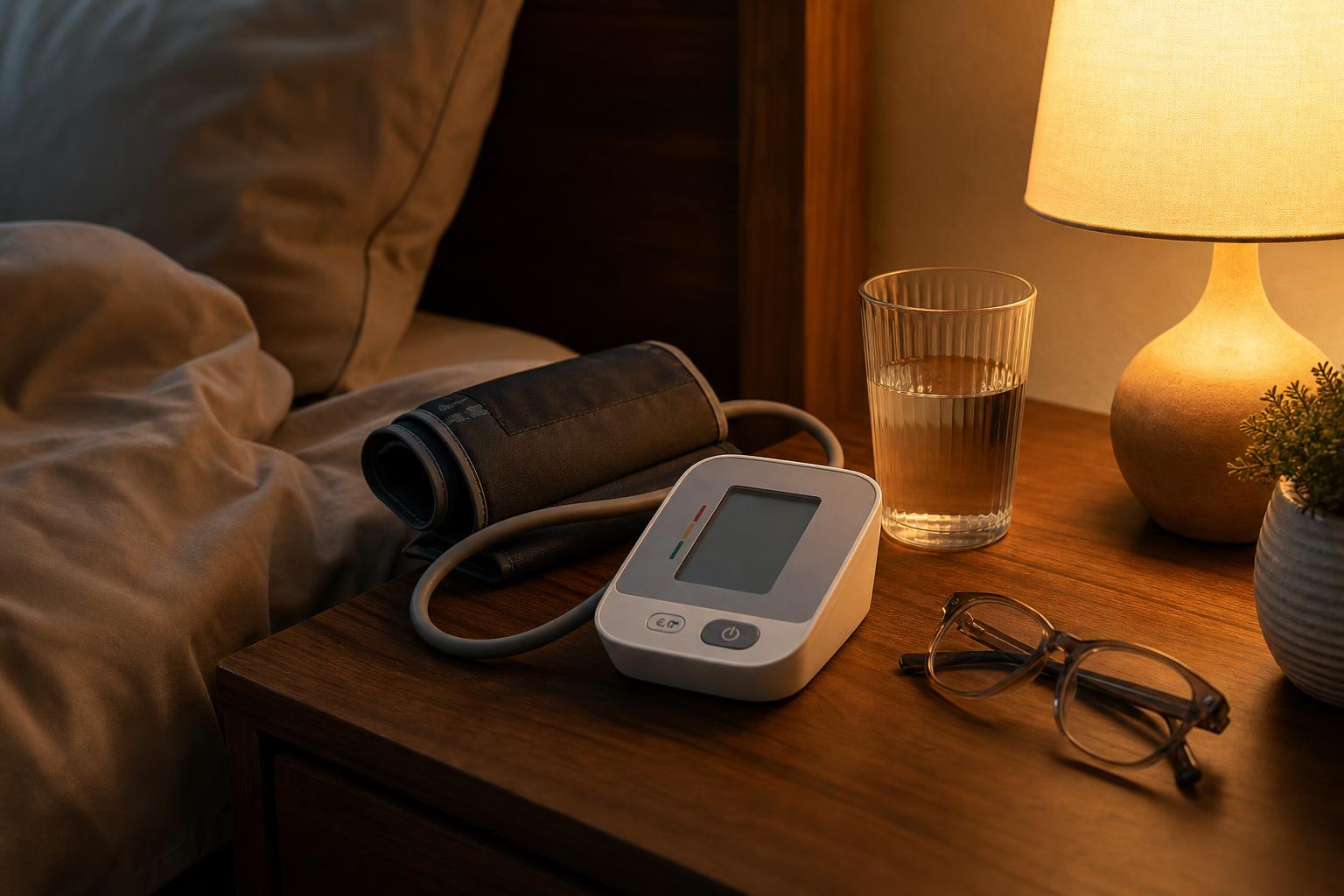
Nocturnal hypertension means your blood pressure stays too high while you sleep. Learn why it matters, who is at risk, and how home and ambulatory monitoring can uncover it.
Most people think about blood pressure as a daytime problem. You check it in the morning, maybe again in the evening, and assume sleep is when your cardiovascular system gets a break.
Usually, that is true. In healthy blood pressure patterns, pressure falls during sleep by about 10 to 20 percent. This is called normal nighttime dipping.
But in some people, blood pressure does not fall enough at night, or it may even stay elevated while they sleep. That pattern is called nocturnal hypertension, and it matters more than many people realize.
In fact, nighttime blood pressure can predict cardiovascular risk even better than daytime office readings in some studies. A person may look reasonably controlled during a clinic visit but still carry meaningful risk overnight.
What nocturnal hypertension means
Nocturnal hypertension means your blood pressure is too high during sleep.
Depending on the guideline and testing method used, clinicians generally become concerned when average nighttime blood pressure is around 110/65 mmHg or higher on ambulatory monitoring. The exact threshold can vary slightly, but the broader point is simple: blood pressure should normally drop during sleep, not stay persistently elevated.
There are two related patterns clinicians look for:
- Nocturnal hypertension, meaning nighttime blood pressure is too high
- Non-dipping or reverse dipping, meaning blood pressure fails to fall normally during sleep or actually rises overnight
These patterns often overlap, but they are not identical. Someone can have a reduced dip without overt nighttime hypertension, while another person may have both.
Why blood pressure is supposed to drop at night
Sleep is typically a lower-demand period for the cardiovascular system.
During normal sleep:
- sympathetic nervous system activity decreases
- heart rate slows
- blood vessels relax somewhat
- physical activity stops
- stress hormones follow a healthier overnight rhythm
The result is a lower blood pressure baseline for several hours.
When that drop does not happen, it may signal that the body is under persistent physiological strain, even if the person feels fine.
Why nocturnal hypertension matters
This is not just an interesting data pattern. It is clinically important.
Research has linked nocturnal hypertension to a higher risk of:
- stroke
- heart attack
- heart failure
- kidney damage
- thickening of the heart muscle
- progression to sustained hypertension
Nighttime blood pressure may be especially relevant because it reflects what your cardiovascular system is doing during a long, controlled window, without the noise of walking, talking, commuting, or daily stressors.
That is one reason ambulatory blood pressure monitoring is so valuable. It can uncover risk that a normal office reading misses, similar to what happens with masked hypertension.
Who is more likely to have it?
Nocturnal hypertension is more common in people with certain risk factors or medical conditions.
Higher-risk groups include people with:
- obstructive sleep apnea
- chronic kidney disease
- diabetes or insulin resistance
- obesity
- older age
- high sodium intake
- resistant hypertension
- autonomic dysfunction
- heavy alcohol use
- poorly timed blood pressure medication
Sleep apnea is one of the most important associations. Repeated drops in oxygen and arousal from sleep can drive surges in sympathetic activity, which pushes blood pressure up when it should be drifting down.
Common reasons it happens
There is no single cause, but several mechanisms show up repeatedly.
1. Sleep apnea
This is one of the biggest ones. People with untreated obstructive sleep apnea often have reduced dipping or outright nocturnal hypertension because breathing interruptions trigger repeated stress responses overnight.
If you snore loudly, wake gasping, feel unrefreshed, or are very sleepy during the day, it is worth discussing sleep apnea testing with a clinician.
2. Too much sodium or fluid retention
Some people are especially salt-sensitive. High sodium intake can make it harder for blood pressure to settle overnight, particularly in older adults and people with kidney disease.
3. Blood pressure medication that wears off too early
A person may look controlled during the day but lose coverage overnight if medication timing or duration is not a good fit.
This does not mean you should change medication timing on your own. It means nighttime patterns can be useful information for your clinician.
4. Chronic sympathetic activation
Poor sleep, stress, pain, alcohol, and certain underlying conditions can keep the nervous system more activated than it should be overnight.
5. Kidney disease or metabolic disease
Both can alter fluid balance, vascular tone, and hormonal regulation in ways that make nighttime blood pressure harder to control.
Can you detect it with a regular home monitor?
Sometimes, but not reliably enough on its own.
A standard home blood pressure monitor is still useful, especially if you take readings in the evening and first thing in the morning. Those numbers can raise suspicion if your pressure is consistently high at both ends of the night.
But the best test for nocturnal hypertension is 24-hour ambulatory blood pressure monitoring, often called ABPM. This uses a portable cuff that inflates automatically during the day and while you sleep.
ABPM can show:
- whether your blood pressure dips normally at night
- whether it stays elevated while you sleep
- whether medication control fades before morning
- whether clinic readings are missing the real pattern
If you want a dependable device for home tracking before or after formal testing, use a validated home blood pressure monitor and follow consistent technique.
Signs that should make you suspicious
Nocturnal hypertension usually does not cause obvious symptoms. Many people feel completely normal.
Still, it is worth asking about if:
- your office blood pressure looks okay, but organ-risk factors seem out of proportion
- your morning readings are consistently much higher than your evening readings
- you have resistant hypertension despite treatment
- you have known sleep apnea, kidney disease, or diabetes
- your clinician suspects white coat hypertension or masked hypertension, but the story does not fully fit
A morning reading alone cannot diagnose nocturnal hypertension, but repeated high morning readings can be a clue that your blood pressure was not settling well overnight.
What about the morning surge?
The morning surge is the normal rise in blood pressure that happens after waking. Everyone has some degree of it.
The problem is that an exaggerated morning surge can coexist with nocturnal hypertension or non-dipping. In other words, blood pressure may stay too high overnight and then rise even further in the early morning.
That pattern may help explain why cardiovascular events are more common in the first few hours after waking.
What happens if you are diagnosed with it?
Treatment depends on the cause and your overall risk profile.
Common next steps may include:
- confirming the pattern with ambulatory or structured home monitoring
- screening for sleep apnea
- reducing excess sodium intake
- improving sleep quality and consistency
- reviewing alcohol intake
- checking kidney and metabolic health
- discussing whether medication choice or timing needs adjustment
The key point is that treatment should be individualized. Do not start moving doses around on your own just because you suspect nighttime blood pressure issues.
How to track blood pressure more usefully at home
Even though home monitors cannot fully replace ambulatory testing overnight, they are still extremely useful.
For the best signal:
- take readings at the same times each day
- measure in the evening before bed, not after rushing around
- measure again in the morning before caffeine, breakfast, or activity
- take two or three readings and average the last two
- log the values for at least 5 to 7 days
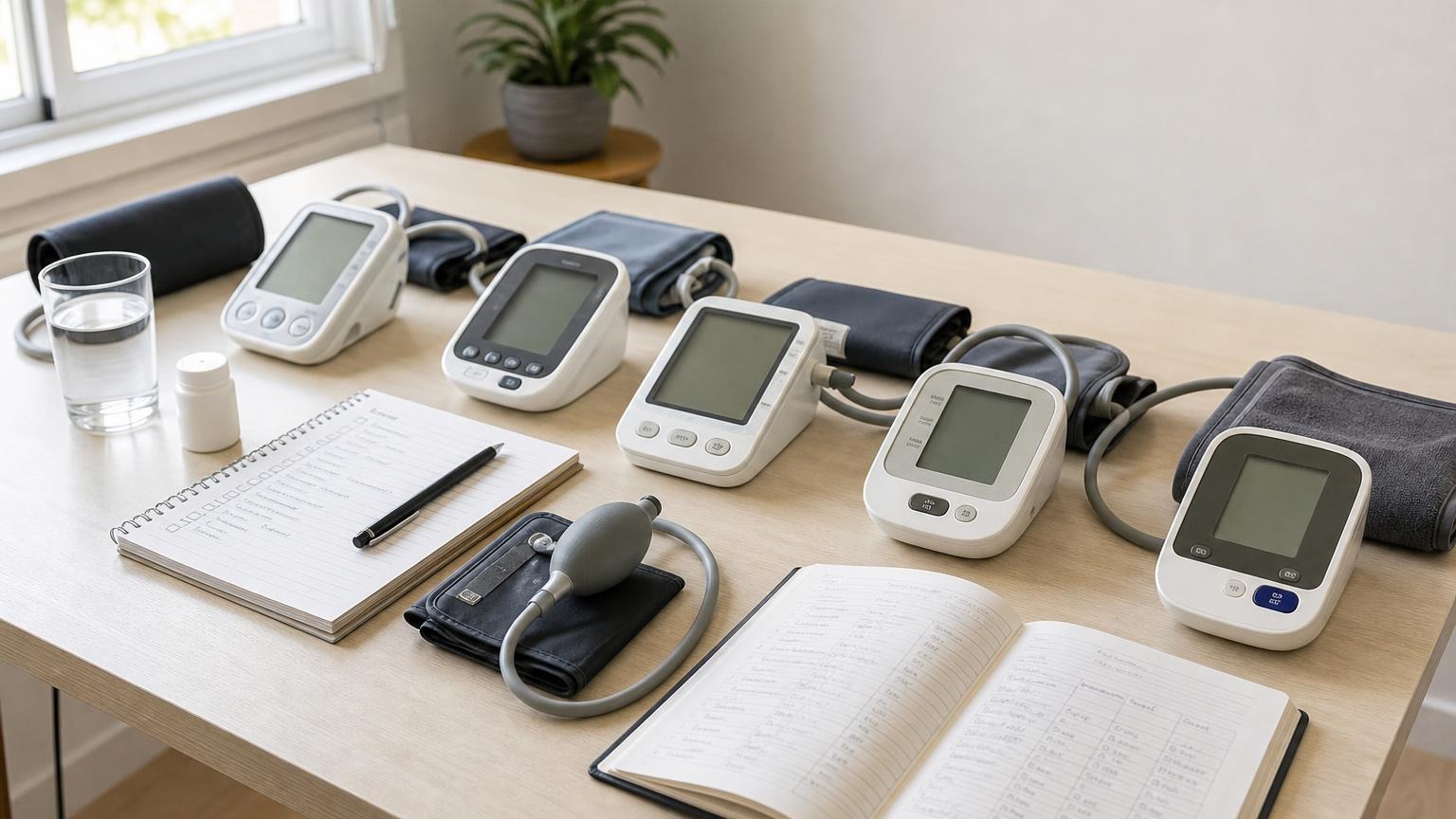
If you are not sure whether your monitor is trustworthy, start with our guide to the best home blood pressure monitors of 2026. A validated monitor does not diagnose nocturnal hypertension by itself, but it gives you much better data to discuss with your clinician.
The practical takeaway
Nocturnal hypertension means your blood pressure stays too high during sleep, when it should normally fall. It often goes unnoticed because routine office visits and casual home checks can miss it.
That is why it matters. If nighttime blood pressure is elevated, cardiovascular risk can still be significant even when daytime numbers look reassuring.
If you have sleep apnea, kidney disease, resistant hypertension, or consistently high morning readings, ask a clinician whether your blood pressure pattern deserves a closer look.
This article is educational and not medical advice. Speak with a qualified healthcare professional before making decisions about diagnosis, medication, or treatment.
Need a better monitor for home tracking?
If you are building a useful blood pressure log, the device matters less than most people think, but validation and ease of use still matter.
Top 5 picks
Best Blood Pressure Monitors For Seniors 2026
Five upper-arm monitors ranked with published scorecards—setup friction, comfort, readability, power convenience, and repeatable accuracy—so you can compare models before you buy.
See our Top 5 blood pressure monitor picksHome-monitoring advice is only useful if it is easy to verify and act on correctly.
We write explainers to be understandable to readers, search engines, and AI answer systems.
Compare our Top 5 blood pressure monitor picks for 2026, then track readings over time with consistent technique.