Can Stress Cause High Blood Pressure? What the Research Actually Shows
Stress temporarily spikes blood pressure, but can it cause chronic hypertension? The surprising science behind stress, cortisol, and cardiovascular risk.
Stress temporarily spikes blood pressure, but can it cause chronic hypertension? The surprising science behind stress, cortisol, and cardiovascular risk.
The short answer: stress absolutely raises your blood pressure — but only temporarily. The longer answer is more nuanced, and it matters if you’re trying to understand whether your stressful job, chronic anxiety, or daily hassles are putting you at risk for hypertension.
A 2024 meta-analysis in JAMA Cardiology reviewed 47 longitudinal studies and found that chronic psychological stress is associated with a 19% increased risk of developing hypertension — but the relationship is indirect. Stress doesn’t directly damage your blood vessels the way salt or smoking does. It acts through behavioral and hormonal pathways that compound over time.
What happens during acute stress
When you’re startled, anxious, or facing a deadline, your sympathetic nervous system kicks in. Your adrenal glands release adrenaline and cortisol. Heart rate increases. Blood vessels constrict. Blood pressure spikes — often by 20–40 mmHg systolic.
This is a normal, adaptive response. It’s called the “fight-or-flight” reaction, and it’s the same mechanism that kept our ancestors alive when facing immediate physical threats.
The spike is temporary. Once the stressor passes, blood pressure typically returns to baseline within 15–30 minutes. If you measure your blood pressure immediately after an argument, a near-miss on the highway, or a work crisis, you’ll see elevated numbers. That’s expected. It’s not hypertension.
The real concern: chronic stress
The question isn’t whether stress can raise blood pressure — it’s whether chronic stress can cause sustained high blood pressure.
Current evidence suggests it can, but indirectly:
1. Stress disrupts healthy behaviors
People under chronic stress are more likely to:
- Eat high-sodium, high-calorie comfort foods
- Drink more alcohol
- Sleep poorly
- Skip exercise
- Smoke or resume smoking
Each of these behaviors independently raises blood pressure. A 2023 study in Circulation found that people reporting high chronic stress consumed an average of 800 mg more sodium daily than low-stress controls, and were twice as likely to skip planned exercise sessions.
2. Chronic stress may damage blood vessels
Prolonged elevation of cortisol and inflammatory markers appears to contribute to endothelial dysfunction — a stiffening and reduced flexibility of blood vessel walls that makes it harder for them to dilate properly. This increases vascular resistance and, over years, can contribute to sustained hypertension.
A 2022 study tracking 4,100 adults over 18 years found that those in the highest quartile of chronic stress had measurably stiffer arteries by midlife, independent of other cardiovascular risk factors.
3. Stress and “white coat hypertension”
Some people experience significant blood pressure spikes specifically in medical settings, driven by anxiety. This is called white coat hypertension. For years it was dismissed as harmless, but newer evidence suggests it may predict future sustained hypertension and increased cardiovascular risk.
If medical visits consistently give you high readings while home measurements are normal, that’s worth discussing with your doctor. It may warrant closer monitoring, though it’s not the same as sustained hypertension.
What you can do
If you’re dealing with chronic stress and worried about your blood pressure:
Measure at home, not just when stressed
Capture a true baseline. Home monitoring avoids the anxiety spike of clinical visits and gives you a pattern over time, not just isolated high readings. Most guidelines now recommend home monitoring as the gold standard for diagnosing hypertension.
If you do not already have a validated monitor, start with our guide to the best home blood pressure monitors. If stress seems to be distorting your numbers, it also helps to review how often to check blood pressure at home so you are building a calmer, more consistent baseline.
Address the behaviors, not just the stress
Stress-reduction techniques like meditation, therapy, or breathing exercises can help, but they’re most effective when paired with concrete behavioral changes:
- Prioritize sleep. Even one night of poor sleep raises blood pressure the next day. Chronic sleep deprivation is a documented independent risk factor for hypertension.
- Reduce sodium intake. High-stress periods often coincide with reliance on fast food and processed snacks — all high in sodium.
- Move daily. Even a 20-minute walk lowers blood pressure for hours afterward and improves stress resilience over time.
- Limit alcohol. More than two drinks per day is linked to sustained blood pressure elevation.
Don’t ignore consistently high readings
If your home measurements consistently show blood pressure at or above 130/80 mmHg over a one-week period — measured correctly, under calm conditions — that warrants a conversation with your doctor, regardless of your stress level.
Stress may be a contributing factor, but it’s rarely the only factor. Genetics, diet, activity level, and underlying conditions all play a role. Treatment decisions should be guided by your overall cardiovascular risk profile, not just one isolated cause.
The bottom line
Stress raises blood pressure in the moment, but it’s unlikely to be the sole cause of chronic hypertension. What stress does do is create conditions — behavioral and biological — that increase risk over time.
If you’re managing chronic stress, the best thing you can do for your cardiovascular health is track your blood pressure at home, focus on sustainable behavioral changes, and discuss the pattern with your doctor. A single high reading during a stressful week is not a diagnosis. A consistent pattern across multiple weeks is.
This article is educational and not medical advice. Always consult a qualified healthcare provider before making decisions about blood pressure management or treatment.
Top 5 picks
Best Blood Pressure Monitors For Seniors 2026
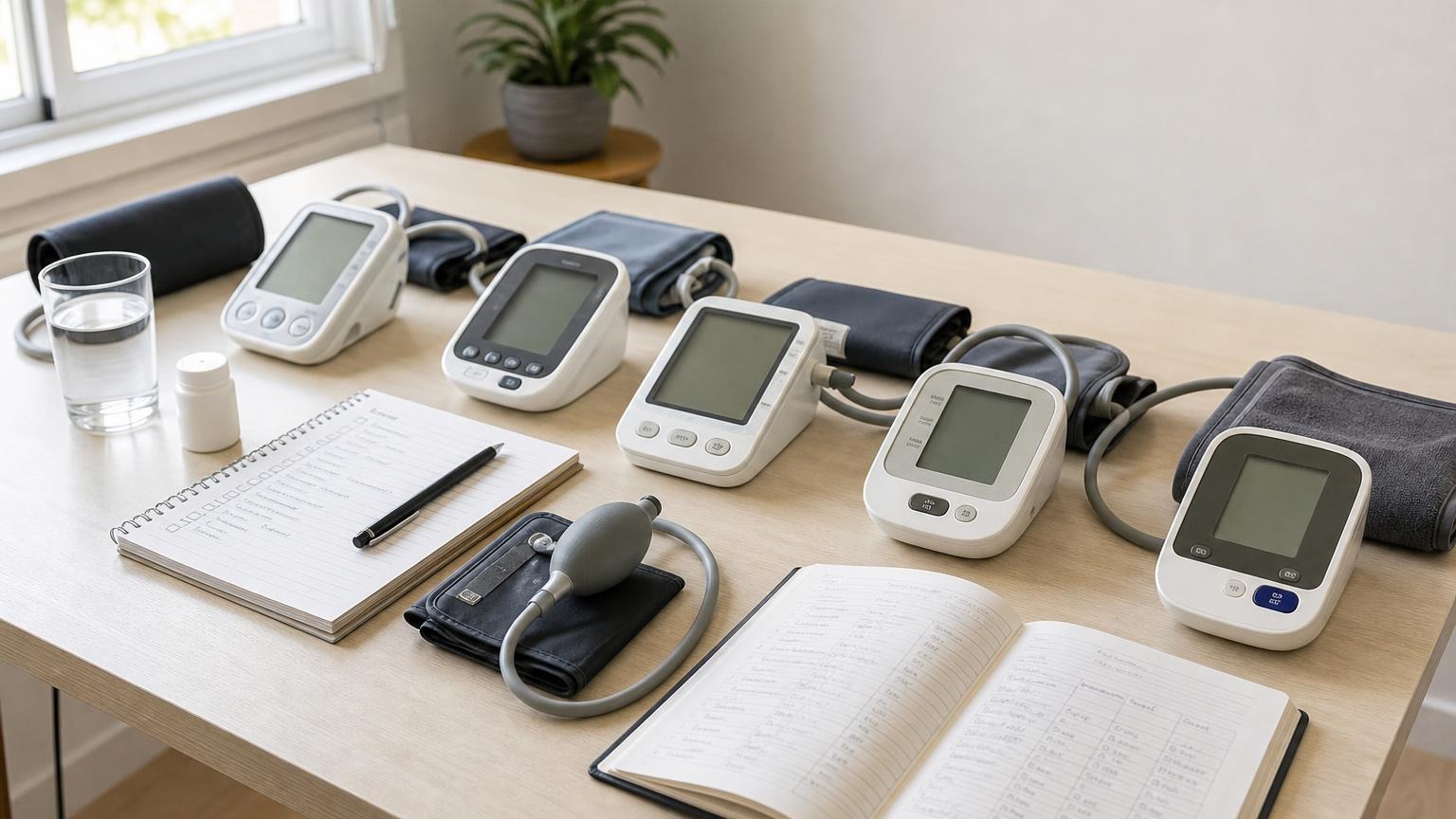
Five upper-arm monitors ranked with published scorecards—setup friction, comfort, readability, power convenience, and repeatable accuracy—so you can compare models before you buy.
See our Top 5 blood pressure monitor picksHome-monitoring advice is only useful if it is easy to verify and act on correctly.
We write explainers to be understandable to readers, search engines, and AI answer systems.
Compare our Top 5 blood pressure monitor picks for 2026, then track readings over time with consistent technique.