Does Alcohol Raise Blood Pressure? What the Research Says
Even moderate drinking can raise blood pressure — and the effect is dose-dependent, cumulative, and reversible. What you need to know about alcohol and hypertension.
Even moderate drinking can raise blood pressure — and the effect is dose-dependent, cumulative, and reversible. What you need to know about alcohol and hypertension.
Yes. Alcohol raises blood pressure, and the effect is neither trivial nor limited to heavy drinkers. A 2019 meta-analysis in Hypertension found that even one drink per day is associated with a measurable increase in systolic and diastolic pressure — and the relationship is linear, meaning more alcohol equals higher pressure, with no apparent safe threshold.
The clinical consensus is clear: if you have high blood pressure or are at risk for it, reducing alcohol intake is one of the most effective non-pharmaceutical interventions available.
The immediate effect
Alcohol has a biphasic cardiovascular effect. In the first few hours after drinking, blood pressure may actually drop slightly as blood vessels dilate. This is why some people feel flushed or warm after a drink.
But within 12–24 hours, blood pressure rebounds — and it typically overshoots the baseline. A 2021 study in JAMA Network Open found that participants who drank three or more drinks in an evening had systolic pressure elevated by an average of 8 mmHg the following morning, even after the alcohol had been fully metabolized.
This rebound effect is why home blood pressure monitoring can be misleading if you’re measuring at inconsistent times relative to drinking. If you drink in the evening and measure the next morning, you’re capturing the peak of the rebound.
The chronic effect
Regular drinking has a sustained dose-dependent effect on blood pressure. The mechanism is complex and involves:
- Sympathetic nervous system activation, which increases heart rate and constricts blood vessels
- Increased cortisol and renin-angiotensin system activity, which regulates fluid balance and vascular tone
- Endothelial dysfunction, which impairs the blood vessels’ ability to dilate normally
- Weight gain and metabolic changes, which independently raise blood pressure
A 2020 analysis pooling data from over 100,000 participants found that compared to non-drinkers:
- One drink per day raised systolic pressure by 1–2 mmHg on average
- Two drinks per day raised it by 4–5 mmHg
- Three or more drinks per day raised it by 7–10 mmHg or more
That may sound small, but a sustained 5 mmHg increase in systolic pressure is associated with roughly a 20% increase in cardiovascular event risk over a decade.
What counts as a drink?
Standard drink definitions vary by country, but in the United States:
- Beer: 12 oz at 5% ABV
- Wine: 5 oz at 12% ABV
- Spirits: 1.5 oz at 40% ABV (80 proof)
Each of these contains about 14 grams of pure alcohol. A large glass of wine at a restaurant is often 8–10 oz, which is two drinks. A craft IPA at 7% ABV is more than one drink. Many people unintentionally exceed the “one drink per day” threshold without realizing it.
The good news: the effect is reversible
Multiple studies have shown that reducing alcohol intake lowers blood pressure within weeks. A 2020 randomized trial in The Lancet found that participants who cut their intake from three drinks per day to one drink per day saw an average drop of 5.5 mmHg systolic and 4.0 mmHg diastolic within four weeks.
Quitting entirely produced even larger reductions — particularly in people who were drinking heavily. In one cohort study, participants who stopped drinking after years of regular use saw systolic pressure drop by an average of 7.2 mmHg within six months.
This makes alcohol reduction one of the few lifestyle changes with a rapid, measurable, and sustained impact on blood pressure.
What if I’m already taking blood pressure medication?
Alcohol can interfere with some blood pressure medications and may reduce their effectiveness. More importantly, alcohol plus medication can cause blood pressure to drop too low, especially in the hours immediately after drinking.
If you’re on medication and you drink regularly, it’s worth discussing with your doctor. In many cases, reducing alcohol allows for lower medication doses — or even discontinuation in people whose hypertension was primarily alcohol-related.
Practical takeaways
If you have high blood pressure or borderline-high readings:
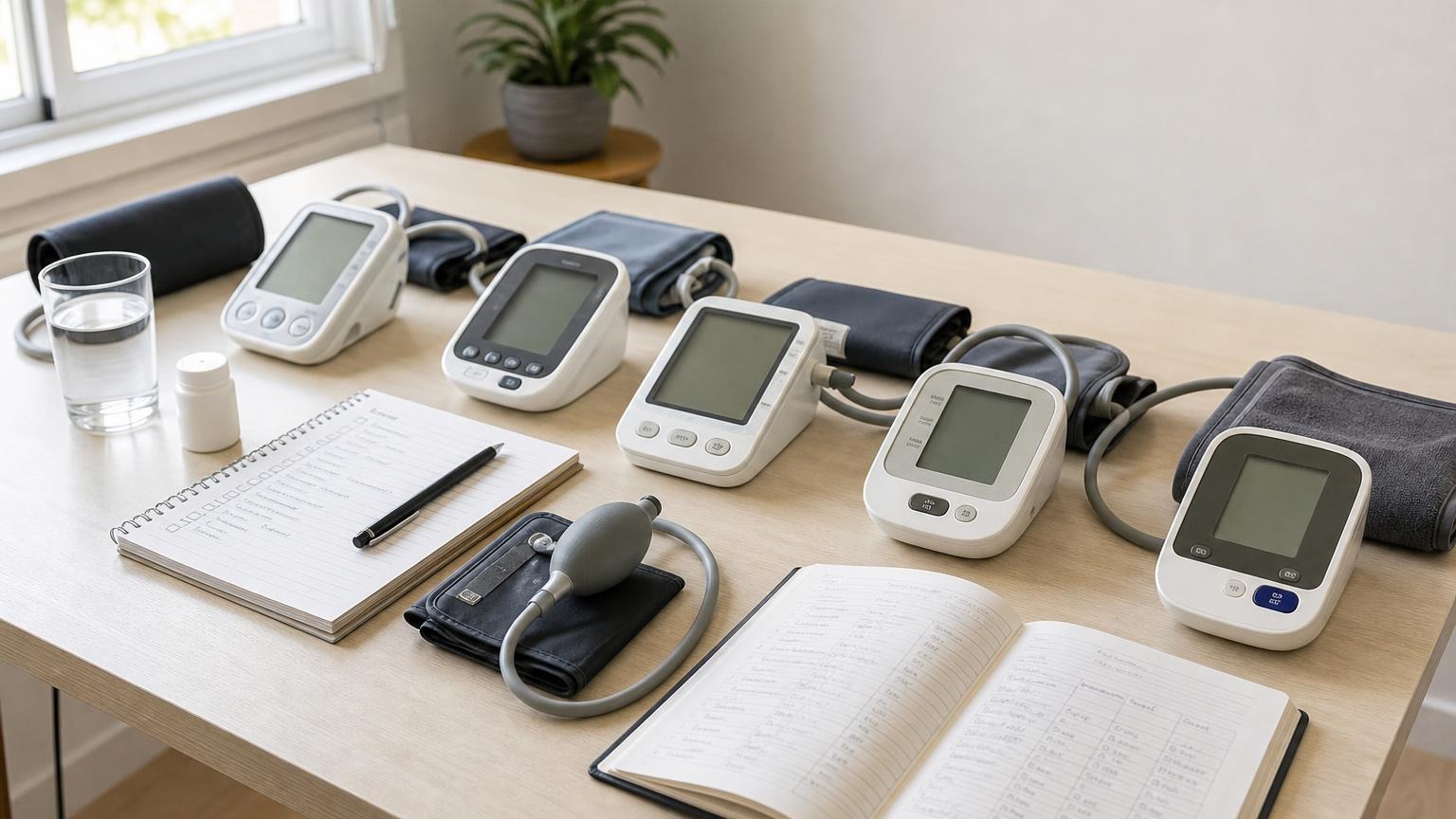
- Track your drinking alongside your blood pressure. Use a validated home monitor and log both your readings and your alcohol intake. You may find a clear pattern.
- Try a reduction trial. Cut your intake in half for four weeks and measure your pressure weekly. If you see a meaningful drop, you’ve identified a modifiable risk factor.
- Don’t assume “moderate” is safe. The epidemiological data suggests there’s no clear threshold below which alcohol has no effect on blood pressure.
- Be honest with your doctor. Many people underreport their alcohol intake to clinicians. If your blood pressure is high and you’re drinking regularly, it’s relevant information.
What about red wine and heart health?
The “red wine is good for your heart” narrative has been largely debunked. The original observational studies that suggested a protective effect were confounded by lifestyle factors — people who drank wine in moderation were also more likely to exercise, eat well, and have higher incomes.
More recent Mendelian randomization studies, which use genetic variants to isolate the effect of alcohol from confounding factors, have found no cardiovascular benefit and a clear dose-dependent harm. In 2023, the World Health Organization stated that “no level of alcohol consumption is safe for health.”
If you enjoy drinking and your blood pressure is normal, the decision is yours. But if you’re drinking for your heart, the evidence doesn’t support it.
Monitoring your blood pressure at home
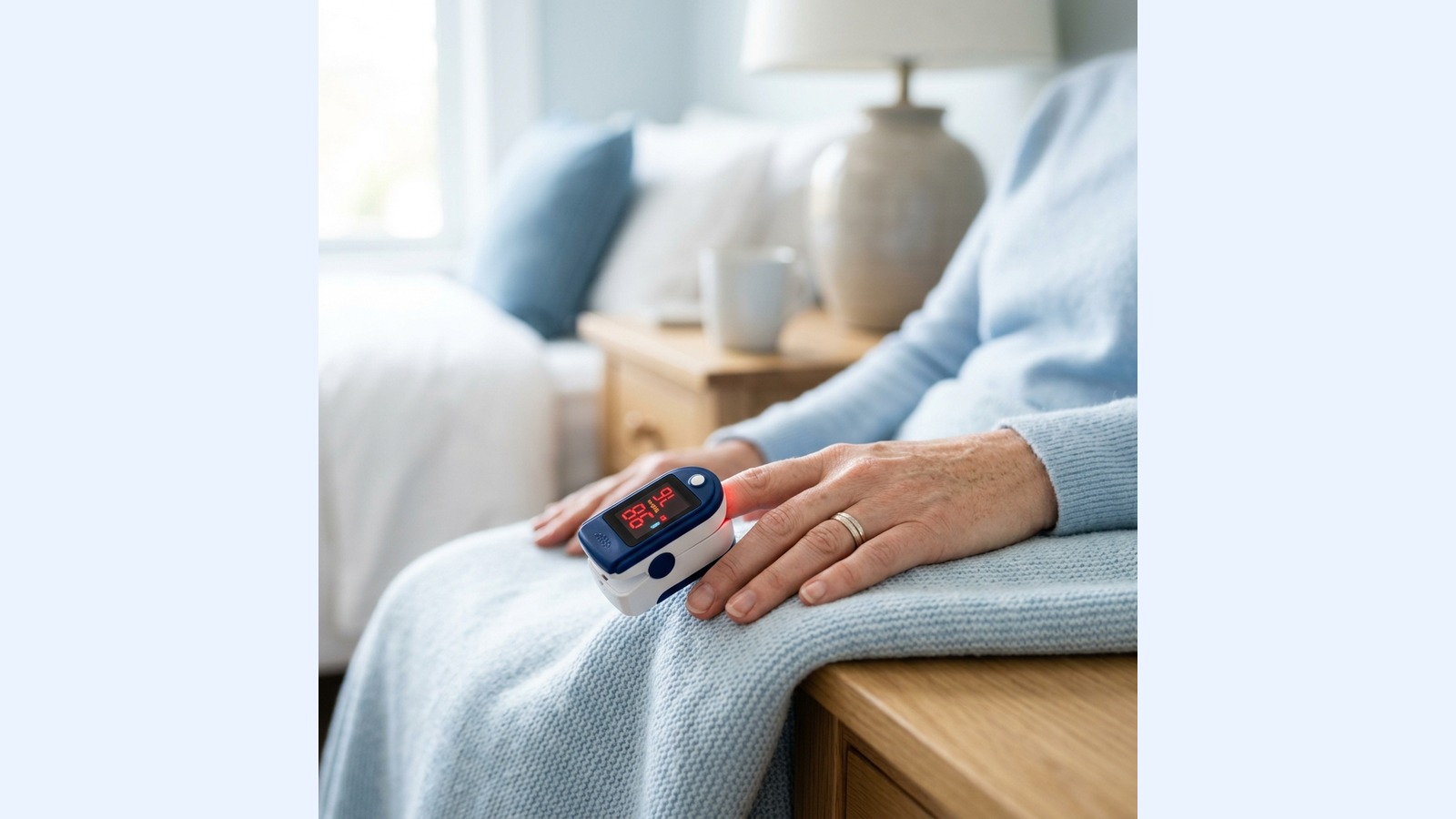
If you’re making changes to your alcohol intake, home blood pressure monitoring is the best way to see whether it’s working. Clinical measurements are useful, but they capture only a snapshot — and they’re often higher than home readings due to white coat effect.
For reliable home tracking:
- Measure at the same time each day, ideally in the morning before breakfast and any medications
- Follow proper technique: five minutes of quiet rest, back and arm supported, feet flat on the floor
- Take multiple readings and average them
- Log consistently so you can identify trends over weeks and months
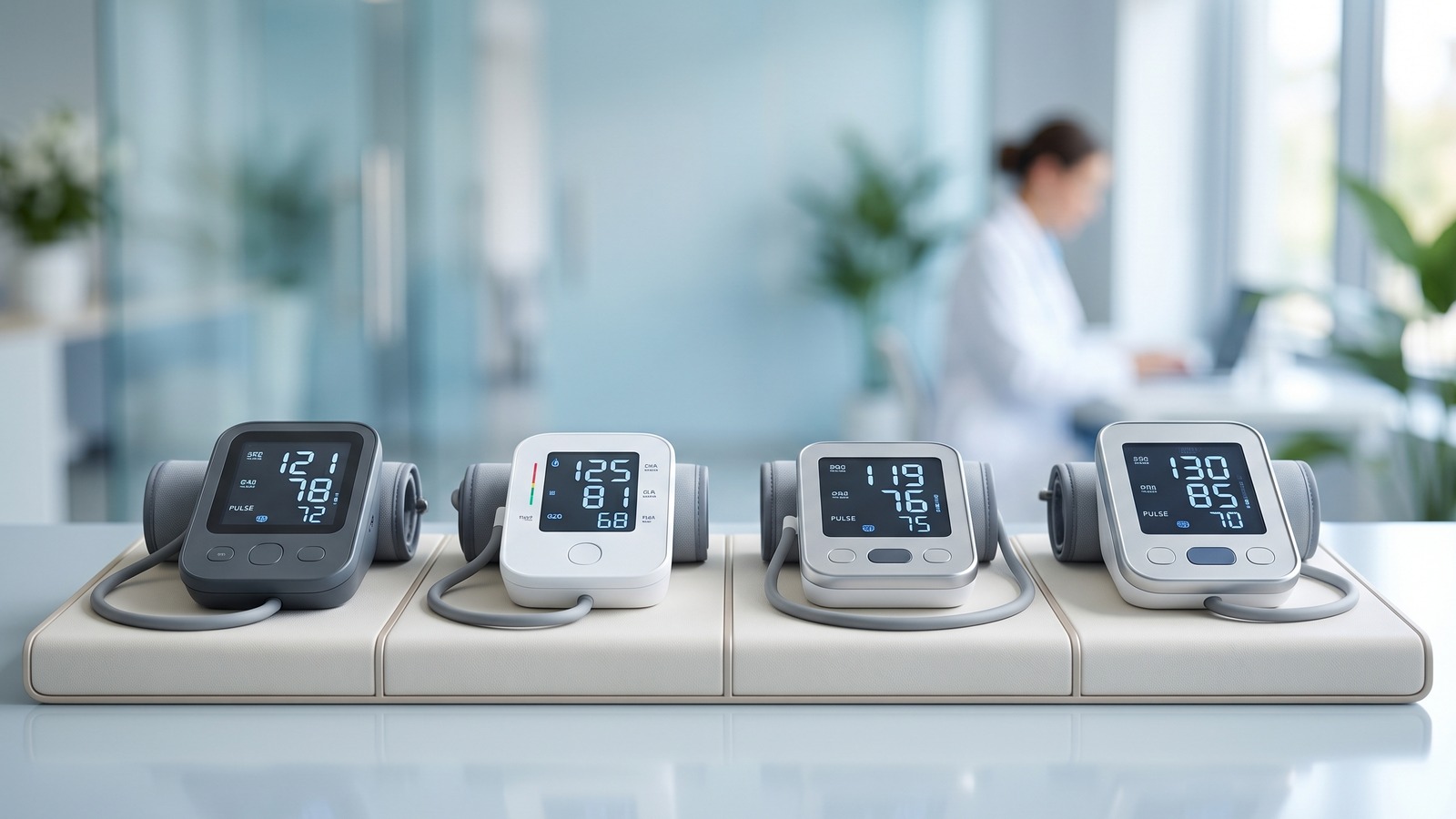
If you don’t have a home monitor yet, see our ranked review of the most accurate and user-friendly models:
This article is educational and not medical advice. Always discuss your blood pressure and lifestyle changes with a qualified healthcare provider before making decisions about medication or treatment.
Top 5 picks
Best Blood Pressure Monitors For Seniors 2026
Five upper-arm monitors ranked with published scorecards—setup friction, comfort, readability, power convenience, and repeatable accuracy—so you can compare models before you buy.
See our Top 5 blood pressure monitor picksHome-monitoring advice is only useful if it is easy to verify and act on correctly.
We write explainers to be understandable to readers, search engines, and AI answer systems.
Compare our Top 5 blood pressure monitor picks for 2026, then track readings over time with consistent technique.