How to Lower Blood Pressure Naturally Without Medication: 7 Evidence-Based Strategies
Lifestyle changes can lower blood pressure by 10–20 mmHg — often enough to avoid or reduce medication. Here are the interventions with the strongest clinical evidence.
Lifestyle changes can lower blood pressure by 10–20 mmHg — often enough to avoid or reduce medication. Here are the interventions with the strongest clinical evidence.
If your blood pressure is elevated or borderline-high, lifestyle changes aren’t just helpful — they’re often as effective as medication. A 2019 systematic review in The BMJ found that comprehensive lifestyle modification can reduce systolic blood pressure by 10–20 mmHg in people with stage 1 hypertension, which is comparable to the effect of a single blood pressure drug.
The key word is comprehensive. A single change — cutting salt or walking more — helps, but stacking multiple evidence-based interventions produces cumulative, sustained reductions that often allow people to avoid medication entirely or reduce their dosage under medical supervision.
Here’s what actually works, ranked by strength of evidence.
1. Reduce sodium intake
The single most effective dietary change for most people is reducing sodium. The relationship between sodium and blood pressure is well-established and dose-dependent: the more you reduce, the more your pressure drops.
A 2020 meta-analysis pooling 133 trials found that reducing sodium intake from the typical American level (3,400 mg/day) to the recommended level (2,300 mg/day or less) lowered systolic pressure by an average of 5.4 mmHg in people with hypertension.
Cutting sodium even further — to 1,500 mg/day, as recommended for people with high blood pressure by the American Heart Association — produced drops of 8–10 mmHg in several trials.
How to do it
- Cook at home more often. Restaurant and processed foods account for 70% of dietary sodium in the U.S.
- Read labels. Many foods that don’t taste salty — bread, cereal, canned vegetables — are loaded with sodium.
- Use herbs and spices instead of salt. Garlic, lemon, vinegar, and cumin can add flavor without sodium.
- Avoid obvious culprits: deli meat, canned soup, frozen dinners, salty snacks, pickles, and soy sauce.
Track your intake for a few days using a food diary or app. Most people are shocked to discover they’re consuming 3,000–4,000 mg/day without realizing it.
2. Follow the DASH diet
The Dietary Approaches to Stop Hypertension (DASH) diet was specifically designed to lower blood pressure, and it works. The original DASH trial, published in The New England Journal of Medicine in 1997, showed that participants following DASH reduced systolic pressure by 11.4 mmHg and diastolic by 5.5 mmHg within two weeks — without any weight loss or sodium restriction beyond baseline.
The DASH diet emphasizes:
- Fruits and vegetables (8–10 servings per day)
- Whole grains (6–8 servings per day)
- Lean protein (fish, poultry, beans)
- Low-fat dairy (2–3 servings per day)
- Nuts, seeds, and legumes (4–5 servings per week)
And it limits:
- Red meat (less than twice per week)
- Added sugars (less than 5 servings per week)
- Saturated fat (less than 7% of calories)
When combined with sodium reduction, DASH becomes even more powerful. A follow-up trial found that DASH plus low sodium (1,500 mg/day) reduced systolic pressure by an average of 11.5 mmHg — comparable to starting a first-line antihypertensive drug.
3. Lose weight if overweight
Weight loss is one of the most effective non-drug interventions for blood pressure, and the effect is linear: for every kilogram (2.2 pounds) you lose, systolic pressure drops by about 1 mmHg on average.
A 2016 meta-analysis in Journal of the American College of Cardiology found that losing 5% of body weight (e.g., 10 pounds for a 200-pound person) reduced systolic pressure by 4.4 mmHg and diastolic by 3.6 mmHg.
Losing 10% of body weight doubled the effect, producing reductions of 8–10 mmHg systolic.
The mechanism is straightforward: excess body weight increases blood volume, which increases cardiac output and vascular resistance. Losing weight reverses this.
Why waist circumference matters
Central obesity (fat around the abdomen) is more strongly correlated with high blood pressure than overall weight. A 2021 study found that reducing waist circumference by just 4 inches lowered systolic pressure by 6.5 mmHg, independent of total weight loss.
If you’re not ready to lose significant weight, focusing on reducing belly fat through diet and exercise can still produce meaningful results.
4. Exercise regularly
Aerobic exercise lowers blood pressure both acutely (during and after exercise) and chronically (with sustained training). A 2019 meta-analysis in British Journal of Sports Medicine found that regular aerobic exercise reduced systolic pressure by 5–7 mmHg and diastolic by 3–5 mmHg in people with hypertension.
The effect is dose-dependent: more exercise produces larger reductions. But even modest activity helps.
What works
- Moderate-intensity aerobic exercise for 150 minutes per week (30 minutes, five days per week) is the minimum effective dose.
- Brisk walking is sufficient — you don’t need to run or do high-intensity intervals.
- Resistance training (weightlifting) also lowers blood pressure, though the effect is slightly smaller than aerobic exercise. Combining both types is ideal.
- Daily movement matters. Breaking up long periods of sitting with short walks or light activity reduces blood pressure independent of structured exercise.
A 2020 study found that people who walked 7,000–10,000 steps per day had systolic pressure 3–4 mmHg lower than those who walked fewer than 5,000 steps, even after controlling for other factors.
5. Limit alcohol
Alcohol raises blood pressure in a dose-dependent way, and the effect is reversible. Even moderate drinking — one to two drinks per day — is associated with a sustained increase of 2–4 mmHg systolic pressure.
A 2020 trial published in The Lancet found that cutting alcohol intake from three drinks per day to one drink per day lowered systolic pressure by 5.5 mmHg within four weeks.
If you drink regularly and have elevated blood pressure, reducing or eliminating alcohol is one of the fastest ways to see improvement. Track your blood pressure using a home monitor before and after a reduction trial to see the effect for yourself.
6. Manage stress and improve sleep
Chronic stress and poor sleep are both independently associated with high blood pressure, and they often reinforce each other. Addressing both can produce meaningful reductions.
Stress management
A 2017 meta-analysis found that meditation and mindfulness-based stress reduction lowered systolic pressure by 4–5 mmHg on average. Other effective approaches include:
- Slow breathing exercises (5–6 breaths per minute for 15 minutes daily)
- Yoga (particularly restorative and Yin styles)
- Progressive muscle relaxation
The key is consistency. Practicing daily for 10–20 minutes is more effective than sporadic longer sessions.
Sleep
Poor sleep — defined as less than six hours per night or frequent waking — is associated with sustained elevations in blood pressure. A 2021 study in Hypertension found that improving sleep duration from five to seven hours per night lowered systolic pressure by an average of 3.7 mmHg over six months.
If you have untreated sleep apnea, treating it can lower blood pressure by 5–10 mmHg or more. Signs of sleep apnea include loud snoring, gasping during sleep, and daytime fatigue despite adequate sleep duration.
7. Increase potassium intake
Potassium counteracts the blood-pressure-raising effects of sodium by helping the kidneys excrete more sodium and by relaxing blood vessel walls. A 2017 meta-analysis in The BMJ found that increasing potassium intake to 3,500–4,700 mg per day lowered systolic pressure by 4–5 mmHg in people with hypertension.
The best sources of potassium are:
- Fruits: bananas, oranges, cantaloupe, apricots, avocados
- Vegetables: potatoes (with skin), sweet potatoes, spinach, tomatoes
- Legumes: white beans, lentils, kidney beans
- Dairy: yogurt, milk
- Fish: salmon, tuna, halibut
Most Americans consume only 2,500–3,000 mg of potassium per day, well below the recommended 4,700 mg. Increasing intake through whole foods is safe for most people, but if you have kidney disease or take certain medications (ACE inhibitors, ARBs, potassium-sparing diuretics), talk to your doctor before increasing potassium significantly.
How long does it take to see results?
The timeline varies by intervention:
- Sodium reduction: 1–2 weeks
- Weight loss: 4–8 weeks (as weight drops)
- Exercise: 2–4 weeks of consistent training
- Alcohol reduction: 2–4 weeks
- DASH diet: 2–3 weeks
- Stress management: 4–8 weeks
The most effective strategy is to stack multiple changes rather than trying to perfect one. Cutting sodium, starting a 30-minute daily walk, and reducing alcohol from two drinks per day to three per week will produce a larger, faster reduction than perfecting any single intervention.
Should you still monitor at home?
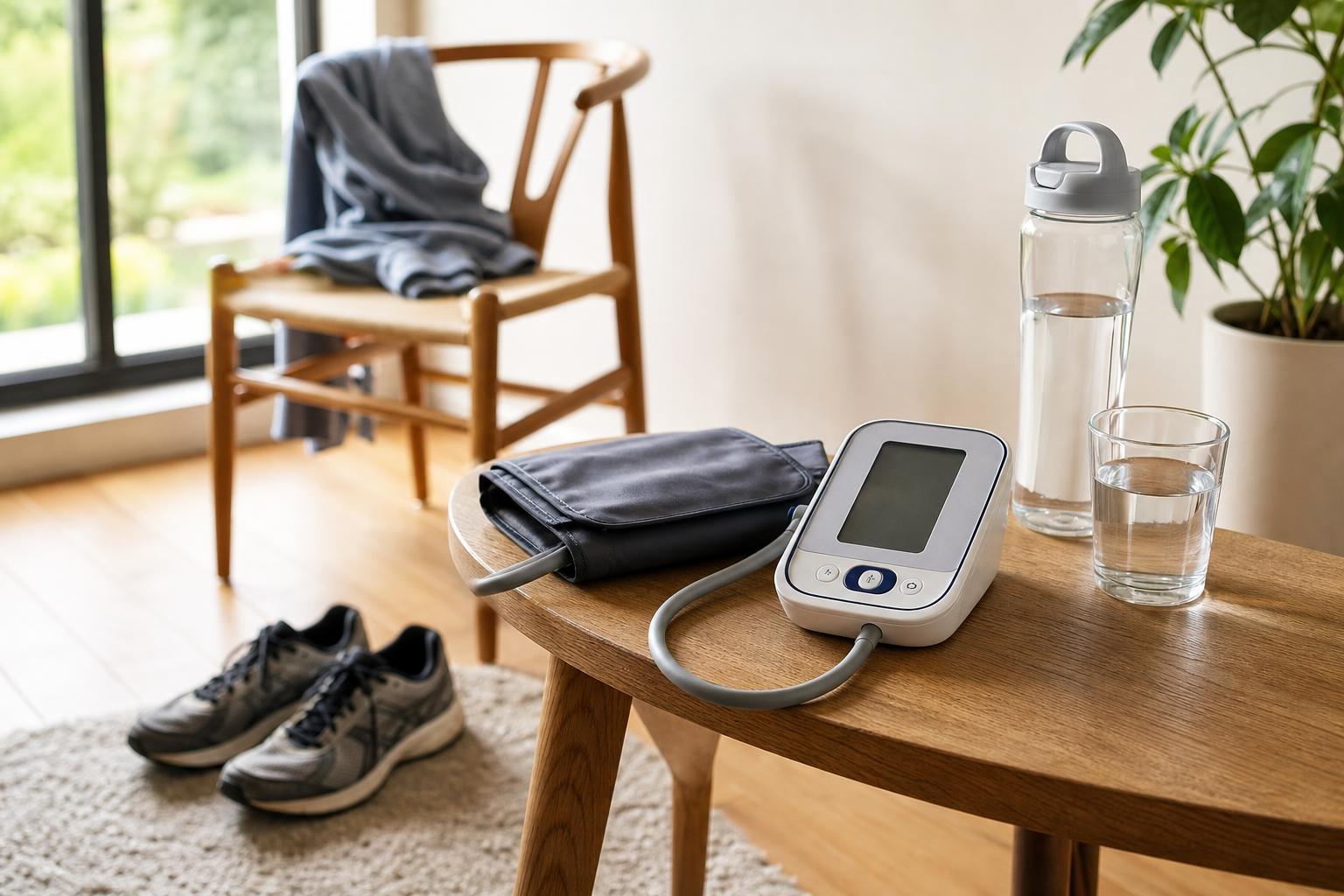
Yes. Home monitoring is essential for tracking whether your changes are working. Blood pressure fluctuates day to day, so measuring at the same time each day (ideally in the morning before medication or breakfast) gives you the most reliable data.
A validated home monitor allows you to see trends over weeks and months, which is far more useful than occasional clinic readings. Many people find that seeing the numbers drop is motivating and helps sustain the lifestyle changes.
When lifestyle changes aren’t enough
If your blood pressure remains above 130/80 mmHg after three to six months of comprehensive lifestyle modification, medication is usually recommended. This isn’t a failure — it means your blood pressure is driven more by genetics or other factors than by lifestyle alone.
But even in that case, lifestyle changes remain valuable. They allow for lower medication doses, reduce side effects, and lower cardiovascular risk independent of blood pressure reduction.
Practical takeaways
If your blood pressure is elevated:
- Start with the easiest wins: Cut sodium, walk daily, and reduce alcohol if you drink. These produce the largest effects with the least disruption.
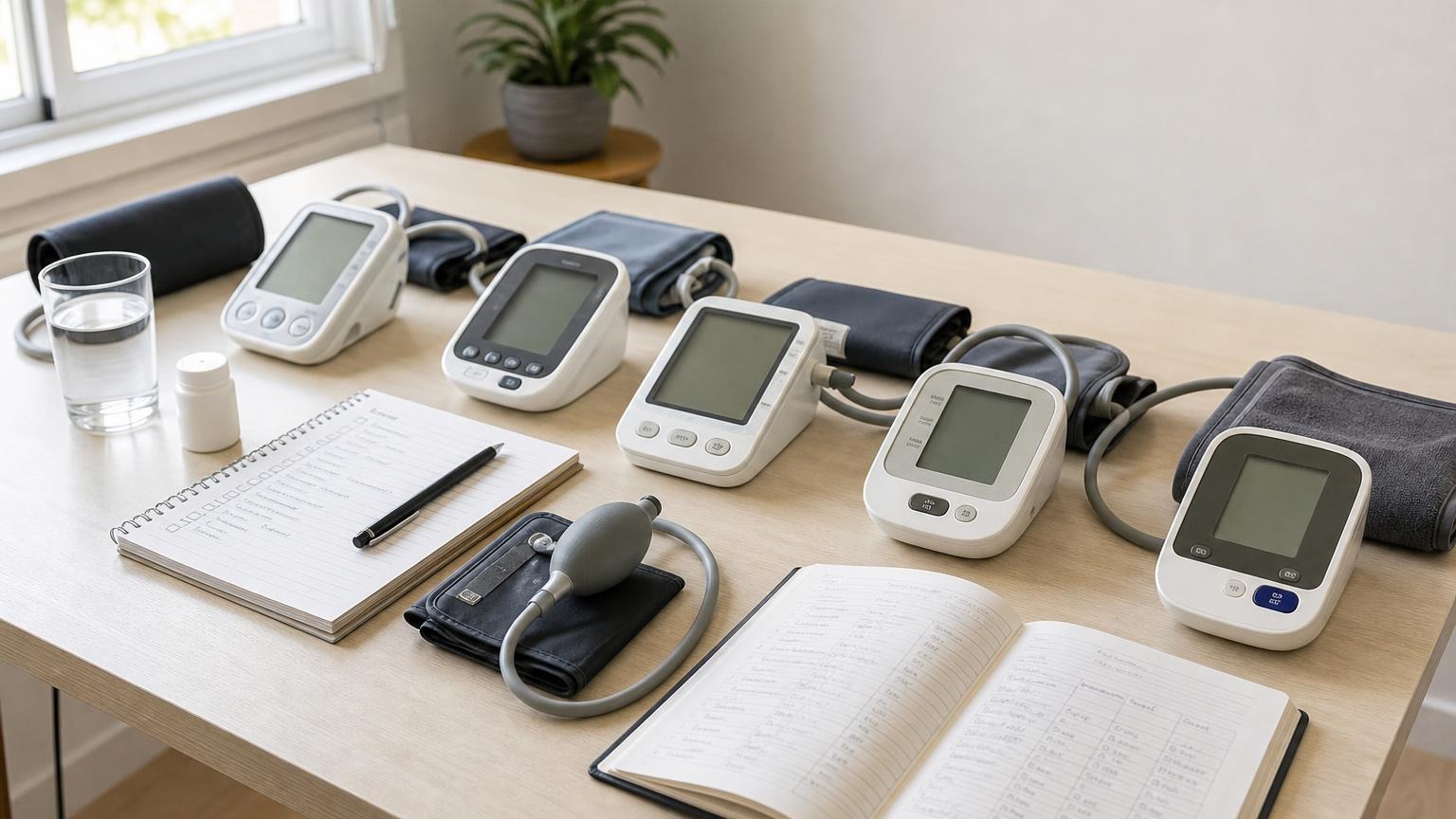
- Track your progress. Use a home blood pressure monitor and log your readings weekly.
- Give it time. Lifestyle changes take 4–12 weeks to show their full effect. Don’t give up after two weeks.
- Stack interventions. Combining multiple changes produces cumulative effects that can rival or exceed medication.
- Work with your doctor. If you’re on medication, don’t stop it without medical supervision, even if your pressure drops. Your doctor can adjust your dose as needed.
Lowering blood pressure naturally is possible for most people with stage 1 hypertension — but it requires real, sustained changes. The good news: those same changes reduce your risk of heart disease, stroke, diabetes, and dementia, making them worth doing regardless of your blood pressure.
Top 5 picks
Best Blood Pressure Monitors For Seniors 2026
Five upper-arm monitors ranked with published scorecards—setup friction, comfort, readability, power convenience, and repeatable accuracy—so you can compare models before you buy.
See our Top 5 blood pressure monitor picksHome-monitoring advice is only useful if it is easy to verify and act on correctly.
We write explainers to be understandable to readers, search engines, and AI answer systems.
Compare our Top 5 blood pressure monitor picks for 2026, then track readings over time with consistent technique.