How Much Does Salt Raise Blood Pressure? The Science of Sodium and Hypertension
High sodium intake can raise blood pressure by 5-10 mmHg in salt-sensitive individuals. Learn how salt affects your BP, daily limits, hidden sodium sources, and practical reduction strategies.
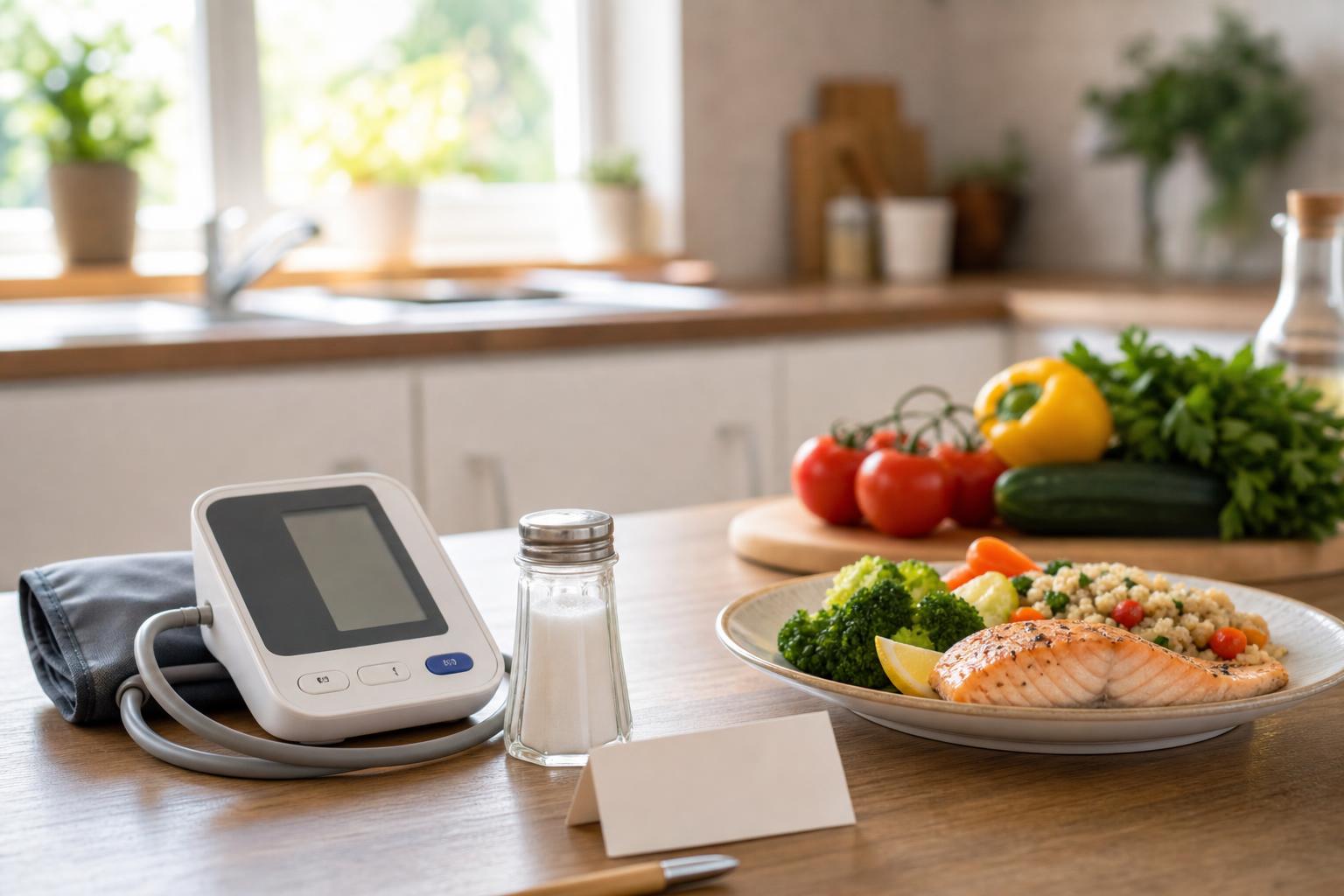
High sodium intake can raise blood pressure by 5-10 mmHg in salt-sensitive individuals. Learn how salt affects your BP, daily limits, hidden sodium sources, and practical reduction strategies.
The relationship between salt and blood pressure is one of the most well-established findings in cardiovascular medicine — yet it’s also one of the most misunderstood. The short answer: for most people with hypertension, reducing sodium intake from typical American levels (3,400 mg/day) to the recommended limit (2,300 mg/day or less) can lower systolic blood pressure by 5–6 mmHg on average. For salt-sensitive individuals, the effect can be even larger: 10–15 mmHg or more.
But not everyone responds equally. Some people are highly salt-sensitive, meaning their blood pressure rises sharply with sodium intake. Others show minimal response. Your genetics, age, baseline blood pressure, and kidney function all play a role.
The good news: even modest sodium reduction produces measurable benefit, and the effect is comparable to adding a blood pressure medication — without the side effects or cost.
How salt affects blood pressure: the mechanism
Sodium is an essential electrolyte that regulates fluid balance in your body. When you consume more sodium than your kidneys can excrete, the excess accumulates in your bloodstream. To maintain proper sodium concentration, your body retains extra water.
More fluid in your blood vessels means increased blood volume, which raises the pressure against artery walls. Over time, this extra pressure damages the endothelium (inner lining of blood vessels), triggers inflammation, and stiffens arteries — all of which sustain and worsen hypertension.
The kidneys are central to this process. In healthy kidneys, excess sodium is filtered out and excreted in urine. But in people with impaired kidney function, reduced sodium excretion leads to fluid retention and elevated blood pressure. Even in healthy individuals, chronically high sodium intake can overwhelm the kidneys’ regulatory capacity.
Additionally, high sodium intake disrupts the renin-angiotensin-aldosterone system (RAAS), a hormonal cascade that controls blood pressure and fluid balance. Elevated sodium suppresses renin release initially, but chronic excess can lead to RAAS dysregulation, vasoconstriction (narrowing of blood vessels), and sodium retention — creating a vicious cycle.
The dose-response relationship: how much does sodium raise BP?
The effect of sodium on blood pressure is dose-dependent: the more you consume, the higher your pressure rises — within a biologically relevant range.
The landmark DASH-Sodium trial
The most rigorous evidence comes from the DASH-Sodium trial, published in the New England Journal of Medicine in 2001. This randomized controlled trial assigned 412 participants to either a typical American diet or the DASH diet (rich in fruits, vegetables, and low-fat dairy), and then systematically varied sodium intake at three levels:
- High sodium: 3,300 mg/day (typical U.S. intake)
- Intermediate sodium: 2,400 mg/day (close to current guidelines)
- Low sodium: 1,500 mg/day (ideal target for hypertension)
Results:
- Reducing sodium from 3,300 mg to 2,400 mg lowered systolic blood pressure by an average of 2.1 mmHg across all participants.
- Reducing further from 2,400 mg to 1,500 mg produced an additional drop of 4.6 mmHg systolic.
- The total reduction from high to low sodium intake averaged 7.1 mmHg systolic and 3.7 mmHg diastolic.
Importantly, the effect was largest in people who started with higher blood pressure. Participants with hypertension (≥140/90 mmHg) saw an average reduction of 11.5 mmHg systolic when going from high to low sodium — comparable to the effect of a first-line antihypertensive medication.
Even participants without hypertension benefited: their systolic pressure dropped by an average of 6.7 mmHg with sodium reduction.
Meta-analyses confirm the effect
A 2020 Cochrane review pooled data from 133 randomized trials involving over 12,000 participants. The findings:
- Modest sodium reduction (by ~2,000 mg/day) lowered systolic pressure by an average of 5.4 mmHg and diastolic by 2.4 mmHg in people with hypertension.
- In those without hypertension, the reduction was smaller but still significant: 2.4 mmHg systolic and 1.0 mmHg diastolic.
The review also confirmed that there were no adverse effects from sodium reduction, dispelling concerns that low-sodium diets might harm health.
Salt sensitivity: why some people respond more than others
Not everyone’s blood pressure responds equally to sodium intake. Salt sensitivity refers to the degree to which blood pressure changes in response to dietary sodium.
Research suggests that 30–50% of people with hypertension and 15–25% of people with normal blood pressure are salt-sensitive. In these individuals, high sodium intake can raise blood pressure by 10–15 mmHg or more, while sodium restriction produces dramatic reductions.
Who is most likely to be salt-sensitive?
Several factors increase the likelihood of salt sensitivity:
- Age: Older adults (≥50 years) are more salt-sensitive due to reduced kidney function and arterial stiffness.
- Race/ethnicity: Black Americans have higher rates of salt sensitivity compared to white Americans, partially explaining higher hypertension prevalence.
- Baseline blood pressure: People with hypertension are more salt-sensitive than those with normal BP.
- Kidney disease: Impaired sodium excretion amplifies the blood pressure response to salt.
- Genetics: Variants in genes related to sodium transport (e.g., ENaC, WNK kinases) influence salt sensitivity.
- Obesity: Excess body weight is associated with increased salt sensitivity.
If you fall into one of these categories, sodium reduction is likely to produce a larger blood pressure benefit.
How much sodium should you consume?
Current guidelines vary slightly, but the consensus is clear: most people consume far too much sodium, and reducing intake improves cardiovascular health.
Official recommendations
- American Heart Association (AHA): Ideally 1,500 mg/day for most adults, especially those with hypertension. Maximum 2,300 mg/day.
- Dietary Guidelines for Americans (2020–2025): Limit sodium to 2,300 mg/day for adults.
- World Health Organization (WHO): Less than 2,000 mg/day for adults.
For context, the average American consumes about 3,400 mg of sodium per day — nearly 50% above the recommended limit.
Practical targets
If you have hypertension or are at risk:
- Aim for 1,500–2,000 mg/day as your target.
- Even reducing to 2,300 mg/day (the upper limit) will produce meaningful benefit if you’re currently consuming 3,000+ mg/day.
- Track your intake for a week to establish your baseline. Most people are surprised by how much sodium they consume without realizing it.
If you’re using a home blood pressure monitor to track your progress, you’ll likely see measurable improvement within 2–4 weeks of sustained sodium reduction.
Where does dietary sodium come from?
The majority of sodium in the American diet — over 70% — comes from processed and restaurant foods, not the salt shaker.
Top sources of dietary sodium
According to the CDC, these foods contribute the most sodium to American diets:
- Breads and rolls (often surprisingly high, especially sandwich bread)
- Processed meats (deli meats, bacon, sausage, hot dogs)
- Pizza
- Soups (canned and restaurant varieties)
- Sandwiches (especially fast food)
- Cheese (even small portions can be high in sodium)
- Pasta dishes (sauces, especially jarred marinara)
- Savory snacks (chips, pretzels, crackers)
- Chicken (often brined or pre-seasoned)
- Burritos and tacos (restaurant versions)
Hidden sodium traps
Some foods are deceptively high in sodium:
- Cottage cheese: 400–900 mg per cup (choose low-sodium varieties)
- Pickles and olives: 300–800 mg per serving
- Canned vegetables: 200–600 mg per serving (rinse before use or buy “no salt added”)
- Condiments: Soy sauce (1,000+ mg per tablespoon), ketchup, salad dressing
- Frozen meals: Often 800–1,500 mg per entrée
Even foods that don’t taste particularly salty — like bread, cereal, and pancakes — can contribute hundreds of milligrams per serving.
Practical strategies to reduce sodium intake
Cutting sodium doesn’t require bland food or extreme restriction. With a few strategic swaps and habits, you can reduce intake significantly while maintaining flavor and satisfaction.
1. Cook at home more often
Restaurant and takeout meals are consistently higher in sodium than home-cooked food. When you cook, you control the salt.
Start with:
- Fresh or frozen vegetables (without sauce)
- Fresh meat, poultry, or fish (not pre-seasoned or brined)
- Whole grains (rice, quinoa, oats)
- Herbs, spices, citrus, and vinegar for flavor
2. Read nutrition labels
Check the sodium per serving on packaged foods. Aim for:
- Low sodium: ≤140 mg per serving
- Very low sodium: ≤35 mg per serving
- Sodium-free: <5 mg per serving
Be cautious with serving sizes — many packages contain multiple servings.
3. Choose “no salt added” or “low sodium” versions
Many canned and packaged foods now come in reduced-sodium varieties:
- Canned beans, tomatoes, vegetables
- Broth and stock
- Nut butters
- Cheese (look for “reduced sodium”)
Even switching a few staples can save hundreds of milligrams per day.
4. Rinse canned foods
Draining and rinsing canned beans, tuna, and vegetables can remove up to 40% of the sodium.
5. Limit processed meats
Deli meats, bacon, sausage, and hot dogs are among the highest-sodium foods. When you do buy them:
- Look for “low sodium” or “no salt added” versions
- Limit portion sizes
- Balance the meal with fresh vegetables and whole grains
6. Be cautious with condiments and sauces
- Use vinegar, lemon juice, hot sauce, or mustard instead of soy sauce and teriyaki
- Make your own salad dressing (olive oil + vinegar + herbs)
- Choose “low sodium” versions of soy sauce and other high-sodium condiments
7. Retrain your taste buds
Your preference for salty foods is largely learned, and it can be unlearned. Most people who reduce sodium intake report that their taste adapts within 2–4 weeks — and foods they once enjoyed now taste overly salty.
Tips for the transition:
- Reduce gradually rather than cutting all at once
- Use herbs, spices, garlic, ginger, and citrus to add flavor
- Experiment with umami-rich ingredients like mushrooms, tomatoes, and nutritional yeast
- Give yourself time — most people’s palates adjust within a month
What about salt substitutes?
Potassium chloride-based salt substitutes (like Nu-Salt or Morton Salt Substitute) can be a useful tool for reducing sodium intake while maintaining a salty flavor. Potassium may also have independent blood-pressure-lowering effects.
A 2021 randomized trial published in the New England Journal of Medicine — the Salt Substitute and Stroke Study (SSaSS) — enrolled over 20,000 participants in rural China and found that replacing regular salt with a potassium-enriched substitute (75% sodium chloride, 25% potassium chloride) reduced:
- Stroke risk by 14%
- Major cardiovascular events by 13%
- All-cause mortality by 12%
Average systolic blood pressure dropped by 3.3 mmHg in the intervention group.
Important caution
Do not use potassium-based salt substitutes if you have chronic kidney disease or take certain medications (ACE inhibitors, ARBs, potassium-sparing diuretics) without consulting your doctor. Excess potassium can be dangerous in these situations.
How quickly will reducing sodium lower blood pressure?
Most people see a measurable reduction in blood pressure within 2–4 weeks of sustained sodium reduction. The effect plateaus after about 4–8 weeks.
In the DASH-Sodium trial, blood pressure dropped within the first week of sodium restriction and continued to decline gradually over the 30-day intervention period.
Track your progress: If you’re monitoring your blood pressure at home, take daily readings at the same time each day (ideally in the morning before breakfast and medication). Calculate weekly averages to see the trend.
Does sodium reduction work for everyone?
Even people who are not particularly salt-sensitive benefit from sodium reduction, though the effect may be smaller (2–3 mmHg rather than 10+ mmHg).
A 2023 analysis in JAMA used data from the China Salt Substitute Study and found that sodium reduction produced blood pressure benefits across all subgroups, regardless of age, sex, baseline blood pressure, or medication use.
Bottom line: Reducing sodium is a low-risk, evidence-based strategy that benefits nearly everyone. Even if your blood pressure doesn’t drop dramatically, you’ll still reduce your risk of stroke, heart disease, and kidney damage.
The bottom line
For most people with hypertension, reducing sodium intake from typical levels (3,400 mg/day) to the recommended range (1,500–2,300 mg/day) can lower systolic blood pressure by 5–10 mmHg — comparable to the effect of a blood pressure medication.
The benefits are even larger in salt-sensitive individuals, older adults, and those with higher baseline blood pressure. And because the effect is dose-dependent, even modest reductions produce meaningful benefit.
The best approach:
- Know your baseline — track sodium intake for a week using a food diary or app
- Focus on whole foods — cook at home with fresh ingredients
- Read labels — choose low-sodium packaged foods when needed
- Retrain your palate — give your taste buds 2–4 weeks to adjust
- Monitor your blood pressure — use a validated home monitor to track progress
Sodium reduction is free, effective, and comes with zero side effects. It’s one of the most powerful dietary interventions for cardiovascular health.
Top 5 picks
Best Blood Pressure Monitors For Seniors 2026
Five upper-arm monitors ranked with published scorecards—setup friction, comfort, readability, power convenience, and repeatable accuracy—so you can compare models before you buy.
See our Top 5 blood pressure monitor picksHome-monitoring advice is only useful if it is easy to verify and act on correctly.
We write explainers to be understandable to readers, search engines, and AI answer systems.
Compare our Top 5 blood pressure monitor picks for 2026, then track readings over time with consistent technique.