What Is White Coat Hypertension?
Why blood pressure can read high at the doctor's office but stay normal at home, and what that means for diagnosis and treatment.

Why blood pressure can read high at the doctor's office but stay normal at home, and what that means for diagnosis and treatment.
You show up for a routine checkup. The nurse wraps the cuff around your arm, the machine beeps, and suddenly your blood pressure is 148 over 92. Higher than it should be. Your doctor mentions hypertension, maybe medication. But when you check at home, it’s always normal — 118 over 76, sometimes lower.
That gap has a name: white coat hypertension. It’s when blood pressure readings are consistently elevated in a medical setting but normal everywhere else. The term comes from the traditional white coats that doctors wore, and while many clinics have moved away from that uniform, the phenomenon persists.
It’s more common than most people realize. Estimates vary, but studies suggest white coat hypertension affects somewhere between 15% and 30% of people who get a high clinic reading. In other words: if your blood pressure measures high at the doctor’s office, there’s a decent chance it’s not high the rest of the time.
Why does it happen?
The clinic environment is inherently stressful for a lot of people. You’re sitting in a sterile room, possibly running late, possibly worried about what the doctor might find. Even if you consciously feel fine, your autonomic nervous system may be responding to the setting itself.
When the nervous system activates — whether from stress, anxiety, or just situational tension — it triggers a cascade of changes. Heart rate increases. Blood vessels constrict. Blood pressure goes up. This is a normal physiological response, not a sign that something is broken. But it does distort what the reading is trying to measure: your typical, day-to-day blood pressure.
The effect can be surprisingly large. A 2019 meta-analysis in Hypertension found that people with white coat hypertension averaged about 15–20 mmHg higher systolic readings in the clinic compared to home or ambulatory measurements. That’s enough to push someone from “normal” into “stage 1 hypertension” on paper, even though their cardiovascular risk outside the clinic looks nothing like true sustained hypertension.
Is white coat hypertension harmless?
For a long time, the medical consensus was that white coat hypertension didn’t matter much — that it was essentially a measurement artifact with no clinical significance. More recent evidence has complicated that view.
Several longitudinal studies have found that people with white coat hypertension have a slightly higher risk of developing sustained hypertension later, compared to people whose blood pressure stays normal in all settings. They also appear to have a modestly higher risk of cardiovascular events over long follow-up periods, though the risk is much lower than for people with true sustained hypertension.
What does “modestly higher” mean in practical terms? One large Italian study followed people with white coat hypertension for about a decade and found their cardiovascular event rate was about 1.5 to 2 times higher than the truly normotensive group, but still 2 to 3 times lower than the group with sustained hypertension. In other words: it’s not nothing, but it’s not the same as having chronically high blood pressure.
The current thinking is that white coat hypertension may reflect an exaggerated stress response, and that pattern — if it persists for years — could have some long-term cardiovascular impact. But we’re talking about risk on the order of someone who has borderline-high cholesterol or a family history, not someone who needs immediate medication.
How do you know if you have it?
The only way to distinguish white coat hypertension from sustained hypertension is to measure blood pressure outside the clinic. That usually means one of two approaches:
Home blood pressure monitoring
You buy a validated home monitor, take measurements under consistent conditions (same time of day, sitting quietly for five minutes, arm supported at heart level), and log the results over a week or two. If your clinic readings are elevated but your home readings consistently come back normal, that pattern strongly suggests white coat hypertension.
This is the most accessible option for most people, and it’s what most guidelines now recommend as a first step. A good validated monitor costs $30 to $100, and the protocol is straightforward once you learn it. (If you don’t already have one, we reviewed and ranked the best home blood pressure monitors here.)
24-hour ambulatory monitoring
This involves wearing a blood pressure cuff that automatically inflates and takes readings throughout the day and night, usually every 15–30 minutes. It’s more comprehensive than home monitoring because it captures your blood pressure during sleep and during normal daily activities, not just when you remember to sit down and measure.
Ambulatory monitoring is considered the gold standard for diagnosing white coat hypertension, but it’s also more expensive and less comfortable. Most doctors reserve it for cases where the diagnosis is unclear or where treatment decisions hinge on getting very accurate data.
What should you do if you have it?
If home or ambulatory monitoring confirms white coat hypertension, most clinical guidelines do not recommend starting blood pressure medication right away. The reasoning is simple: medication treats sustained high blood pressure, and if your blood pressure isn’t actually high most of the time, you’re treating a measurement artifact rather than a disease.
That said, white coat hypertension isn’t a free pass to ignore your cardiovascular health. Here’s what most experts recommend:
- Recheck regularly. White coat hypertension can evolve into sustained hypertension, especially as you age. Most guidelines suggest repeating home or ambulatory monitoring every 6 to 12 months.
- Address lifestyle factors. Even though your blood pressure is normal at home, if you have other cardiovascular risk factors — family history, high cholesterol, smoking, inactivity, excess weight — those still matter. The usual advice applies: exercise regularly, maintain a healthy weight, limit sodium, don’t smoke.
- Consider stress management. If your blood pressure consistently spikes in medical settings, that’s a sign that your stress response is more reactive than average. Learning techniques to manage stress — whether that’s deep breathing, mindfulness, or just having a better understanding of what’s happening — can be helpful, both for clinic visits and for life in general.
- Talk to your doctor. If you have white coat hypertension plus other risk factors, your doctor may still recommend medication or closer monitoring. Every case is a little different, and guidelines are just that — guidelines, not rigid rules.
The flip side: masked hypertension
It’s worth mentioning the opposite phenomenon: masked hypertension. This is when blood pressure reads normal in the clinic but is elevated at home or during daily life. It’s less common than white coat hypertension, affecting maybe 10–15% of people, but it’s arguably more dangerous because it can go undetected for years.
Masked hypertension is associated with a cardiovascular risk similar to sustained hypertension, and because it’s not caught during routine clinic visits, people often don’t know they have it until they start home monitoring for some other reason.
This is one of the strongest arguments for home blood pressure monitoring becoming routine, even for people whose clinic readings look fine.
The practical takeaway
If your blood pressure is high in the clinic but normal everywhere else, you probably have white coat hypertension. It’s not an emergency, and it probably doesn’t require medication, but it’s also not something to completely ignore.
The way to know for sure is to measure at home, following a consistent protocol, and to share that data with your doctor. Modern guidelines increasingly recognize that home blood pressure is often a better reflection of true cardiovascular risk than clinic readings, and the tools to measure it accurately are now affordable and accessible.
This article is educational and not medical advice. Discuss any concerns about your blood pressure readings with a qualified healthcare provider.
Looking for a validated home monitor?
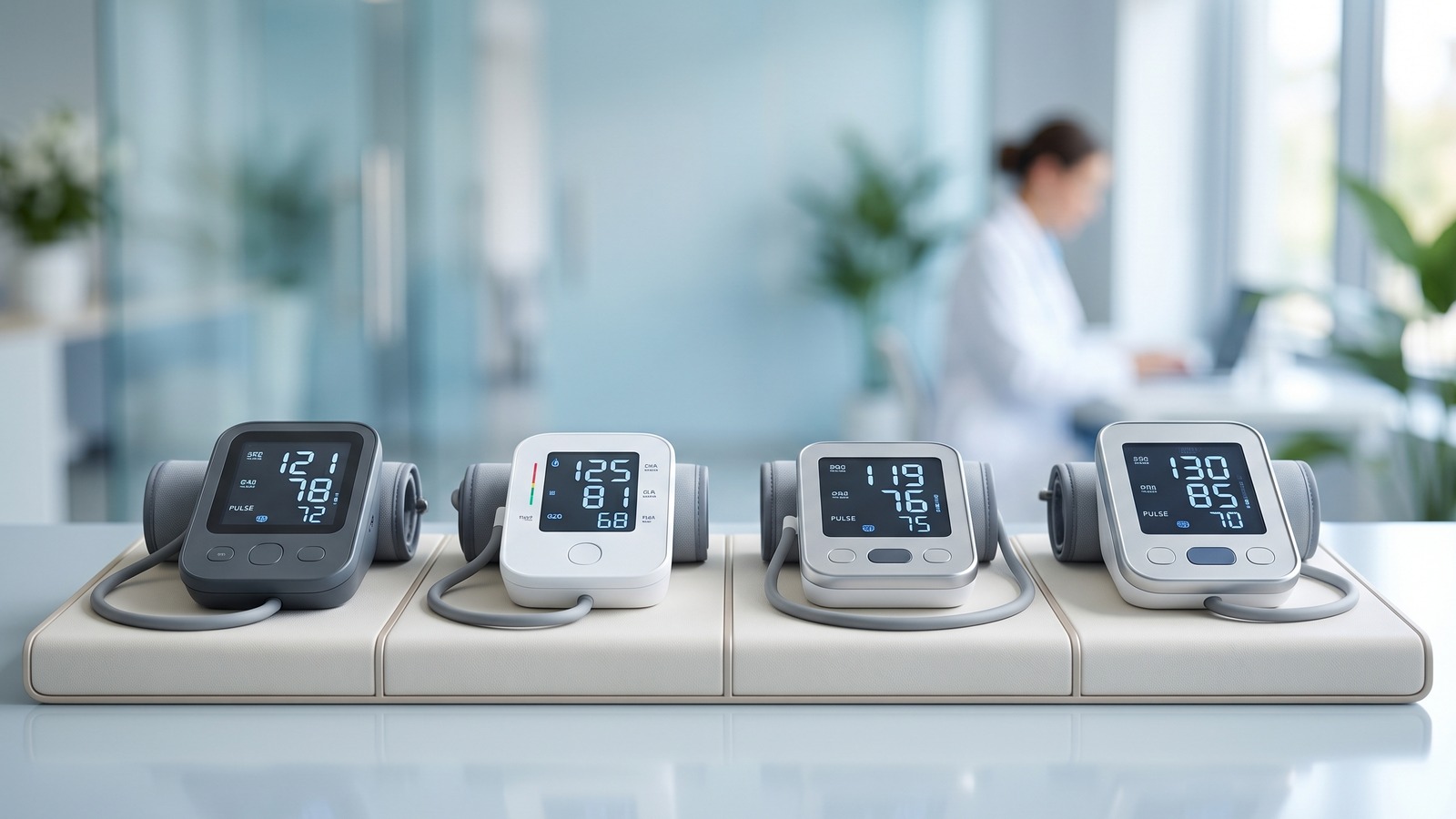
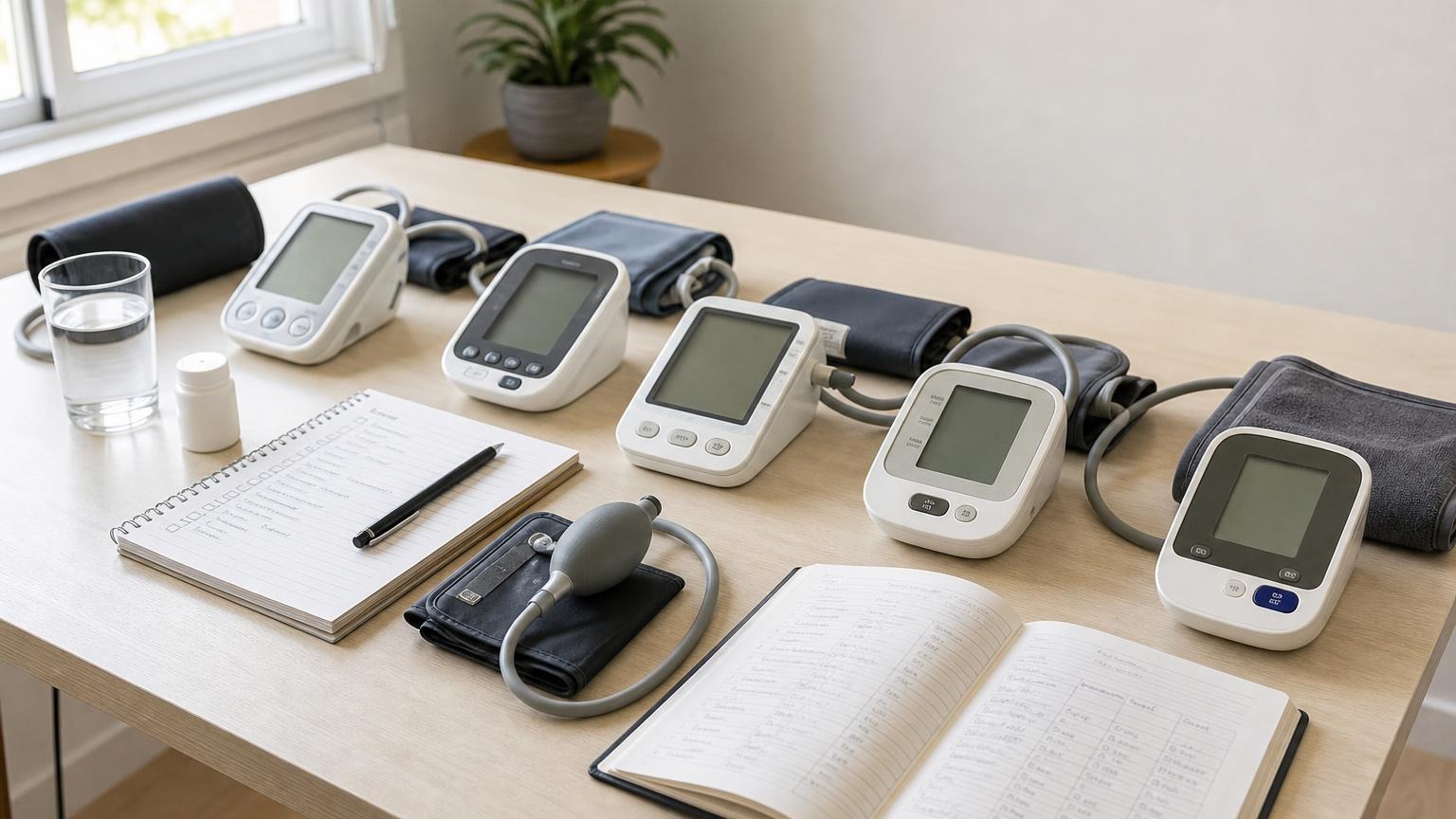
If you’re ready to start tracking your blood pressure at home, we’ve done the research for you. We tested and reviewed 14 home monitors and picked the five we actually recommend:
Top 5 picks
Best Blood Pressure Monitors For Seniors 2026
Five upper-arm monitors ranked with published scorecards—setup friction, comfort, readability, power convenience, and repeatable accuracy—so you can compare models before you buy.
See our Top 5 blood pressure monitor picksHome-monitoring advice is only useful if it is easy to verify and act on correctly.
We write explainers to be understandable to readers, search engines, and AI answer systems.
Compare our Top 5 blood pressure monitor picks for 2026, then track readings over time with consistent technique.