When to Worry About Low Blood Pressure (And When It's Normal)
Low blood pressure isn't always a problem — but certain patterns need attention. How to tell the difference between healthy low readings and hypotension that matters.
Low blood pressure isn't always a problem — but certain patterns need attention. How to tell the difference between healthy low readings and hypotension that matters.
Most blood pressure advice focuses on high numbers, but what if your readings are consistently low? A 2024 survey of home monitor users found that nearly 20% had seen readings below 90/60 mmHg — the common threshold for “low blood pressure” — and many weren’t sure whether to be concerned.
The short answer: low blood pressure without symptoms is usually not a problem. Low blood pressure with symptoms can indicate something that needs attention. The challenge is knowing which is which.
What counts as low?
Clinical hypotension is typically defined as blood pressure below 90/60 mmHg (systolic below 90 or diastolic below 60). But this threshold is less fixed than the one for high blood pressure, because normal blood pressure varies widely between individuals.
Some people — particularly younger adults, endurance athletes, and people with naturally lower body weight — routinely run readings like 100/60 or even 95/55 and feel completely fine. Their bodies are accustomed to it, and their organs get adequate blood flow.
What matters more than the absolute number is:
- Whether you have symptoms
- Whether it’s a sudden drop from your usual baseline
- Whether it’s happening in contexts that suggest an underlying issue
Symptoms that matter
Low blood pressure becomes concerning when it causes:
- Dizziness or lightheadedness, especially when standing up
- Fainting or near-fainting
- Blurred or narrowing vision
- Nausea
- Fatigue that’s worse than usual
- Difficulty concentrating or “brain fog”
- Cold, clammy, pale skin
- Rapid, shallow breathing
- Weak, rapid pulse
These symptoms suggest that your brain, heart, or other organs aren’t getting enough blood flow. If you’re experiencing any of these alongside low readings, contact your doctor.
Common causes of low blood pressure at home
Dehydration
Not drinking enough water — or losing fluids through sweating, vomiting, or diarrhea — reduces blood volume and can drop your pressure. This is especially common in hot weather, after exercise, or during illness.
Fix: drink more water throughout the day. If your readings normalize after rehydrating, dehydration was likely the culprit.
Postural (orthostatic) hypotension
This is when your blood pressure drops suddenly when you stand up — often by 20 mmHg systolic or more within a few seconds. It’s common in older adults, people taking certain medications, and anyone who’s been lying down for a long time.
If you feel dizzy when you stand and your monitor shows lower readings standing than sitting, mention it to your doctor. It’s manageable, but it increases fall risk.
Medications
Many blood pressure medications, diuretics, antidepressants, and medications for Parkinson’s disease can lower blood pressure as a side effect. If you started or changed a medication recently and your readings dropped, talk to your prescriber. They may need to adjust the dose.
After eating (postprandial hypotension)
Some people — particularly older adults — experience a blood pressure drop 1–2 hours after eating, especially after large or carbohydrate-heavy meals. Blood pools in the digestive system, and the body doesn’t always compensate fast enough.
If you notice low readings or symptoms after meals, try smaller, more frequent meals and avoid lying down immediately after eating.
Heart conditions
Certain heart valve problems, very slow heart rate (bradycardia), or heart failure can result in low blood pressure. If your low readings are new, persistent, and accompanied by chest discomfort, shortness of breath, or swelling in your legs, see a doctor promptly.
Endocrine problems
Thyroid disorders, adrenal insufficiency, and low blood sugar (hypoglycemia) can all cause chronic low blood pressure. These usually come with other symptoms — fatigue, weight changes, dizziness — and need medical evaluation.
When low blood pressure is normal
If you have readings below 90/60 but:
- You feel fine
- You have no dizziness, fatigue, or other symptoms
- Your readings have always been on the lower side
- You’re young, active, or an athlete
…then your low blood pressure is likely your normal. Some people simply have lower baseline pressures, and that’s perfectly healthy. In fact, some research suggests that people with naturally low (but not symptomatic) blood pressure may have lower cardiovascular risk over the long term.
What to do if you see low readings
Step 1: Check your technique
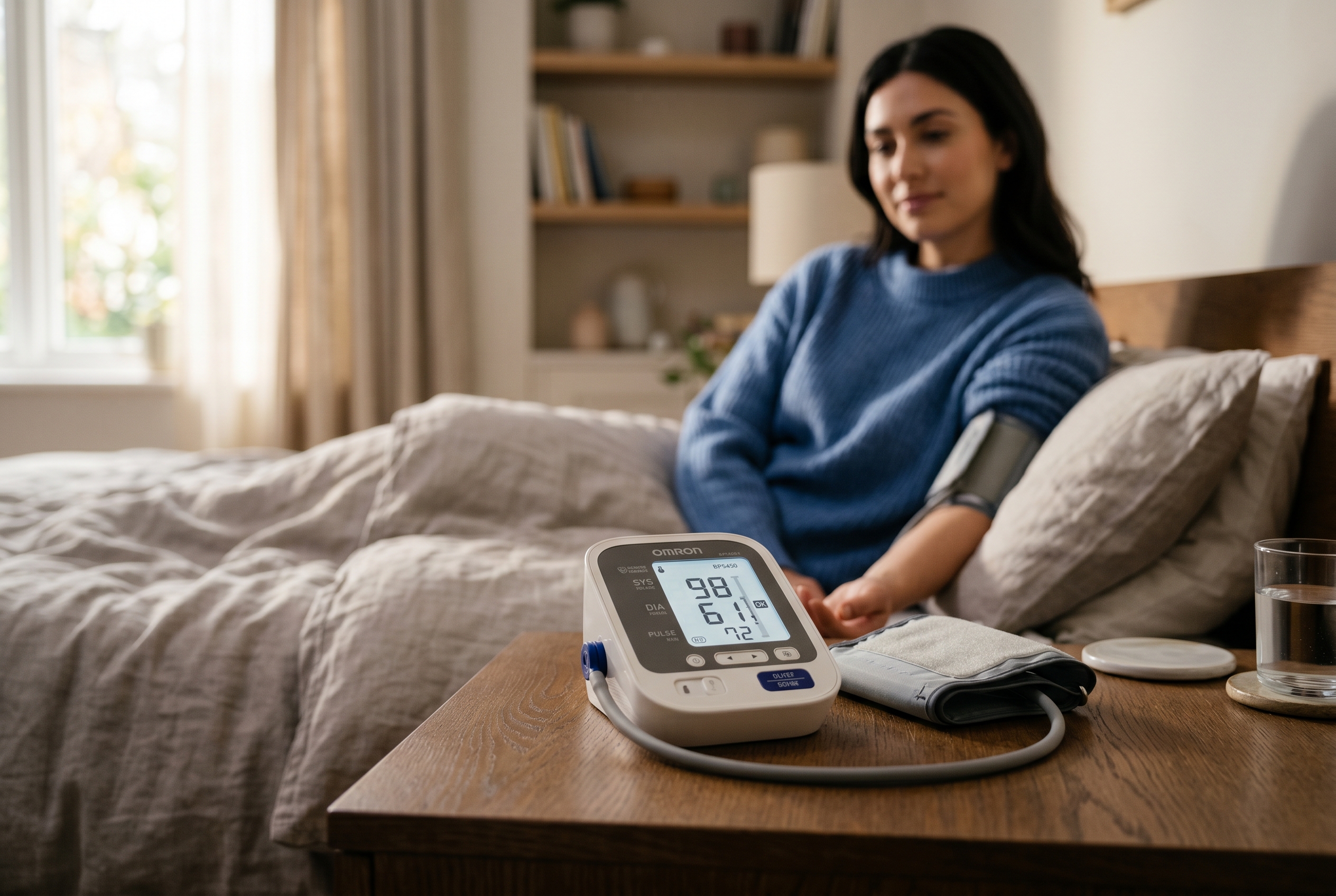
Make sure you’re measuring correctly. Poor cuff fit, arm position, or timing can give artificially low readings. Follow the same best practices for accurate measurement that apply to high readings: sit quietly for five minutes, arm supported at heart level, feet flat, back supported.
Step 2: Track the pattern
One low reading isn’t meaningful. Measure at consistent times — morning and evening, before meals, after you’ve been sitting quietly — and log the results for a week. Look for patterns:
- Are all readings low, or just some?
- Do they drop after standing, after eating, or after medication?
- Are they accompanied by symptoms?
Step 3: Rule out obvious causes
- Are you dehydrated?
- Did you just start a new medication?
- Have you been sick recently?
- Are you eating enough?
Step 4: Talk to your doctor if:
- You have new low readings that are significantly below your usual baseline
- You have symptoms alongside low readings
- Your readings drop suddenly when you stand
- You faint or nearly faint
- You have a known heart, kidney, endocrine, or neurological condition
Bring your logged readings to the appointment. Home blood pressure data over a week is far more useful than a single in-office measurement.
What your doctor might do
If your low blood pressure is symptomatic or unexplained, your doctor may:
- Review your medications and adjust doses
- Check for dehydration or nutritional deficiencies
- Order blood tests to evaluate thyroid, adrenal, or blood sugar function
- Order an ECG or echocardiogram to assess heart function
- Recommend lifestyle changes like increasing salt and fluid intake (under supervision)
- Suggest compression stockings if postural hypotension is the issue
In rare cases, they may prescribe medication to raise blood pressure — but this is uncommon and usually reserved for severe cases.
Practical tips if you have chronic low blood pressure
If your doctor has confirmed that your low blood pressure isn’t dangerous but you still experience mild symptoms, these strategies may help:
- Stay hydrated. Drink enough water throughout the day to maintain blood volume.
- Increase salt intake slightly (if your doctor approves). More sodium helps retain fluid and raise blood pressure.
- Eat smaller, more frequent meals. Large meals can trigger postprandial hypotension.
- Stand up slowly. Give your body time to adjust when moving from lying to sitting to standing.
- Avoid prolonged standing in hot environments, which can pool blood in your legs.
- Wear compression stockings if postural hypotension is a recurring issue.
- Avoid alcohol, which dilates blood vessels and lowers pressure.
The bottom line
Low blood pressure is only a problem if it causes symptoms or represents a sudden change from your baseline. If you feel fine and your readings have always been on the lower side, there’s usually no cause for concern.
If you’re experiencing dizziness, fatigue, or fainting alongside low readings — or if your blood pressure has dropped significantly from what’s normal for you — it’s worth a conversation with your doctor. But in most cases, low blood pressure is either your healthy normal or a manageable issue with a straightforward fix.
This article is educational and not medical advice. Always discuss your blood pressure readings with a qualified clinician before making decisions about treatment.
Track your readings reliably
A quality home monitor makes it easier to spot patterns and share useful data with your doctor.
Top 5 picks
Best Blood Pressure Monitors For Seniors 2026
Five upper-arm monitors ranked with published scorecards—setup friction, comfort, readability, power convenience, and repeatable accuracy—so you can compare models before you buy.
See our Top 5 blood pressure monitor picksHome-monitoring advice is only useful if it is easy to verify and act on correctly.
We write explainers to be understandable to readers, search engines, and AI answer systems.
Compare our Top 5 blood pressure monitor picks for 2026, then track readings over time with consistent technique.