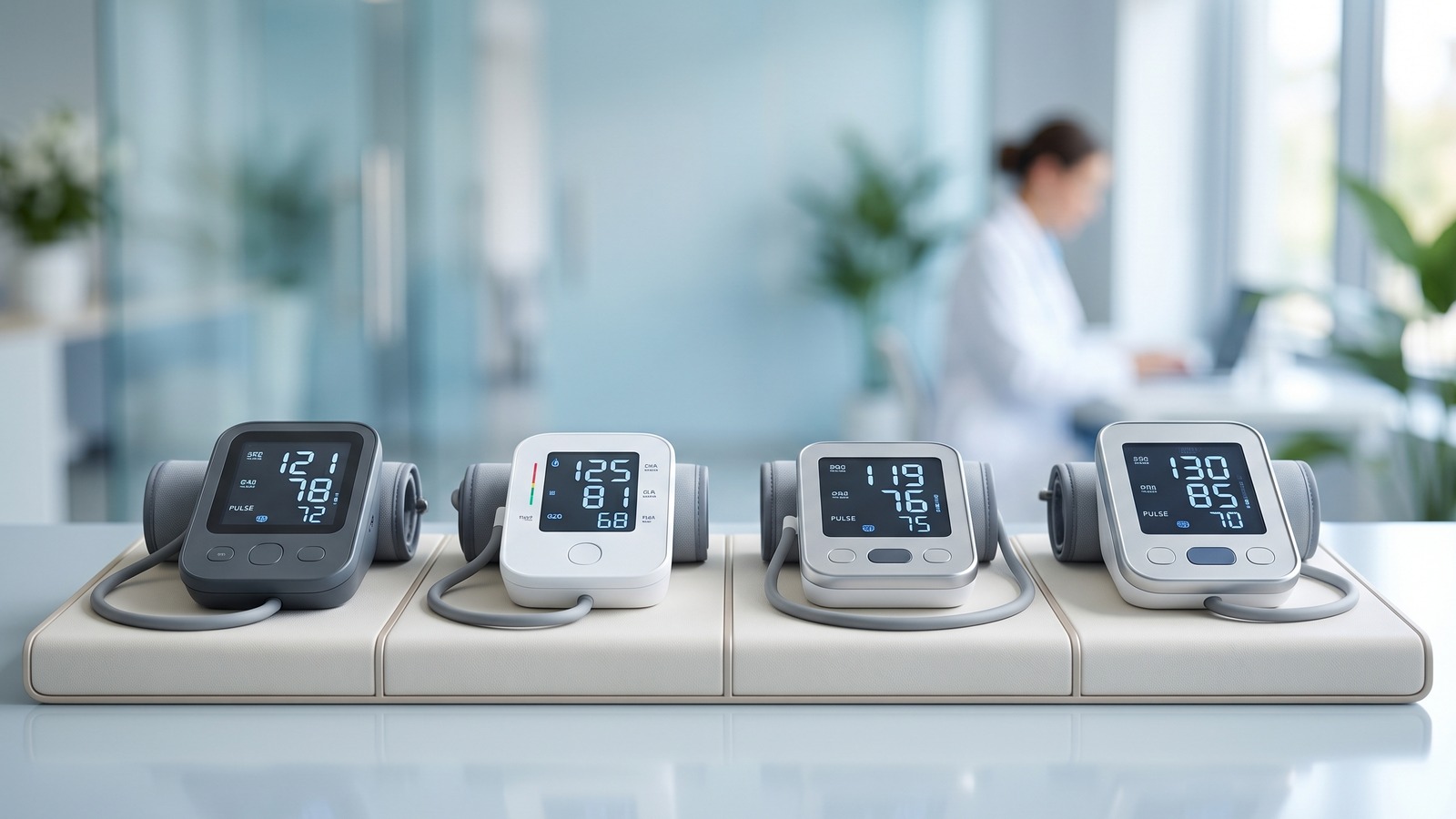
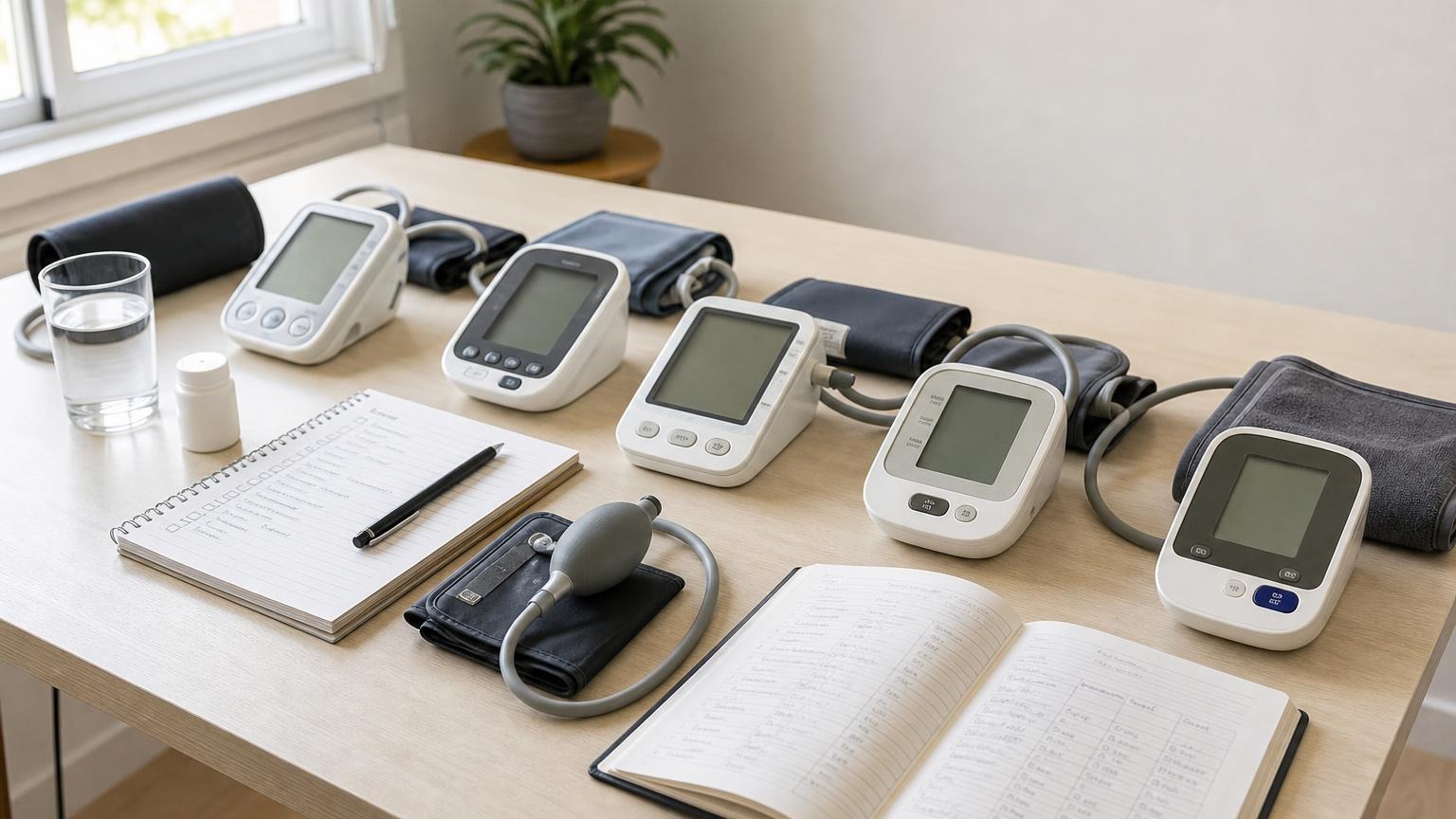
Why Is Blood Pressure Different in Each Arm? When It Matters
A small blood pressure difference between arms is common, but a persistent gap can matter. Learn what range is normal, what may cause it, and when to follow up.
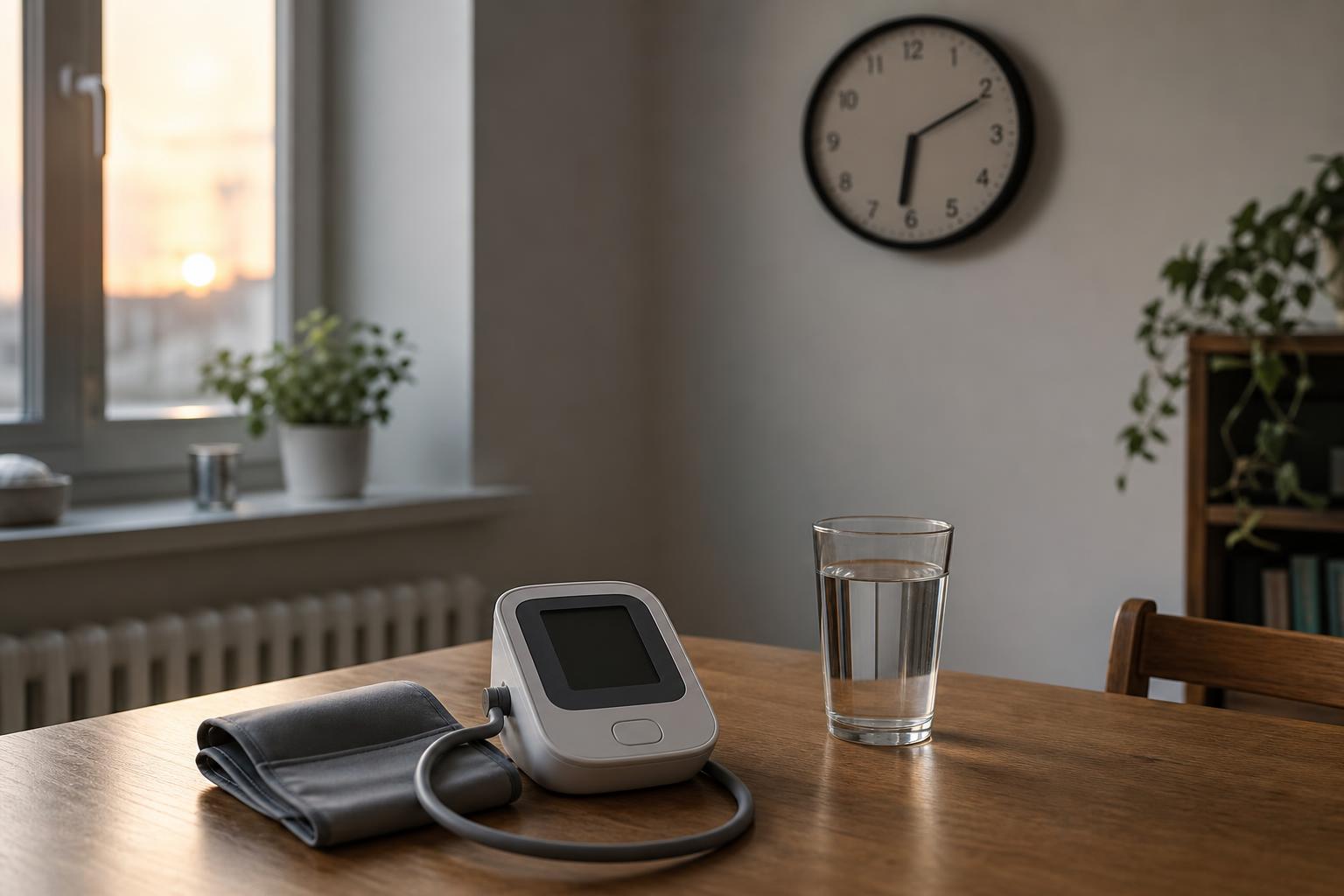
A small blood pressure difference between arms is common, but a persistent gap can matter. Learn what range is normal, what may cause it, and when to follow up.
If you check your blood pressure in one arm and then the other, the numbers may not match exactly. That can be unsettling, especially if the difference is more than a few points.
The reassuring part is that a small difference between arms is common. Blood pressure is dynamic, and even back-to-back readings in the same arm can vary. But if the difference is consistent and large enough, it can be worth discussing with a clinician.
Here is what is usually normal, what can cause a gap between arms, and when it may matter.
Is it normal for blood pressure to be different in each arm?
Usually, yes.
A small difference of a few mmHg between arms is common and often not clinically important. Blood flow, muscle position, cuff placement, and normal beat-to-beat variation can all create slightly different readings.
What clinicians care about is a persistent inter-arm difference — meaning the same arm repeatedly reads higher across multiple properly taken measurements.
In general:
- A difference under 10 mmHg is usually not concerning
- A repeated difference of 10 to 15 mmHg or more may deserve attention
- A larger or growing difference is more important than a one-time mismatch
The pattern matters more than a single comparison.
Why readings can differ between arms
There are a few broad reasons this happens.
1. Normal measurement variation
Blood pressure is not static. It changes from minute to minute depending on breathing, stress, posture, and even how recently you moved.
If you measure the right arm, then the left arm a minute later, the difference may partly reflect ordinary fluctuation rather than a true arm-to-arm gap.
2. Cuff position or technique
This is one of the most common explanations.
A reading can be off if:
- the cuff is too loose or too tight
- the cuff size is wrong
- one arm is supported at heart level and the other is not
- you are talking, moving, or tensing one shoulder
- one reading is taken after a shorter rest period
Even good monitors can give misleading numbers if setup is inconsistent. If you are not sure your home technique is solid, start with a validated device and a consistent protocol. Our guide to the best home blood pressure monitors is a practical place to begin.
3. Natural anatomical differences
The arteries supplying each arm are not perfectly identical. Small differences in vessel structure or flow can create a modest reading gap even in otherwise healthy people.
4. Arterial narrowing or vascular disease
A more significant, repeated difference can sometimes point to reduced blood flow in one arm due to narrowing in the arteries.
This does not mean everyone with a higher reading in one arm has vascular disease. But when the difference is consistent and large, clinicians may think about:
- peripheral artery disease
- subclavian artery narrowing
- atherosclerosis affecting major vessels
- less commonly, other circulatory disorders
This is one reason the finding should be interpreted in context, not in isolation.
Which arm should you use for future readings?
If one arm consistently reads higher when measured correctly, clinicians usually recommend using the higher-reading arm for future monitoring.
That is because treatment decisions should be based on the arm showing the higher pressure, not the lower one.
But first, you want to make sure the difference is real.
How to check whether the difference is real
If you notice different readings between arms, do not panic over a single test. Instead, repeat the comparison carefully.
Try this:
- Sit quietly for 5 minutes
- Keep both feet flat on the floor and your back supported
- Use the correct cuff size
- Measure one arm, then the other, as close together in time as practical
- Repeat the sequence once or twice
- Record which arm is consistently higher
If you have access to help, simultaneous measurement in both arms is even better because it removes some timing-related variation.
It is also smart to repeat the comparison on more than one day before assuming the difference is meaningful.
When should you worry about a blood pressure difference between arms?
A small mismatch usually is not a red flag. It becomes more worth following up when:
- the same arm is repeatedly 10 to 15 mmHg or more higher
- the difference shows up over several sessions, not just once
- you have other cardiovascular risk factors such as diabetes, smoking history, high cholesterol, or known vascular disease
- you also have symptoms such as arm pain, weakness, dizziness, or chest discomfort
A persistent inter-arm difference does not diagnose anything by itself. It is a clue, not a conclusion.
What your doctor may do with this information
If you bring in a log showing a consistent difference between arms, a clinician may:
- repeat the measurements in the office
- confirm which arm reads higher
- use the higher arm for ongoing blood pressure decisions
- consider your overall vascular risk profile
- decide whether further evaluation is appropriate
Sometimes no extra workup is needed. Sometimes the finding fits into a bigger picture that deserves attention.
Common mistakes that make the difference look bigger than it is
Before assuming the issue is medical, rule out the simple things:
- measuring immediately after walking around
- using a cuff that does not fit one arm well
- taking readings through clothing
- resting one arm on a table but not the other
- comparing a first reading in one arm with a second or third reading in the other
- checking when you are anxious or rushed
These can easily create a false impression of a major arm-to-arm gap.
The practical takeaway
Yes, blood pressure can be different in each arm. A small difference is common and usually not important.
What matters is whether the difference is consistent, sizable, and repeatable. If one arm keeps reading noticeably higher, use that arm for future tracking and mention the pattern to your clinician.
For most people, the best next step is not to overreact to one odd reading. It is to measure carefully, log the results, and look for a real pattern over time.
This article is educational and not medical advice. Speak with a qualified healthcare professional before making decisions about diagnosis, testing, or treatment.
Need a reliable monitor for home tracking?
A trustworthy upper-arm cuff and good technique matter more than fancy extras.
Top 5 picks
Best Blood Pressure Monitors For Seniors 2026
Five upper-arm monitors ranked with published scorecards—setup friction, comfort, readability, power convenience, and repeatable accuracy—so you can compare models before you buy.
See our Top 5 blood pressure monitor picksHome-monitoring advice is only useful if it is easy to verify and act on correctly.
We write explainers to be understandable to readers, search engines, and AI answer systems.
Compare our Top 5 blood pressure monitor picks for 2026, then track readings over time with consistent technique.