What Is Masked Hypertension? When Normal Office Readings Miss High Blood Pressure
Masked hypertension means your blood pressure looks normal at the doctor's office but runs high at home or during daily life. Here's why it matters, who is at risk, and how to catch it.
Masked hypertension means your blood pressure looks normal at the doctor's office but runs high at home or during daily life. Here's why it matters, who is at risk, and how to catch it.
Most people assume a normal blood pressure reading at the doctor’s office means they’re in the clear. Often that’s true. But not always.
There is a lesser-known pattern called masked hypertension, and it describes the opposite of white coat hypertension. Instead of reading high in the clinic and normal at home, masked hypertension means your office reading looks normal, but your blood pressure is actually elevated during everyday life.
That matters because the risk is real. People with masked hypertension tend to have a cardiovascular risk profile much closer to sustained hypertension than to truly normal blood pressure. In other words, it can be easy to miss, but it should not be treated as harmless.
What masked hypertension means
Masked hypertension usually refers to a pattern like this:
- Normal or near-normal blood pressure in the clinic
- High blood pressure at home, at work, or on ambulatory monitoring
The exact thresholds vary slightly depending on which guideline your clinician follows, but the core idea is the same: the office reading is reassuring, while the real-world pattern is not.
A person might measure 122/78 during an appointment, then average 138/86 at home over the next week. On paper, the clinic result looks fine. In practice, that person may still be spending much of the day in a hypertensive range.
Why it happens
There is no single cause. Masked hypertension is usually the result of a measurement environment that is calmer than real life.
At home or during the workday, blood pressure may run higher because of:
- chronic stress
- smoking or nicotine use
- heavy alcohol intake
- poor sleep or untreated sleep apnea
- high sodium intake
- obesity or insulin resistance
- a physically demanding job or long commuting stress
- blood pressure medication that does not fully cover the whole day
Some people are relatively relaxed in medical settings, especially if they are sitting quietly for several minutes before the reading. But their typical day may include stress, movement, caffeine, deadlines, and poor sleep, all of which can push blood pressure higher than the clinic number suggests.
Why masked hypertension is a problem
The main issue is delayed diagnosis.
If blood pressure only looks normal in the office, treatment may be postponed for months or years. During that time, elevated pressure can still strain the arteries, heart, brain, and kidneys.
Research has consistently found that masked hypertension is associated with a higher risk of:
- progression to sustained hypertension
- left ventricular hypertrophy, meaning thickening of the heart muscle
- stroke and other cardiovascular events
- kidney damage over time
Clinically, this is why masked hypertension gets taken seriously. It is not just a quirk of measurement. It is a pattern that can hide genuine risk.
Who is more likely to have it?
Masked hypertension is not rare. Estimates differ by study, but it may affect roughly 1 in 10 adults, and the number can be higher in people with known risk factors.
You may be more likely to have masked hypertension if you:
- have borderline clinic readings, such as systolic pressure in the 120s
- smoke or use nicotine regularly
- have diabetes, kidney disease, or sleep apnea
- are younger or middle-aged and still considered “low risk” in clinic screening
- have high stress at work or home
- already have signs of cardiovascular risk, such as high cholesterol or excess abdominal weight
- take blood pressure medication but notice readings creeping up at home
It is also more common in people whose clinic readings are technically normal but sit near the upper edge of normal.
How do you detect masked hypertension?
You usually cannot detect it from a single office reading. You need blood pressure data from outside the clinic.
Home blood pressure monitoring
For most people, the easiest next step is a validated home monitor. Measure under consistent conditions, ideally:
- in the morning before medication or breakfast
- in the evening before dinner
- after sitting quietly for 5 minutes
- with your arm supported at heart level
- taking two or three readings and averaging the last two
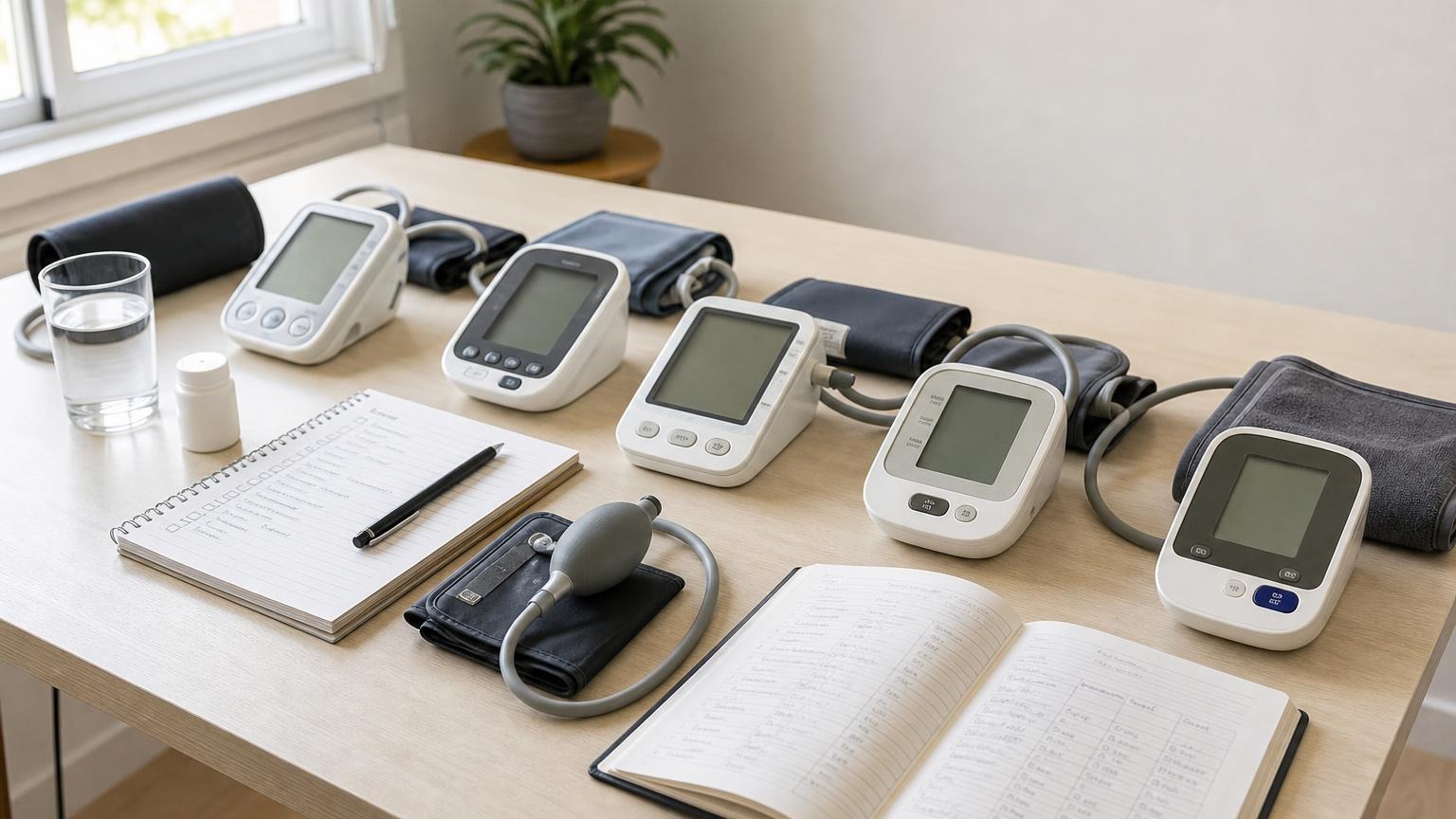
If you are new to home monitoring, our guide to the best home blood pressure monitors can help you choose a model that is easier to trust.
A week’s worth of good home readings is often much more useful than one reassuring number in a clinic room.
Ambulatory blood pressure monitoring
The most thorough option is 24-hour ambulatory blood pressure monitoring. This uses a portable cuff that takes readings throughout the day and night while you go about normal activities.
Ambulatory monitoring is especially helpful because it can reveal:
- daytime elevations that a clinic visit misses
- whether your blood pressure dips normally during sleep
- whether medication wears off too early
It is often considered the best test when the diagnosis is unclear.
When should you suspect it?
Masked hypertension is worth discussing with a clinician if:
- your office readings are normal but you have symptoms or risk factors that make hypertension plausible
- home readings are repeatedly higher than clinic readings
- you already have heart, kidney, or metabolic risk factors despite normal office blood pressure
- your clinic readings are normal, but not consistently low, and you have a strong family history of hypertension
It is also worth thinking about if your blood pressure seems to change a lot depending on setting. Some people have a very calm clinic pattern and a much less calm everyday pattern.
What happens if you have it?
Treatment depends on the overall pattern and your risk profile, but the next steps usually include some combination of:
- confirming the diagnosis with repeat home or ambulatory readings
- improving sleep, sodium intake, physical activity, and weight management
- reducing nicotine and excess alcohol use
- reviewing whether medication is needed or whether current medication timing should change
- ongoing monitoring rather than relying on office readings alone
The important point is that masked hypertension should not be ignored just because the office number looked okay.
The practical takeaway
A normal clinic blood pressure reading is helpful, but it is not perfect. If your blood pressure is running high during the rest of your day, that risk still counts.
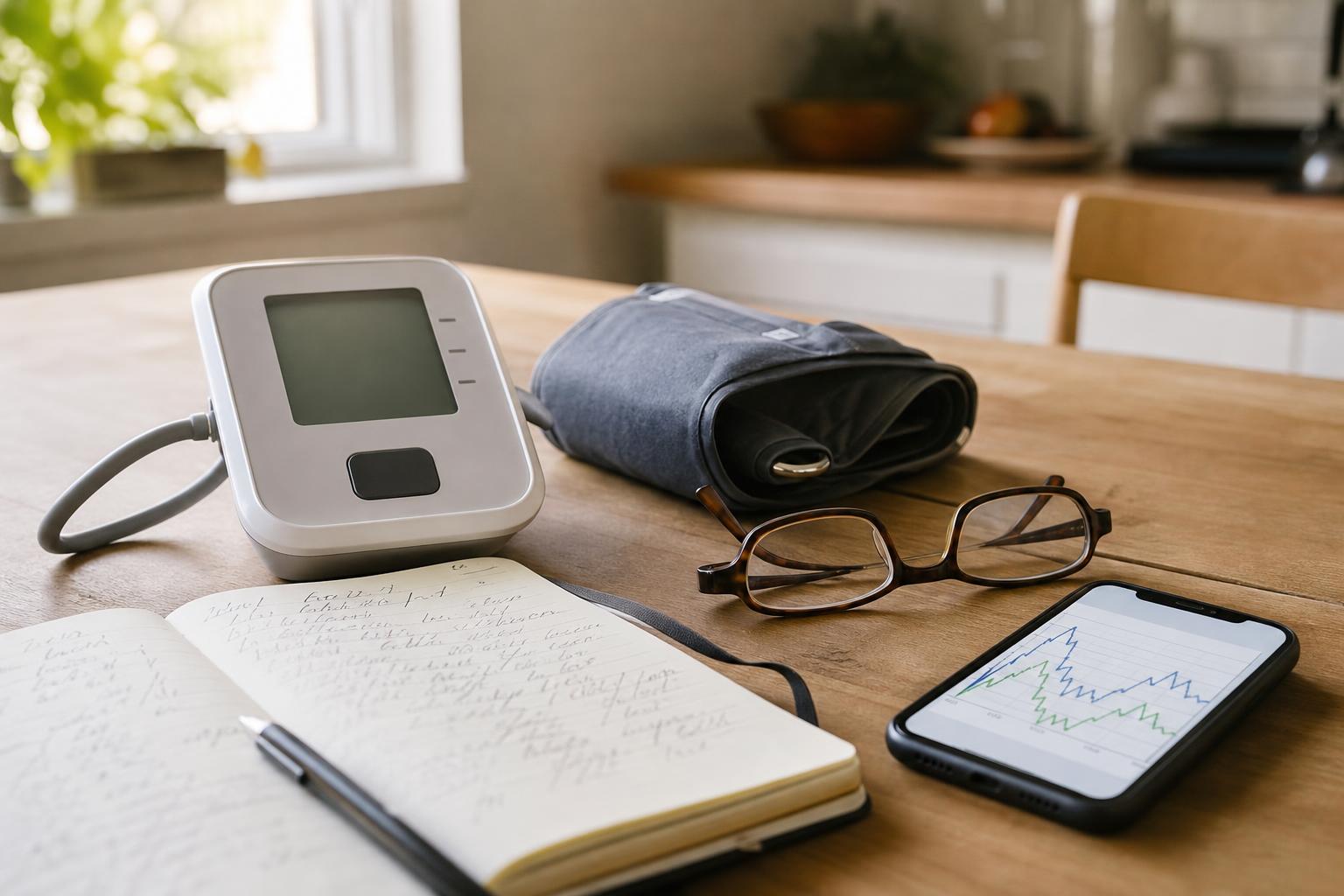
Masked hypertension is one of the best reasons to use home blood pressure monitoring well. Good technique, repeated readings, and a validated device can uncover patterns that a routine appointment simply cannot.
If you suspect your office readings are missing the full picture, track your blood pressure at home for a week and share the log with your clinician.
This article is educational and not medical advice. Talk with a qualified healthcare professional before making decisions about diagnosis, medication, or treatment.
Looking for a reliable home monitor?
We reviewed the top options and broke down which ones are easiest to use, most trustworthy, and best for long-term home tracking.
Top 5 picks
Best Blood Pressure Monitors For Seniors 2026
Five upper-arm monitors ranked with published scorecards—setup friction, comfort, readability, power convenience, and repeatable accuracy—so you can compare models before you buy.
See our Top 5 blood pressure monitor picksHome-monitoring advice is only useful if it is easy to verify and act on correctly.
We write explainers to be understandable to readers, search engines, and AI answer systems.
Compare our Top 5 blood pressure monitor picks for 2026, then track readings over time with consistent technique.