Why Cuff Monitors Are Still the Most Accurate Option
Why cuff-based blood pressure monitors are still the most accurate home option, and why cuffless or wrist-based alternatives still struggle to match them.
Why cuff-based blood pressure monitors are still the most accurate home option, and why cuffless or wrist-based alternatives still struggle to match them.
A lot of people assume blood pressure technology should have moved beyond the traditional cuff by now. If watches can track heart rate, sleep, and activity all day, why should a blood pressure monitor still need to squeeze your arm?
The short answer is that blood pressure is harder to measure accurately than most people realize. For all their inconvenience, cuff-based monitors still do the best job of turning a physical event in the body into a dependable reading at home.
Why the cuff matters
A cuff monitor does something simple but important. It temporarily applies controlled pressure around the artery, then measures what happens as that pressure changes.
That controlled compression gives the monitor a stronger signal to work with. It is not guessing blood pressure from indirect clues alone. It is creating a repeatable measurement condition and then interpreting the arterial response.
That is a big reason cuff-based upper-arm monitors remain the reference standard for home use.
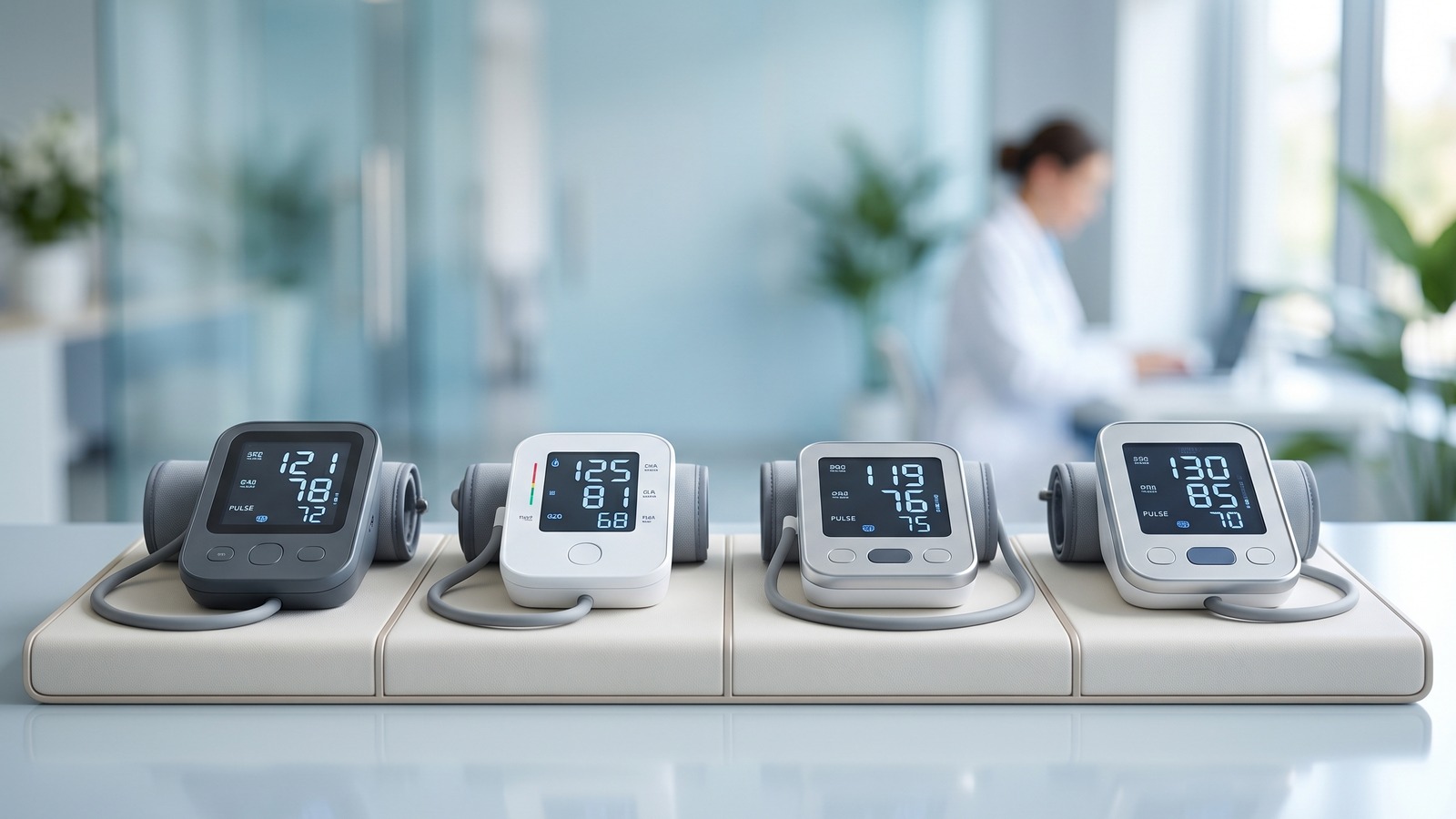
A quick visual of why cuff-based measurement still produces the clearest and most reliable home blood pressure signal.
Why cuffless devices are appealing, but still limited
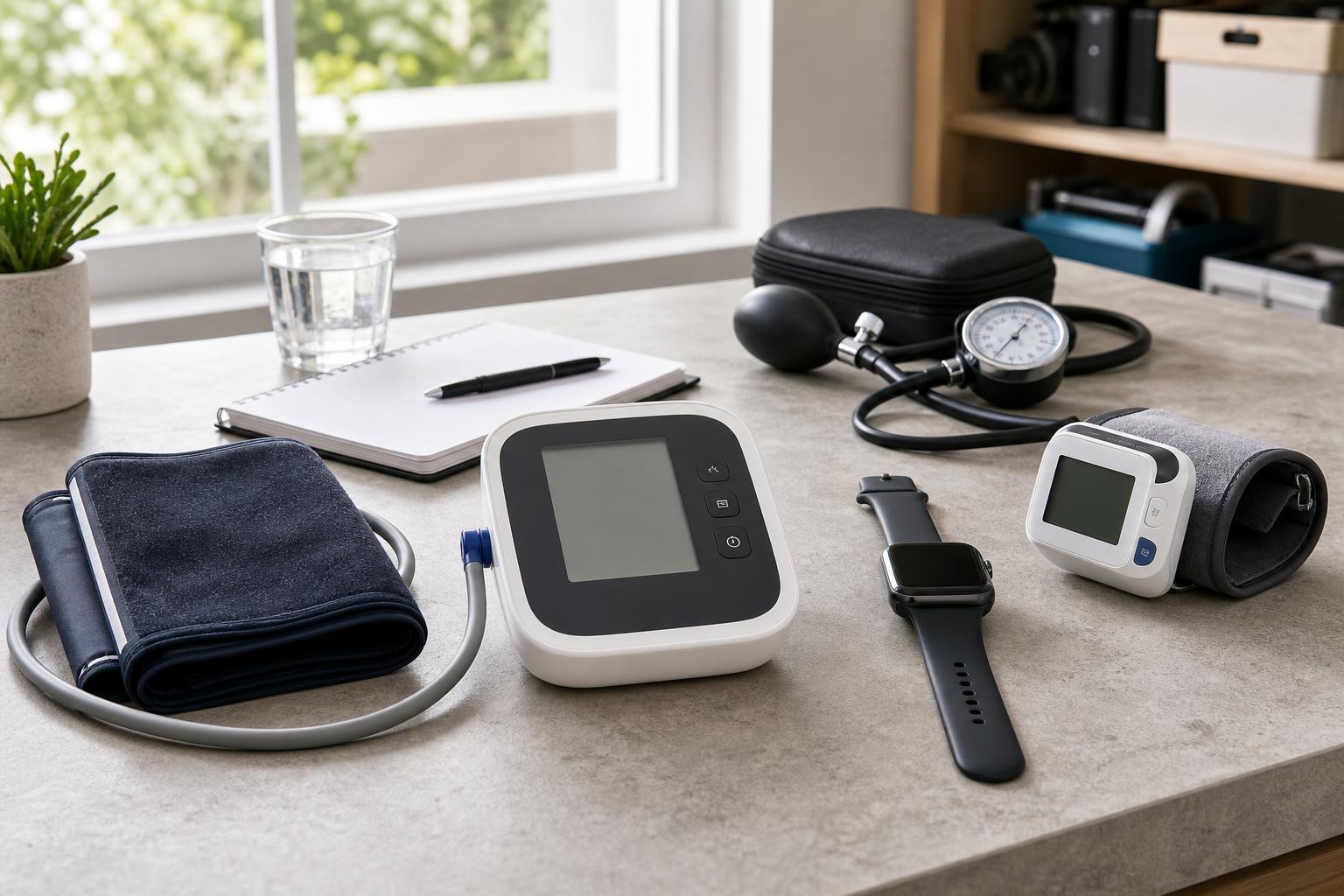
Cuffless devices are attractive for obvious reasons. They are more comfortable, more passive, and easier to imagine using every day. The challenge is that they usually estimate blood pressure from secondary signals, such as pulse transit time, optical sensors, or other proxy measurements.
Those systems can be promising, but they are also more vulnerable to calibration drift, body-position effects, motion, skin differences, and other real-world variables.
That does not mean cuffless technology is useless. It means it is still trying to match the reliability of a method that directly controls the measurement environment.
Why upper-arm cuffs beat wrist monitors for most people
Even within cuff-based devices, accuracy is not equal across formats. Upper-arm cuffs are usually more dependable than wrist monitors because they measure at a larger artery and are generally less sensitive to small positioning mistakes.
That is why most clinical guidance still points home users toward validated upper-arm devices first.
If you want a full breakdown of that comparison, read our guide to upper-arm vs wrist blood pressure monitors.
Validation matters as much as the format
The most accurate category is still the validated cuff monitor, not just any cuff monitor. A cheap device with no recognized validation can still be a poor choice even if it wraps around the upper arm.
That is why the safest recommendation is usually a validated upper-arm monitor from a manufacturer with a real track record.
Why this probably will not change overnight
New technology always looks like it should replace older hardware immediately. In health measurement, that usually takes longer than consumers expect.
Blood pressure is a high-stakes reading. If the number is wrong, the downstream decision can be wrong too. That is why the old-fashioned approach survives. It is not because innovation stopped. It is because accuracy is difficult, and the cuff still solves a problem newer form factors have not completely solved.
Bottom line
Cuff monitors are still the most accurate home option because they create a controlled measurement condition around the artery instead of relying mostly on indirect estimation.
That does not make them elegant. It makes them reliable.
If accuracy is the priority, a validated upper-arm cuff monitor is still the best place to start.
If accuracy is the priority, start with our shortlist of best home blood pressure monitors. If you are still comparing formats, this also pairs well with our explainer on upper-arm vs wrist blood pressure monitors.
This article is educational and not medical advice. Consult a qualified clinician before making decisions about diagnosis, treatment, or medication.
Top 5 picks
Best Blood Pressure Monitors For Seniors 2026
Five upper-arm monitors ranked with published scorecards—setup friction, comfort, readability, power convenience, and repeatable accuracy—so you can compare models before you buy.
See our Top 5 blood pressure monitor picksHome-monitoring advice is only useful if it is easy to verify and act on correctly.
We write explainers to be understandable to readers, search engines, and AI answer systems.
Compare our Top 5 blood pressure monitor picks for 2026, then track readings over time with consistent technique.