Why High Blood Pressure Is So Dangerous
High blood pressure is often symptomless for years. Here is what it quietly does to arteries, the heart, brain, kidneys, and eyes over time.
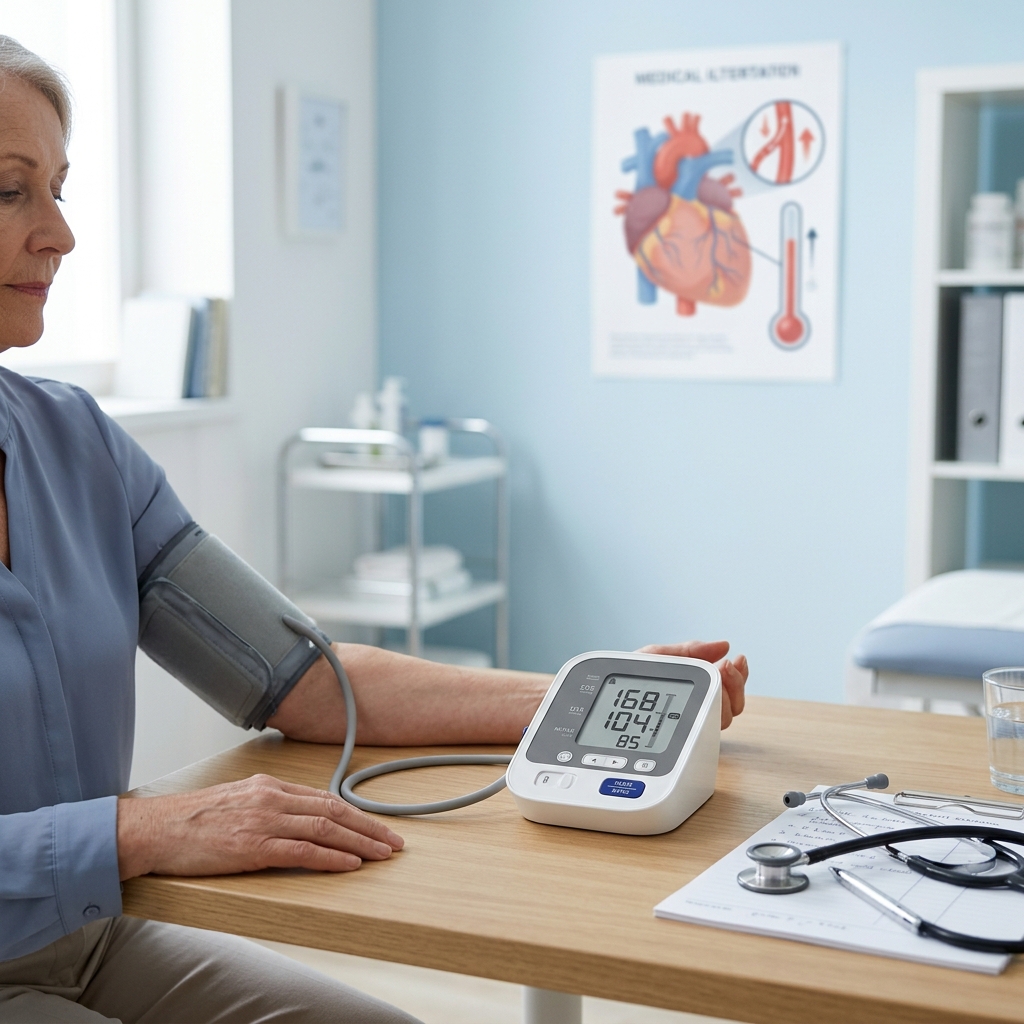
High blood pressure is often symptomless for years. Here is what it quietly does to arteries, the heart, brain, kidneys, and eyes over time.
High blood pressure has a dramatic nickname, the silent killer, and in this case the label is not marketing. Hypertension usually does not hurt. It usually does not make people feel obviously sick. It can keep doing damage for years before anything forces the issue.
That is what makes it dangerous. If a condition causes pain early, people seek help early. Blood pressure often does the opposite. It rises quietly, adapts into the background of daily life, and only gets taken seriously after the heart, brain, kidneys, or eyes have already absorbed the wear.
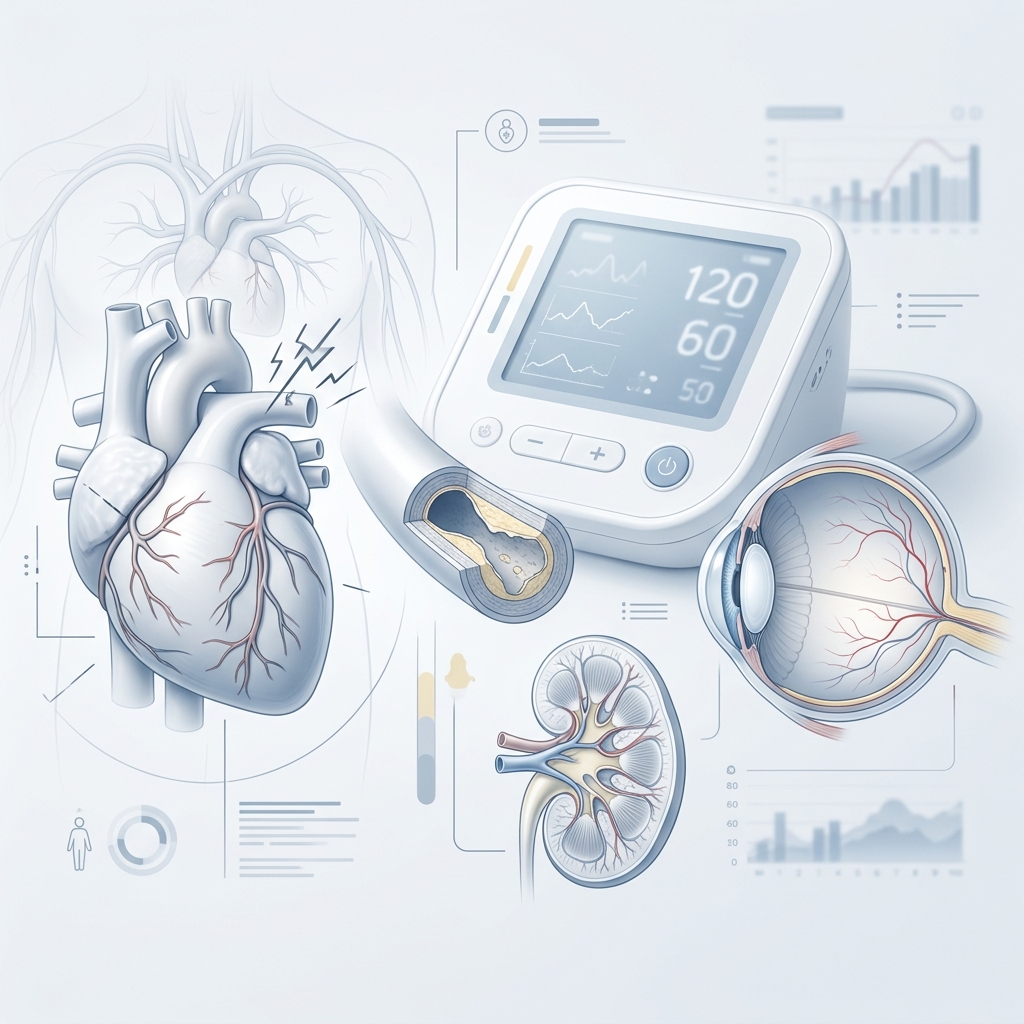
Why the “silent killer” label is not an exaggeration
Nearly half of American adults meet the criteria for hypertension, and a significant share either do not know it or do not have it well controlled. That is one reason public health groups treat home blood pressure monitoring so seriously. The problem is common, the damage is cumulative, and symptoms are unreliable.
A high reading once in a while is not the issue. The danger comes from pressure that stays elevated over time.
What sustained high pressure does to arteries
The easiest way to understand hypertension is mechanically. Imagine a hose under more pressure than it was designed to handle. The lining experiences more stress. The walls stiffen. Small weak points matter more.
Arteries are not hoses, but the analogy is good enough to explain the problem. Persistently high pressure can injure the inner lining of blood vessels, promote plaque formation, and make the vascular system less flexible over time. That increases the workload on the heart and raises the risk of downstream damage.
What it does to the heart
The heart has to pump against that extra resistance. Over time, that can make the heart muscle thicken, especially the left ventricle. Thickened muscle may sound strong, but it is often a sign that the heart is under strain.
Long-term hypertension is associated with higher risk of heart attack, heart failure, and atrial fibrillation. The risk does not come from one dramatic spike. It comes from the cumulative burden of elevated pressure over years.
What it does to the brain
High blood pressure is one of the strongest modifiable risk factors for stroke. It increases both ischemic stroke risk, where a vessel is blocked, and hemorrhagic stroke risk, where a vessel ruptures.
It may also contribute over time to vascular cognitive decline. In plain language, poorly controlled hypertension can damage the small blood vessels the brain depends on.
What it does to the kidneys
The kidneys are built around tiny blood vessels and pressure-sensitive filtering structures. That makes them especially vulnerable. Persistent hypertension can gradually impair kidney function, and kidney disease can in turn worsen blood pressure. The relationship often runs both ways.
This is one reason blood pressure control matters even when someone feels completely normal.
What it does to the eyes
The retina contains delicate blood vessels that can also show the effects of long-term hypertension. In more severe or longstanding cases, elevated pressure can damage these vessels and affect vision.
It is not the most talked-about consequence, but it is part of the same pattern: blood vessels under chronic strain eventually show it somewhere.
Why symptoms usually show up late
One reason people underestimate hypertension is that they expect a dangerous condition to announce itself clearly. Blood pressure often does not. Some people do get headaches, flushing, or a sense of pressure, but these symptoms are inconsistent and nonspecific. Many people with very high readings feel fine.
That is exactly why home monitoring matters. If you rely on symptoms, you will often miss the problem.
Why home monitoring helps
A clinic reading is a snapshot. A home series is a pattern. Patterns are what clinicians use to judge whether blood pressure is truly elevated, whether treatment is working, and whether the readings are stable enough to trust.
A good home monitor does not replace medical care, but it can reveal something a once-a-year office reading misses entirely.
When high blood pressure is urgent
Most elevated readings are not emergencies. A chronically high blood pressure should be addressed, but it usually does not require a 911 call.
What is more concerning is a very high reading accompanied by symptoms such as chest pain, shortness of breath, neurologic changes, severe headache, or vision changes. That kind of situation needs urgent medical attention.
For less dramatic but consistently elevated readings, the right move is usually to gather good home data and discuss it with a clinician.
Bottom line
High blood pressure is dangerous precisely because it is quiet. It can damage blood vessels, the heart, brain, kidneys, and eyes without giving you a reliable warning signal.
The practical lesson is simple: do not wait to feel hypertensive. Measure it, track the pattern, and take persistent elevation seriously.
Need a better home setup?
Start with accurate technique:
And if you need a validated monitor, here are the models we recommend most:
This article is educational and not medical advice. Consult a qualified clinician before making decisions about diagnosis, treatment, or medication.
Top 5 picks
Best Blood Pressure Monitors For Seniors 2026
Five upper-arm monitors ranked with published scorecards—setup friction, comfort, readability, power convenience, and repeatable accuracy—so you can compare models before you buy.
See our Top 5 blood pressure monitor picksHome-monitoring advice is only useful if it is easy to verify and act on correctly.
We write explainers to be understandable to readers, search engines, and AI answer systems.
Compare our Top 5 blood pressure monitor picks for 2026, then track readings over time with consistent technique.