Does a Hot Shower Affect Blood Pressure?
A hot shower can change blood pressure readings. Learn when it matters, how long to wait, and how to keep home measurements consistent.
A hot shower can change blood pressure readings. Learn when it matters, how long to wait, and how to keep home measurements consistent.
Yes — a hot shower can affect blood pressure, especially if you check your numbers immediately afterward. Heat can relax blood vessels, standing in a warm bathroom can make some people lightheaded, and the walk from shower to chair can add enough movement to make a reading less comparable with your usual resting baseline.
That does not mean showers are dangerous for most people or that every after-shower number is wrong. It means a reading taken right after bathing is not the cleanest number to use for routine home blood pressure tracking.
Does a hot shower affect blood pressure readings?
A hot shower can affect blood pressure readings because it changes several conditions at once.
The warmth can encourage blood vessels near the skin to widen. That is one reason people may feel relaxed, flushed, or slightly lightheaded after a hot shower. At the same time, you have usually been standing, bending, drying off, changing clothes, and moving from one room to another. Those are small actions, but home blood pressure measurement is sensitive to small setup differences.
The result can go either direction. Some people may see a lower reading because heat and relaxation temporarily reduce vascular resistance. Others may see a higher or noisier reading if they are rushing, overheated, anxious about the number, or still physically active from getting ready.
The practical point is simple: right after a hot shower is not a standardized resting condition. If you are trying to compare today’s number with last week’s number, it is better to remove bathing as a variable.
How long should you wait after a shower to take blood pressure?
For a routine resting reading, wait at least 10 to 15 minutes after a hot shower, and longer if you still feel warm, flushed, short of breath, dizzy, or unsettled.
Use that time to reset the conditions that make home readings useful:
- Sit in a chair with your back supported.
- Keep both feet flat on the floor.
- Let your breathing and body temperature settle.
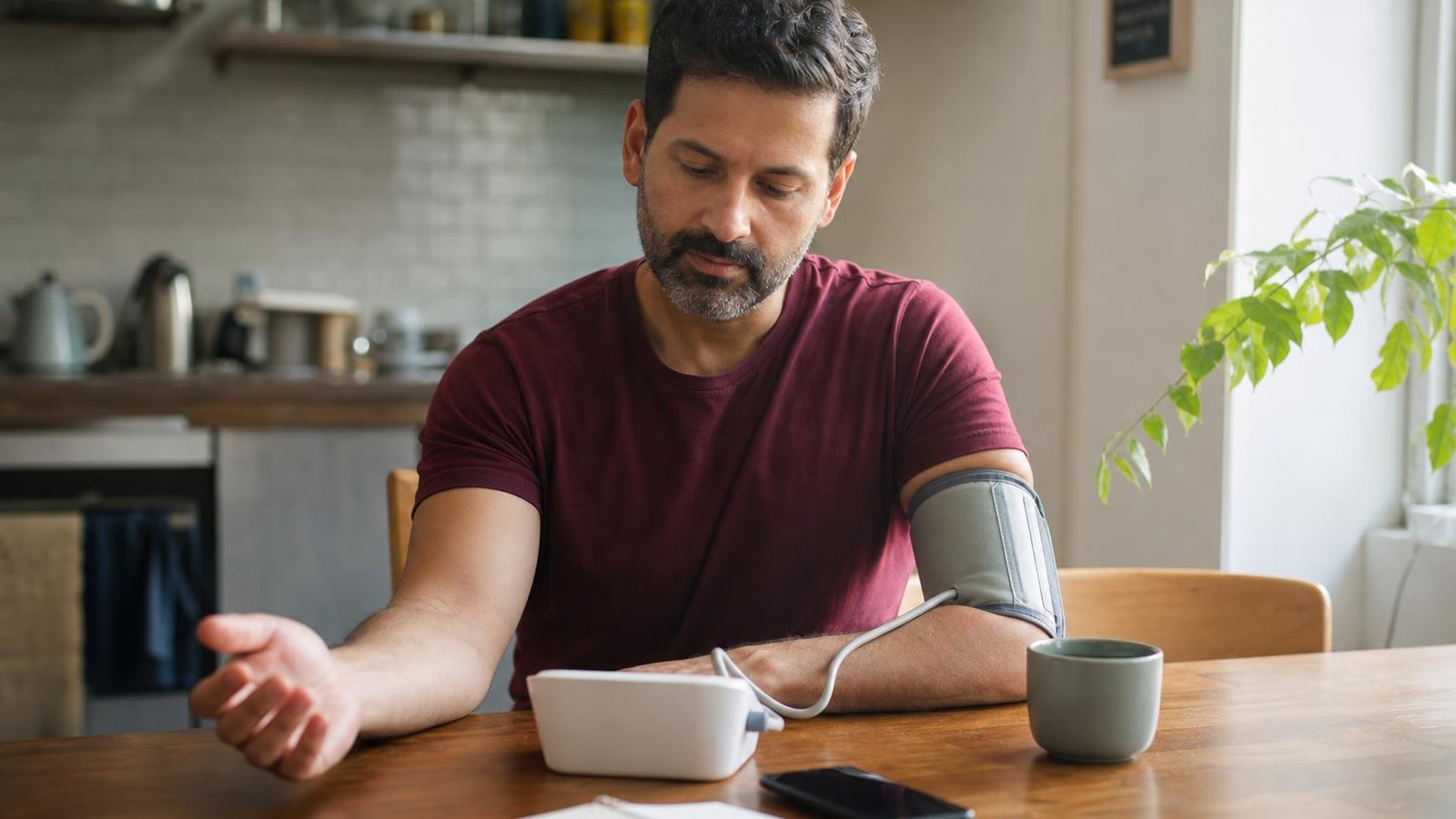
- Put the cuff on bare skin with your arm supported at heart level.
- Sit quietly for 5 minutes before pressing start.
- Take two readings about one minute apart and average them.
If your shower was very hot, long, or followed by rushing around the house, treat the waiting period as longer rather than shorter. The goal is not to obey a perfect timer. The goal is to measure when your body has returned to a calm, repeatable baseline.
For a full setup checklist, see our guide to how to take an accurate blood pressure reading at home.
Why after-shower readings can look lower
A lower blood pressure reading after a hot shower is often related to heat and posture.
Warm water can cause blood vessels near the skin to relax. When vessels widen, pressure can temporarily fall in some people. Standing in the shower also makes blood pool more easily in the lower body, especially if you are dehydrated, older, on blood pressure medication, or prone to dizziness.
That combination is why some people feel briefly lightheaded after a hot bath or shower. If you check blood pressure during that window, the number may reflect the recent heat exposure more than your ordinary seated resting pressure.
A single lower reading after a shower is not automatically a problem. But repeated dizziness, fainting, falls, chest pain, shortness of breath, confusion, or unusually low readings should be discussed with a qualified clinician. Do not change medication based on one after-shower measurement.
Why after-shower readings can look higher
A higher reading after a shower is also possible.
The shower itself may be relaxing, but the routine around it may not be. You may have climbed stairs, hurried to get dressed, wrestled with a towel, talked to someone, checked your phone, or sat down before your heart rate fully settled. If you measure while still warm and slightly activated, the cuff may capture that transition instead of a true resting state.
Another common issue is posture. People often take a quick reading on the edge of the bed or at a bathroom counter after showering. That can lead to:
- unsupported back
- feet dangling or crossed
- arm below heart level
- cuff placed over damp skin or clothing
- not sitting quietly before the measurement
Those details can matter as much as the shower. If the reading surprises you, repeat it later under cleaner conditions before deciding what it means.
Morning shower vs. morning blood pressure routine
If you check blood pressure in the morning, the cleanest sequence is usually:
- Use the bathroom.
- Sit quietly and take your blood pressure.
- Log the reading.
- Then shower, eat, drink coffee, exercise, or start the day.
That order gives you a more stable baseline because it removes heat, movement, caffeine, food, and schedule stress from the reading. It also makes your numbers easier to compare from day to day.
If showering first is unavoidable, make the routine consistent. Shower the same way, wait the same amount of time, sit in the same chair, and note the timing in your log. Consistency is the reason home monitoring works. Random timing is the reason home logs become confusing.
Our morning blood pressure routine explains how to build a more repeatable sequence.
When an after-shower reading is useful
Most after-shower readings are not ideal for routine tracking, but they can be useful if you are trying to understand symptoms.
For example, if you often feel dizzy after a hot shower, a labeled reading may help you describe the pattern to your clinician. In that case, do not mix the number into your normal baseline as if it were a standard reading. Label it clearly:
- “10 minutes after hot shower”
- “felt lightheaded after bathing”
- “standing in warm bathroom before reading”
- “repeat reading after 20 minutes of sitting”
Context matters. A number without timing can look alarming or meaningless. A number with timing can become useful evidence.
Common mistakes to avoid
The biggest mistake is treating every blood pressure number as equally comparable. It is not.
Avoid these after-shower habits if your goal is routine monitoring:
- measuring while still damp, hot, or flushed
- checking at the bathroom counter instead of seated in a supported chair
- measuring immediately after drying off or getting dressed
- comparing an after-shower evening reading with a pre-breakfast morning reading
- changing medication timing or dose based on one unusual reading
- ignoring symptoms because you assume the shower explains everything
If the reading is much higher or lower than usual, repeat it after resting. If it stays unusual or comes with concerning symptoms, seek medical guidance.
FAQ
Should I take blood pressure before or after a shower?
Before is usually better if you want a consistent resting number, especially in the morning. A reading before showering removes heat and post-shower movement as variables.
Can a hot shower lower blood pressure?
It can temporarily lower blood pressure in some people, mainly because heat can relax blood vessels and standing in warmth can make pressure drop. The effect is not the same for everyone.
Can a hot shower raise blood pressure?
It can, indirectly. Rushing, movement, poor posture, anxiety, or measuring before your body settles can make the reading higher or more erratic.
Is it dangerous to shower with high blood pressure?
For many people, ordinary warm showers are not a problem. Very hot showers, dizziness, fainting, chest pain, shortness of breath, or repeated unusual readings deserve clinician guidance.
Bottom line
A hot shower can affect blood pressure readings, so it is not the best setup for routine home monitoring. If you want a cleaner baseline, measure before showering or wait until you are cool, seated, quiet, and fully settled.
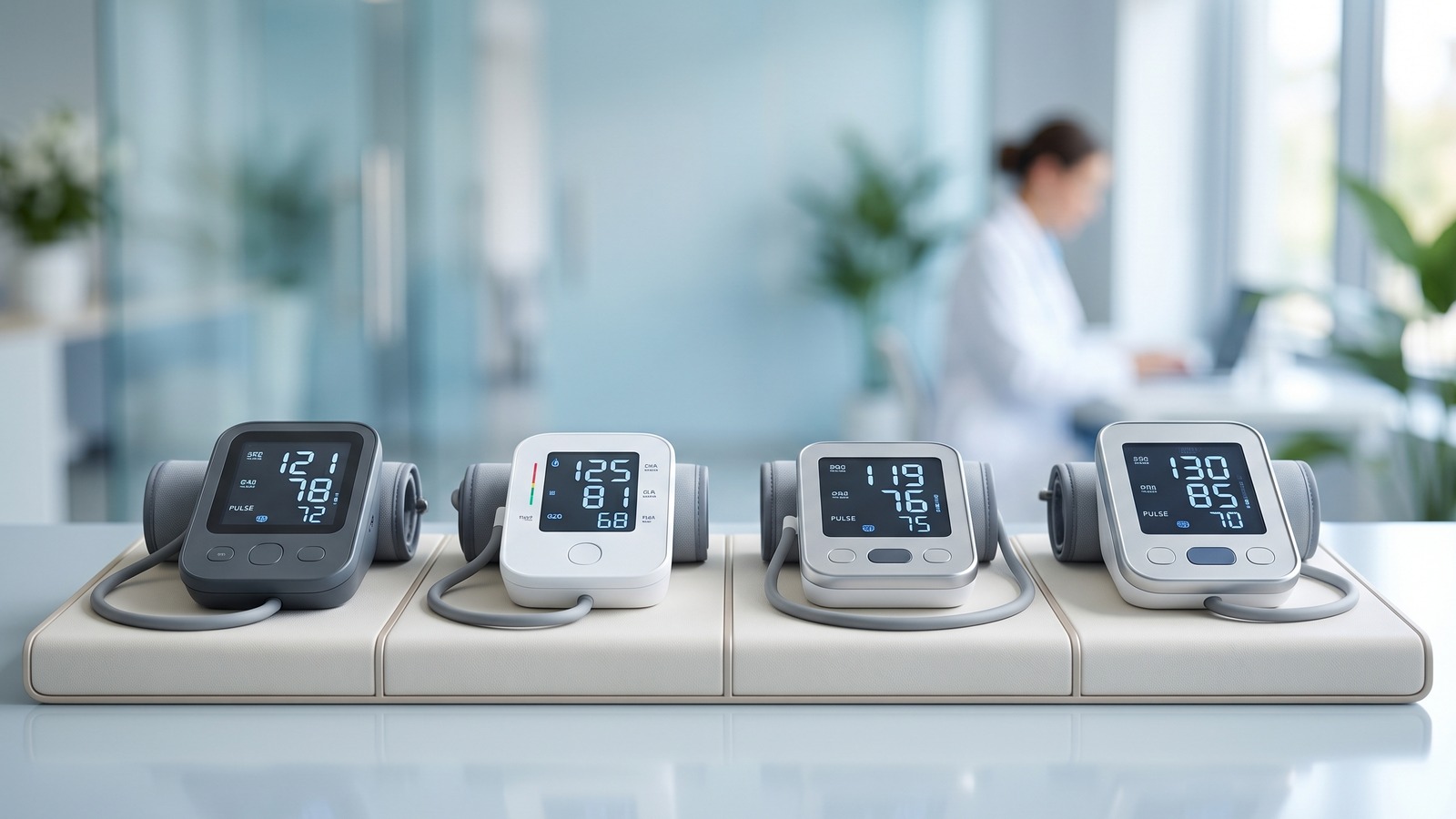
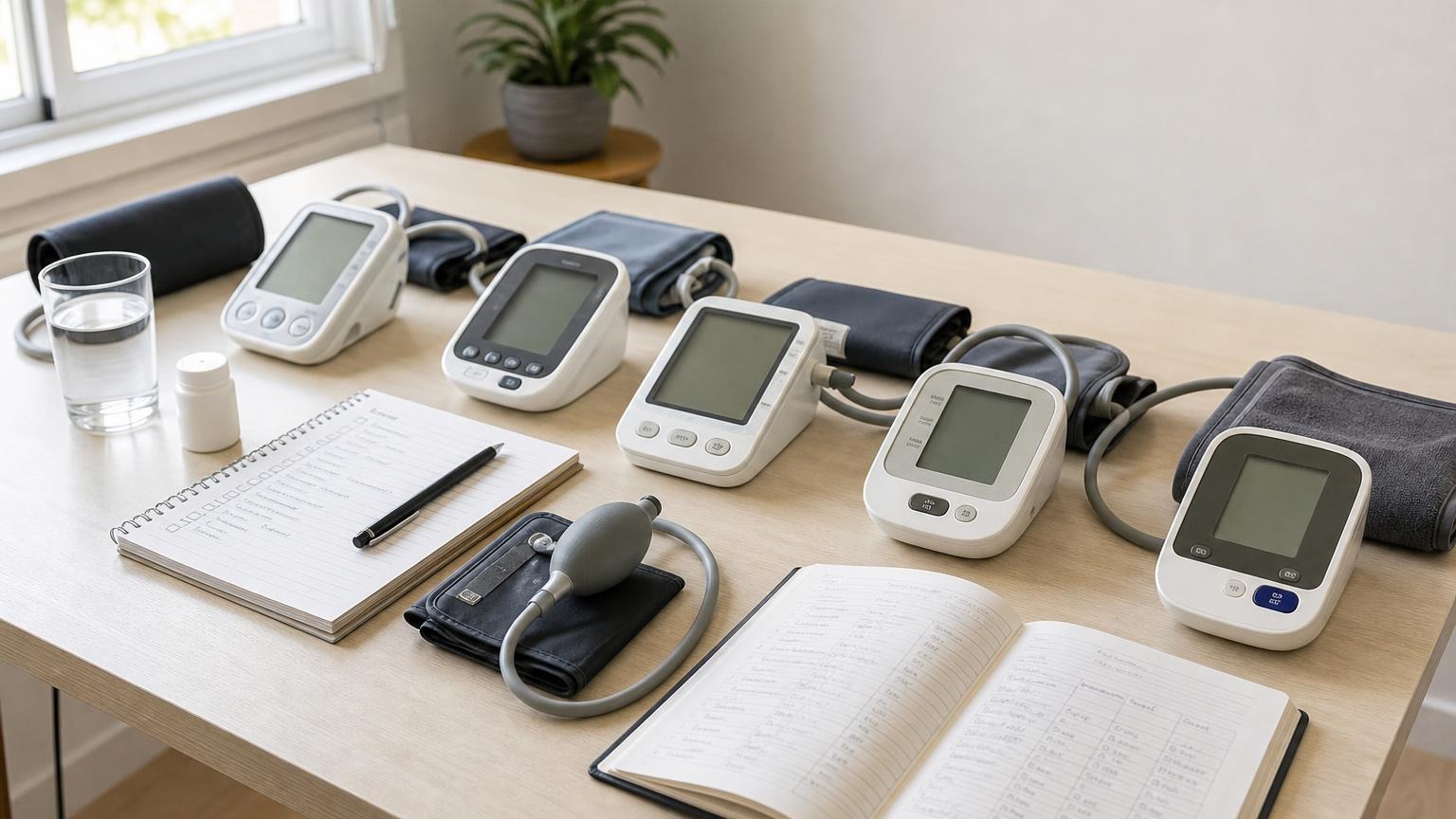
If you are choosing a monitor for consistent home tracking, compare our current upper-arm picks here:
This article is educational and not medical advice. Consult a qualified clinician before making treatment decisions or changing medication based on home readings.
Top 5 picks
Best Blood Pressure Monitors For Seniors 2026
Five upper-arm monitors ranked with published scorecards—setup friction, comfort, readability, power convenience, and repeatable accuracy—so you can compare models before you buy.
See our Top 5 blood pressure monitor picksHome-monitoring advice is only useful if it is easy to verify and act on correctly.
We write explainers to be understandable to readers, search engines, and AI answer systems.
Compare our Top 5 blood pressure monitor picks for 2026, then track readings over time with consistent technique.