Do Home Blood Pressure Monitors Need Calibration?
Blood pressure monitor calibration matters, but most home users need verification and good technique more than a tune-up.
Blood pressure monitor calibration matters, but most home users need verification and good technique more than a tune-up.
If you are wondering about blood pressure monitor calibration, the short answer is yes: home monitors can drift over time, and they do need to stay accurate. But most people do not need to calibrate the device themselves, and in many cases they cannot.
What home users usually need is something simpler: a validated monitor, the right cuff size, good technique, and an occasional accuracy check against a clinical reading or a trusted replacement device. In other words, the bigger risk is often not a machine that has gone wildly out of calibration. It is a monitor that is being used under the wrong conditions.
Do home blood pressure monitors need calibration?
Yes, but not in the same way a lab instrument does.
A home blood pressure monitor is built around sensors, tubing, a cuff, and an algorithm that estimates systolic and diastolic pressure from cuff oscillations. Over time, wear, damage, aging components, or repeated use can affect performance. That is the part people mean when they ask whether a monitor needs calibration.
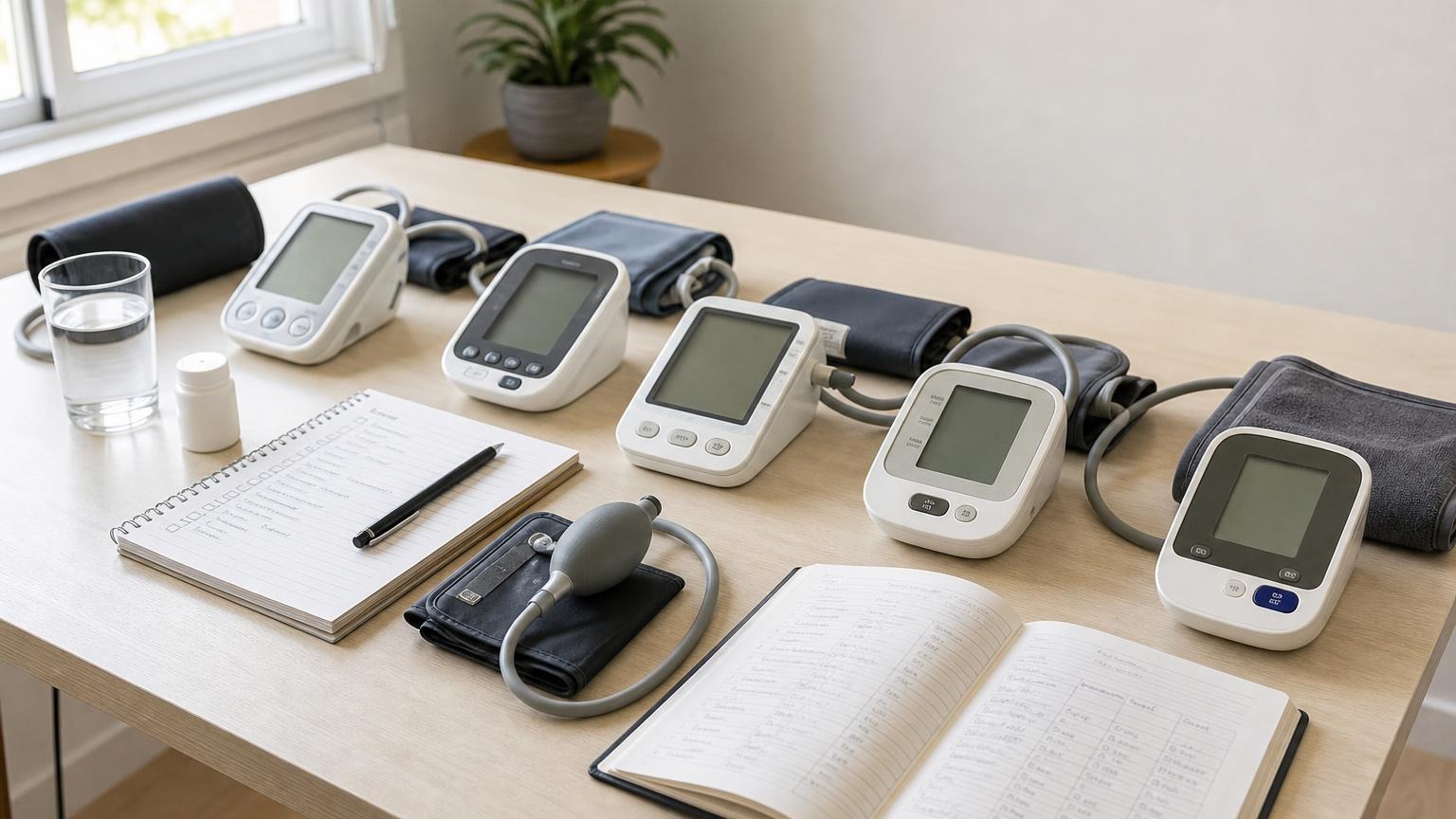
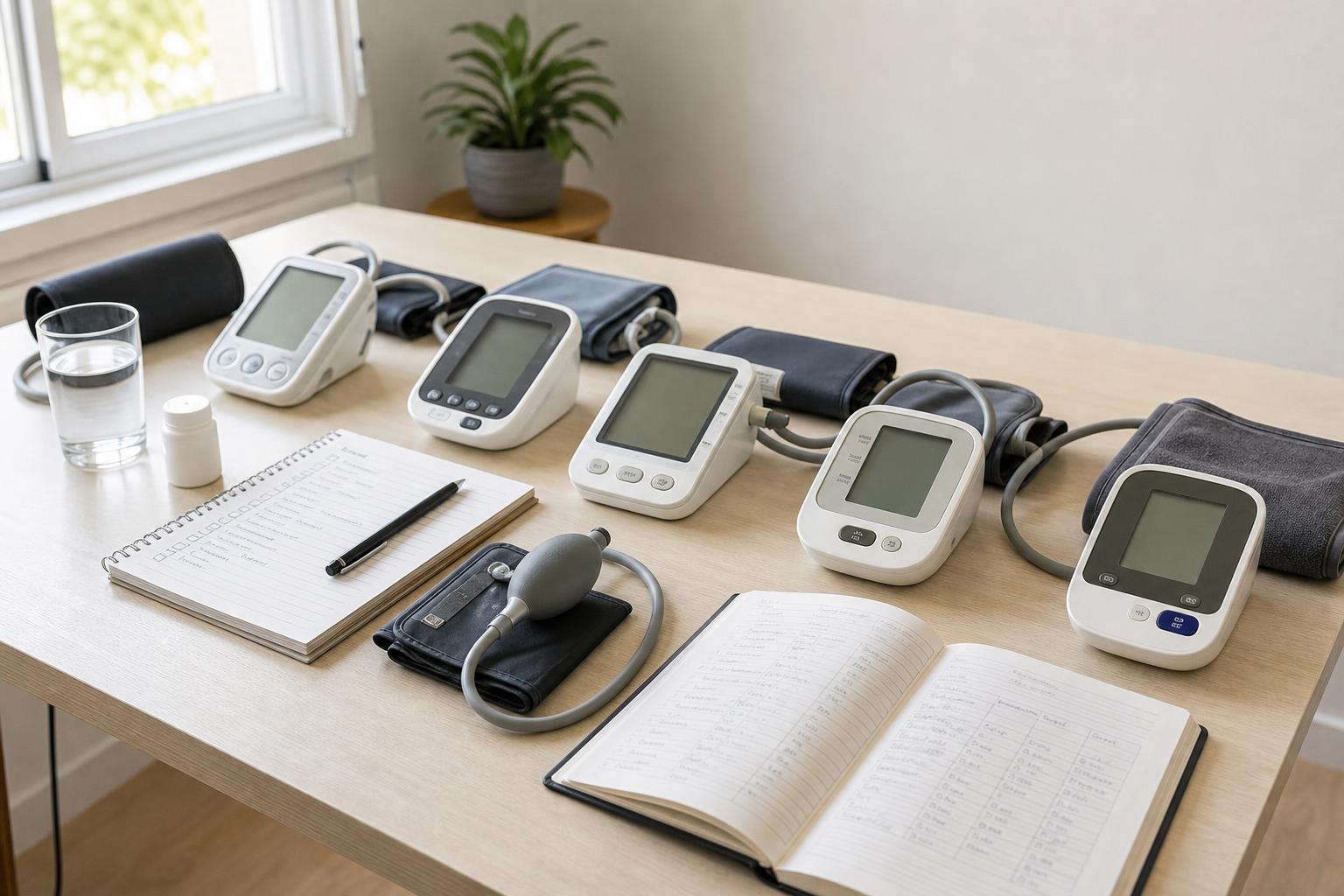
The practical catch is that most automatic home monitors are not user-calibrated devices. You usually cannot push a button and re-zero them at home. If accuracy is in question, the fix is usually one of these:
- compare it with a clinician’s office device using a sensible protocol
- contact the manufacturer about inspection or service
- replace the monitor if it is old, damaged, or behaving inconsistently
That is why it helps to think in terms of verification as much as calibration.
What blood pressure monitor calibration actually means
In plain English, calibration means checking whether the monitor’s pressure system and readings still match an accepted reference closely enough to be trusted.
That is different from everyday variation. Even a good monitor will not give the exact same number every time. Blood pressure changes minute to minute, and normal measurement noise exists. Calibration concerns are more about patterns like these:
- the monitor is consistently much higher or lower than repeated office readings taken properly
- the cuff inflates strangely or deflates too fast
- the device gives error messages more often than it used to
- the readings suddenly change after the monitor was dropped, stored poorly, or used with the wrong cuff
A small difference does not automatically mean the monitor is bad. A difference of a few mmHg can come from timing, posture, talking, arm position, or whether the first reading was higher than the next two.
That is one reason our guide to how to take an accurate blood pressure reading at home matters before you blame the machine.
The bigger problem is often technique, not calibration
People tend to assume an odd reading means the electronics failed. More often, the reading was distorted by setup.
Common causes include:
- using the wrong cuff size
- placing the cuff over clothing
- measuring with the arm below heart level
- talking during the reading
- taking a reading right after coffee, exercise, smoking, or stress
- checking before sitting quietly for five minutes
Those errors can move a reading enough to mimic a calibration problem. If the cuff is too small, for example, the number can read artificially high even when the monitor itself is functioning normally. If you have not checked your fit lately, our blood pressure cuff size chart is a better first stop than assuming the device needs repair.
How often should you check a home blood pressure monitor?
There is no universal consumer rule that every monitor must be professionally recalibrated on a fixed annual schedule. Manufacturer guidance varies, and not every brand offers the same service options.
A reasonable home-use approach is to check the monitor sooner if any of these are true:
- it is more than a few years old and has been used regularly
- it was dropped or exposed to heat, moisture, or rough storage
- the cuff, tubing, or connector looks cracked or loose
- the readings changed abruptly without an obvious explanation
- your home numbers no longer make sense next to office readings or repeated readings on another trusted monitor
If none of that is true and the device is giving stable readings that fit the larger picture, urgent recalibration is usually not the first concern.
How to verify a monitor at home without pretending to calibrate it
You usually cannot truly calibrate an automatic home monitor yourself, but you can do a useful accuracy check.
Step 1: inspect the hardware
Look for worn Velcro, damaged tubing, a cuff that no longer wraps snugly, or a connector that feels loose. Hardware problems can look like calibration problems.
Step 2: review your setup
Before comparing devices, make sure you are following good measurement technique:
- empty your bladder
- sit quietly for five minutes
- keep your back supported and feet flat
- support your arm at heart level
- take multiple readings rather than trusting the first one
If you skip this step, the comparison does not tell you much.
Step 3: compare against a clinical reading thoughtfully
Bring your monitor to a clinic visit if your clinician allows it. The goal is not to compare one random office reading with one random home reading. It is to compare devices under similar conditions.
A sensible approach is:
- rest quietly first
- take a reading on the office device
- wait briefly, then take a reading on your home device on the same arm if practical
- repeat if the clinician is willing
You are looking for broad agreement, not perfect duplication. Blood pressure is dynamic, so a tiny mismatch is not meaningful.
Step 4: compare repeated patterns, not a single number
If your monitor reads slightly higher once, that does not prove calibration drift. If it is repeatedly far off across multiple careful comparisons, that is more concerning.
Step 5: decide whether service is worth it
For some consumer monitors, manufacturer inspection may be available. For others, replacement is the more realistic choice, especially if the device is old or the service cost approaches the price of a new validated monitor.
When a monitor probably needs replacement instead of reassurance
A monitor is more likely to be the problem when:
- the cuff or tubing is visibly damaged
- the device was dropped and behaved differently afterward
- readings are erratic even with careful technique
- it no longer holds pressure normally
- the model was never independently validated in the first place
That last point matters. A monitor that was shaky from day one does not become trustworthy just because it is new. Calibration cannot fix a poor design.
If you are shopping again, start with a model that has a strong validation history and a cuff size that actually fits your arm.
FAQ
Can I calibrate my blood pressure monitor at home?
Usually not in the formal sense. Most automatic home monitors do not offer a consumer calibration mode. What you can do at home is verify technique, inspect the cuff and tubing, and compare the device against a clinical reading or another trusted monitor.
How do I know if my blood pressure monitor is inaccurate?
The clearest warning sign is a repeated mismatch that persists across careful comparisons, not one odd reading. Sudden unexplained changes, frequent error messages, or hardware wear also raise suspicion.
Should I bring my blood pressure monitor to the doctor’s office?
Yes, that is often the most practical way to check whether the device is still behaving reasonably. It also helps confirm that your cuff size and measurement habits are not introducing avoidable error.
Is an old blood pressure monitor still safe to use?
Sometimes, yes. Age alone does not prove inaccuracy. But older monitors deserve more skepticism if they have heavy use, worn cuffs, damaged tubing, or readings that no longer match the larger clinical picture.
Bottom line
Home blood pressure monitors do need to stay calibrated, but most people do not need a DIY calibration ritual. What they need is a validated device, a properly fitting cuff, and a reality check when the numbers stop making sense.
If your readings suddenly seem off, assume technique first, hardware second, and calibration third. That order will solve most problems faster.
If you think it may be time to replace an unreliable device, this roundup is the most useful next step:
This article is educational and not medical advice. Consult a qualified clinician before making treatment decisions.
Top 5 picks
Best Blood Pressure Monitors For Seniors 2026
Five upper-arm monitors ranked with published scorecards—setup friction, comfort, readability, power convenience, and repeatable accuracy—so you can compare models before you buy.
See our Top 5 blood pressure monitor picksHome-monitoring advice is only useful if it is easy to verify and act on correctly.
We write explainers to be understandable to readers, search engines, and AI answer systems.
Compare our Top 5 blood pressure monitor picks for 2026, then track readings over time with consistent technique.