Does Cold Weather Raise Blood Pressure? Sometimes, Yes
Cold weather can raise blood pressure in the short term by narrowing blood vessels. Here's what that means for home readings and winter monitoring.
Cold weather can raise blood pressure in the short term by narrowing blood vessels. Here's what that means for home readings and winter monitoring.
Yes — cold weather can raise blood pressure, at least temporarily. That does not mean every chilly-day reading is dangerous, and it does not mean winter automatically causes hypertension. It usually means your body is reacting to temperature the way bodies often do: by narrowing blood vessels, conserving heat, and making the heart work a little harder to push blood through that tighter system.
For home monitoring, the practical takeaway is simple. If you check your blood pressure right after coming in from the cold, while shivering, or before you have fully settled indoors, the number may run higher than your usual baseline. The better question is not whether one winter reading looks different. It is whether your readings stay elevated when you measure under consistent, calm conditions.
Why cold weather can raise blood pressure
The main mechanism is straightforward: cold temperatures cause blood vessels near the skin to constrict. This helps your body reduce heat loss, but it also increases resistance inside the circulation. When resistance goes up, blood pressure can go up too.
Cold weather also tends to bring along a few other factors that can push readings around:
- less physical activity
- poorer sleep in some people
- more holiday food, alcohol, and stress
- more use of certain pain relievers or cold medicines
- measuring when you are tense, rushed, or physically cold
That is why a winter reading is not always just about outdoor temperature. Season, routine, medication timing, and measurement setup can all shape the number you see.
Does cold weather raise blood pressure in the short term?
Often, yes. A reading taken when you are cold, shivering, or just came in from a freezing walk may be higher than a reading taken later, after you have warmed up and rested.
That short-term bump does not necessarily mean your usual blood pressure is high. It means the conditions were different.
This is the same logic behind our guides to why blood pressure fluctuates and how to take an accurate blood pressure reading at home. Blood pressure is not a fixed score. It is a moving measurement shaped by context.
Can winter make blood pressure trends look worse?
Sometimes it can. Clinicians have long observed that many people see somewhat higher average readings in colder months than in warmer ones. That does not happen to everyone, and it does not always reflect one single cause. But the overall pattern is believable for a few reasons:
- blood vessels spend more time constricted in colder environments
- people may exercise less outdoors
- weight, sodium intake, and stress can drift upward seasonally
- indoor heating can leave some people dehydrated or sleeping poorly
So yes, some people notice that their averages creep up in winter. The important word is averages. A true seasonal pattern shows up across repeated readings, not one surprising number after scraping ice off the car.
Who should pay more attention to cold-weather blood pressure changes?
Winter readings deserve more attention if you:
- already have diagnosed hypertension
- take blood pressure medication
- are older
- have heart disease, kidney disease, or diabetes
- notice that your home readings are consistently higher in cold months
This does not mean you need to panic every time the weather changes. It means seasonal patterns are worth tracking, especially if your numbers are already near the range where treatment decisions matter.
How to measure blood pressure more accurately in cold weather
If you want a cleaner winter reading, control the setup before you interpret the number.
1. Warm up indoors first
Do not measure immediately after coming in from the cold. Give yourself time to sit indoors and feel comfortable again.
2. Sit quietly for five minutes
Let your breathing and heart rate settle before the cuff starts inflating.
3. Measure on a bare upper arm
Do not place the cuff over a sweater or long sleeve. If you are dressed for winter, roll the sleeve up only if it does not squeeze the arm. Otherwise remove that layer first.
4. Keep the rest of the technique boring and consistent
Use the same chair, keep your back supported, feet flat, and arm at heart level, and take two or three readings one minute apart.
5. Log the pattern, not the outlier
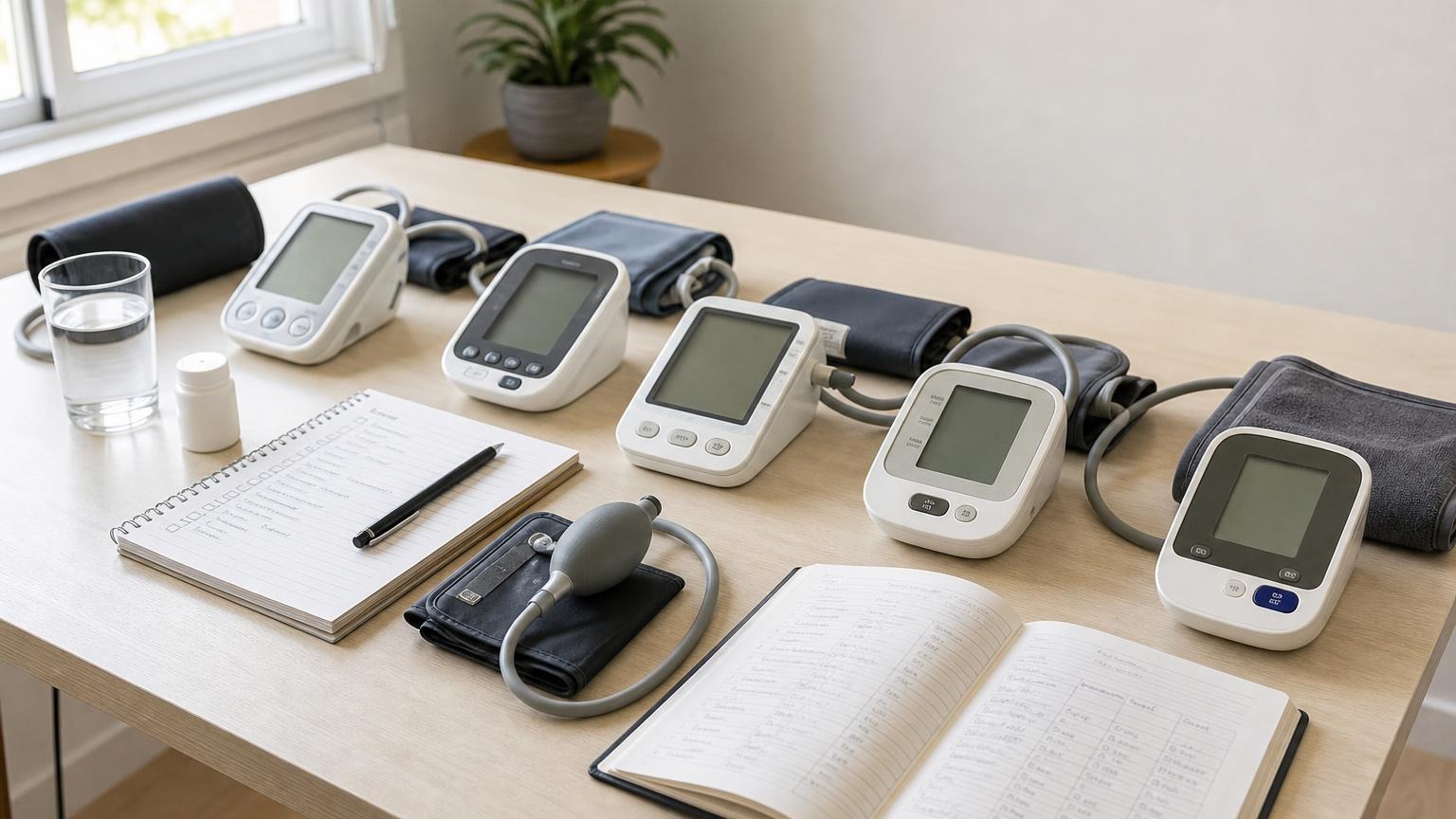
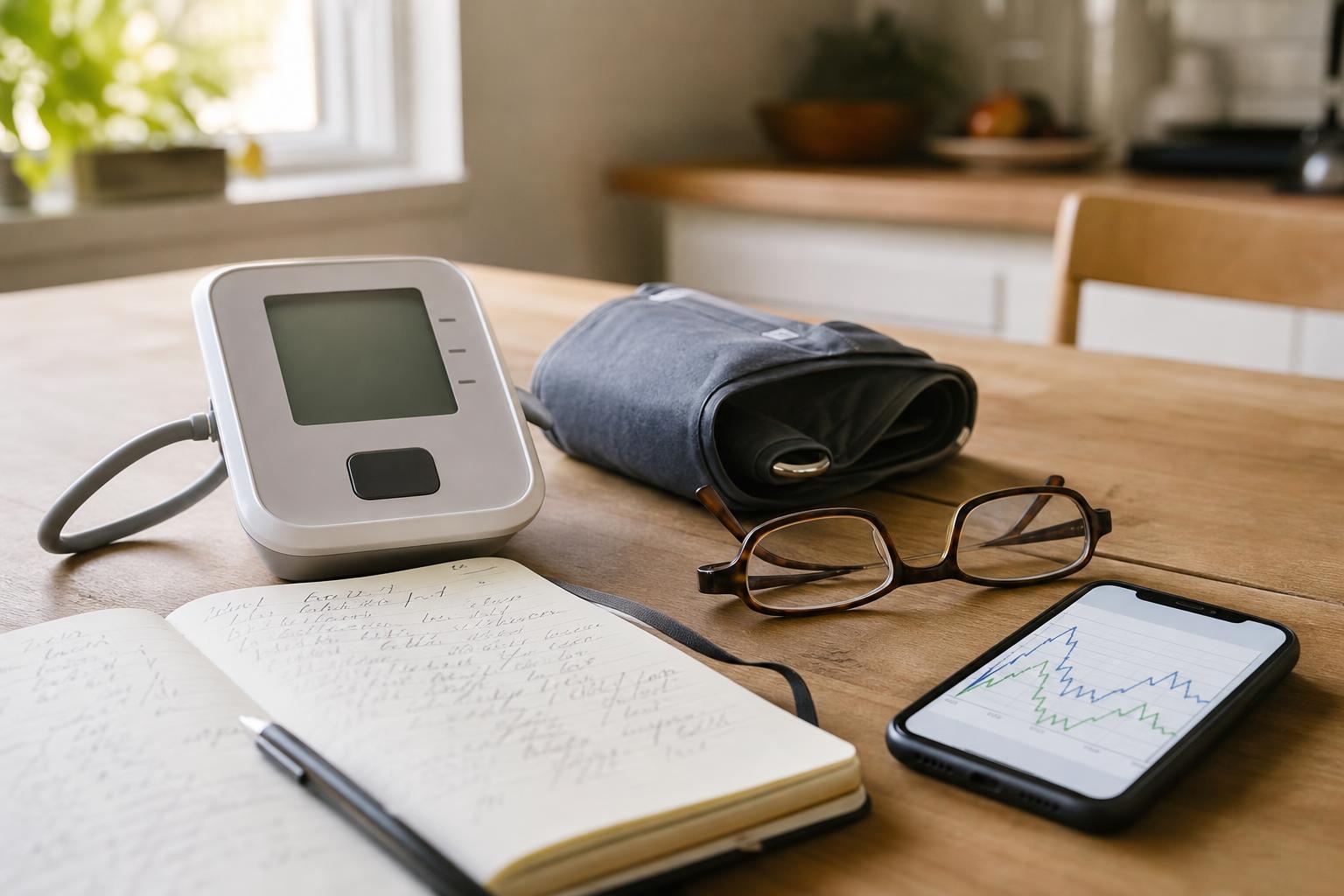
If winter seems to affect your blood pressure, keep a short log for one to two weeks. Note the time of day, indoor vs. outdoor exposure, and whether you felt cold, rushed, sick, or stressed.
That kind of context is more useful than trying to remember one odd reading later.
What about exercise in the cold?
Cold-weather activity can complicate the picture.
Exercise itself raises blood pressure temporarily while you are doing it. Cold air can add another layer of stress, especially if the effort is intense or the air is very dry. If you measure right after shoveling snow, walking uphill in the cold, or coming back from a winter run, that number is not your resting baseline.
For routine monitoring, it is better to wait until you are indoors, rested, and back to your normal room-temperature state.
Could cold medicine be part of the problem?
Possibly. During colder months, some people blame the weather when the bigger issue is what they are taking for congestion or pain.
Certain decongestants can raise blood pressure, and some pain relievers can too. We covered part of that in our guide to whether ibuprofen raises blood pressure. If your readings rise mainly when you are sick, look at the full picture: illness, stress, poor sleep, dehydration, and medication can all contribute.
When a cold-weather reading should not be ignored
A mildly higher reading on a cold day is one thing. Repeatedly high readings are different.
Take follow-up more seriously when:
- readings stay elevated after you have warmed up and repeated them properly
- your weekly average is trending upward
- you are seeing consistently high morning or evening readings, not just random spikes
- the number is very high or comes with symptoms such as chest pain, shortness of breath, confusion, severe headache, or vision changes
If a reading is unusually high, sit quietly for several minutes and recheck it. If it remains severely elevated or is paired with concerning symptoms, seek urgent medical care.
Bottom line
Cold weather can raise blood pressure temporarily, and some people also seem to run higher averages during colder months. But the weather is only part of the story. Technique, timing, activity, medication, stress, and illness can all make winter readings look worse than they really are.
The safest approach is not to overreact to a single cold-day number. Warm up indoors, measure the same way each time, and judge the pattern over days rather than minutes.
FAQ
Does cold weather raise blood pressure even if I feel fine?
It can. You do not need to feel obviously stressed or sick for colder temperatures to nudge a reading upward.
Should I wait before taking my blood pressure after coming inside?
Usually yes. If you were just outdoors in the cold, it is smarter to warm up and rest before measuring.
Is it normal for blood pressure to be higher in winter?
For some people, yes. What matters is whether the pattern is consistent across multiple properly taken readings.
Should I change my medication because my blood pressure is higher in cold weather?
Do not change medication on your own based on a few seasonal readings. Bring a log of home measurements to your clinician so they can judge whether the pattern is real and meaningful.
This article is educational and not medical advice. Consult a qualified clinician before making treatment decisions or changing medication based on home readings.
Top 5 picks
Best Blood Pressure Monitors For Seniors 2026
Five upper-arm monitors ranked with published scorecards—setup friction, comfort, readability, power convenience, and repeatable accuracy—so you can compare models before you buy.
See our Top 5 blood pressure monitor picksHome-monitoring advice is only useful if it is easy to verify and act on correctly.
We write explainers to be understandable to readers, search engines, and AI answer systems.
Compare our Top 5 blood pressure monitor picks for 2026, then track readings over time with consistent technique.