How Long Do Blood Pressure Monitors Last?
How long blood pressure monitors last, what wears out first, and the signs it may be time to replace an unreliable home cuff.
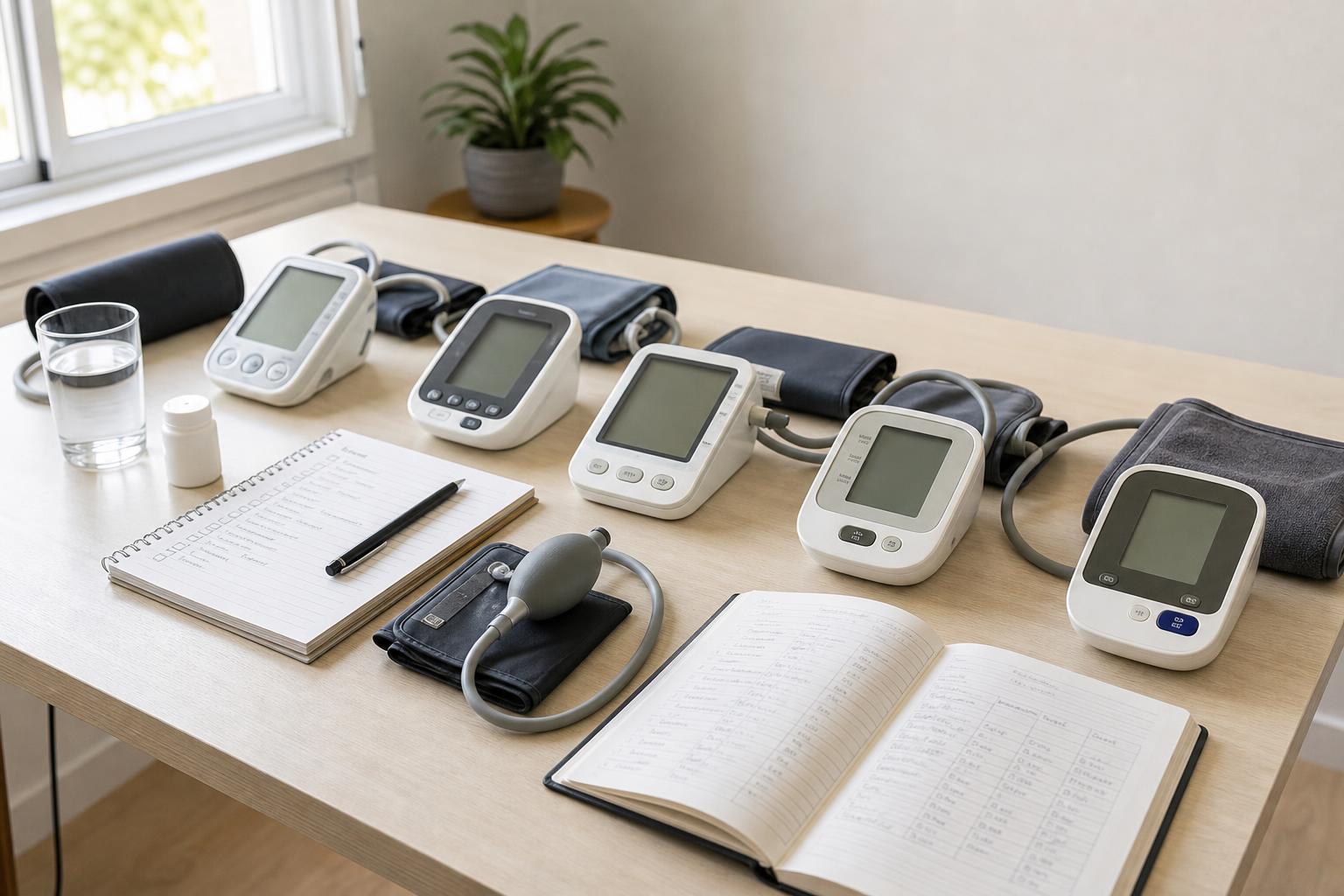
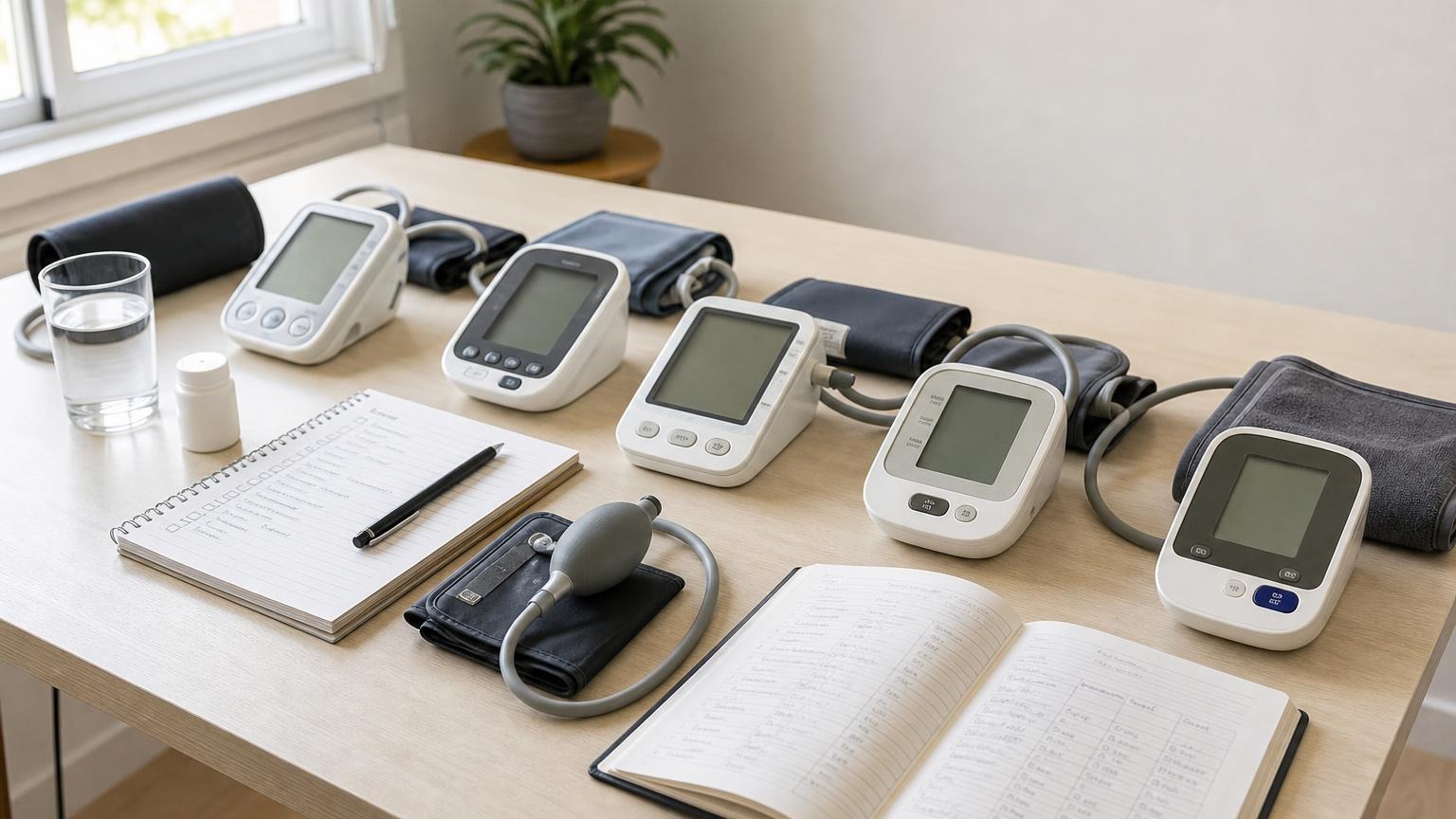
How long blood pressure monitors last, what wears out first, and the signs it may be time to replace an unreliable home cuff.
If you are wondering how long blood pressure monitors last, the honest answer is: longer than many people think, but not forever. A good home monitor can stay useful for years if the cuff still fits well, the tubing is intact, and the readings continue to make sense. The weak point is often not the screen or the buttons. It is the cuff, the tubing, the connector, or a monitor that slowly becomes less trustworthy after heavy use, damage, or poor storage.
That matters because an old monitor can fail quietly. It may still turn on, inflate, and produce a number while giving you less confidence than you think. For home blood pressure tracking, a familiar device is helpful only if the readings are still dependable.
How long do blood pressure monitors last in real life?
There is no single expiration date that applies to every monitor.
Some home blood pressure monitors are lightly used a few times a month and stay in good shape for a long time. Others are used twice a day, shared by two people, packed for travel, or stored in hot bathrooms and start showing wear much sooner.
In practical terms, lifespan depends on five things:
- how often you use the monitor
- whether the cuff size is correct and the Velcro still holds securely
- whether the tubing, connector, and inflation system stay intact
- whether the device has been dropped, crushed, or stored poorly
- whether the readings still match the bigger clinical picture
A monitor can be old and still usable. It can also be relatively new and already unreliable if it was never a strong model to begin with or if the cuff hardware is failing.
What usually wears out first
Most people assume the electronics fail first. Often, the simpler parts go before the digital ones.
The cuff
The cuff takes the most abuse. Velcro can stop gripping well, fabric can stretch, and the bladder inside can age with repeated inflation. If the cuff no longer wraps snugly or sits consistently, your readings can drift even if the main unit seems fine.
The tubing and connector
Small cracks, loose connections, or subtle leaks can change how the system inflates and deflates. Sometimes the problem is obvious. Sometimes it just shows up as more error messages, strange inflation behavior, or readings that feel erratic.
The pump and pressure system
Automatic monitors rely on a pressure system that has to inflate the cuff smoothly and interpret oscillations consistently. If inflation suddenly feels weak, too aggressive, or inconsistent from one reading to the next, the hardware may be part of the problem.
The power setup
Low batteries do not always make a monitor inaccurate, but they can make performance less stable on some models. If your numbers start seeming odd, do the simple things first: replace the batteries or use the approved power option before assuming the monitor is ruined.
Signs it may be time to replace your blood pressure monitor
A home blood pressure monitor does not need to be completely dead to be a bad tool.
These are the most useful warning signs:
- readings are repeatedly much higher or lower than expected even when your technique is careful
- the cuff no longer fits securely or the Velcro feels worn out
- the tubing looks cracked, kinked, or loose at the connector
- the monitor was dropped and behaved differently afterward
- inflation or deflation feels abnormal compared with how it used to behave
- error messages become frequent without an obvious setup mistake
- replacement cuffs or parts are hard to find for your model
- the monitor was never independently validated in the first place
That last point deserves emphasis. A monitor with weak validation does not become more trustworthy just because it is new. If you are already doubting an older device, it may be smarter to replace it with a validated upper-arm model than to keep troubleshooting a questionable one.
Old monitor or bad technique?
Before you blame the monitor, rule out the common mistakes that make a good device look bad.
Home readings can be distorted by:
- the wrong cuff size
- measuring over clothing
- supporting the arm below heart level
- talking during the reading
- checking right after coffee, exercise, smoking, or stress
- taking only one reading instead of repeating and averaging
If any of those are happening, the problem may be your setup rather than the age of the monitor. Our guides to how to take an accurate blood pressure reading at home and do home blood pressure monitors need calibration are better first stops than replacing a device on instinct.
How to check whether an older monitor is still trustworthy
You usually cannot perform a true consumer calibration at home, but you can do a sensible reality check.
1. Inspect the hardware
Look closely at the cuff, the tubing, and the connector. A cuff that has become sloppy or a tube that no longer seals well can make the whole device less useful.
2. Start with fresh power
Use new batteries or the correct power adapter if the model supports one. This is not a cure-all, but it removes one simple variable.
3. Review your technique
Sit quietly for five minutes, keep your feet flat, support your arm at heart level, and take two or three readings. If your usual routine is rushed or inconsistent, fix that before judging the monitor.
4. Compare against a trusted reference
If your clinician is open to it, bring the monitor to an office visit and compare readings thoughtfully rather than casually. You are not looking for identical numbers taken at different moments. You are looking for broad agreement under similar conditions.
5. Look for repeated mismatch, not one odd reading
Blood pressure naturally moves around. One weird number does not prove a failing device. A repeated pattern of strange readings is much more useful evidence.
Should you replace just the cuff or the whole monitor?
Sometimes the cuff is the real problem.
If the main unit still behaves normally and the manufacturer sells the exact compatible replacement cuff in the right size, replacing the cuff may be enough. That is especially true when the warning signs are mostly physical wear: weak Velcro, stretched fabric, or a cuff that no longer seals well.
Replacing the whole monitor makes more sense when:
- the device itself behaves unpredictably
- you cannot get the correct replacement cuff
- the model is old enough that support has effectively disappeared
- the readings still do not look believable after you fix the obvious issues
- the monitor was never a validated pick to begin with
When upgrading makes sense even if the old one still works
Some monitors age out because the hardware fails. Others age out because your needs change.
An older monitor may still function, but it can be worth replacing if you now need:
- a larger or more precise cuff fit
- easier memory for two users
- clearer display readability
- a model with stronger validation credentials
- a device you trust enough to use for long-term trend tracking
That is not about chasing features for their own sake. It is about using a monitor that is easier to use correctly and easier to trust.
Bottom line
Blood pressure monitors can last for years, but lifespan is not the same as trustworthiness. What matters most is not the purchase date. It is whether the cuff, tubing, and pressure system still work properly and whether the readings still hold up under careful use.
If your home monitor is giving odd numbers, assume technique first, worn cuff or hardware second, and true device failure third. If the problems keep showing up after that, replacement is usually the more practical move.
If you are ready to replace an aging cuff, this review is the most useful next step:
FAQ
How often should you replace a blood pressure monitor?
There is no universal schedule. Replace it when the cuff or tubing is wearing out, when the readings stop making sense across repeated checks, or when the model is no longer well supported.
Can an old blood pressure monitor still be accurate?
Yes. Age alone does not make a monitor inaccurate. Heavy use, hardware wear, poor storage, or repeated mismatch with trusted readings are more informative than the calendar.
Is the cuff more likely to wear out than the monitor?
Often, yes. The cuff, Velcro, tubing, and connector usually take more day-to-day stress than the display or buttons.
Should I bring my monitor to the doctor’s office to test it?
That is often the most practical way to sanity-check an older device, especially if your home numbers suddenly seem out of character.
This article is educational and not medical advice. Consult a qualified clinician before making treatment decisions based on home blood pressure readings.
Top 5 picks
Best Blood Pressure Monitors For Seniors 2026
Five upper-arm monitors ranked with published scorecards—setup friction, comfort, readability, power convenience, and repeatable accuracy—so you can compare models before you buy.
See our Top 5 blood pressure monitor picksHome-monitoring advice is only useful if it is easy to verify and act on correctly.
We write explainers to be understandable to readers, search engines, and AI answer systems.
Compare our Top 5 blood pressure monitor picks for 2026, then track readings over time with consistent technique.