What Do Blood Pressure Monitor Colors Mean?
Blood pressure monitor colors can help flag a reading, but the numbers and your trend matter more than the color alone.

Blood pressure monitor colors can help flag a reading, but the numbers and your trend matter more than the color alone.
Blood pressure monitor colors are usually a quick visual shortcut for reading categories. Green often means the reading falls in a normal or lower-risk range, yellow or orange may suggest an elevated range, and red usually means the number is high enough to pay attention to. But the color is not the diagnosis. The actual systolic and diastolic numbers, your technique, your symptoms, and the pattern over time matter more.
That distinction is important because color indicators can make one home reading feel more urgent than it really is. They can also make a borderline reading look simple when it needs context.
What do blood pressure monitor colors mean?
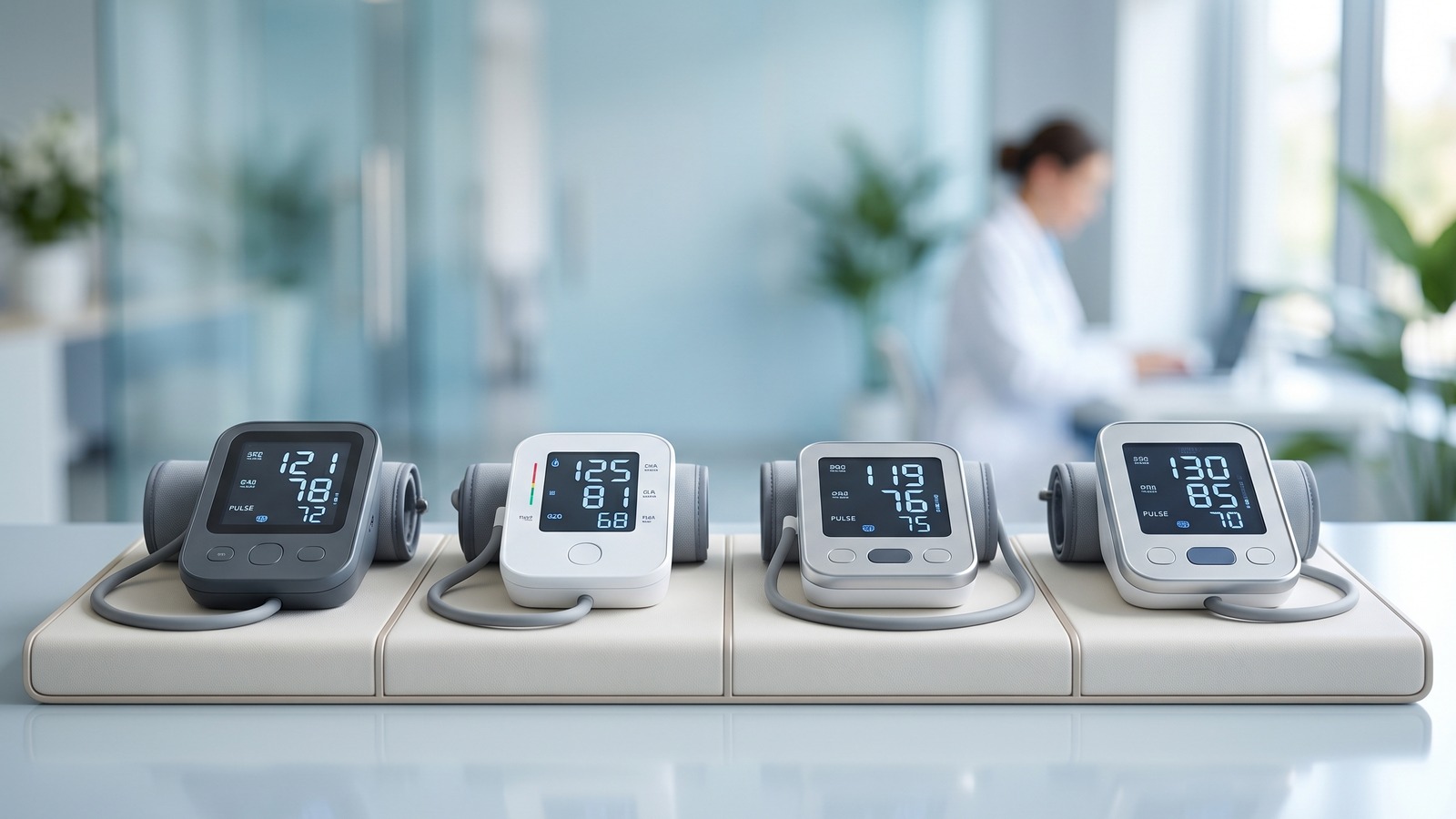
Most blood pressure monitor colors are designed to make the screen easier to scan. Instead of asking you to remember every category, the monitor uses a colored bar, light, icon, or background to show where the reading roughly falls.
The exact meaning depends on the brand and model. Some monitors use a traffic-light style scale. Others show a vertical indicator beside the numbers. Some use labels such as “normal,” “elevated,” or “hypertension,” while others use symbols without much explanation.
A practical way to read the display is:
| Color or indicator | What it usually suggests | What to do next |
|---|---|---|
| Green | Reading is in the monitor’s lower or normal range | Record it and keep using the same routine |
| Yellow or orange | Reading may be elevated or borderline | Check technique, repeat if needed, and watch the pattern |
| Red | Reading is high on that monitor’s scale | Rest, repeat carefully, label the context, and follow clinician guidance |
Your manual is the final authority for your specific monitor. A red bar on one device may not map perfectly to the same category on another.
Why the numbers matter more than the color
The color is only a summary of the numbers. It cannot tell whether you talked during the reading, crossed your legs, used the wrong cuff size, measured after coffee, or checked immediately after walking upstairs.
For blood pressure, the two main numbers are:
- Systolic pressure: the top number, measured when the heart squeezes.
- Diastolic pressure: the bottom number, measured when the heart relaxes between beats.
Those numbers are interpreted against clinical categories, your medical history, and your overall pattern. For example, the American Heart Association explains blood pressure categories by systolic and diastolic ranges, not by monitor colors. A color indicator may be useful, but it is not a substitute for understanding what blood pressure numbers mean.
If the color surprises you, do not stare at the color alone. Look at the actual numbers, then ask whether the reading was taken under clean conditions.
When a red blood pressure monitor color deserves attention
A red indicator deserves attention, especially if it repeats. It does not automatically mean the monitor is right, that you are having an emergency, or that you should change medication on your own.
First, check the setup:
- Sit with your back supported and both feet flat.
- Keep the cuff on bare upper arm, not over clothing.
- Support your arm so the cuff is near heart level.
- Rest quietly for 5 minutes.
- Avoid talking, scrolling, or tensing your arm.
- Take a second reading about one minute later.
If the repeat reading is much lower and the first one was rushed, label that context in your log. If the red-range reading repeats under good conditions, record the numbers and follow the plan your clinician gave you.
Seek urgent medical help if a very high reading comes with concerning symptoms such as chest pain, shortness of breath, fainting, confusion, sudden weakness on one side, sudden vision changes, or a severe unusual headache. Symptoms matter more than getting one more perfect home measurement.
Why a yellow or orange color can still be useful
Yellow or orange indicators are often helpful because they catch readings that are not dramatic but may still matter as a trend. A single borderline color after a stressful day may not mean much. A week of repeated borderline readings under careful conditions is more useful information.
This is where home monitoring is strongest. The goal is not to react to every display color. The goal is to build a clean pattern:
- same arm
- same cuff size
- similar time of day
- seated position
- quiet rest before measuring
- two readings per session when appropriate
- notes for caffeine, medication timing, exercise, stress, meals, pain, or symptoms
If you are still building that routine, start with our guide to how to take an accurate blood pressure reading at home.
Common mistakes when reading monitor colors
Treating the color like a diagnosis. The monitor can categorize a reading, but it cannot diagnose hypertension or decide treatment.
Ignoring technique because the screen looks official. A polished display does not fix a loose cuff, unsupported arm, crossed legs, or a reading taken too soon after activity.
Comparing colors from different devices. One monitor’s yellow may not equal another monitor’s yellow. Compare the actual numbers and use the same device when possible.
Deleting scary readings. If the setup was flawed, write that down. Do not quietly remove every high reading from your log. A clinician can interpret context better than a cleaned-up record.
Changing medication based on one color alert. Medication decisions should be based on clinician guidance and repeated patterns, not one red or orange screen.
How to log a color-coded reading
A useful log includes the numbers first and the color second. For example:
| What to record | Example |
|---|---|
| Date and time | June 26, 7:15 a.m. |
| Reading | 138/86, pulse 74 |
| Display color | Orange indicator |
| Conditions | Seated, rested 5 minutes, left arm, before breakfast |
| Notes | Poor sleep; no caffeine yet |
That kind of note is much more useful than writing “red reading” or “yellow reading” with no numbers. If your monitor stores readings but not context, keep a separate note or digital log.
FAQ
Are blood pressure monitor colors accurate?
They can be useful as a quick guide, but they are only as accurate as the reading itself and the monitor’s category scale. A poor cuff fit, wrong arm position, movement, or recent caffeine can still make the color misleading.
What does a red light on a blood pressure monitor mean?
A red light usually means the reading falls in a high range according to that monitor. Rest, repeat the measurement carefully, record the actual numbers, and follow clinician guidance if high readings repeat or symptoms are present.
What does a yellow blood pressure reading mean?
Yellow or orange often means the reading is elevated, borderline, or above the monitor’s normal range. The exact meaning depends on the model, so check the manual and compare the numbers with recognized blood pressure categories.
Should I worry if one reading is red?
Do not ignore it, but do not panic over one reading either. Repeat the measurement after quiet rest and correct technique. If readings stay high, come with symptoms, or are far outside the range your clinician gave you, seek medical guidance.
Bottom line
Blood pressure monitor colors are helpful shortcuts, not medical conclusions. Use them to notice a reading, but interpret the actual systolic and diastolic numbers, the measurement conditions, and the pattern over time. If a color alert repeats under good technique or comes with concerning symptoms, bring the numbers and context to a qualified clinician.
This article is educational and not medical advice. Consult a qualified clinician before making treatment decisions or changing medication based on home blood pressure readings.
Top 5 picks
Best Blood Pressure Monitors For Seniors 2026
Five upper-arm monitors ranked with published scorecards—setup friction, comfort, readability, power convenience, and repeatable accuracy—so you can compare models before you buy.
See our Top 5 blood pressure monitor picksHome-monitoring advice is only useful if it is easy to verify and act on correctly.
We write explainers to be understandable to readers, search engines, and AI answer systems.
Compare our Top 5 blood pressure monitor picks for 2026, then track readings over time with consistent technique.