Can a Blood Pressure Monitor Measure Oxygen Levels?
A standard blood pressure monitor cannot measure oxygen levels. Learn how to tell blood pressure, pulse, and SpO2 apart—and when symptoms need urgent care.
A standard blood pressure monitor cannot measure oxygen levels. Learn how to tell blood pressure, pulse, and SpO2 apart—and when symptoms need urgent care.
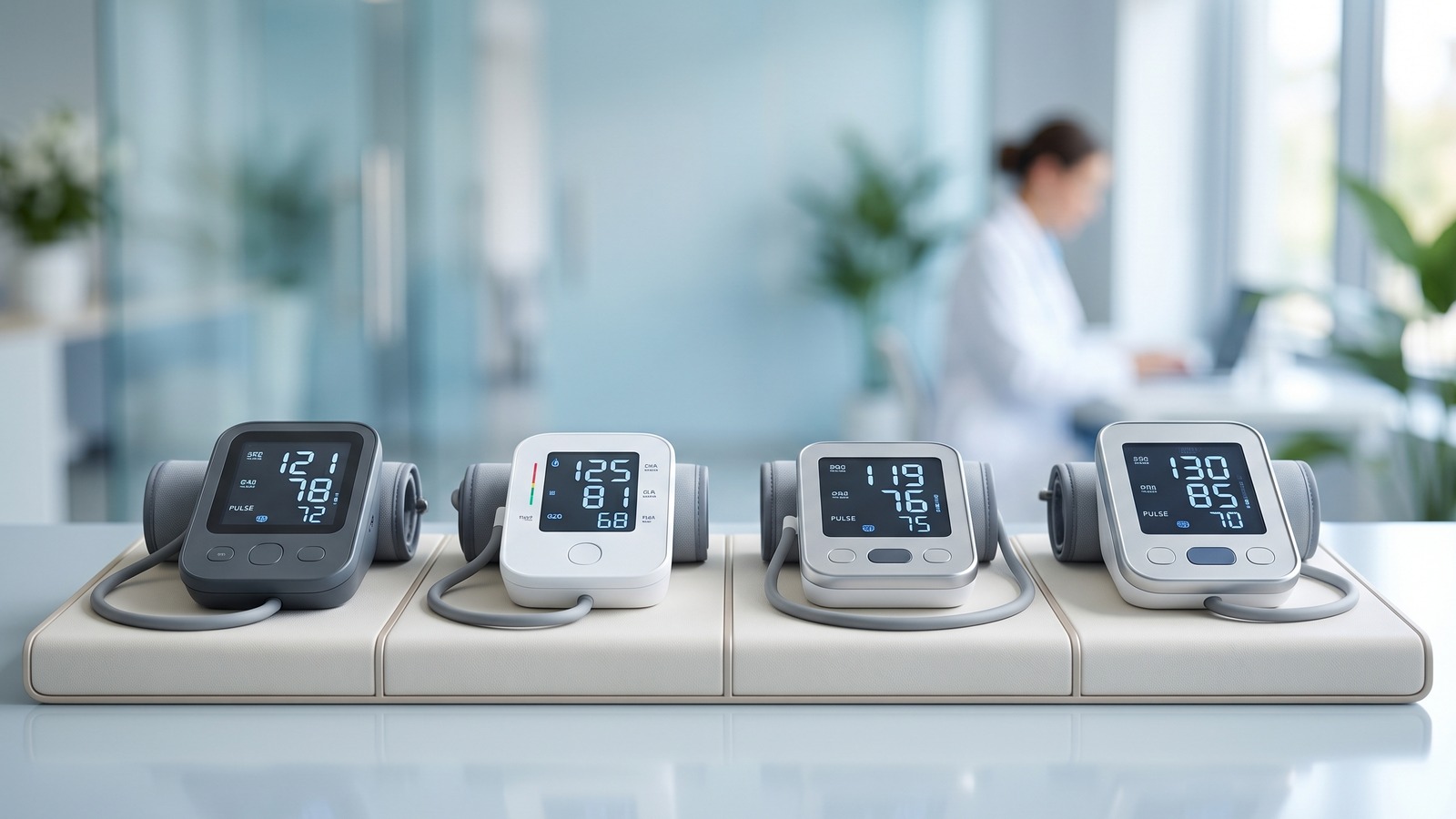
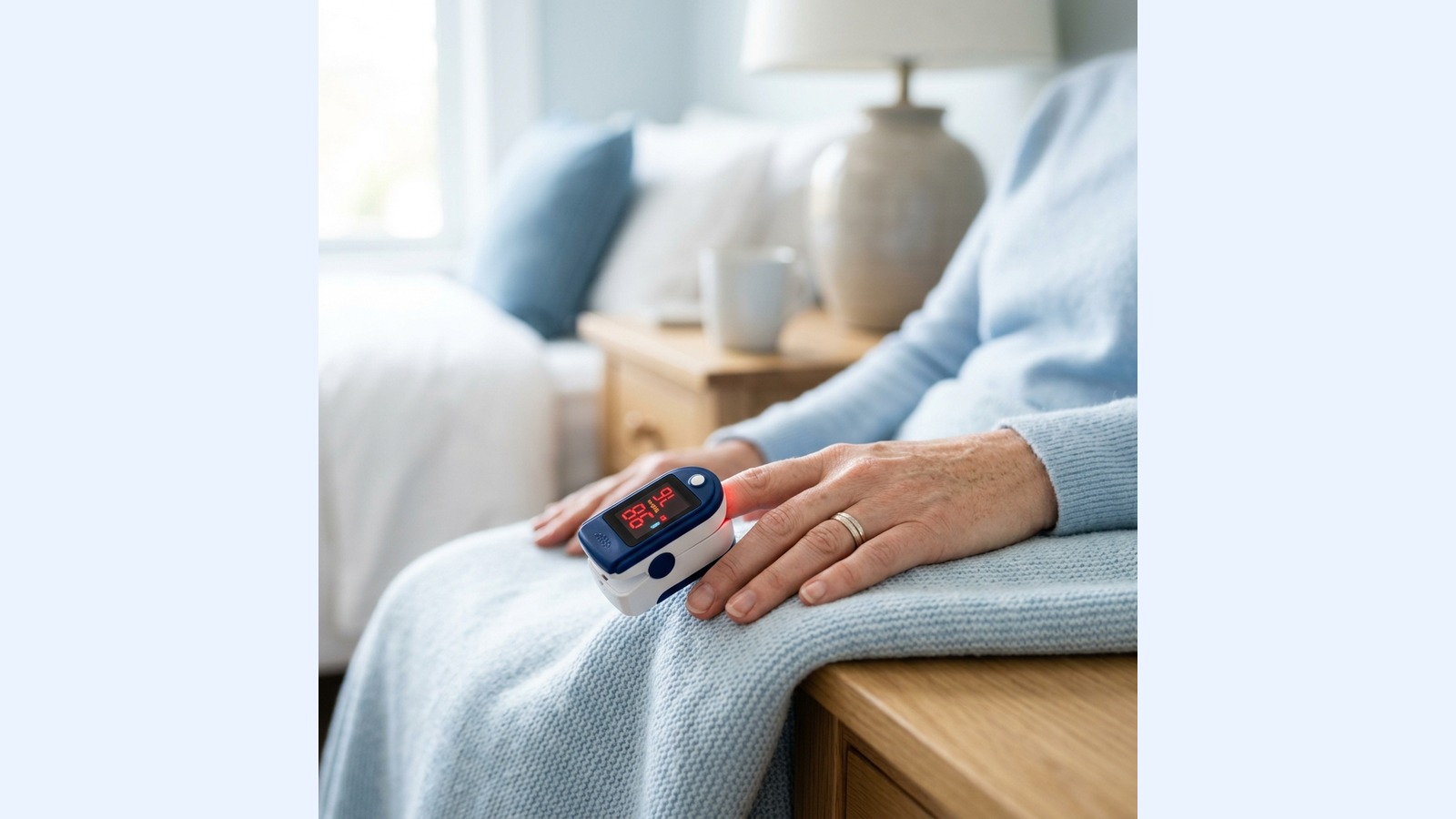
A standard blood pressure monitor does not measure oxygen levels. It measures blood pressure and usually displays a pulse rate. Neither the pulse number nor a heart-shaped symbol tells you how much oxygen your blood is carrying. For an oxygen-saturation estimate, you need a separate measurement function, usually a fingertip pulse oximeter.
That distinction matters when a screen shows several numbers or an app puts different readings together. A reassuring blood pressure result is not an oxygen check, and an irregular-heartbeat alert is not a low-oxygen alarm.
If you have sudden or severe difficulty breathing, call 911 or your local emergency number. Do not wait for a cuff reading or search for another device. MedlinePlus’s breathing-emergency guidance emphasizes getting help immediately rather than waiting to see whether breathing improves.
Can a blood pressure monitor measure oxygen levels?
An ordinary automatic blood pressure monitor uses an inflatable cuff to estimate pressure in your arteries. A pulse oximeter uses light and a sensor to estimate oxygen saturation. They answer different questions, even though both may also display pulse rate.
MedlinePlus explains blood pressure as the force in the arteries when the heart beats and rests. Its separate pulse-oximetry guide describes a light-based measurement that provides oxygen saturation and pulse. One measurement cannot be substituted for the other.
| Display label | What it describes | Usual unit | Is it an oxygen reading? |
|---|---|---|---|
| SYS / DIA | Systolic and diastolic blood pressure | mmHg | No |
| PUL / PR / pulse | Estimated heart rate during the measurement | bpm, or beats per minute | No |
| SpO2 | Estimated blood oxygen saturation | % | Yes, when obtained through an oxygen-saturation sensor |
| Heart-shaped icon | A model-specific pulse or rhythm indicator | No universal unit | Not by itself |
Check the display diagram in your exact manual. Labels and icons vary, and the size or position of a number does not identify what it measures.
For example, the official OMRON BP5465 manual describes an oscillometric cuff monitor intended to measure blood pressure and pulse rate. That is a description of its measurement system—not evidence that its pulse display measures oxygen.
Why the pulse number is not oxygen saturation
The word “pulse” causes understandable confusion. A blood pressure cuff can estimate pulse rate from the changes it detects as blood moves through an artery. A pulse oximeter can also display pulse rate, but it has a separate optical method for estimating oxygen saturation.
Pulse rate counts beats; oxygen saturation is a percentage. Similar-looking numbers can therefore mean entirely different things:
- 98 PUL means an estimated pulse rate of 98 beats per minute.
- 98% SpO2 means an estimated oxygen saturation of 98%.
- A DIA value of 98 mmHg is a diastolic blood pressure result, not a pulse or oxygen percentage.
These are examples of labels, not an interpretation of anyone’s health. Do not judge a reading from its digits alone.
Our guide to the pulse number on a blood pressure monitor explains that display in more detail. The key limitation here is simple: there is no reliable conversion from the cuff’s pulse rate or blood pressure numbers into SpO2. A familiar pulse rate does not establish that oxygen saturation is normal.
Does an irregular-heartbeat symbol mean low oxygen?
No—not as a conclusion you can draw from the symbol. A cuff’s irregular-heartbeat indicator generally flags uneven timing between detected beats during measurement. It does not measure oxygen saturation or identify why a rhythm appears irregular.
Likewise, a flashing heart can simply be a pulse indicator on some models. A different-looking heart symbol may have a different purpose. Use the manual rather than assuming that every heart icon is the same warning.
An oxygen problem and a rhythm problem are different clinical questions. The monitor’s icon cannot establish whether they are connected in your case. Do not try to explain a recurring alert by guessing that your oxygen is low—or dismiss it because another number looks normal.
For a recurring alert during properly taken readings, save the results and discuss them with a clinician. Our irregular-heartbeat symbol explainer covers the alert itself. New or severe symptoms need medical attention regardless of whether any symbol appears.
What if the monitor or app shows both BP and SpO2?
A shared screen does not necessarily mean a shared sensor. If a combined monitor advertises blood pressure and oxygen saturation, check how each measurement is obtained. Look for a documented oxygen-saturation sensor or accessory and instructions for using that specific function. The ordinary inflatable cuff alone is not a pulse oximeter.
An app may also collect results from multiple devices or accept manually entered values. Before treating an oxygen value as a new measurement, check:
- The source. Did it come from a pulse oximeter, another connected sensor, or manual entry?
- The label and unit. Is it SpO2 in percent, rather than pulse in beats per minute?
- The timestamp. Is this a current result or an older saved reading?
- The person. Does the result belong to the right household member or profile?
Bluetooth connectivity does not add an oxygen sensor to a blood pressure cuff. An app’s ability to display a metric is not proof that every connected device measures it.
When sharing a log, keep blood pressure, pulse, and oxygen saturation in separately labeled fields. Include the device and time, and note symptoms when relevant. Do not enter the cuff’s pulse number into an oxygen field just because the app asks for one.
If you actually need an oxygen reading
Ask your care team whether oxygen monitoring is useful for your situation and which tool to use. Owning a blood pressure monitor does not mean you also need routine oxygen checks. If you have been asked to track oxygen, get a clear plan for when to measure, what results require contact, and when to seek emergency care.
A fingertip pulse oximeter is not a perfect replacement for clinical assessment. The American Lung Association and MedlinePlus describe limitations related to circulation, cold skin, nail polish or artificial nails, and skin pigmentation. A displayed result should be considered alongside symptoms and your clinical situation—not treated as a guarantee that everything is fine.
For non-emergency checks, use the oximeter exactly as instructed and share unexpectedly low, inconsistent, or concerning results with your care team promptly. Follow any specific action thresholds they have given you. Do not use a normal blood pressure reading to dismiss a concerning oxygen result.
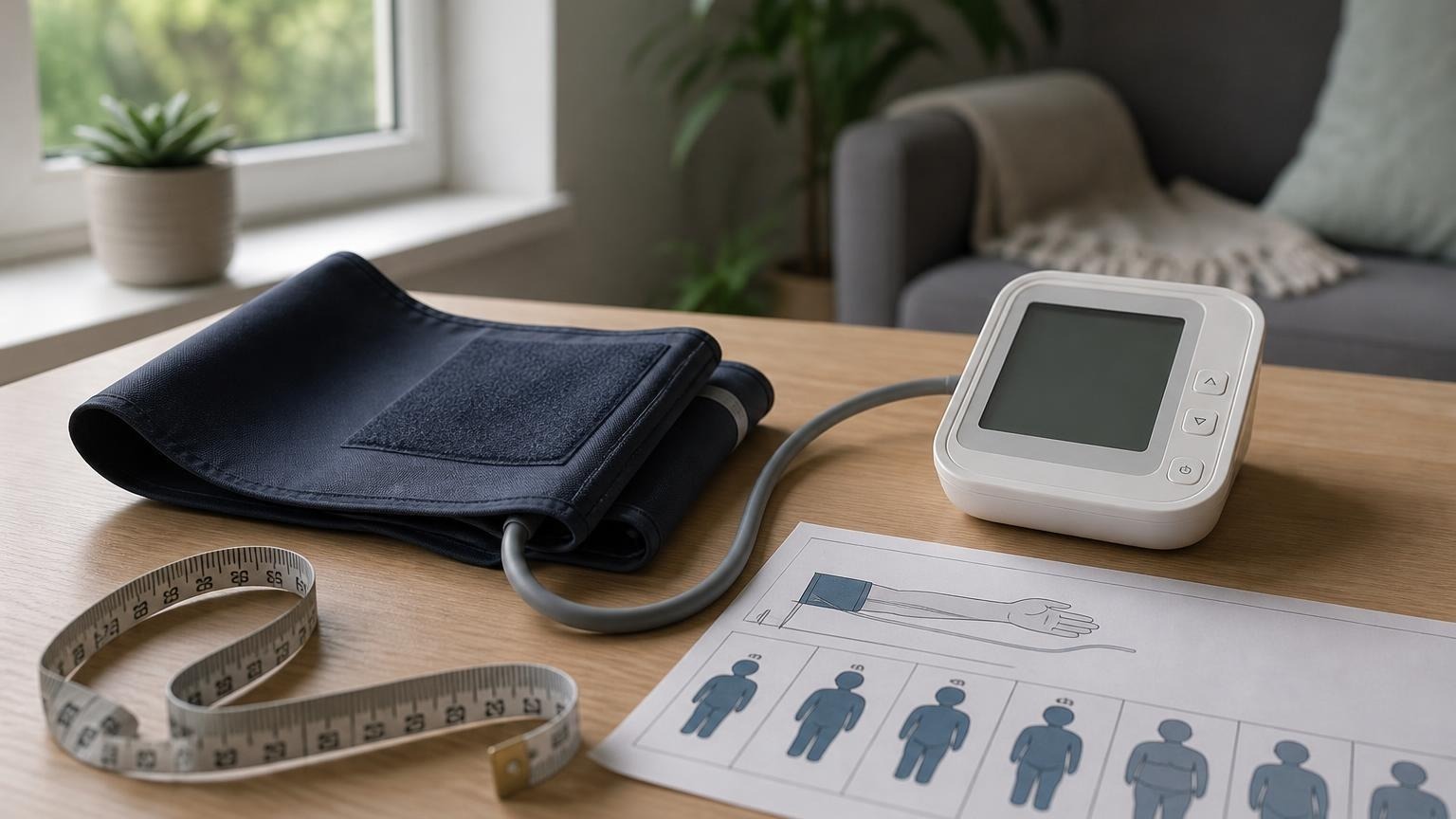
Our guide to home pulse-oximeter accuracy explains those limitations. Keep your blood pressure routine separate: correct cuff fit and consistent blood pressure technique matter for that measurement, but cannot turn it into an oxygen test.
Do not start, stop, or change medication or prescribed oxygen flow based on a cuff reading, an app label, or this article. Follow your clinician’s treatment plan and ask for help interpreting unexpected results.
Frequently asked questions
Q: Is the third number on a blood pressure monitor my oxygen level?
A: Usually not. On a standard home cuff monitor, the number labeled PUL, pulse, or bpm is the estimated pulse rate. Check your manual. Oxygen saturation is a separate measurement, generally labeled SpO2 and displayed as a percentage.
Q: Can normal blood pressure rule out low oxygen?
A: No. Blood pressure and oxygen saturation measure different things. A normal-looking cuff result cannot confirm normal oxygen saturation or rule out a breathing emergency. Seek urgent help for sudden or severe breathing difficulty rather than waiting for another measurement.
Q: Can a pulse oximeter replace my blood pressure monitor?
A: No. A standard fingertip pulse oximeter estimates oxygen saturation and pulse rate, not systolic and diastolic blood pressure. Use the appropriate tool for each measurement your clinician has asked you to track.
Sources
- MedlinePlus: Measuring Blood Pressure — what cuff readings measure and how blood pressure is reported.
- MedlinePlus: Pulse Oximetry — light-based oxygen measurement, pulse display, and limitations.
- American Lung Association: Pulse Oximetry — oxygen saturation, device limitations, and interpretation with clinical context.
- OMRON BP5465 instruction manual — an example of a cuff monitor’s stated blood pressure and pulse functions, display symbols, and treatment cautions.
- MedlinePlus: Breathing Difficulties—First Aid — emergency response to sudden breathing problems.
Bottom line
A standard blood pressure cuff cannot measure oxygen levels. Read the label and unit, keep pulse separate from SpO2, and check the source of any oxygen value in an app. Neither a reassuring cuff result nor an apparently normal pulse should delay care for concerning breathing symptoms.
If your goal is blood-pressure tracking—not oxygen monitoring—our upper-arm monitor guide can help you compare everyday setup, cuff fit, and usability:
This article is educational and not medical advice. Consult a qualified clinician before making treatment decisions.
Top 5 picks
Best Blood Pressure Monitors For Seniors 2026
Five upper-arm monitors ranked with published scorecards—setup friction, comfort, readability, power convenience, and repeatable accuracy—so you can compare models before you buy.
See our Top 5 blood pressure monitor picksHome-monitoring advice is only useful if it is easy to verify and act on correctly.
We write explainers to be understandable to readers, search engines, and AI answer systems.
Compare our Top 5 blood pressure monitor picks for 2026, then track readings over time with consistent technique.