What Does Pulse Mean on a Blood Pressure Monitor?
The pulse number on a blood pressure monitor is your heart rate during the reading. Learn what is normal, what can skew it, and when to pay attention.
The pulse number on a blood pressure monitor is your heart rate during the reading. Learn what is normal, what can skew it, and when to pay attention.
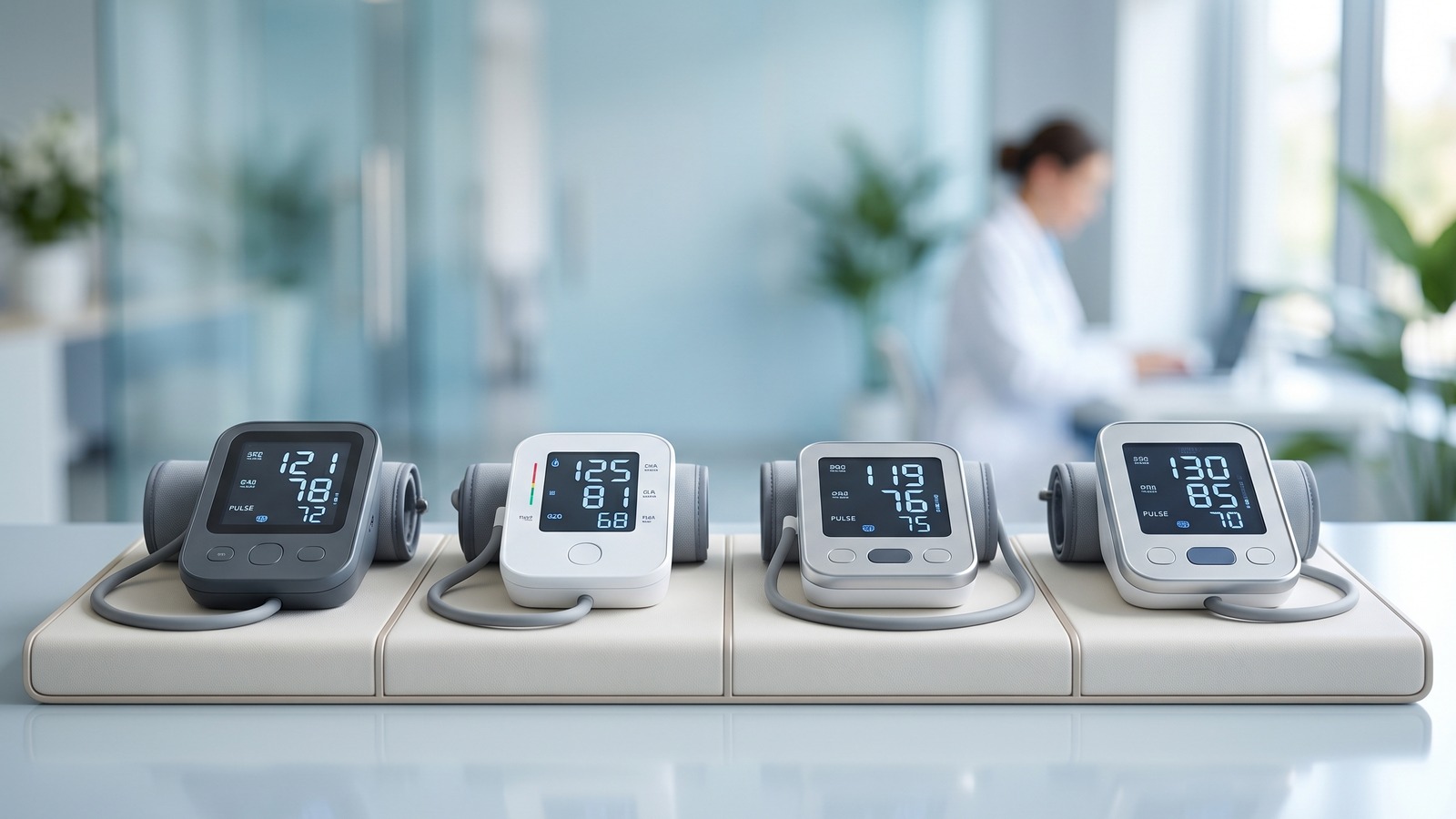
The pulse on a blood pressure monitor is your heart rate at the moment the cuff takes the reading. If the screen shows 124/78 and then a smaller number such as 72, that smaller number usually means your heart was beating about 72 times per minute during the measurement.
That pulse number is useful context, but it is not the main blood pressure result. It does not diagnose an arrhythmia, prove your heart is healthy, or replace a proper pulse check. It is a quick estimate collected while the cuff is already sensing pressure changes in your artery.
What does pulse mean on a blood pressure monitor?
On most home monitors, the display includes three pieces of information:
- SYS or systolic pressure: the top blood pressure number
- DIA or diastolic pressure: the bottom blood pressure number
- PUL, pulse, or a heart icon: your estimated heart rate in beats per minute
So if your monitor reads 128 SYS / 82 DIA / 74 PUL, the blood pressure reading is 128/82 mmHg and the pulse estimate is 74 beats per minute.
The monitor calculates pulse because every heartbeat creates a small pressure wave inside the cuff. As the cuff inflates and deflates, the monitor senses those waves and uses them to estimate both blood pressure and heart rate.
That is why the pulse number appears automatically. You did not ask the monitor to check your heart rate separately; it is part of the same cuff measurement.
Is the pulse number the same as blood pressure?
No. Blood pressure and pulse describe different things.
Blood pressure is the force of blood pushing against artery walls. It is written as two numbers, such as 120/80 mmHg.
Pulse is how often your heart beats in one minute. It is written as beats per minute, often abbreviated as bpm.
They can move together, but they do not always. A stressful phone call may raise both. A warm shower may lower blood pressure while pulse stays slightly elevated. Some medications, dehydration, fever, pain, anxiety, caffeine, recent exercise, and sleep quality can affect one more than the other.
That is why a normal pulse does not automatically mean your blood pressure is normal, and a high pulse does not automatically mean your blood pressure is dangerous. The two numbers need to be interpreted separately, then placed in context.
What is a normal pulse on a home blood pressure reading?
For many adults at rest, a pulse somewhere around 60 to 100 beats per minute is commonly considered a typical resting range. Some healthy people, especially people who are physically fit, may normally run below 60. Others may sit higher because of stress, illness, medication, caffeine, pain, or deconditioning.
The more important question is not whether one reading is perfectly inside a textbook range. It is whether your pulse fits the situation and your usual pattern.
A pulse of 92 may be unsurprising if you just climbed stairs, drank coffee, or felt anxious before measuring. The same pulse may be more notable if you were calmly seated for five minutes and your usual resting pulse is in the 60s.
A pulse of 54 may be normal for a well-trained runner. It may be more concerning if it is new, comes with dizziness, or follows a medication change.
Home monitors are best at showing patterns. If your pulse number repeatedly looks unusually high or low for you, write it down with the blood pressure reading and bring the pattern to a clinician.
Why your pulse may look high during a blood pressure reading
A high pulse on a blood pressure monitor does not always mean something is wrong. The measurement setup often explains it.
Common reasons include:
- You measured too soon after movement. Walking in from another room, climbing stairs, carrying laundry, or rushing to sit down can keep your heart rate elevated for several minutes.
- You were anxious about the result. Worrying about the number can activate the same stress response that raises heart rate and sometimes blood pressure.
- You had caffeine, nicotine, or a decongestant. Stimulants can temporarily raise pulse in some people.
- You were in pain or fighting an illness. Fever, dehydration, pain, and poor sleep can all push resting pulse upward.
- The cuff struggled to read cleanly. Movement, talking, a loose cuff, or an irregular rhythm can make the pulse estimate less reliable.
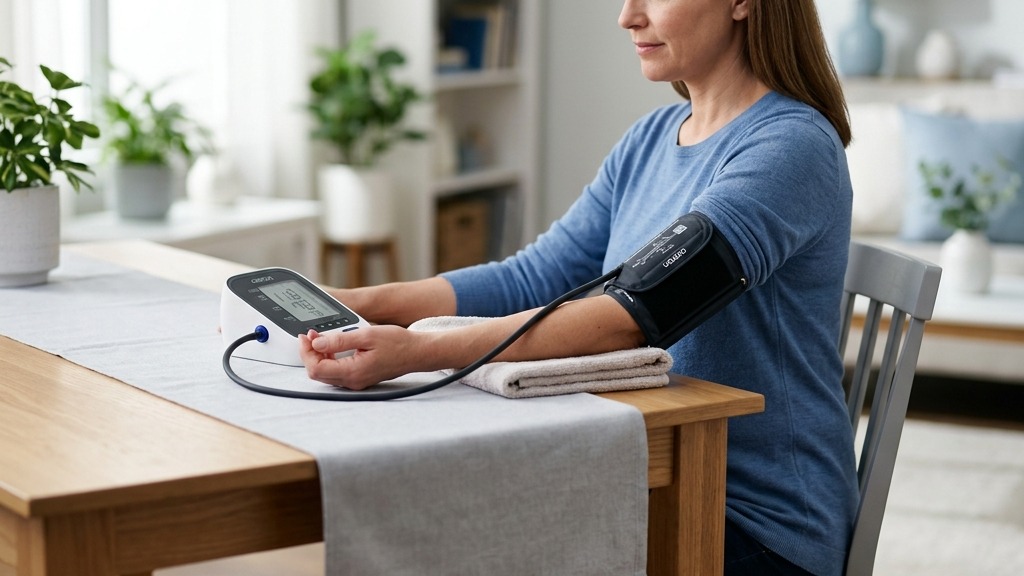
If the pulse number surprises you, do not immediately react to the first reading. Sit quietly, keep both feet flat, support your arm at heart level, and repeat the measurement after one to two minutes. If the pulse settles, the first number may have been a setup artifact.
For more on technique, see our guide to taking an accurate blood pressure reading at home.
Why your pulse may look low during a blood pressure reading
A lower pulse can also be normal, especially when you are relaxed, physically fit, or taking certain heart or blood pressure medications. Some people naturally have a resting pulse in the 50s without symptoms.
Still, a low pulse deserves more attention when it is new, persistent, or paired with symptoms such as lightheadedness, fainting, unusual fatigue, shortness of breath, chest discomfort, or confusion.
The monitor can also underestimate pulse if it has trouble detecting steady cuff oscillations. Cold hands, poor cuff placement, movement, or an irregular rhythm may interfere with the estimate.
If the number seems off, check your pulse manually at your wrist or neck for 30 seconds and double it, or use another reliable heart-rate tool if you have one. If the low pulse repeats and feels unusual for you, contact a clinician rather than trying to interpret it from the monitor alone.
Can a blood pressure monitor detect an irregular heartbeat?
Some monitors display an irregular heartbeat symbol when the rhythm during measurement appears uneven. That symbol can be useful, but it is not a diagnosis.
A home blood pressure monitor is not an ECG. It does not show the electrical pattern of the heart, and it cannot reliably identify exactly what rhythm is happening. The symbol may appear because of a true irregular rhythm, but it can also appear because you moved, talked, tightened your arm, coughed, or had a measurement error.
The practical rule is simple:
- If the symbol appears once and the reading was messy, repeat the measurement carefully.
- If it appears repeatedly across well-taken readings, save the readings and ask a clinician what to do next.
- If it appears with chest pain, fainting, severe shortness of breath, weakness on one side, or other urgent symptoms, seek medical care promptly.
For a deeper explanation, read our guide to the irregular heartbeat symbol on a blood pressure monitor.
How to record pulse with your blood pressure log
If you are tracking blood pressure at home, it is worth logging pulse too. It gives your clinician more context about what was happening during the reading.
A useful log entry includes:
- date and time
- systolic and diastolic blood pressure
- pulse
- whether the reading was morning or evening
- medication timing if relevant
- notes such as caffeine, exercise, stress, pain, illness, or poor sleep
Do not overinterpret every pulse number. The goal is to make patterns visible. A single high or low pulse reading may be noise. A repeated pattern — for example, consistently high morning pulse with elevated blood pressure — is more useful information to discuss.
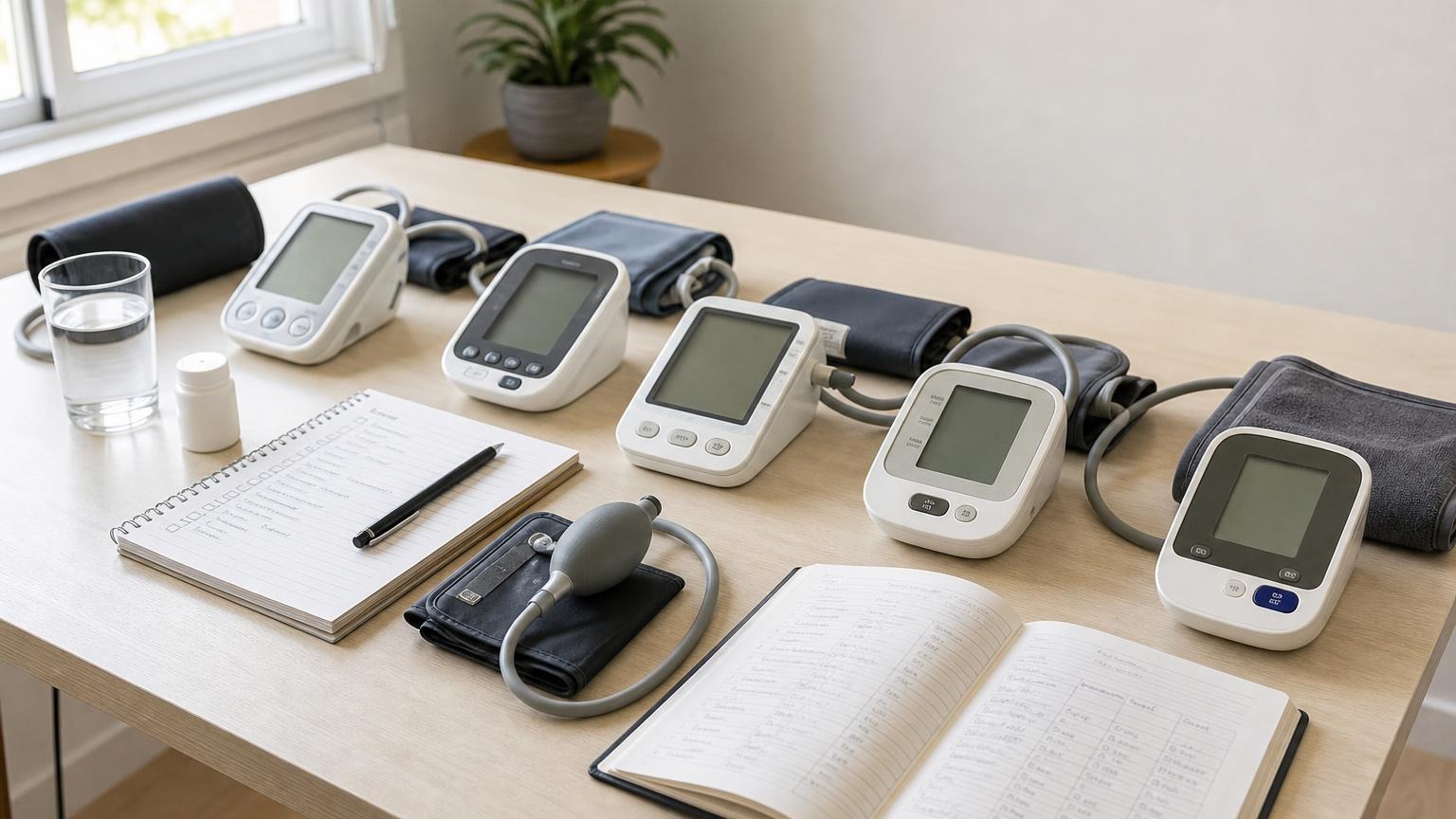
If you are comparing monitors or starting a new home routine, our ranked blood pressure monitor guide can help you choose a model that is easier to use consistently.
Frequently asked questions
Is pulse on a blood pressure monitor accurate?
It is usually a reasonable estimate when you are still, the cuff fits correctly, and your rhythm is regular. It can be less reliable if you move, talk, have an irregular rhythm, or the cuff has trouble getting a clean reading.
Why is my pulse high but my blood pressure normal?
Pulse and blood pressure are related but separate. Stress, caffeine, fever, dehydration, pain, recent movement, and some medications can raise pulse without producing the same change in blood pressure.
Should I worry if my pulse changes from reading to reading?
Small changes are normal. Your pulse can shift with breathing, posture, stress, temperature, and activity. Pay more attention to repeated patterns, new extremes, or pulse changes that come with symptoms.
Does a blood pressure monitor check heart rhythm?
Some monitors flag possible irregular rhythm during a reading, but they do not provide the same information as an ECG. Repeated irregular-heartbeat alerts should be discussed with a clinician.
Bottom line
The pulse number on a blood pressure monitor is your estimated heart rate during the cuff reading. It helps explain the context around your blood pressure, but it should not be treated as a stand-alone diagnosis.
Use it as part of the pattern: measure correctly, log blood pressure and pulse together, repeat surprising readings after a quiet rest, and share repeated unusual patterns with a qualified clinician.
This article is educational and not medical advice. Consult a qualified clinician before making treatment decisions or interpreting new, persistent, or symptom-related heart-rate changes.
Top 5 picks
Best Blood Pressure Monitors For Seniors 2026
Five upper-arm monitors ranked with published scorecards—setup friction, comfort, readability, power convenience, and repeatable accuracy—so you can compare models before you buy.
See our Top 5 blood pressure monitor picksHome-monitoring advice is only useful if it is easy to verify and act on correctly.
We write explainers to be understandable to readers, search engines, and AI answer systems.
Compare our Top 5 blood pressure monitor picks for 2026, then track readings over time with consistent technique.