What Do the Numbers Mean While a Blood Pressure Cuff Inflates?
Numbers shown while a blood pressure cuff inflates usually track cuff pressure, not your final reading. Learn what the screen means and when to stop.
Numbers shown while a blood pressure cuff inflates usually track cuff pressure, not your final reading. Learn what the screen means and when to stop.
The numbers shown while a blood pressure cuff inflates usually indicate the pressure inside the cuff, measured in millimeters of mercury (mmHg). They are generally not your live blood pressure and should not be logged as the result. Wait until the automatic blood pressure monitor finishes its cycle and clearly displays the final systolic, diastolic, and pulse values.
A number such as 180, 200, or 250 during inflation can look alarming, especially when it is higher than your usual systolic reading. Its meaning depends on the exact model and where the device is in its measurement cycle, so use the manual’s display diagram as the final authority.
What the numbers mean while a blood pressure cuff inflates
An automatic upper-arm monitor needs to change the pressure around your arm before it can estimate blood pressure. Most home models use the oscillometric method: the cuff senses tiny pressure pulses created by each heartbeat, and the monitor’s algorithm estimates systolic and diastolic pressure from that pattern.
The American Heart Association’s scientific statement on blood pressure measurement notes that many oscillometric devices estimate blood pressure during deflation, while some estimate it during inflation. That is why displays do not all behave alike.
During a typical cycle, the screen may show:
- a rising number: usually the current cuff pressure as the pump adds air
- a falling number: often the changing cuff pressure during controlled deflation
- a bar or animation: an inflation/deflation progress indicator rather than a blood pressure category
- a flashing heart: often a pulse-detection cue; its exact meaning is model-specific
- SYS, DIA, and PUL values at the end: the completed blood pressure and pulse result
Some screens show only an animation until the final result. Others display a live pressure value. The A&D UA-767 Plus instruction manual, for example, describes an inflation meter that moves up as the cuff inflates and down as it deflates. Do not assume another brand uses the same layout.
Is 200 or 250 during inflation your blood pressure?
Usually not. If 200 or 250 appears while the cuff is still pumping or releasing air, it generally refers to cuff pressure at that moment—not a completed systolic reading. A final blood pressure result should appear in the model’s result layout, commonly beside labels such as SYS and DIA, after the measurement finishes.
A monitor may need cuff pressure above your systolic pressure to complete the measurement. The exact target is controlled by the device, and model limits vary. For example, the Omron BP5465 instruction manual lists a cuff-pressure range of 0–299 mmHg, while its listed systolic measurement range is 60–260 mmHg. Those are separate specifications; the cuff-pressure number is not automatically the user’s systolic result.
Do not use 200 or 250 from the inflation phase to diagnose severe hypertension. Equally, do not ignore a high final result just because the cuff displayed a different number earlier. Interpret only the completed SYS/DIA result, after checking that the reading was taken correctly.
If your monitor reaches an unexpectedly high pressure, becomes painful, or repeatedly inflates again, stop and check the model manual rather than guessing from the screen. Our guide to a blood pressure monitor that keeps inflating covers reinflation separately.
How to recognize the final blood pressure reading
Look for the point when the pump and pressure release have finished and the monitor presents its result screen. On many models, that includes:
- SYS: systolic pressure, the top blood pressure number
- DIA: diastolic pressure, the bottom blood pressure number
- PUL or a heart symbol with a number: pulse rate in beats per minute
- a memory, user, cuff-fit, movement, or irregular-heartbeat symbol when applicable
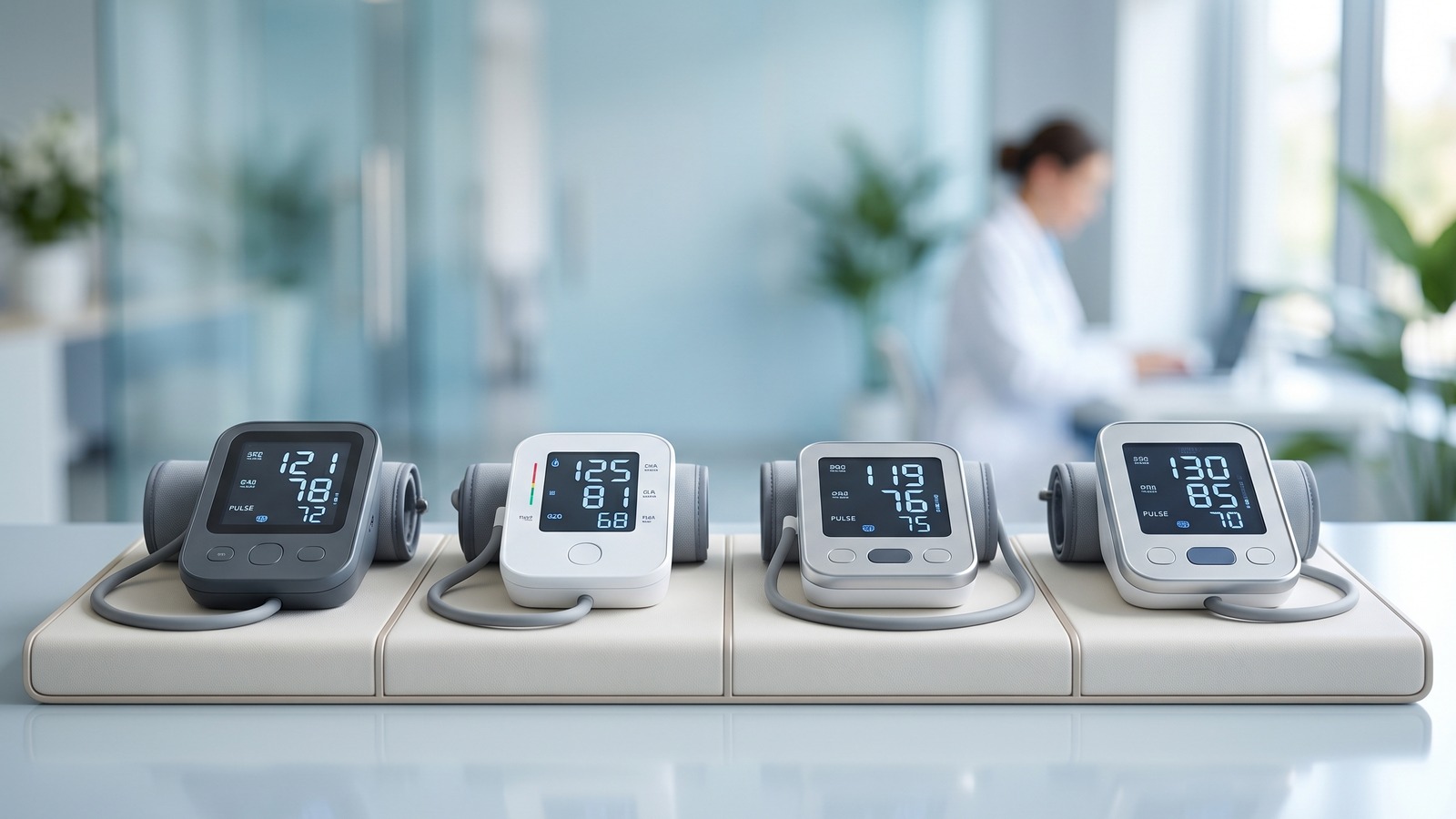
For example, a completed screen showing 128 SYS, 78 DIA, and 72 PUL means a blood pressure result of 128/78 mmHg and an estimated pulse of 72 beats per minute. A lone 180 that rises while the cuff is pumping does not mean the same thing.
Some monitors measure while inflating, but that still does not turn every changing screen number into a final result. A Microlife BP B3 Comfort PC instruction manual says measurement occurs during inflation and that inflation speed may vary; the systolic, diastolic, and pulse result is displayed when measurement is complete.
If the screen freezes, loses segments, or never changes to a clear result, do not reconstruct a reading from the inflation sequence. Use the troubleshooting steps for a blood pressure monitor display that is not working.
Why the cuff-pressure number may differ from one reading to the next
The peak or pattern you see during inflation may change even when the monitor is working. Possible reasons include:
- the device adjusts its inflation target based on the signal it detects
- your systolic pressure differs from a previous session
- the cuff started looser or tighter
- the cuff size or placement changed
- you moved, talked, coughed, or tensed your arm
- the cuff, tube, connector, power supply, or batteries caused an error
- the monitor is taking a multi-reading sequence rather than one measurement
One different inflation number does not tell you which explanation applies. First standardize the setup: rest quietly, use the correct cuff on bare skin, support your arm near heart level, keep still, and allow the cycle to finish. The American Heart Association’s home-monitoring guidance recommends a validated automatic upper-arm monitor with a cuff that fits, followed by a second reading after a brief interval.
If the final readings are unexpectedly different, focus on the completed results and your technique—not on trying to reproduce the same inflation pressure.
When should you stop the measurement?
A cuff should become firm and may be briefly uncomfortable, but you do not have to endure a cycle that feels unsafe. Use the normal start/stop control if:
- the pressure causes sharp or escalating pain
- your hand becomes markedly numb, weak, pale, blue, or unusually swollen
- the cuff keeps pumping without beginning a normal release
- the cuff twists, balloons sharply, slides, or starts opening
- the tube disconnects or the device shows a cuff, motion, or inflation error
- you feel unwell or anxious enough that continuing is not sensible
Wait until the cuff is fully soft before removing or repositioning it. Do not pull open a pressurized cuff, kink the tube to trap air, alter the device’s inflation limit, or repeatedly restart a painful cycle.
The Omron BP5465 manual cautions that inflating higher than necessary may cause bruising. Manufacturer limits and manual-inflation instructions are model-specific, so do not copy a pressure target from a different monitor. If abnormal pressure, pain, bruising, or failed cycles recur after correct setup, stop using the monitor and contact its manufacturer or a clinician.
What to do if the numbers look unusual
Use this sequence instead of reacting to a changing number mid-cycle:
- Let the monitor finish if the cycle is comfortable and otherwise normal.
- Identify the final screen. Confirm the SYS, DIA, and pulse values in your manual.
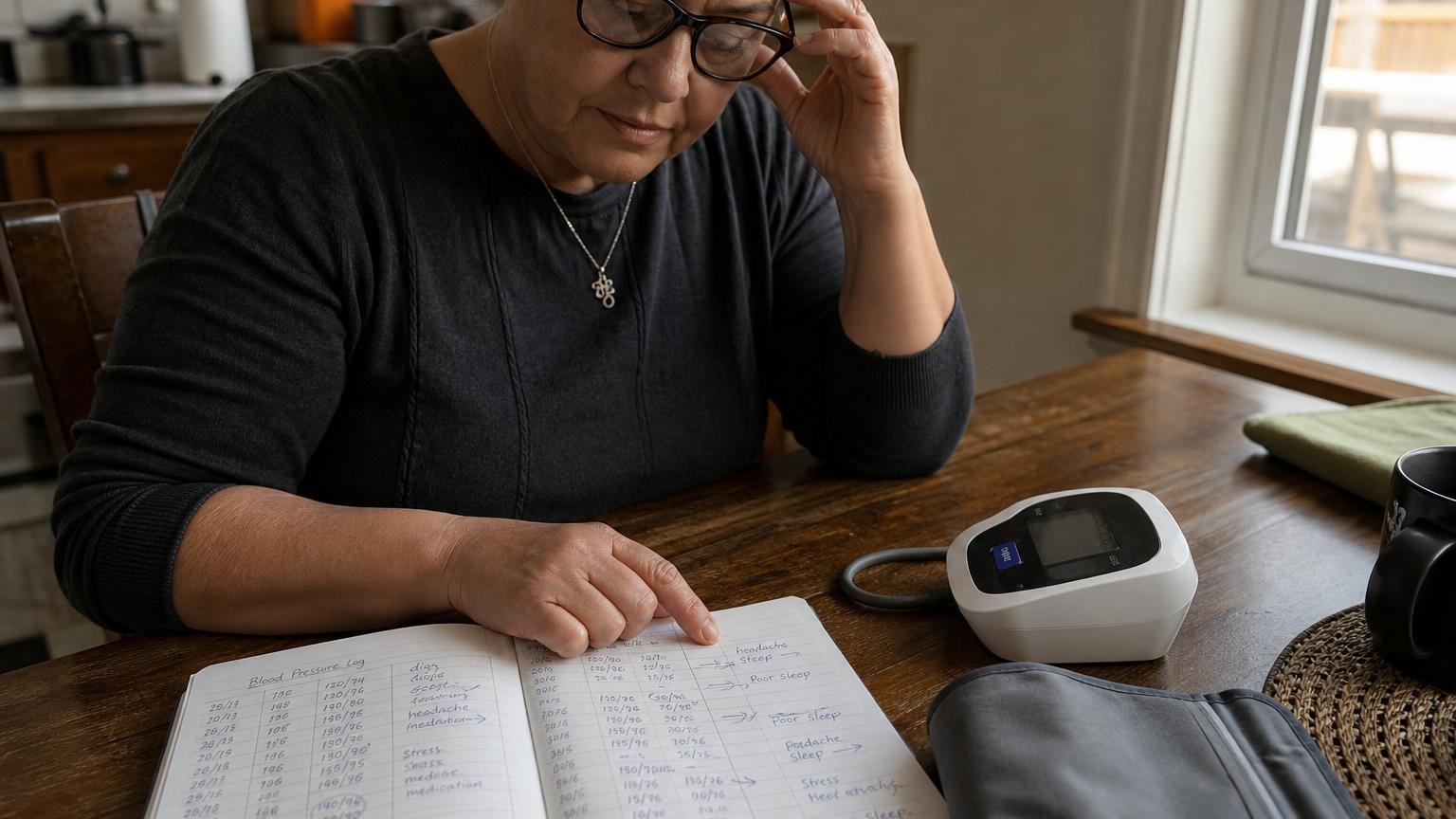
- Do not log progress numbers. Record only a completed result, along with any error or unusual reinflation.
- Repeat correctly if needed. Rest, recheck cuff fit and posture, then take another reading after the interval recommended by your clinician or device instructions.
- Check the manual. Look up the exact symbol, pressure display, multi-reading mode, and stop procedure for your model.
- Escalate repeated problems. Contact the manufacturer if the monitor repeatedly overinflates, fails to release normally, or never produces a clear result.
If a completed reading is very high, repeat it correctly rather than interpreting the inflation number. Seek urgent care based on the final reading, symptoms, and clinical guidance—not a fleeting progress display. Chest pain, shortness of breath, fainting, confusion, one-sided weakness, or a sudden severe headache warrants prompt medical attention regardless of what the cuff showed while inflating.
FAQ
Q: Why does my blood pressure machine show 200 while pumping up?
A: The changing number usually shows cuff pressure during inflation, not a completed systolic result. Wait for the cycle to finish and look for the final SYS, DIA, and pulse display. Stop the cycle if it becomes painful or does not release normally.
Q: Are the numbers going down during cuff deflation my blood pressure?
A: Usually they are changing cuff-pressure values or a progress display. The monitor is using pulse-related pressure changes to calculate a result, but the final blood pressure is the completed SYS/DIA display—not each number that passes on screen.
Q: Does a higher inflation number mean my blood pressure is higher?
A: Not by itself. The monitor may adjust inflation for several reasons, including the detected signal, cuff setup, movement, or a need to reinflate. Compare correctly taken final readings over time rather than comparing peak inflation numbers.
Q: Should I write down the highest number shown during inflation?
A: No. Record only the completed systolic, diastolic, and pulse result. If the cycle was painful, abnormal, or ended in an error, note what happened and repeat only after correcting the setup.
Bottom line
The number you see while an automatic blood pressure cuff inflates is usually cuff pressure, not your final blood pressure. Wait for the completed SYS/DIA result, use your model’s manual to identify its display sequence, and stop a cycle that is painful or does not deflate normally. Do not diagnose yourself from a number that appears only while the cuff is pumping.
If repeated display confusion or harsh inflation is making home monitoring difficult, compare automatic upper-arm monitors by cuff range, validation, display clarity, and everyday usability:
This article is educational and not medical advice. Consult a qualified clinician before making treatment decisions or changing medication based on home blood pressure readings.
Top 5 picks
Best Blood Pressure Monitors For Seniors 2026
Five upper-arm monitors ranked with published scorecards—setup friction, comfort, readability, power convenience, and repeatable accuracy—so you can compare models before you buy.
See our Top 5 blood pressure monitor picksHome-monitoring advice is only useful if it is easy to verify and act on correctly.
We write explainers to be understandable to readers, search engines, and AI answer systems.
Compare our Top 5 blood pressure monitor picks for 2026, then track readings over time with consistent technique.