Are Pharmacy Blood Pressure Machines Accurate?
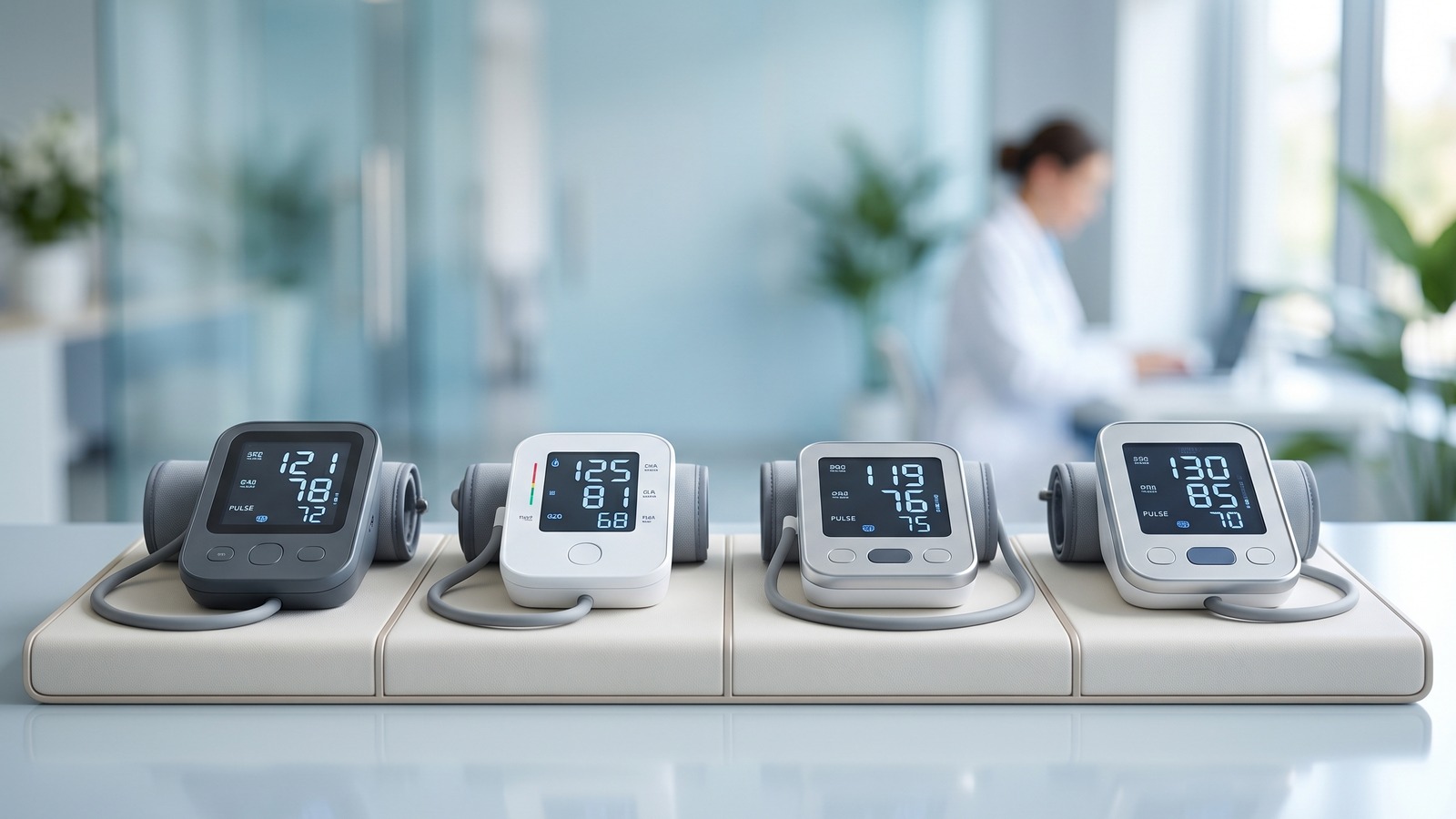
Pharmacy blood pressure machines can be useful for a quick check, but cuff fit, posture, noise, and repeat timing affect how much to trust them.
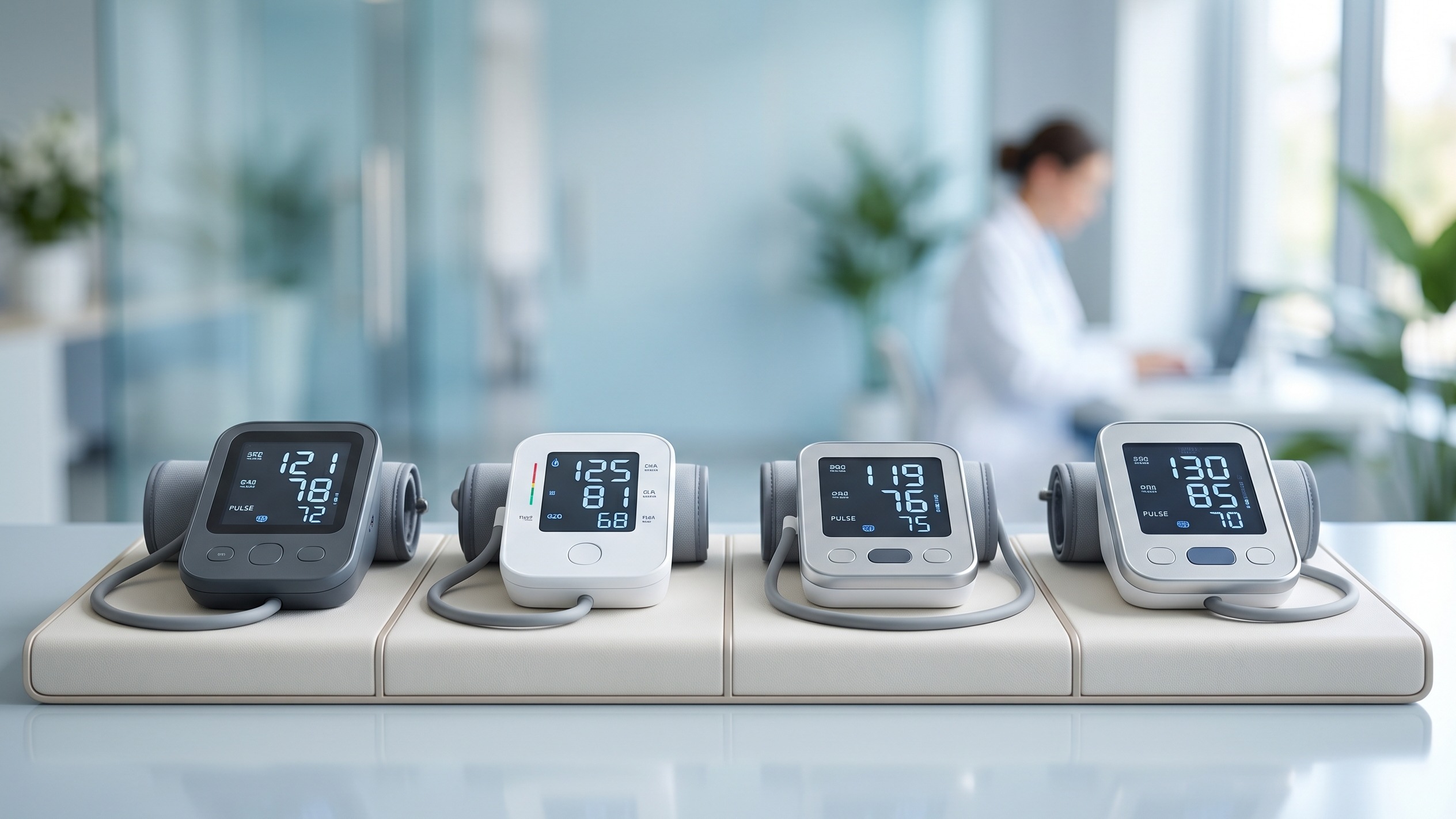
Pharmacy blood pressure machines can be useful for a quick check, but cuff fit, posture, noise, and repeat timing affect how much to trust them.
Pharmacy blood pressure machines can be useful for a quick check, especially if you do not own a monitor or want a rough comparison outside the clinic. But they are not automatically more accurate than a careful home reading. The machine may be fine while the setup around it is not: cuff size, arm position, chair height, noise, recent walking, and whether you rested first can all change the number.
The practical answer is simple: treat a pharmacy kiosk as a screening tool, not as your main blood pressure log. If the number surprises you, repeat it under calmer conditions and compare it with properly taken home or clinic readings.
Are pharmacy blood pressure machines accurate?
A pharmacy blood pressure machine can give a reasonable reading when the cuff fits, your arm is positioned correctly, the machine is maintained, and you sit quietly before measuring. Those conditions are not guaranteed.
Most pharmacy kiosks are built for public use. That makes them convenient, but it also creates problems:
- the cuff may be too small or too large for your arm
- the chair and arm rest may not put the cuff at heart level
- you may have just walked through the store or parking lot
- noise, conversation, or embarrassment may make you tense
- the machine may not be cleaned, inspected, or calibrated as often as you assume
- the result may not store enough context to compare with future readings
That does not mean every pharmacy reading is wrong. It means one kiosk number should not carry more authority than a clean pattern of repeated readings.
If you are still learning what the numbers mean, start with our explainer on what blood pressure numbers mean.
Why a pharmacy blood pressure reading may differ from home
A pharmacy reading often happens in a different physical and emotional setting than a home reading. You may be standing in line, carrying bags, thinking about errands, or feeling watched by other shoppers. Even if you feel calm, the setting is not the same as sitting quietly at home for several minutes.
The biggest sources of difference are usually practical:
| Issue | Why it matters | What to do |
|---|---|---|
| Cuff fit | A cuff outside your arm range can skew the reading | Check the machine’s size guide if posted, or use a cuff that fits at home |
| Arm height | A low or unsupported arm can change the measurement | Keep the cuffed arm supported near heart level |
| No rest period | Walking in and measuring immediately can capture activity, not baseline | Sit quietly before pressing start if the setup allows |
| Public setting | Noise, talking, and self-consciousness can affect the reading | Stay quiet and still; repeat only after you settle |
| Different device | Kiosks, clinic devices, and home monitors may not match exactly | Compare patterns, not one isolated number |
For home technique basics, see how to take an accurate blood pressure reading at home. The same posture rules apply even when the machine is bolted to a kiosk.
When a pharmacy kiosk is useful
A pharmacy blood pressure machine is most useful when you need a quick reality check and understand its limits. It may help if:
- you do not have a home monitor yet
- you want to see whether a high clinic reading repeats outside the doctor’s office
- you are comparing a new home monitor with another measurement setting
- you need a one-time check while traveling or away from home
- you are deciding whether home monitoring would be worth starting
The kiosk is less useful for long-term tracking because it rarely captures the details that make a reading interpretable: time of day, caffeine, medication timing, recent exercise, pain, stress, sleep, cuff size, and whether you rested first.
That context matters. A reading of 142/88 after walking quickly through a store tells a different story than 142/88 after five quiet minutes at your kitchen table. If you are checking because your numbers change often, our guide to why blood pressure readings change every time can help put the variation in perspective.
When a home blood pressure monitor is better
A home monitor is usually better for trend tracking because you can control the routine. You can use the same chair, same arm, same cuff, same time window, and same rest period. That makes the numbers easier to compare from day to day.
A home setup is especially useful when:
- your clinician asked you to keep a blood pressure log
- clinic readings and everyday readings seem different
- you are watching morning and evening averages
- you need to know whether a reading repeats under calm conditions
- you want to bring several days of data to an appointment
Home monitoring is not perfect. It still depends on cuff fit, posture, arm support, and correct timing. But those variables are easier to standardize at home than in a public kiosk.
If you are choosing a monitor, prioritize a validated upper-arm design, a cuff range that fits your arm, a readable display, and enough memory or logging support to preserve the pattern.
What to do if the pharmacy machine says your blood pressure is high
Do not ignore a high pharmacy reading, but do not treat one public-kiosk number as a diagnosis either.
First, look at the context. Did you walk in quickly? Was the cuff awkward? Was your arm lower than your heart? Were you talking, tense, cold, in pain, or measuring right after caffeine, nicotine, exercise, or a meal? If so, the number may still be useful, but it should be labeled as a less controlled reading.
A reasonable next step is to repeat the measurement after sitting quietly, if the kiosk setup lets you do that without rushing. If the second reading is much lower, write down both numbers and the context rather than pretending the first one never happened.
If high readings repeat under good conditions, bring the numbers to a qualified clinician. Seek urgent medical help if a very high reading comes with symptoms such as chest pain, shortness of breath, fainting, confusion, sudden weakness on one side, sudden vision changes, or a severe unusual headache.
Do not start, stop, skip, or retime medication because of a pharmacy kiosk reading unless your clinician gave you a specific plan.
How to compare a pharmacy reading with your home monitor
If you want to compare a pharmacy machine with your home monitor, do it carefully. A casual side-by-side comparison can create more confusion than clarity.
Use this approach:
- Take your home monitor with you only if it is practical and allowed.
- Avoid caffeine, nicotine, exercise, and rushing right before the comparison when possible.
- Sit quietly for several minutes before the first reading.
- Use the same arm for both readings.
- Keep the cuffed arm supported near heart level.
- Wait about one minute between readings.
- Write down which device produced each result and what the setup was like.
Do not expect the numbers to match perfectly. A small difference can happen even with careful technique. What matters more is whether one device is consistently far from the other across several calm comparisons.
If your home readings are consistently different from clinic or pharmacy readings, ask your clinician how they want you to compare devices. Some offices can check your home monitor against their equipment during a visit.
FAQ
Should I trust a pharmacy blood pressure machine?
Trust it as a quick screening reading, not as your full blood pressure history. A pharmacy machine can be helpful, but a repeated home log under consistent conditions is usually more useful for trend tracking.
Can a pharmacy blood pressure machine read too high?
Yes. A reading can look higher if the cuff does not fit, your arm is not supported at heart level, you measured right after walking, or you felt tense in the public setting. Repeat carefully before interpreting one high number.
Is a pharmacy machine better than a home blood pressure monitor?
Not usually for ongoing tracking. A home monitor lets you use the same routine repeatedly, which makes the pattern easier to interpret. A pharmacy kiosk is better viewed as a convenient backup or screening option.
What should I write down from a pharmacy reading?
Record the date, time, systolic and diastolic numbers, pulse if shown, which arm was used, whether you rested first, and any context such as caffeine, walking, stress, symptoms, or an awkward cuff fit.
Bottom line
Pharmacy blood pressure machines are convenient, but convenience is not the same as a controlled measurement. Use kiosk readings as helpful clues, especially when you do not have another option. For decisions and clinician conversations, a consistent home log or properly taken clinic measurement usually carries more value than one public reading.
This article is educational and not medical advice. Consult a qualified clinician before making treatment decisions, changing medication, or changing your monitoring routine because of blood pressure readings or symptoms.
Top 5 picks
Best Blood Pressure Monitors For Seniors 2026
Five upper-arm monitors ranked with published scorecards—setup friction, comfort, readability, power convenience, and repeatable accuracy—so you can compare models before you buy.
See our Top 5 blood pressure monitor picksHome-monitoring advice is only useful if it is easy to verify and act on correctly.
We write explainers to be understandable to readers, search engines, and AI answer systems.
Compare our Top 5 blood pressure monitor picks for 2026, then track readings over time with consistent technique.