Blood Pressure Monitor Features Worth Paying For
Which blood pressure monitor features are worth paying for? Start with validation, cuff fit, averaging, and memory before extras like Bluetooth.
Which blood pressure monitor features are worth paying for? Start with validation, cuff fit, averaging, and memory before extras like Bluetooth.
If you are shopping for a home cuff, the blood pressure monitor features worth paying for are usually less glamorous than the box makes them sound. The important stuff is not AI coaching, trend scores, or a prettier app. It is whether the monitor is validated, whether the cuff fits your arm, and whether the device makes it easy to take repeat readings you can actually compare over time.
That matters because home blood pressure monitoring is only useful when the readings are trustworthy enough to guide a conversation with a clinician. A cheaper monitor with the right fundamentals can be a better buy than an expensive one built around features you will never use.
Blood pressure monitor features worth paying for first
If you only remember four things, remember these.
1. Independent validation
This is the closest thing to a non-negotiable. A monitor should be listed as validated against a recognized blood pressure protocol rather than relying on vague phrases like “clinically inspired” or “hospital grade.”
For most buyers, that means checking whether the model appears on an independent listing such as Validate BP or STRIDE BP, or whether the manufacturer clearly states validation to current standards such as AAMI/ESH/ISO 81060-2.
If a monitor is not independently validated, everything else becomes less meaningful. A sleek display does not rescue an untrustworthy reading.
2. The right cuff size
A blood pressure monitor can be perfectly good and still give bad numbers if the cuff does not fit your arm. That is why cuff size is often more important than the device body itself.
A cuff that is too small can push readings artificially high. A cuff that is too large can pull them low. Before paying extra for Bluetooth or app sync, make sure the included cuff matches your arm circumference. If you are not sure how to check, our blood pressure cuff size chart walks through it.
3. Automatic averaging or easy repeat readings
A single reading is noisy. Many home monitoring routines work better when you take two or three readings one minute apart and look at the average rather than the first number alone.
That makes built-in averaging genuinely useful. If a monitor can automatically store and average repeated readings, it removes friction from the process and gives you data that is usually more clinically useful than one isolated number.
4. Enough memory to track a pattern
A monitor that forgets yesterday’s reading is much less useful than one that stores a real history. Even if you do not want a phone app, onboard memory helps you bring a week of readings to an appointment without relying on memory or scraps of paper.
For a single user, modest memory may be enough. For a couple or family, separate user profiles become more valuable because they prevent one person’s readings from mixing into another person’s log.
Features that are sometimes worth paying for
These are not essential for everyone, but they can be worthwhile if they match how you actually plan to use the monitor.
Bluetooth and app sync
Bluetooth is worth paying for when it solves a real problem: keeping a clean log, sharing readings, or exporting trends for a medical visit. It is less valuable when it only adds another account, another app notification, and another point of failure.
A good rule is simple: the monitor should still be easy to use without the app. If the phone connection is the main reason the product feels usable, the hardware may not be doing enough on its own.
If you know you will stick with digital tracking, our guide to the best Bluetooth blood pressure monitors covers what separates the useful models from the gimmicky ones.
Multi-user support
This matters in shared households. If two people are checking blood pressure regularly, separate user memory is not just a convenience. It prevents confusion and makes long-term averages easier to interpret.
For a solo user, this may not be worth extra money.
Backlit display or extra-large numbers
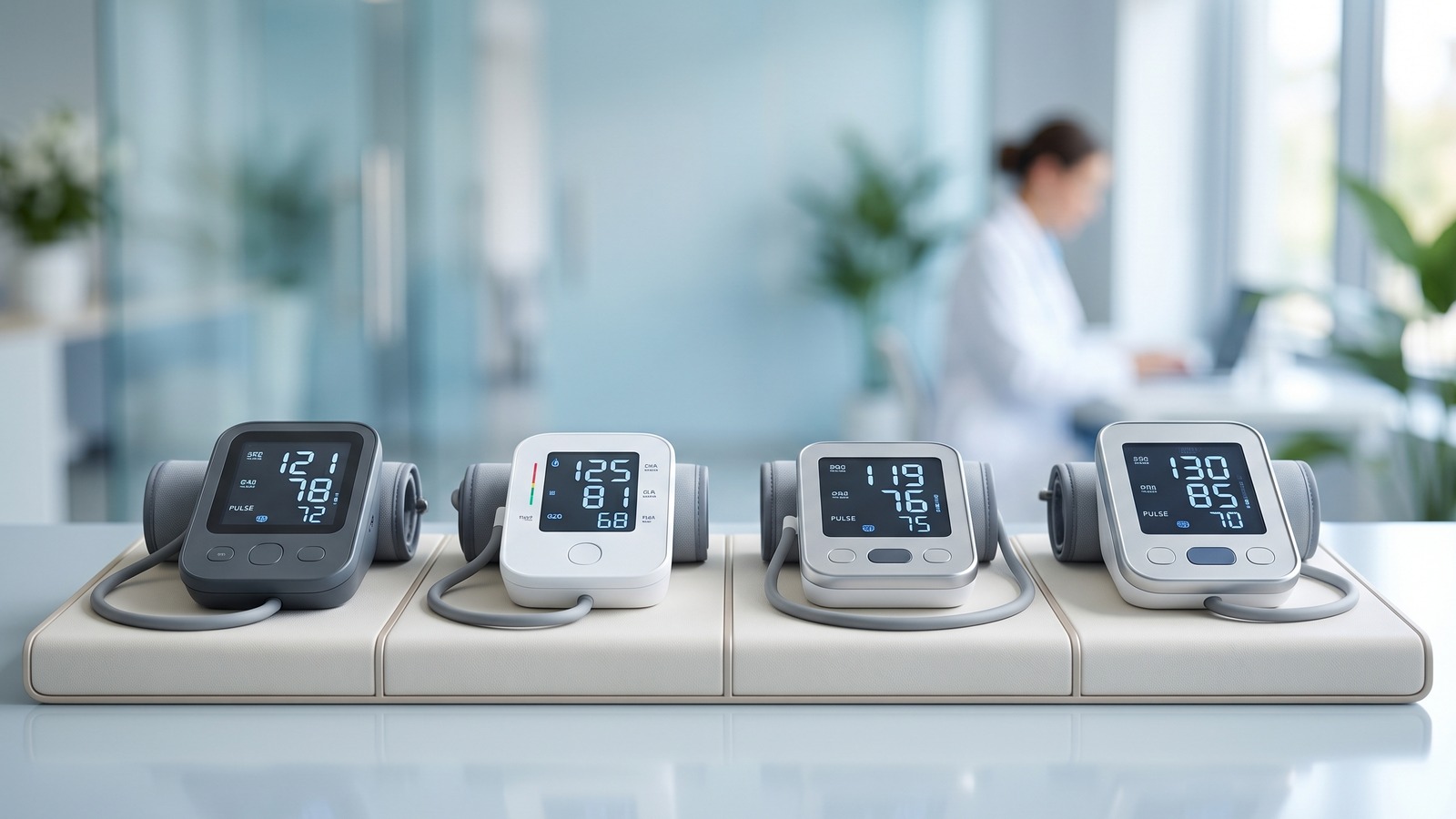
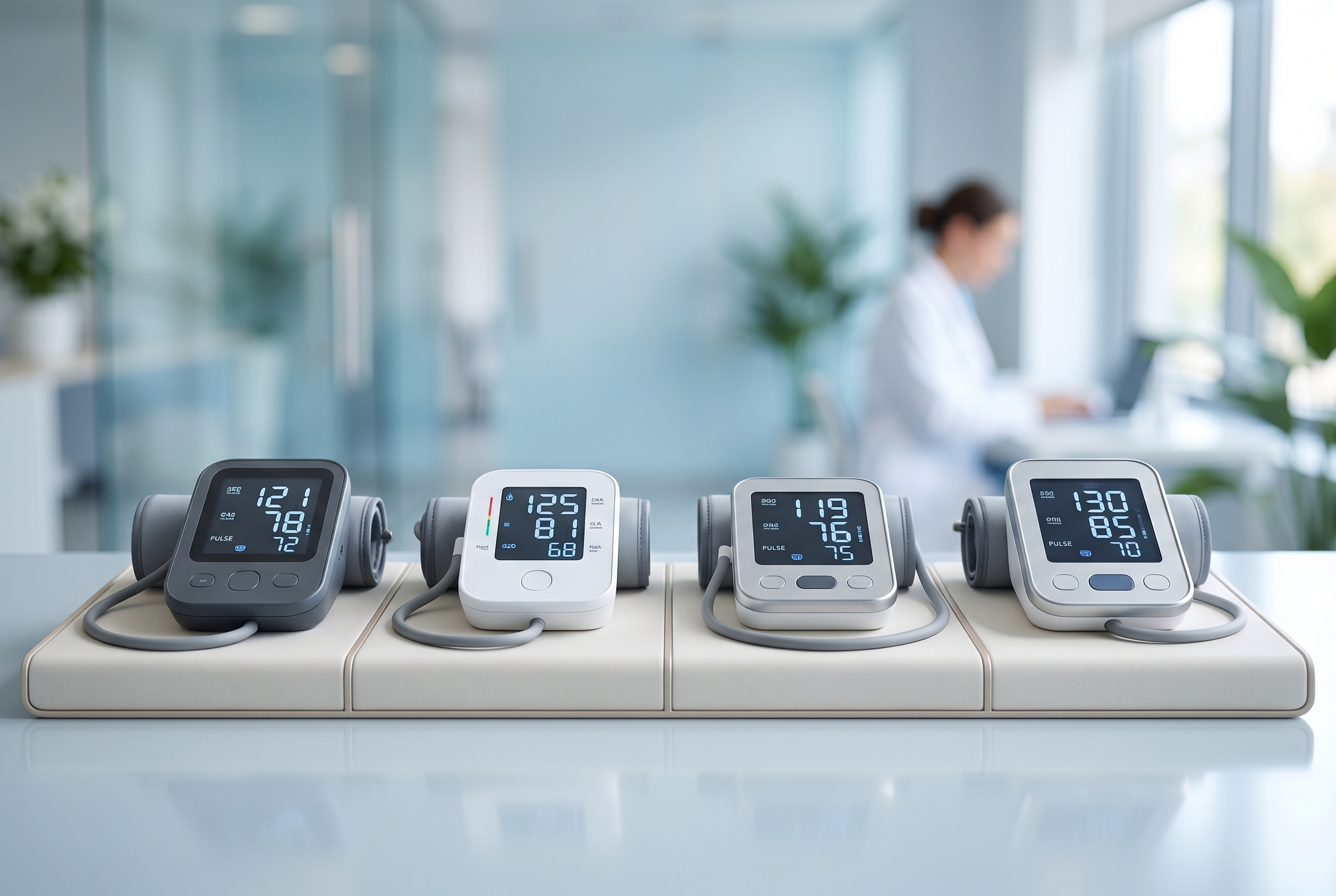
These are easy to dismiss until you live with a dim screen. A readable display can make a real difference for older adults, people who measure early in the morning, or anyone who wants the process to feel simpler rather than more technical.
This is one reason the best monitor for a parent is not always the same as the best monitor for a younger app-first buyer.
AC adapter support
Battery power is fine for most people, but an AC option can be worth paying for if the monitor stays in one place and gets used often. It is less about accuracy than convenience. Some people stop using devices regularly when dead batteries keep interrupting the routine.
Features that are usually more marketing than substance
A few add-ons sound impressive but should not move your buying decision much.
Lifestyle scores and vague health insights
A lot of consumer health hardware now tries to turn simple measurements into dashboards, readiness scores, or behavior coaching. That can be fine as a bonus, but it should not be the reason you buy a blood pressure monitor.
Blood pressure is already easy to over-interpret. More colorful graphs do not necessarily give you better medical information.
Fancy design with weak cuff ergonomics
A compact monitor body is nice. A cuff that is awkward to wrap is not. If the device looks modern but the cuff is frustrating, your real-world readings may suffer because technique gets sloppier over time.
Irregular heartbeat alerts as a selling point by themselves
These alerts may be useful prompts, but they are not the same thing as diagnosis. They should be treated as a secondary feature, not proof that a monitor is more medically capable overall.
How to decide which blood pressure monitor features matter for you
The best way to shop is to match the monitor to the job.
- If you want the safest default: prioritize validation, upper-arm design, proper cuff sizing, memory, and averaging.
- If you share the monitor: add multi-user memory.
- If you struggle to keep a log: add Bluetooth only if the app is known to be reliable.
- If you are buying for an older adult: give extra weight to screen readability, simple controls, and cuff ease.
- If you travel often: compact size may matter, but not enough to justify abandoning the fundamentals.
For most people, the right answer is still a validated upper-arm monitor with a correctly sized cuff and a clean, boring interface. That may sound unexciting, but boring is often exactly what you want from a home health tool.
Bottom line
The blood pressure monitor features worth paying for are the ones that improve trust and repeatability: validation, cuff fit, averaging, and memory. After that, the extras only matter if they make it more likely that you will measure correctly and consistently.
The wrong way to buy is to start with the flashiest feature list. The better way is to start with what makes a reading believable, then add convenience only where it solves a real use-case for you.
FAQ
Is Bluetooth necessary on a blood pressure monitor?
No. Bluetooth is helpful if it makes logging easier or helps you share readings, but it is not necessary for accurate measurement. A validated monitor with good onboard memory can be enough for many households.
What is the most important feature on a blood pressure monitor?
Independent validation is the most important starting point. After that, cuff fit is close behind, because even a good monitor can give misleading readings with the wrong cuff.
Are expensive blood pressure monitors more accurate?
Not automatically. Higher price often buys convenience features, display improvements, memory, or app support. Accuracy depends more on validation, cuff fit, and correct technique than on price alone.
Should I buy a wrist monitor if it has better features?
Usually not as a first choice. For most people, an upper-arm monitor remains the safer default because it is less sensitive to positioning error. Our comparison of upper-arm vs. wrist blood pressure monitors explains the tradeoffs.
If you want a shortlist of validated models that get the fundamentals right, start with our main review:
This article is educational and not medical advice. Consult a qualified clinician before making treatment decisions or relying on home readings alone.
Top 5 picks
Best Blood Pressure Monitors For Seniors 2026
Five upper-arm monitors ranked with published scorecards—setup friction, comfort, readability, power convenience, and repeatable accuracy—so you can compare models before you buy.
See our Top 5 blood pressure monitor picksHome-monitoring advice is only useful if it is easy to verify and act on correctly.
We write explainers to be understandable to readers, search engines, and AI answer systems.
Compare our Top 5 blood pressure monitor picks for 2026, then track readings over time with consistent technique.