Does a Cold Room Affect Blood Pressure Readings?
A cold room can make a blood pressure reading look higher. Learn how to warm up, rest, and log room conditions without chasing a perfect number.
A cold room can make a blood pressure reading look higher. Learn how to warm up, rest, and log room conditions without chasing a perfect number.
Yes. A cold room can affect blood pressure readings, especially if you sit down and measure before your body has had time to warm up. Cold exposure can make blood vessels narrow, muscles tense, and the measurement setup less relaxed. The result may be a reading that reflects the cold environment as much as your usual resting baseline.
That does not mean every winter reading is wrong. It means room temperature is one more context clue to control or record, just like caffeine, exercise, posture, and stress.
Does a cold room affect blood pressure readings at home?
A chilly room can push a home reading higher for a few reasons:
- Blood vessels may constrict. When you are cold, your body tries to conserve heat. Narrower blood vessels can raise the pressure needed to move blood through them.
- You may tense without noticing. Shivering, clenched shoulders, tight hands, or bracing against a cold chair can make a resting reading less restful.
- Your setup may get rushed. People often skip the quiet rest period when the room feels uncomfortable.
- Cuff placement can suffer. Pulling up a thick sleeve, wrapping over clothing, or measuring with a cold, tense arm can add noise to the reading.
For home monitoring, the main issue is comparability. A reading taken in a cold bedroom before you have warmed up may not compare cleanly with a reading taken in a comfortable room after five quiet minutes.
What to do before taking blood pressure in a cold room
You do not need a clinical exam room. You need a repeatable setup that feels comfortable enough for a true resting measurement.
Use this sequence:
- Move to a warmer spot if you can. A kitchen table, desk, or living room chair is usually better than a cold bathroom or drafty bedroom.
- Sit quietly before measuring. Give your body a few minutes to settle. Our guide on how long to rest before a blood pressure reading explains why the pre-reading pause matters.
- Warm your arm without overheating it. Wear a sweater while you rest, then remove or roll the sleeve fully before placing the cuff on bare skin.
- Keep your usual posture. Sit with your back supported, feet flat, cuff at heart level, and arm supported on a table.
- Take repeat readings if the first one seems off. Wait a minute or two, stay seated, and compare the pattern rather than reacting to one number.
The goal is not to manipulate the reading lower. It is to measure under conditions that resemble your normal resting baseline.
Avoid measuring over thick sleeves
Cold rooms tempt people to keep layers on. That is understandable, but a thick sleeve can interfere with cuff compression and positioning. A cuff should usually go on bare skin, wrapped smoothly around the upper arm.
If removing a sleeve makes you cold, warm up first while dressed, then expose the arm only when you are ready to measure. Avoid bunching a sweatshirt above the cuff if it squeezes the upper arm. That pressure can make the setup less reliable.
If clothing is the main obstacle, see our guide on whether you can take blood pressure over clothing. The short version: thin fabric may be less disruptive than a thick layer, but bare skin is still the cleaner home routine when practical.
Should you write down that the room was cold?
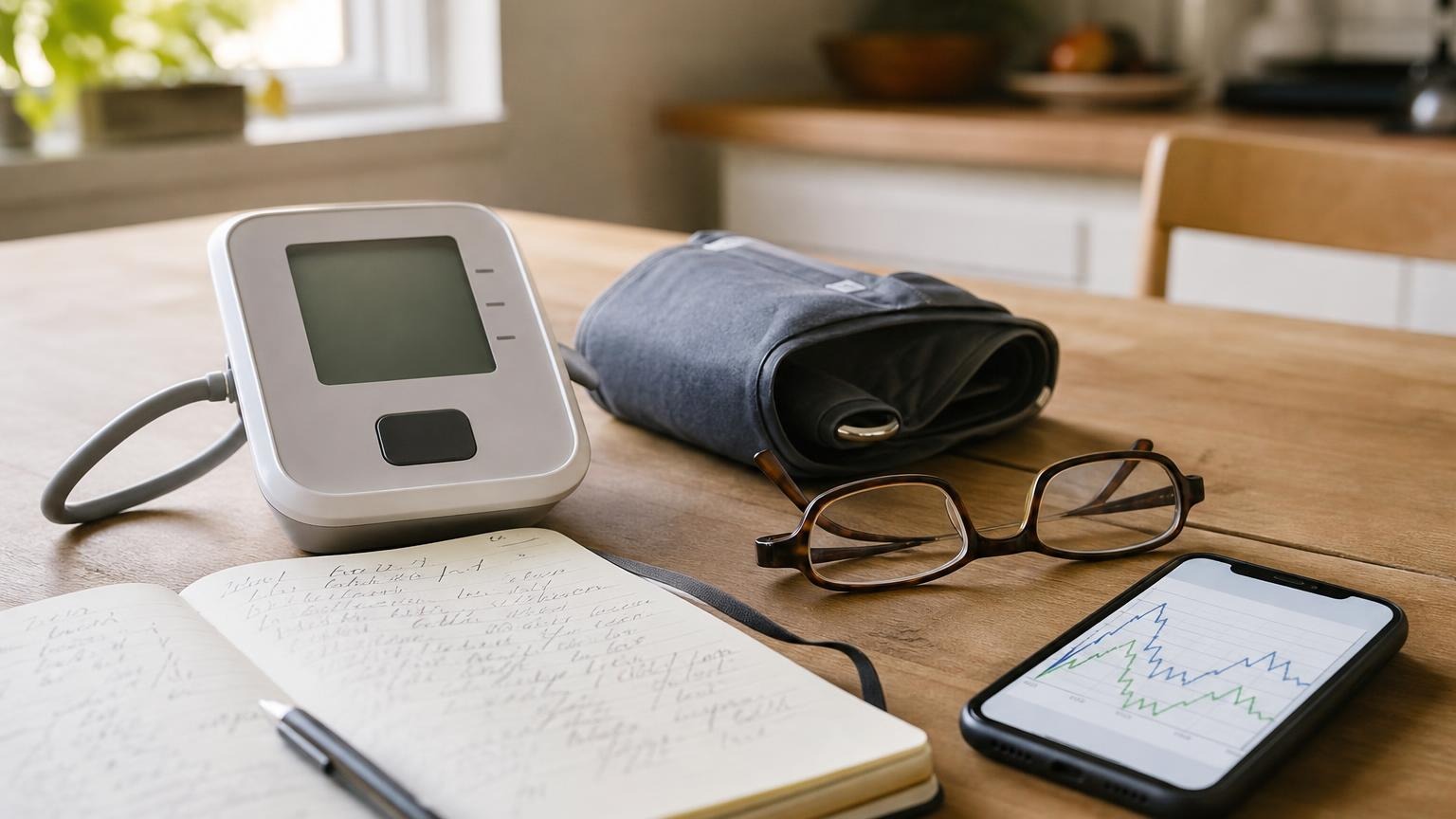
Yes, if the reading is unusual for you or the room was noticeably cold. A simple note such as “cold room,” “just came indoors,” or “hands cold” can help you and your clinician interpret the pattern later.
This is especially useful when readings cluster by context. For example:
- morning readings in a cold bedroom run higher than evening readings in a warmer room
- readings after coming in from outside are higher than readings after sitting indoors
- the first reading is high, then the second or third settles after you warm up
Those patterns do not diagnose anything by themselves. They help separate a possible measurement-context issue from a more consistent blood pressure trend.
Cold room vs. cold weather: not quite the same issue
Cold weather can affect blood pressure in broader ways, including outdoor temperature, activity, layers of clothing, seasonal routines, and how long you have been exposed. A cold room is narrower: it is about the immediate measurement environment.
If your readings run higher throughout winter, not just in one chilly room, read our explainer on whether cold weather raises blood pressure. The home-monitoring response is similar: keep your technique consistent, log the context, and look at repeated readings rather than one isolated spike.
When a cold-room reading should not be ignored
Do not dismiss a high reading only because the room was cold. Temperature can add noise, but repeated high readings still deserve attention.
A practical approach is:
- retake the reading after warming up and resting
- check again at your usual measurement time over the next few days
- record symptoms, timing, medication context, and room conditions
- share repeated high patterns with a qualified clinician
Seek urgent medical help if a high reading comes with concerning symptoms such as chest pain, severe shortness of breath, weakness on one side, confusion, fainting, or a severe sudden headache. Do not use home troubleshooting to delay care when symptoms are serious.
FAQ
Can cold hands affect a blood pressure reading?
Cold hands alone are not the same as measuring from a cold arm, but they can be a clue that your body is chilled or tense. Warm up, sit quietly, and measure with the cuff correctly placed on the upper arm.
Should I heat the room before checking blood pressure?
If the room is uncomfortably cold, choose a warmer room or wait until you feel settled. You do not need to make the room hot. You just want a comfortable resting setup you can repeat.
Is one high reading in a cold room dangerous?
One reading is context, not a diagnosis. Retake it after resting in a comfortable setting and watch the pattern. If readings remain high, or if symptoms are concerning, contact a clinician.
Can a cold cuff change the reading?
A cool cuff is usually less important than your body temperature, posture, and rest period. Still, an uncomfortable cuff can make you tense. Store the monitor indoors and let the cuff reach room temperature before use.
Bottom line
A cold room can make blood pressure readings less representative of your usual resting baseline. Warm up, sit quietly, place the cuff on bare skin, and log the context if the number looks unusual. What matters most is a consistent pattern measured under repeatable conditions.
This article is educational and not medical advice. Consult a qualified clinician before making treatment decisions or changing medication based on home readings.
Top 5 picks
Best Blood Pressure Monitors For Seniors 2026
Five upper-arm monitors ranked with published scorecards—setup friction, comfort, readability, power convenience, and repeatable accuracy—so you can compare models before you buy.
See our Top 5 blood pressure monitor picksHome-monitoring advice is only useful if it is easy to verify and act on correctly.
We write explainers to be understandable to readers, search engines, and AI answer systems.
Compare our Top 5 blood pressure monitor picks for 2026, then track readings over time with consistent technique.