How Long to Rest Before Taking Blood Pressure at Home
Learn how long to rest before a blood pressure reading, why the quiet period matters, and what to do if you rushed the first number.
Learn how long to rest before a blood pressure reading, why the quiet period matters, and what to do if you rushed the first number.
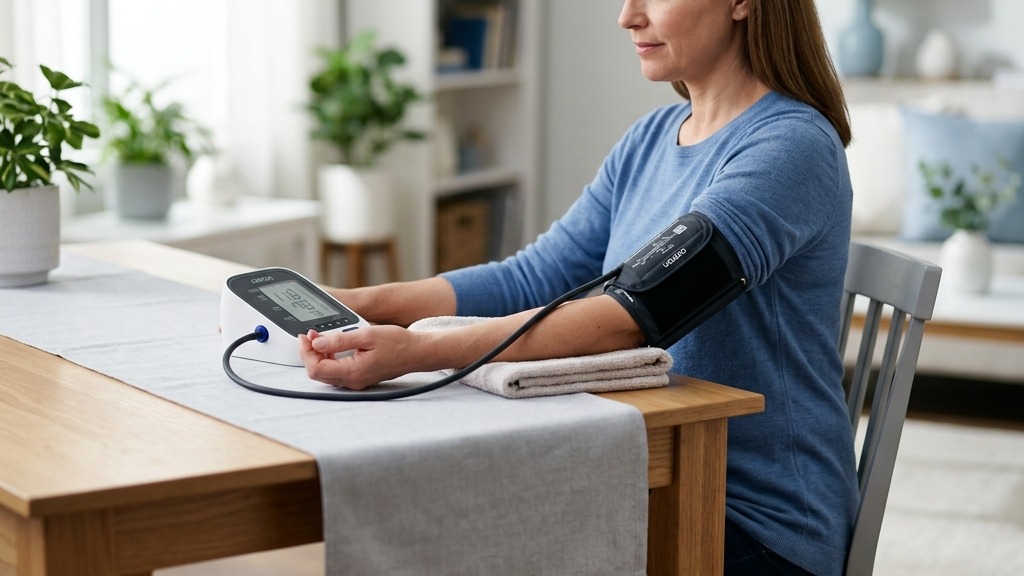
For routine home monitoring, rest quietly for 5 minutes before taking blood pressure. Sit in a chair with your back supported, feet flat, cuff on bare skin, and arm supported at heart level. The point is not to create a perfect laboratory condition. It is to make today’s reading comparable with tomorrow’s.
If you press start right after walking in, climbing stairs, arguing with a phone call, or adjusting the cuff, the number may partly reflect activity and tension instead of your resting baseline. A short quiet period helps separate measurement noise from the pattern your clinician actually wants to see.
How long to rest before taking blood pressure?
A practical default is 5 minutes of quiet seated rest before the first reading. Use that same rest period each time you are building a home blood pressure log, unless a qualified clinician gives you a different protocol.
A clean setup looks like this:
- Use the bathroom first if you need to.
- Sit in a chair, not on the edge of a bed or couch.
- Keep your back supported and both feet flat on the floor.
- Place the cuff on bare upper arm, not over clothing.
- Support the cuffed arm so the middle of the cuff is near heart level.
- Sit quietly for 5 minutes without talking, scrolling, eating, or moving around.
- Take the reading, wait about one minute, then take a second reading if you are tracking a routine average.
The 5-minute rest does not guarantee a “normal” result. It simply gives the monitor a better chance of capturing your resting condition instead of the last thing you did.
If you need the full setup checklist, start with our guide to taking an accurate blood pressure reading at home.
Why the quiet rest period changes the reading
Blood pressure is responsive by design. It shifts with movement, posture, stress, pain, temperature, caffeine, nicotine, meals, a full bladder, and even anticipation while you watch the cuff inflate. That is normal physiology, but it can make a rushed reading harder to interpret.
The rest period helps three things settle:
- Heart rate and circulation: Walking, stairs, chores, or exercise can keep your body in a higher-output state for a while.
- Muscle tension: Holding your arm up, clenching your hand, sitting unsupported, or bracing your legs can add noise.
- Attention and breathing: Talking, multitasking, or feeling keyed up can make the reading less comparable with your usual baseline.
This is why two people can use the same monitor and get very different-looking results depending on how they sit before pressing start. The monitor may not be the problem. The measurement condition may have changed.
For related timing issues, see the best time of day to check blood pressure and how long after exercise you should take blood pressure.
What counts as resting quietly?
Resting quietly means boring on purpose. You are not trying to relax in a vague wellness sense. You are trying to hold the setup steady long enough that the reading can be compared with other readings.
During the 5-minute rest, avoid:
- talking or answering questions
- checking email, news, texts, or social media
- eating or drinking
- crossing your legs
- sitting with your back unsupported
- letting the cuffed arm hang by your side
- retightening the cuff repeatedly unless it is clearly placed wrong
- watching the monitor display and worrying about the number before it appears
If you are anxious, the answer is not to keep waiting until you feel perfectly calm. That can turn the reading into a ritual. Instead, use the same simple routine each time, take two readings if appropriate, and record the context honestly.
What if you forgot to rest before the first reading?
Do not panic, and do not delete the number just because it was higher than you hoped. Treat it as a context note.
A useful approach is:
- Stay seated with the cuff in place.
- Check that your feet, back, arm, and cuff position are correct.
- Sit quietly for 5 minutes.
- Repeat the reading.
- If the first and second readings are very different, take one more reading after about one minute.
- Record the numbers with a note such as “first reading rushed” or “after stairs.”
The goal is not to keep retaking until you get the lowest number. The goal is to find out whether the first value was a stable pattern or a noisy snapshot.
Our article on how many blood pressure readings you should take explains how repeat readings and averages can make a home log easier to interpret.
When you may need longer than 5 minutes
Five minutes is a useful default for routine checks, but some situations need more time before a reading represents your baseline.
Wait longer when you recently:
- exercised, climbed stairs, carried groceries, or did housework
- had coffee, nicotine, or a large meal
- took a hot shower or came in from cold weather
- felt pain, anger, fear, or acute stress
- rushed to sit down because you were late
- felt short of breath, dizzy, weak, or unwell
In those cases, label the timing instead of pretending the setup was standard. “Seated 5 minutes after coffee” is more useful than a bare number. “30 minutes after walk, rested 5 minutes” is even clearer.
If you are checking blood pressure because you feel seriously unwell, do not spend time perfecting technique before seeking help. Chest pain, fainting, severe shortness of breath, confusion, new weakness on one side, sudden vision changes, or a severe unusual headache deserves urgent medical attention.
A simple resting routine for home blood pressure logs
Use the same routine often enough that it becomes automatic:
| Step | What to do | Why it helps |
|---|---|---|
| Before sitting | Avoid recent triggers when possible | Makes the reading more like a baseline |
| Setup | Back supported, feet flat, cuff on bare upper arm | Reduces posture and cuff-position noise |
| Rest | Sit quietly for 5 minutes | Lets recent movement and tension settle |
| Reading | Stay still and silent while the cuff inflates | Keeps the measurement condition stable |
| Repeat | Wait about one minute before a second reading | Helps confirm whether the first number was consistent |
| Log | Record both numbers, time, arm, and context | Makes trends easier to review |
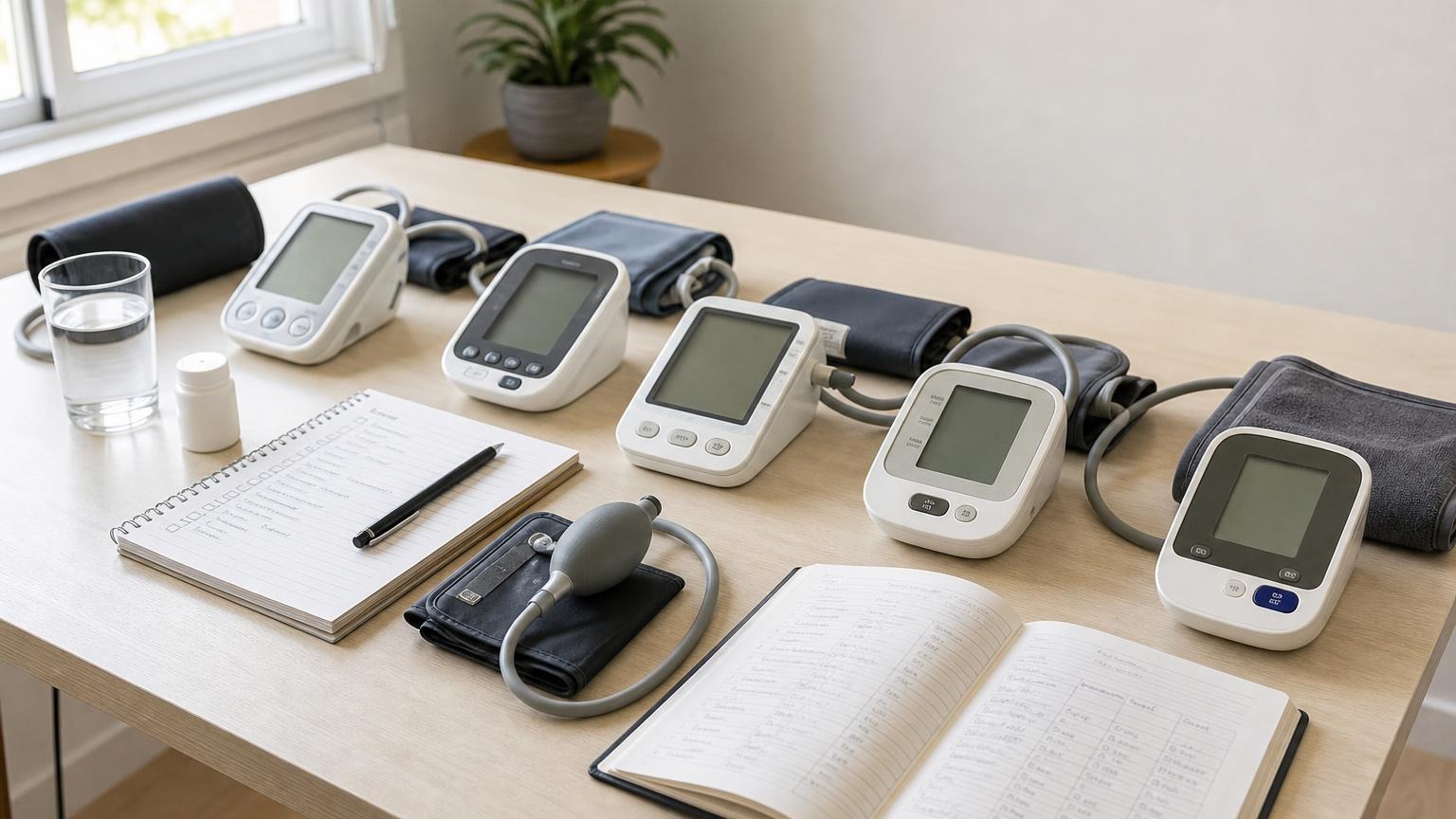
A monitor with memory or an easy log can help, but the routine matters more than the feature list. A basic monitor used consistently is usually more useful than a premium monitor used randomly.
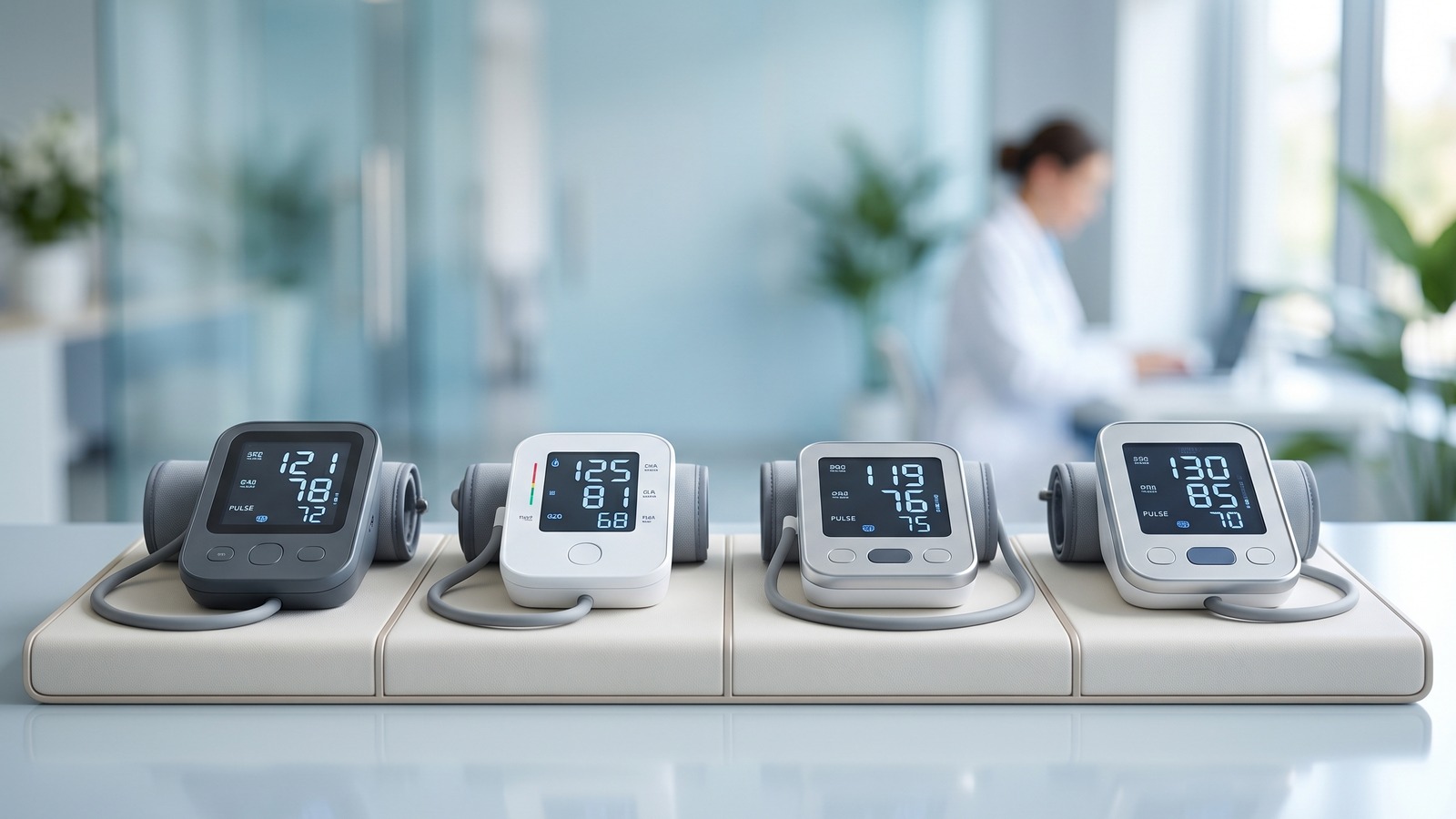
If your current setup makes repeat readings hard to organize, compare home monitors designed for easier everyday tracking:
FAQ
Is 5 minutes enough rest before blood pressure?
For routine home readings, 5 minutes of quiet seated rest is a reasonable default. If you just exercised, rushed, drank coffee, smoked, ate a large meal, or felt acutely stressed, you may need longer before the reading reflects your usual resting condition.
Can I take blood pressure as soon as I sit down?
You can, but the result may be less useful for a routine log. A reading taken immediately after sitting may capture recent movement, posture changes, or stress. If you forgot to wait, stay seated quietly and repeat the reading after 5 minutes.
Should I rest between repeated blood pressure readings?
Yes. Wait about one minute between repeated readings, and keep the same position. Do not stand up, pace, check your phone, or keep adjusting the cuff unless the setup was clearly wrong.
What should I do if my reading is still high after resting?
Record the number and context. If readings are repeatedly high after proper rest and technique, contact a qualified clinician for guidance. Seek urgent care if a very high reading comes with concerning symptoms such as chest pain, shortness of breath, fainting, confusion, sudden weakness, sudden vision changes, or a severe unusual headache.
Bottom line
Rest quietly for 5 minutes before taking blood pressure at home. Keep your posture, cuff placement, arm support, and timing as consistent as possible, then repeat the reading if the first number seems rushed or out of character. A boring, repeatable setup produces a more useful log than a single dramatic number.
This article is educational and not medical advice. Consult a qualified clinician before making treatment decisions or interpreting symptoms from home readings.
Top 5 picks
Best Blood Pressure Monitors For Seniors 2026
Five upper-arm monitors ranked with published scorecards—setup friction, comfort, readability, power convenience, and repeatable accuracy—so you can compare models before you buy.
See our Top 5 blood pressure monitor picksHome-monitoring advice is only useful if it is easy to verify and act on correctly.
We write explainers to be understandable to readers, search engines, and AI answer systems.
Compare our Top 5 blood pressure monitor picks for 2026, then track readings over time with consistent technique.