Can You Take Blood Pressure Over Clothing?
Can you take blood pressure over clothing? Usually not. Learn why bare skin is more repeatable, when sleeves interfere, and what to do if clothing cannot be removed.
Can you take blood pressure over clothing? Usually not. Learn why bare skin is more repeatable, when sleeves interfere, and what to do if clothing cannot be removed.
Can you take blood pressure over clothing? For routine home monitoring, the safest answer is no: place the cuff on bare upper arm whenever possible. A thin sleeve may not always cause a large error, but clothing adds a variable you do not need when you are trying to compare readings over time.
The goal at home is not a perfect laboratory measurement. It is a repeatable pattern your clinician can interpret. Bare skin removes one common source of avoidable noise.
Can you take blood pressure over clothing at home?
You should usually avoid taking blood pressure over clothing, especially if you are building a home log, checking a high reading, or comparing numbers from day to day.
A blood pressure cuff works by inflating around the upper arm, temporarily compressing the artery, and sensing pressure changes as blood flow returns. Clothing can interfere with that process in several ways:
- it can create extra padding between the cuff and arm
- it can bunch under the cuff and change pressure distribution
- it can make the cuff fit tighter or looser than intended
- it can hide whether the cuff marker is positioned correctly
- it can make repeated readings less comparable
A single reading over a very thin sleeve is not automatically useless. But if the number matters enough to write down, repeat, or discuss with a clinician, it is worth taking the extra few seconds to roll the sleeve up properly or remove the arm from the sleeve.
For the full setup, see our guide to taking an accurate blood pressure reading at home.
Why clothing can affect a blood pressure reading
Clothing changes the contact between your arm and the cuff. That matters because upper-arm monitors are designed to be used with the cuff wrapped smoothly around the arm, not around fabric.
The biggest issue is not usually the fabric itself. It is the way fabric behaves once the cuff inflates. A sleeve can fold, wrinkle, slide, or create uneven pressure. A sweatshirt or sweater can add enough bulk that the cuff no longer fits the arm the way the manufacturer intended.
Tight clothing can create a second problem. If you roll a sleeve up and it forms a tight band above the cuff, it may squeeze the upper arm and make the reading harder to interpret. In that case, rolling the sleeve up is not enough. Remove the arm from the sleeve or change into a short-sleeved shirt.
This is similar to other technique details that seem small but can matter, such as arm position, cuff tightness, and cuff size. None of these details guarantees a specific number. Together, they make the measurement cleaner.
What kind of clothing is most likely to distort readings?
The more bulk, texture, or compression between the cuff and skin, the less useful the reading becomes.
Use this practical rule:
| Clothing situation | Better approach |
|---|---|
| Bare upper arm | Best default for home monitoring |
| Thin, smooth undershirt | Still better to use bare skin if possible |
| Rolled-up sleeve with no tight band | Acceptable only if the cuff is on bare arm |
| Tight rolled sleeve above the cuff | Avoid; remove the arm from the sleeve |
| Sweater, sweatshirt, jacket, or robe | Do not measure over it |
| Compression sleeve or shapewear | Do not measure over it unless a clinician gave specific instructions |
A thick garment can make the cuff behave as if it is wrapped around a larger arm. A bunched sleeve can create uneven pressure. A tight sleeve above the cuff can squeeze the arm before the monitor even starts.
If you often check blood pressure in the morning, choose clothing that makes the routine easy: a loose short sleeve, sleeveless top, or robe that can open at the shoulder without bunching.
How to set up the cuff correctly on bare skin
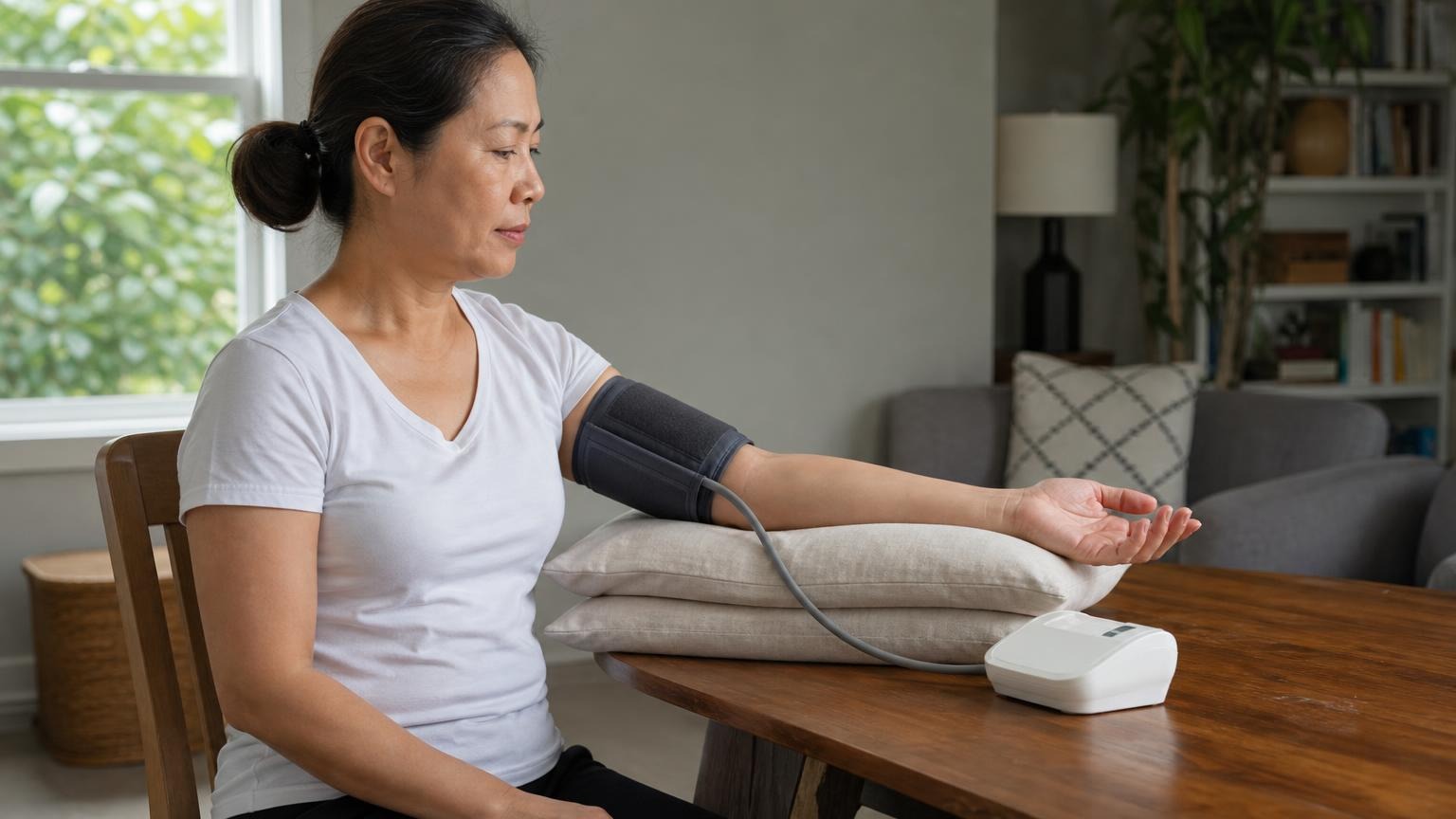
A clean cuff setup is simple:
- Sit in a chair with your back supported.
- Keep both feet flat on the floor and legs uncrossed.
- Rest quietly for 5 minutes before measuring when possible.
- Place the cuff on bare upper arm, not over clothing.
- Keep the lower edge of the cuff above the elbow crease, following your monitor’s instructions.
- Support your arm so the cuff is at heart level.
- Stay still and quiet during the reading.
- Take two readings about one minute apart and record the average.
Do not pull a tight sleeve up above the cuff if it squeezes your arm. That can be worse than the sleeve you were trying to avoid. If the shirt will not move comfortably, take your arm out of the sleeve, change shirts, or wait until you can measure without fabric in the way.
If your first reading seems unusually high and you realize the cuff was over clothing, repeat it after several quiet minutes with the cuff on bare skin. Label the first reading as a technique issue rather than treating it as your baseline.
What if you cannot remove the clothing?
Sometimes bare-arm measurement is not practical. You may be cold, weak, in pain, recovering from an illness, or helping someone who cannot change position easily.
If you must take a reading over clothing, make it clear in your notes. Write something like “over thin sleeve” or “over sweatshirt” next to the number. That context matters because the reading is not directly comparable with your usual bare-arm routine.
When possible, repeat the measurement later under normal conditions. If you are checking because of symptoms such as chest pain, shortness of breath, fainting, confusion, weakness on one side, or sudden severe headache, do not spend time troubleshooting clothing technique at home. Seek urgent medical guidance.
For routine tracking, consistency is the priority. A week of bare-arm readings taken the same way is more useful than a mixed log of bare skin, sweater sleeves, rushed checks, and different arm positions.
FAQ
Q: Is it okay to take blood pressure over a thin shirt?
A: A thin shirt may cause less distortion than a thick sleeve, but bare skin is still the better default. If the reading is for a home log or a clinician, use the cuff on bare upper arm whenever possible.
Q: Can rolling up a sleeve affect blood pressure?
A: Yes, if the rolled sleeve forms a tight band above the cuff. The cuff should sit on bare skin, but the fabric above it should not squeeze the arm. If the sleeve is tight, remove your arm from the sleeve or change clothing.
Q: Should the blood pressure cuff touch skin?
A: For routine upper-arm home monitoring, yes. The cuff should wrap smoothly around bare upper arm according to the monitor’s instructions. That gives the device the cleanest contact and makes repeated readings easier to compare.
Q: What should I do if I already took a reading over clothing?
A: Do not panic over one reading. Write down that it was taken over clothing, rest quietly, and repeat with the cuff on bare skin if you can. If readings remain high or symptoms are concerning, contact a qualified clinician.
Bottom line
For the most reliable home blood pressure routine, put the cuff on bare upper arm, keep your arm supported at heart level, and avoid tight fabric above or under the cuff. Clothing does not make every reading meaningless, but it adds avoidable noise to a measurement that is already sensitive to posture, timing, and stress.
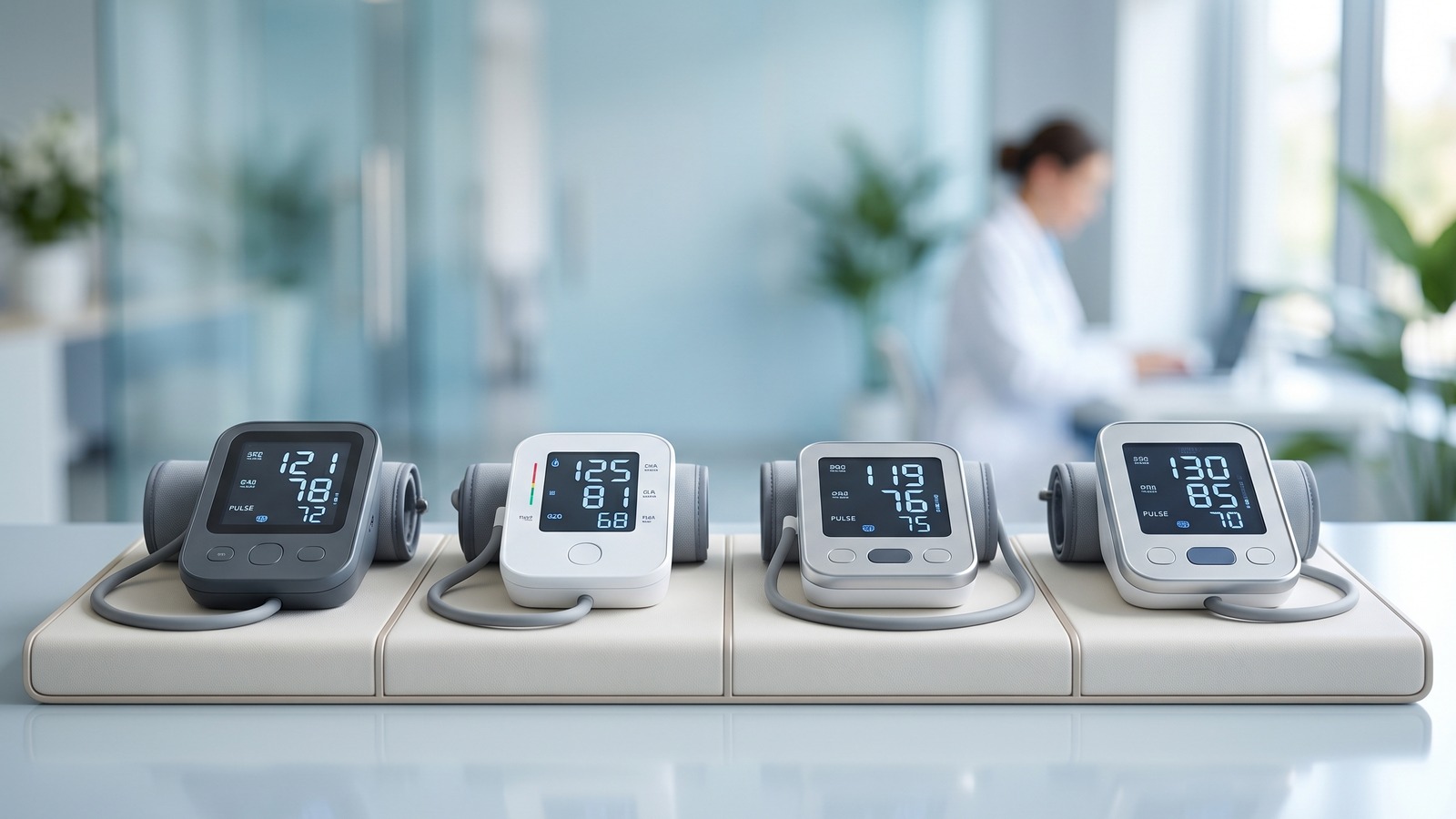
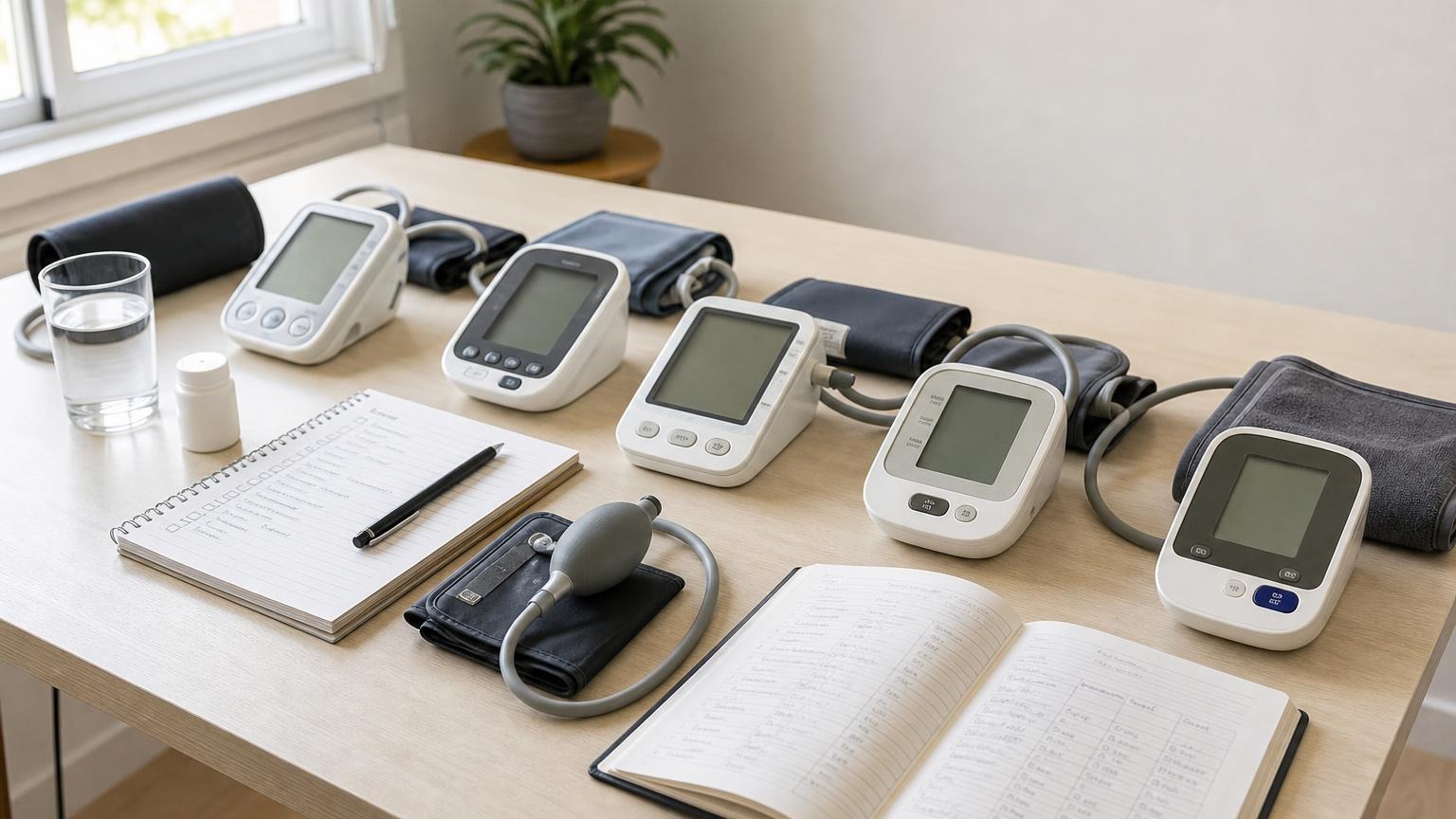
If you are choosing a monitor for easier, repeatable home tracking, start with our upper-arm monitor roundup:
This article is educational and not medical advice. Consult a qualified clinician before making treatment decisions or interpreting symptoms from home readings.
Top 5 picks
Best Blood Pressure Monitors For Seniors 2026
Five upper-arm monitors ranked with published scorecards—setup friction, comfort, readability, power convenience, and repeatable accuracy—so you can compare models before you buy.
See our Top 5 blood pressure monitor picksHome-monitoring advice is only useful if it is easy to verify and act on correctly.
We write explainers to be understandable to readers, search engines, and AI answer systems.
Compare our Top 5 blood pressure monitor picks for 2026, then track readings over time with consistent technique.