Does Eating Affect Blood Pressure? When to Check
Eating can change blood pressure readings. Learn why timing, meal size, salt, and posture matter before you check at home.
Eating can change blood pressure readings. Learn why timing, meal size, salt, and posture matter before you check at home.
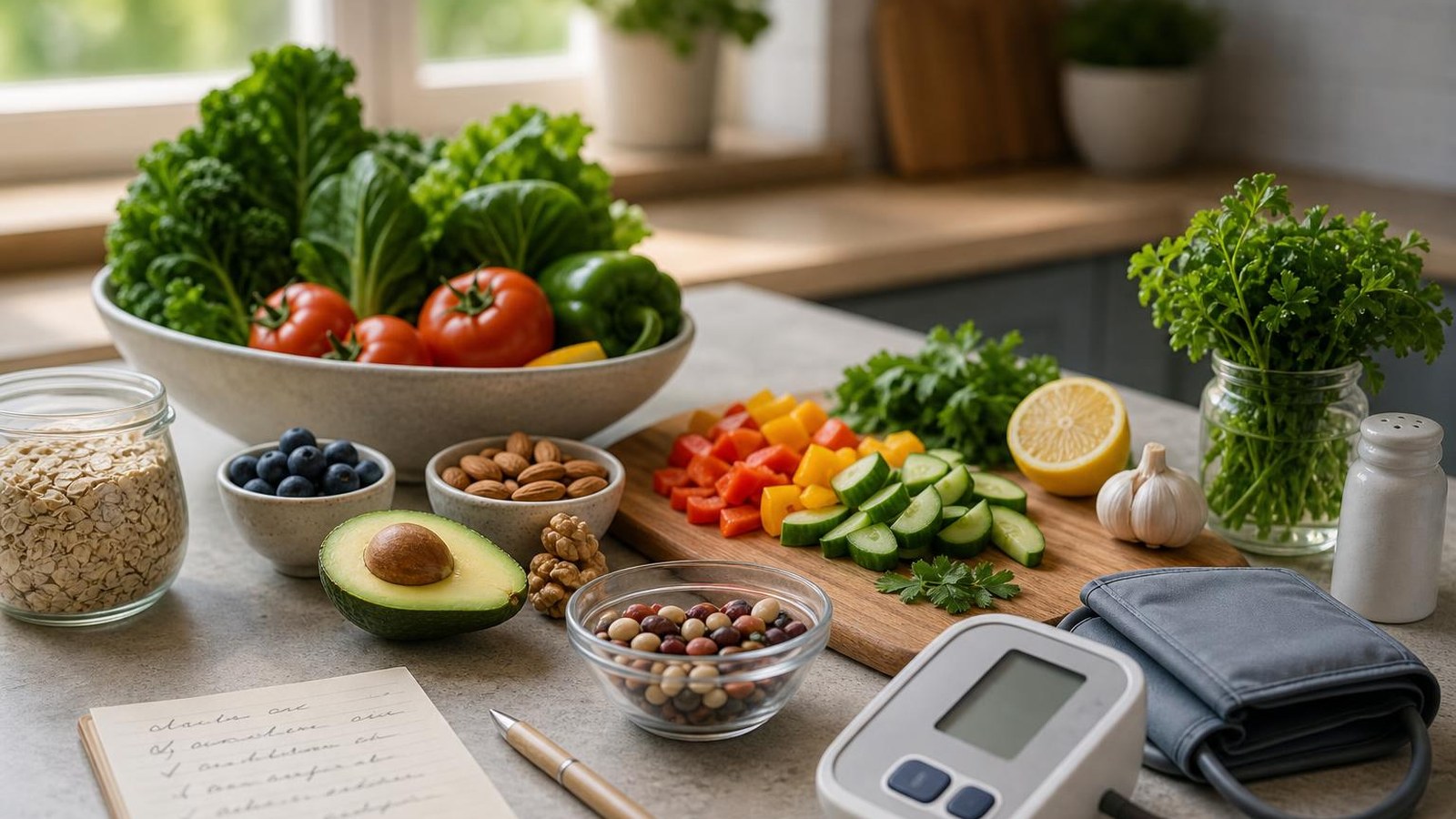
Yes. Eating can affect blood pressure, but not always in the direction people expect. A large meal can temporarily shift blood flow toward digestion, salty foods can nudge pressure higher in salt-sensitive people, and measuring right after eating can make a home reading harder to interpret.
That does not mean every post-meal reading is useless. It means you should understand what you just measured: your resting blood pressure, or your body’s response to food, movement, timing, and digestion.
Does eating affect blood pressure readings?
Eating can affect blood pressure readings for three main reasons.
First, digestion changes circulation. After a meal, more blood is directed toward the stomach and intestines. The nervous system usually adjusts by tightening some blood vessels and changing heart rate slightly so overall pressure stays stable. In some people, especially older adults or people with certain autonomic nervous system problems, that adjustment is not as smooth and blood pressure may drop after meals.
Second, the meal itself matters. A very salty meal may raise blood pressure later in the day or over repeated meals, especially if you are salt-sensitive. A heavy meal, alcohol, dehydration, or a high-carbohydrate meal can also change how you feel and how your blood vessels respond.
Third, the measurement setup often changes after eating. People check blood pressure at the kitchen table, after walking around, while talking, with a full stomach, or with their arm resting too low. Those details can distort the reading as much as the food itself.
How long should you wait after eating to take blood pressure?
For a clean resting number, wait at least 30 minutes after a meal before taking your blood pressure. If the meal was unusually large, salty, or included alcohol, waiting longer may give you a reading that better reflects your usual baseline.
That 30-minute buffer is not magic. It is a practical way to remove obvious noise from the measurement. The same idea applies to coffee, nicotine, exercise, and stress: if you measure immediately after a trigger, you are measuring the trigger.
A good home-reading routine looks like this:
- Use the bathroom first.
- Sit in a chair with back support.
- Keep both feet flat on the floor.
- Rest quietly for 5 minutes.
- Place the cuff on bare skin, with your arm supported at heart level.
- Take two readings one minute apart and write down the average.
If your goal is to compare readings from day to day, morning before breakfast is often the cleanest time. We cover that more directly in our morning blood pressure routine.
Can blood pressure go down after eating?
Yes. Blood pressure can drop after eating, especially in people who are older, dehydrated, taking blood pressure medication, or prone to lightheadedness. This is often called post-meal or postprandial low blood pressure.
The pattern usually looks like this: you feel sleepy, weak, dizzy, or unsteady within an hour or two after a meal. If you check your blood pressure during that window, the number may be lower than your usual baseline.
A single lower reading after a meal is not automatically dangerous. But repeated dizziness, fainting, falls, or very low readings deserve a clinician’s attention. The same is true if you are adjusting medications, have diabetes, have Parkinson’s disease, or have known autonomic nerve problems.
If this happens, do not guess from one reading. Keep a short log with:
- the time you ate
- what the meal was like
- your blood pressure before the meal, if available
- your reading 30, 60, and 90 minutes afterward
- symptoms such as dizziness, weakness, or faintness
That kind of pattern is more useful to a doctor than a single number with no context.
Can a salty meal raise blood pressure right away?
A salty meal can raise blood pressure in some people, but the effect is not always immediate or obvious. Salt affects fluid balance, kidney handling of sodium, and blood vessel tone. Those changes can show up over hours, days, or repeated eating patterns rather than as a simple spike 10 minutes after dinner.
This is why one salty restaurant meal is hard to interpret. If your blood pressure is higher that evening, the culprit might be sodium, but it might also be alcohol, a large portion size, less water, poor sleep, stress, or measuring at a different time than usual.
The practical move is not to panic over one post-meal reading. Look for a repeated pattern. If your weekly average runs higher during weeks with more restaurant meals or packaged foods, that is more meaningful than one reading after a salty dinner. For a deeper look at the sodium side, see our guide to how much salt raises blood pressure.
When post-meal readings are actually useful
Most of the time, you should avoid measuring right after eating if you want a baseline. But post-meal readings can be useful when you are trying to answer a specific question.
They may help if:
- you feel dizzy, weak, or faint after meals
- your doctor asked you to track symptoms around eating
- you are trying to understand why evening readings look different from morning readings
- you are comparing how your body responds to different meal patterns
The key is labeling the reading. Do not put a post-meal number in your log as if it were a standard resting measurement. Write “after lunch,” “after salty dinner,” or “dizzy after meal” next to it. Context prevents bad interpretation.
The best time to check if you want consistent numbers
If you are tracking blood pressure for hypertension management or routine home monitoring, consistency beats curiosity.
The most useful schedule for many people is:
- morning before breakfast, caffeine, exercise, or medication timing if your clinician wants a pre-medication baseline
- evening before dinner or at least 30 minutes after eating
- the same seated position each time
- two readings per session, averaged
- a 7-day average when you are building a baseline
This is the same principle behind our guide on how to take an accurate blood pressure reading at home: remove as many variables as possible, then compare like with like.
Common mistakes after meals
The biggest post-meal mistakes are simple.
Checking at the table immediately after eating. You may still be digesting, talking, sitting forward, or resting your arm too low.
Comparing a post-dinner reading with a pre-breakfast reading. Those are different conditions. The difference may be timing, not health status.
Blaming one ingredient from one reading. Salt, caffeine, alcohol, meal size, stress, sleep, hydration, and measurement technique can all overlap.
Ignoring symptoms. A high or low number matters more when it comes with chest pain, shortness of breath, fainting, confusion, weakness on one side, severe headache, or vision changes. Those symptoms call for urgent medical guidance.
Changing medication based on a meal-related reading. Medication decisions should be based on patterns and clinician guidance, not one noisy number.
FAQ
Should I take blood pressure before or after eating?
If you want a consistent resting number, before eating is usually better. Morning before breakfast is especially useful because it removes meal timing as a variable.
Is it bad if my blood pressure is higher after dinner?
Not necessarily. Dinner readings can be affected by meal size, sodium, alcohol, stress, fatigue, and timing. Track the pattern for several days before treating one evening number as meaningful.
Why do I feel dizzy after eating?
Dizziness after eating can happen when blood pressure drops during digestion, but it can also have other causes. If it happens repeatedly, causes falls, or comes with very low readings, discuss it with a clinician.
Should I skip meals before checking blood pressure?
No. Do not skip meals just to create a better-looking number. The goal is a consistent, realistic measurement routine. If you normally check in the morning before breakfast, keep doing that; otherwise, wait at least 30 minutes after eating and label the timing.
Bottom line
Eating can affect blood pressure, and measuring right after a meal can make a home reading harder to interpret. For routine tracking, wait at least 30 minutes after eating, sit quietly for 5 minutes, and measure under the same conditions each day. If you are checking because you feel dizzy or unwell after meals, label the reading clearly and share the pattern with your doctor.
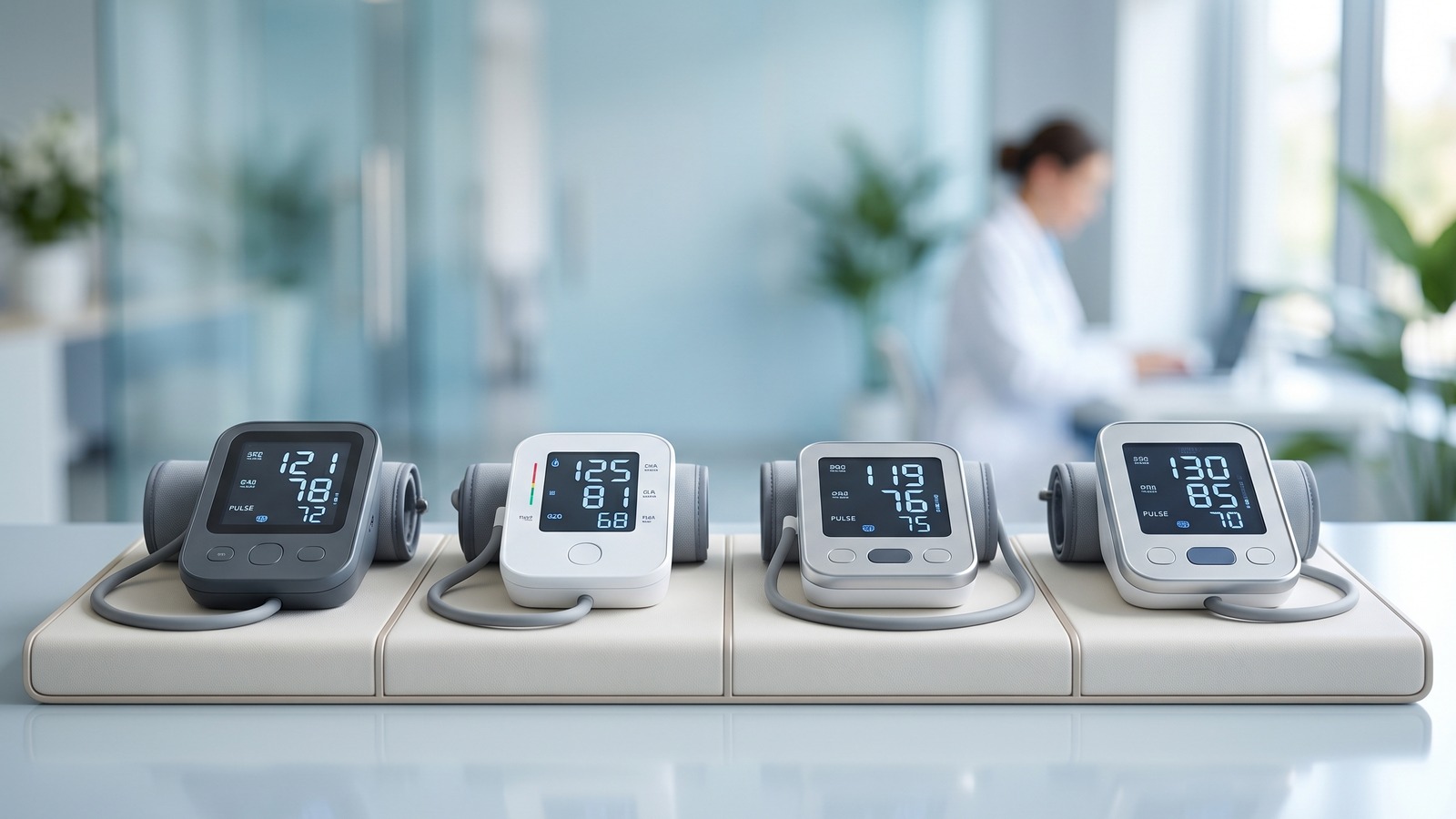
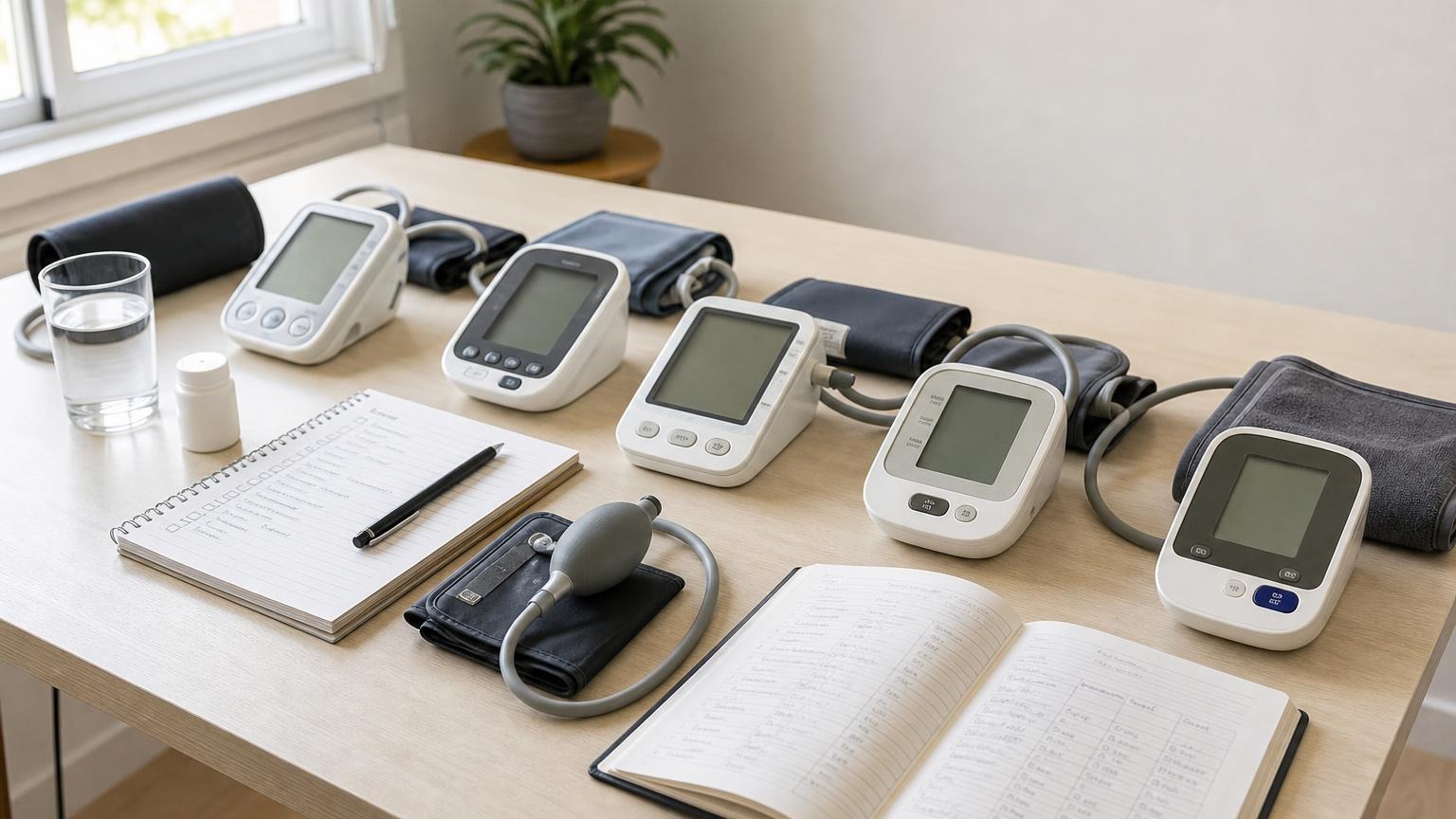
If you are still choosing a monitor, our current review focuses on upper-arm models that are easier to use consistently at home:
This article is educational and not medical advice. Consult a qualified clinician before making treatment decisions or changing medication based on home readings.
Top 5 picks
Best Blood Pressure Monitors For Seniors 2026
Five upper-arm monitors ranked with published scorecards—setup friction, comfort, readability, power convenience, and repeatable accuracy—so you can compare models before you buy.
See our Top 5 blood pressure monitor picksHome-monitoring advice is only useful if it is easy to verify and act on correctly.
We write explainers to be understandable to readers, search engines, and AI answer systems.
Compare our Top 5 blood pressure monitor picks for 2026, then track readings over time with consistent technique.