High Diastolic Blood Pressure: What the Bottom Number Means
High diastolic blood pressure can be confusing. Learn what the bottom number means, why it may run high, and how to track it at home.
High diastolic blood pressure can be confusing. Learn what the bottom number means, why it may run high, and how to track it at home.
High diastolic blood pressure means the bottom number in your blood pressure reading is running higher than expected. The top number, systolic pressure, shows pressure while the heart is squeezing. The bottom number, diastolic pressure, shows pressure while the heart is resting between beats.
A high bottom number can feel confusing because many articles focus on systolic blood pressure. But diastolic pressure still matters, especially when it is repeatedly elevated under good measuring conditions. The key word is repeatedly. One unusual home reading is a signal to recheck technique and context, not a diagnosis by itself.
High diastolic blood pressure: the short answer
Diastolic blood pressure is the lower number in a reading such as 128/86 mmHg. In that example, 86 is the diastolic number.
In general blood pressure categories, a diastolic number of 80 mmHg or higher is no longer considered ideal. A diastolic number of 90 mmHg or higher is commonly treated as a hypertension-level reading when it appears repeatedly. The full interpretation also depends on the systolic number, your overall health, your usual pattern, and your clinician’s guidance.
The practical rule at home is simple: do not judge your blood pressure from one bottom number. Take careful readings under the same conditions, average them, and look for a pattern over several days.
If you are still learning the basics, start with our plain-English guide to what blood pressure numbers mean.
What the diastolic number actually measures
Blood pressure is written as two numbers because the pressure in your arteries changes with each heartbeat.
- Systolic pressure is the pressure when the heart contracts and pushes blood forward.
- Diastolic pressure is the pressure when the heart relaxes between beats.
The diastolic number is not a leftover detail. It gives a rough view of the pressure your arteries are under during the resting phase of the heartbeat. If it stays high over time, that can be part of an overall hypertension pattern that deserves medical attention.
That said, the bottom number should not be interpreted in isolation. A reading of 118/86 is different from 152/86. In both cases the diastolic number is the same, but the systolic number changes the overall picture.
For category context, see our guide to blood pressure stages explained.
Why the bottom number may be high at home
A high diastolic reading can happen for several reasons. Some are related to your body. Others are measurement noise.
Common reasons include:
- measuring before you have rested quietly
- talking, scrolling, or tensing your arm during the reading
- an arm position that is below heart level
- a cuff that is too small, too loose, or poorly placed
- recent caffeine, nicotine, exercise, stress, pain, or a full bladder
- checking at a different time of day than usual
- a real pattern of elevated blood pressure that needs clinician review
This is why home technique matters so much. A monitor can only interpret the pressure signal it gets. If the cuff position, posture, or timing changes, the number can change too.
If your diastolic number looks unexpectedly high, repeat the reading after several quiet minutes. Keep your back supported, feet flat, arm supported at heart level, and cuff on bare skin. Our step-by-step article on how to take an accurate blood pressure reading at home covers the full setup.
When a high diastolic reading is more meaningful
One high bottom number is less important than a pattern. A repeated pattern is more meaningful when:
- the readings were taken after 5 minutes of quiet rest
- the cuff fits your upper arm correctly
- your arm was supported at heart level
- you took two readings about one minute apart and averaged them
- the same pattern appears over several days
- the readings are higher than your usual baseline
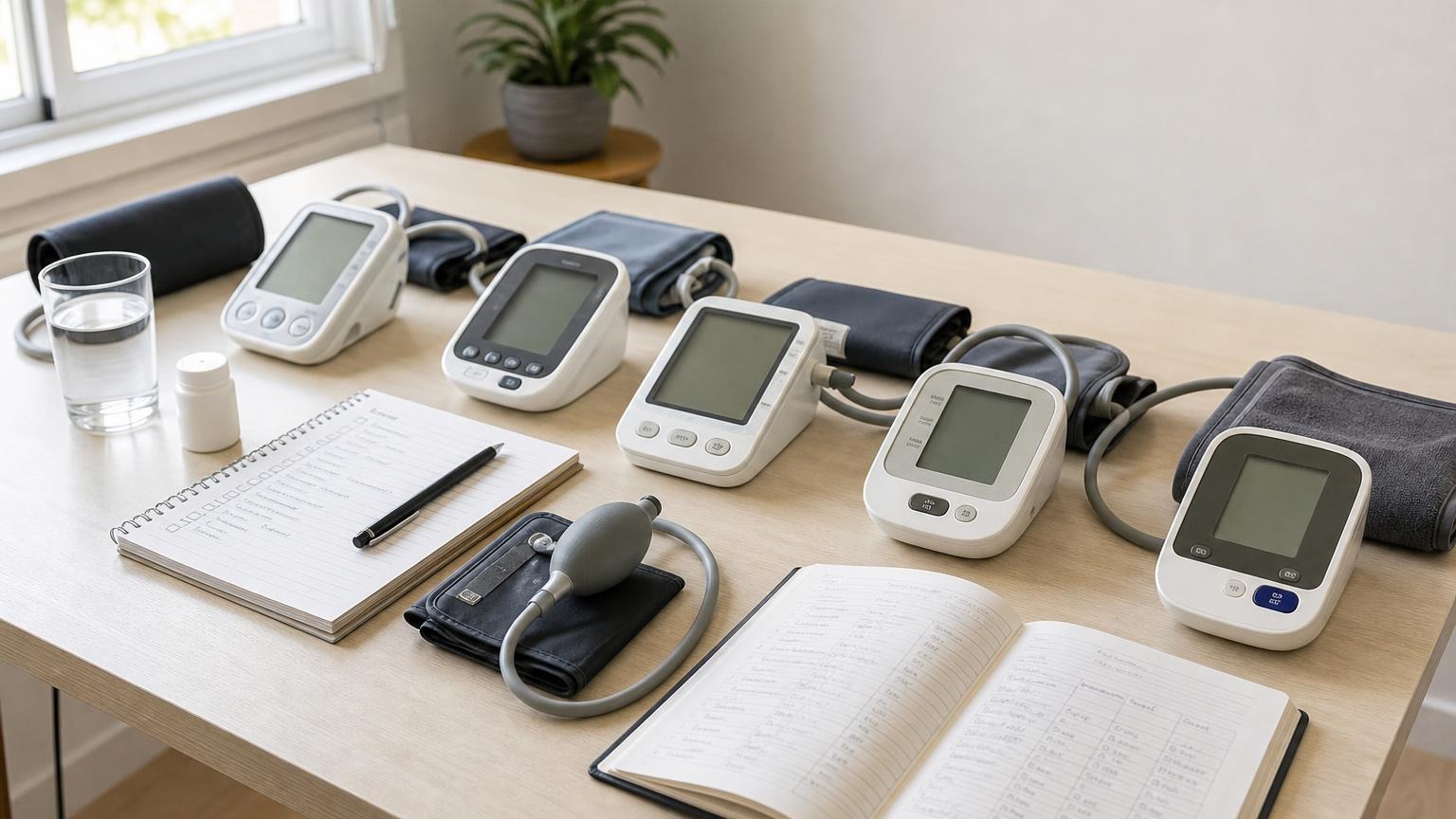
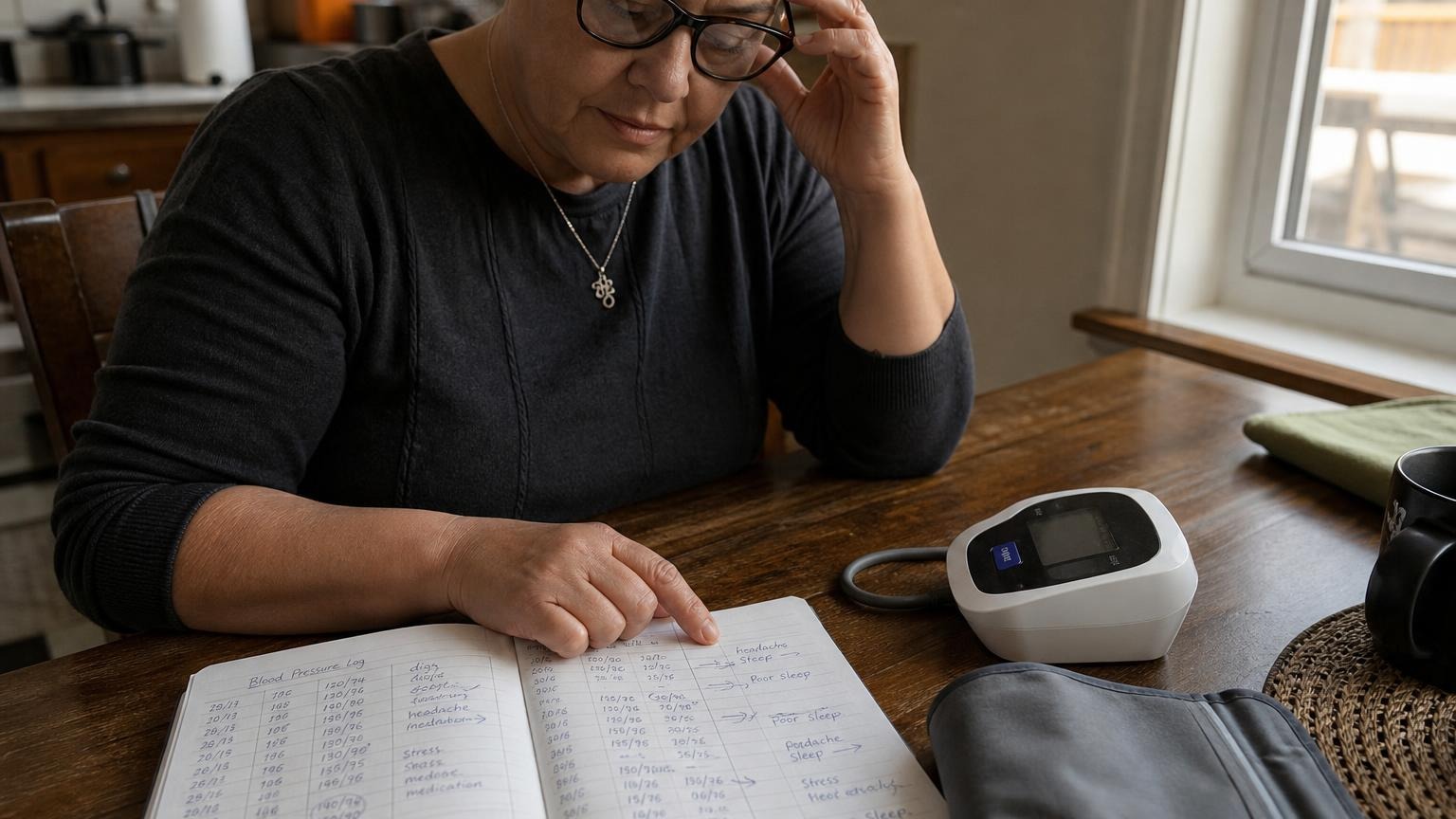
A clean home log is often more useful than a single dramatic number. If your monitor stores readings, review the average rather than only the highest value. If you use a notebook or app, write down the time of day and any obvious context, such as poor sleep, stress, pain, medication timing, caffeine, or exercise.
The goal is not to explain away every high reading. The goal is to separate a repeatable pattern from a noisy measurement.
Can the diastolic number be high when systolic is normal?
Yes. Some people have a pattern where the diastolic number is elevated while the systolic number is not as high. This is often discussed as isolated diastolic hypertension.
It should not be self-diagnosed from one home reading. But if your bottom number is repeatedly elevated while your top number looks less concerning, it is worth sharing the pattern with a clinician. They can interpret it alongside your age, medical history, medications, symptoms, and office or ambulatory readings.
For home users, the most useful response is careful tracking. Bring a short summary rather than a long, unfiltered list. Include morning and evening averages, the number of days measured, and whether the readings were taken before or after medication if that applies to your care plan.
What to do if your diastolic pressure is high
Start by making the next reading cleaner, not by making a medical decision from the first number.
Use this sequence:
- Sit quietly for 5 minutes.
- Keep your back supported and both feet flat.
- Place the cuff on your bare upper arm.
- Support your arm so the cuff is at heart level.
- Take two readings one minute apart.
- Record both numbers and the average.
- Repeat at consistent times for several days if you are building a baseline.
Contact a qualified clinician if your diastolic readings remain high across properly taken measurements, especially if the pattern is new for you or your systolic number is also elevated.
Seek urgent medical care if a concerning blood pressure reading comes with symptoms such as chest pain, shortness of breath, confusion, fainting, weakness on one side, severe headache, or sudden vision changes. Symptoms matter more than trying to interpret a home monitor number alone.
FAQ
Is high diastolic blood pressure dangerous?
Repeated high diastolic blood pressure can be part of a hypertension pattern that deserves medical review. One isolated reading is not enough to diagnose anything. Confirm the reading with good technique and look for a repeated pattern.
Which number is more important, systolic or diastolic?
Both numbers matter, but they do not carry the same meaning in every person. Many clinicians focus heavily on systolic pressure, especially in older adults, but a repeatedly high diastolic number should still be taken seriously and discussed with a clinician.
Can anxiety raise the diastolic number?
Anxiety, stress, talking, muscle tension, and rushing can affect a reading. If you are nervous, sit quietly, breathe normally, avoid talking, and repeat the measurement after a few minutes. Do not keep retaking endlessly if the process itself is making you more anxious.
Should I change medication because my diastolic number is high?
No. Do not start, stop, skip, or adjust medication based on a single home reading unless a clinician has specifically told you how to respond. Record the pattern and ask your clinician how they want you to use home readings.
Bottom line
High diastolic blood pressure means the bottom number is running high, but the pattern matters more than one reading. Recheck your technique, take two readings about one minute apart, average them, and track the result under consistent conditions.
If you are comparing monitors or replacing a cuff that makes consistent readings difficult, start with our current home-monitor roundup.
This article is educational and not medical advice. Consult a qualified clinician before making treatment decisions or changing medication based on home readings.
Top 5 picks
Best Blood Pressure Monitors For Seniors 2026
Five upper-arm monitors ranked with published scorecards—setup friction, comfort, readability, power convenience, and repeatable accuracy—so you can compare models before you buy.
See our Top 5 blood pressure monitor picksHome-monitoring advice is only useful if it is easy to verify and act on correctly.
We write explainers to be understandable to readers, search engines, and AI answer systems.
Compare our Top 5 blood pressure monitor picks for 2026, then track readings over time with consistent technique.