How to Travel With a Blood Pressure Monitor
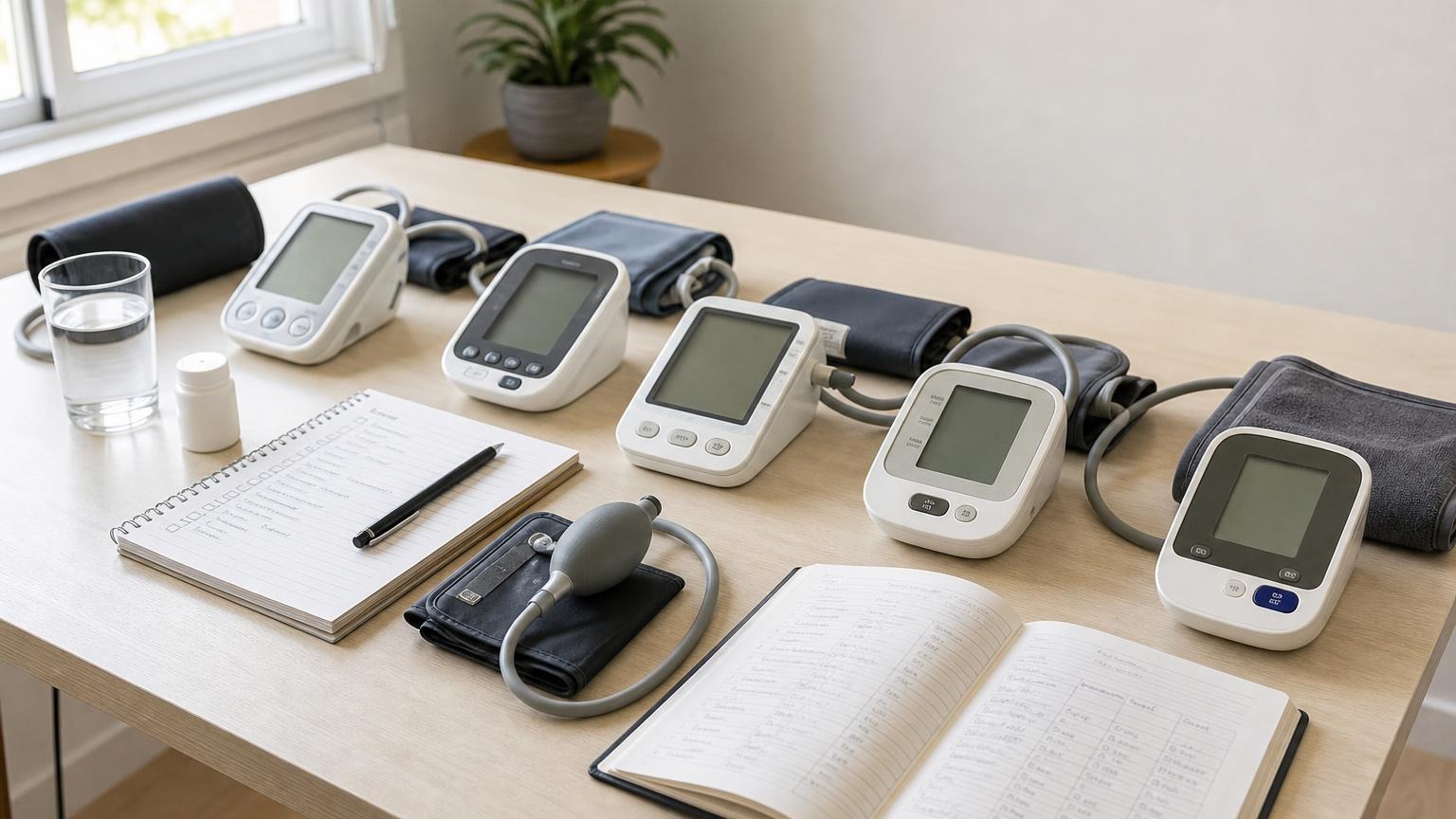
Traveling with a blood pressure monitor is manageable if you pack the cuff safely, keep your routine consistent, and label unusual readings.
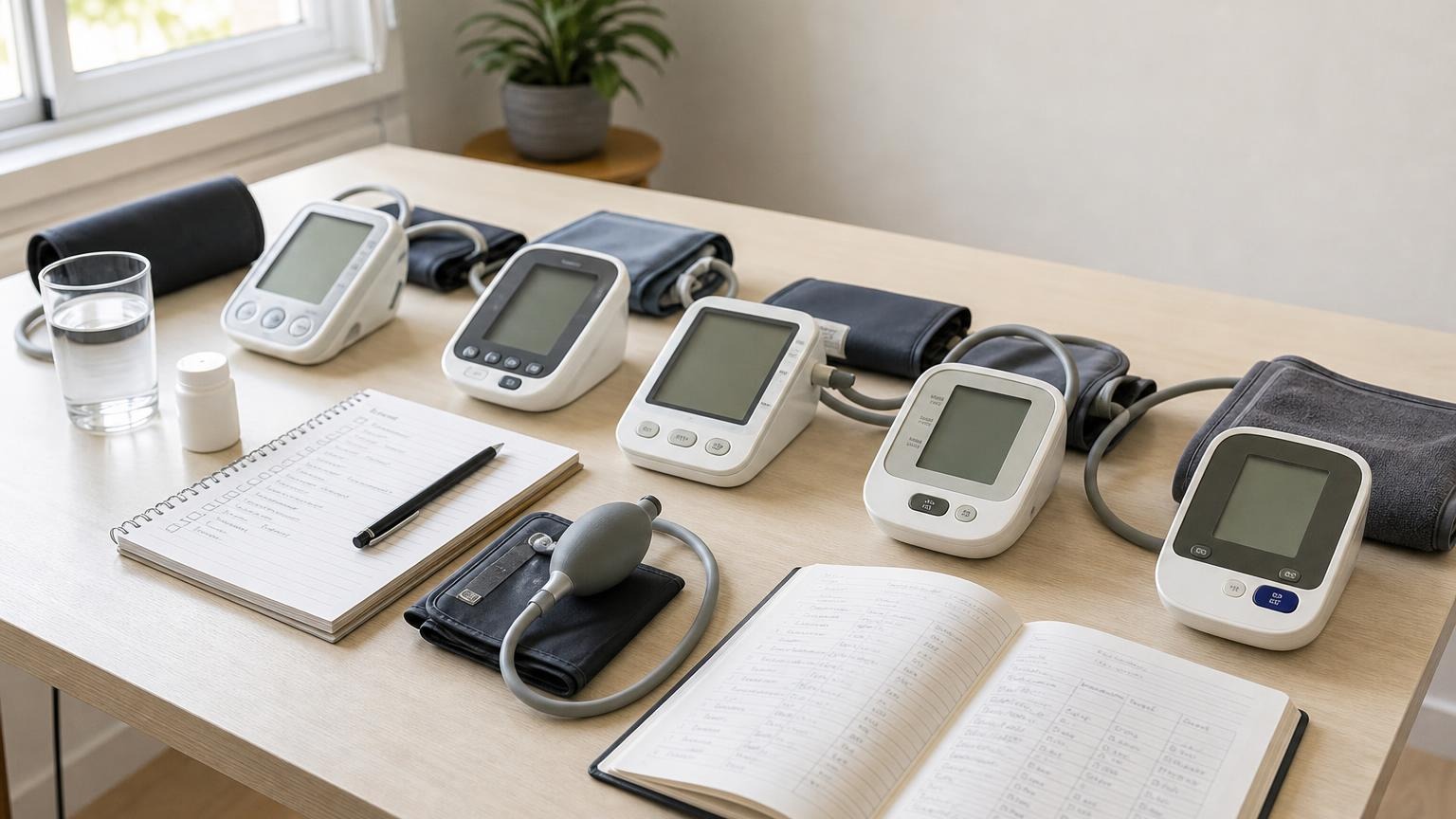
Traveling with a blood pressure monitor is manageable if you pack the cuff safely, keep your routine consistent, and label unusual readings.
Knowing how to travel with a blood pressure monitor matters if your home readings are part of a routine, medication follow-up, or clinician-reviewed log. Travel changes the details around the reading: sleep, salt, stress, time zones, meals, walking, heat, and schedule. The monitor can still be useful, but the goal is not to recreate a perfect clinic setup in an airport or hotel room.
The practical goal is simpler: pack the monitor so it still works, use the most repeatable setup you can, and label travel readings clearly so they are not mixed with your normal home baseline without context.
How to travel with a blood pressure monitor safely
For most people, the safest way to travel with a blood pressure monitor is to keep the monitor, cuff, tubing, batteries, charger, and log together in a protective pouch or a dedicated section of your bag. Do not crush the cuff under heavy items, sharply bend the tubing, or leave the device in a hot car or direct sun for long periods.
Before you leave, check four things:
- Cuff and tubing. Look for cracks, twists, loose connectors, or Velcro that no longer grips well.
- Power. Pack fresh batteries or the correct charging cable if your monitor uses one.
- Cuff range. Make sure the cuff is the one you normally use and that it still fits your upper arm.
- Log method. Bring your paper log, app, or a simple notes file so travel readings have context.
If your monitor has a hard case, use it. If it does not, a soft pouch is still better than letting the cuff, hose, and screen move around loosely with toiletries, shoes, or chargers.
Should a blood pressure monitor go in carry-on or checked luggage?
If you are flying, carry-on is usually the cleaner choice. A home blood pressure monitor is small, easy to keep with you, and less likely to be lost, crushed, or exposed to temperature swings than it would be in checked luggage.
Keep the device in a place where you can remove it if airport screening staff ask what it is. You do not need to make a medical claim about the monitor. It is simply a home health device with a cuff, tubing, and an electronic unit.
If you use the monitor as part of a clinician-recommended tracking plan, it is reasonable to keep it accessible during the trip. That does not mean you need to measure in the middle of a stressful travel day unless your clinician specifically told you to. Random readings taken while rushed, dehydrated, sleep-deprived, or anxious are often harder to interpret.
How travel can change blood pressure readings
A travel reading may be real, but it may not represent your usual baseline. The number can shift because the day around it changed.
Common travel factors include:
- poor sleep before an early flight
- more restaurant meals or salty food than usual
- dehydration during a long travel day
- alcohol, caffeine, or disrupted meal timing
- walking long distances through airports or stations
- stress, pain, or rushing
- heat, cold, or altitude changes
- different medication timing because of time zones or schedule disruption
That is why context matters. If your reading is higher in a hotel room after a late dinner, a short night, and a long walk with luggage, record that information. Do not quietly treat it as the same kind of data as your usual calm morning reading at home.
For more on timing, see our guide to the best time of day to check blood pressure. If your numbers jump around during the trip, our explainer on why blood pressure readings change every time can help separate normal variation from a pattern worth discussing.
A simple hotel-room setup for blood pressure readings
Use the most boring setup you can find. A chair and table in a hotel room usually work better than sitting on a soft bed with your arm in your lap.
Try this routine:
- Put the monitor on a stable table.
- Sit in a chair with your back supported.
- Keep both feet flat on the floor and legs uncrossed.
- Place the cuff on bare upper arm, not over clothing.
- Support your forearm so the cuff is near heart level.
- Rest quietly for 5 minutes before starting.
- Take two readings about one minute apart if that is your usual routine.
- Record the time, arm used, and travel context.
If the chair or table height is awkward, use a folded towel or pillow under your forearm rather than holding the arm in midair. If your only option is the bed, sit upright, support your back with pillows, support the arm, and note that the setup was different.
For the full baseline routine, use our guide to taking an accurate blood pressure reading at home. The same principles apply when traveling, even if the setup is less perfect.
What to write in your travel blood pressure log
A travel log does not need to be complicated. The point is to avoid stripping away useful context.
A helpful entry might include:
| What to record | Example |
|---|---|
| Date and local time | June 28, 8:10 a.m. |
| Reading | 132/82, pulse 76 |
| Location/setup | Hotel chair, left arm, arm on desk |
| Travel context | Slept poorly, late dinner, no caffeine yet |
| Medication timing, if relevant | Before usual morning dose, per normal routine |
Do not change, skip, or retime medication based on a travel reading unless your clinician gave you a specific plan. If travel disrupts when you normally take medication or measure, record what happened and ask your clinician how they want you to handle future trips.
A simple paper or digital log can be easier than relying on the monitor memory alone, because most monitor memories do not capture sleep, meals, stress, time zone changes, or whether the reading was taken on a hotel bed.
When to skip a travel reading or label it as unusual
Sometimes the best choice is not another reading. If you have just carried luggage upstairs, rushed through security, argued on the phone, taken a hot shower, or walked in from very cold weather, wait until your body settles unless you have been told to measure immediately.
Label the reading as unusual if:
- you could not rest quietly first
- the cuff was not on bare upper arm
- your arm was not supported near heart level
- you measured right after exertion, caffeine, alcohol, a large meal, or a hot shower
- you were in pain, anxious, dizzy, or short of breath
- the reading was taken at a very different time than your normal routine
If a high reading repeats under calm conditions, follow the plan your clinician gave you. Seek urgent medical help if a very high reading comes with concerning symptoms such as chest pain, shortness of breath, fainting, confusion, sudden weakness on one side, sudden vision changes, or a severe unusual headache.
FAQ
Can I bring a blood pressure monitor on a plane?
Yes. A home blood pressure monitor is generally small enough to pack in carry-on luggage. Keep the monitor, cuff, tubing, batteries or charger, and log together so the device is protected and easy to identify if screening staff ask about it.
Should I check my blood pressure on a travel day?
Only if it fits your monitoring plan or you have a specific reason to check. A rushed travel-day reading can be harder to interpret. If you do measure, rest first when possible and label the context in your log.
Will flying raise my blood pressure?
Flying itself does not affect everyone the same way, but the travel day around it can. Poor sleep, stress, caffeine, dehydration, walking long distances, salty meals, and schedule changes can all influence a reading.
Can I use a wrist monitor when traveling instead of an upper-arm cuff?
A wrist monitor may be more compact, but it is more position-sensitive. If you use one, follow the instructions carefully, keep the wrist at heart level, and do not mix wrist readings with upper-arm readings as if they were identical.
Bottom line
Traveling with a blood pressure monitor is mostly about protecting the device and protecting the meaning of the data. Pack the cuff and monitor carefully, use a stable seated setup when you can, avoid measuring immediately after obvious travel stressors, and label travel readings separately from your normal home baseline.
If travel readings repeatedly look unusual, bring the numbers and context to a qualified clinician rather than changing medication or your monitoring routine on your own.
This article is educational and not medical advice. Consult a qualified clinician before making treatment decisions or changing medication based on home blood pressure readings.
Top 5 picks
Best Blood Pressure Monitors For Seniors 2026
Five upper-arm monitors ranked with published scorecards—setup friction, comfort, readability, power convenience, and repeatable accuracy—so you can compare models before you buy.
See our Top 5 blood pressure monitor picksHome-monitoring advice is only useful if it is easy to verify and act on correctly.
We write explainers to be understandable to readers, search engines, and AI answer systems.
Compare our Top 5 blood pressure monitor picks for 2026, then track readings over time with consistent technique.