What Does Average Mean on a Blood Pressure Monitor?
Learn what the average reading on a blood pressure monitor means, why it can differ by device, and how to use it without overreading one number.
Learn what the average reading on a blood pressure monitor means, why it can differ by device, and how to use it without overreading one number.
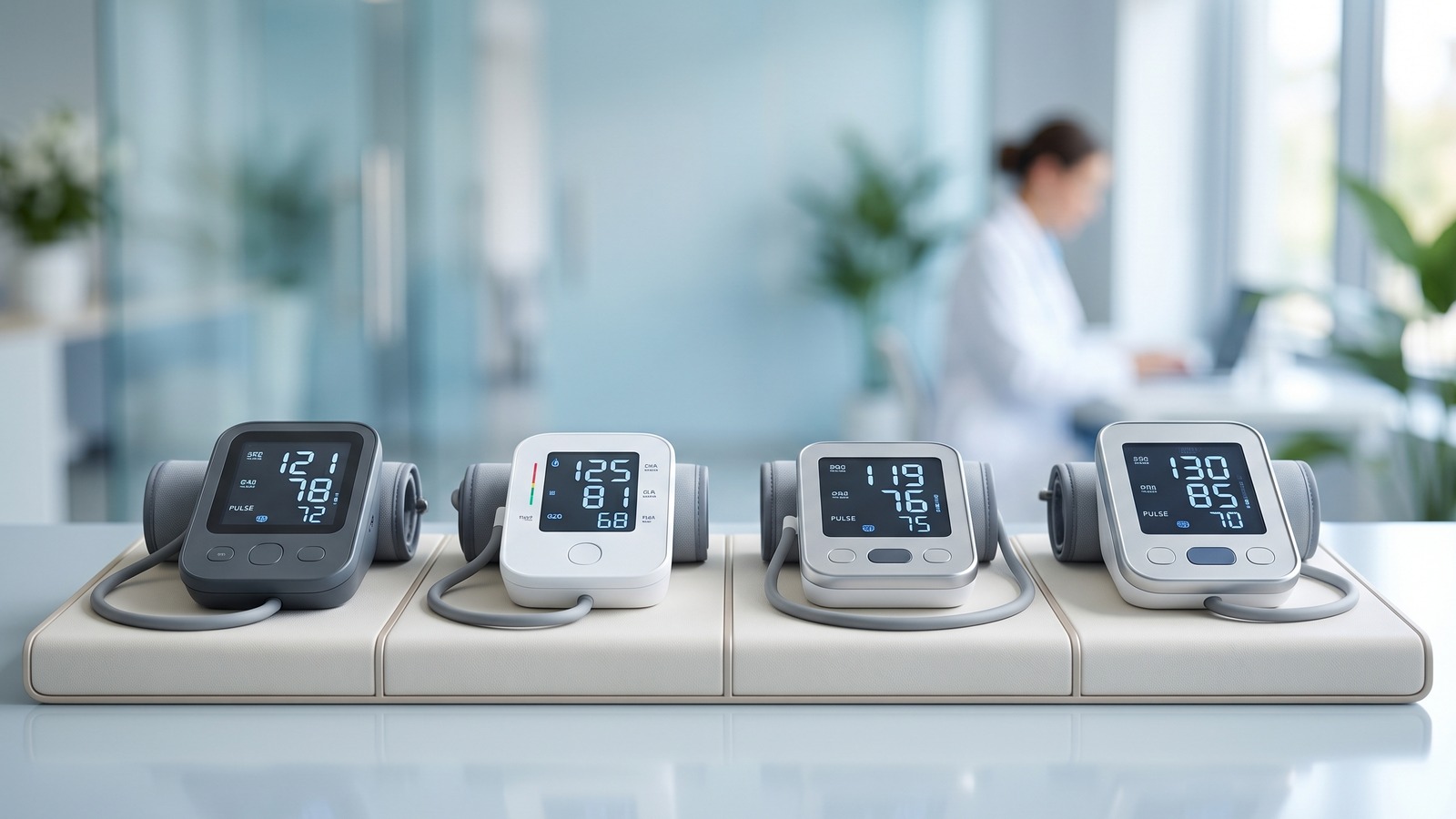
The average reading on a blood pressure monitor is usually a summary of more than one measurement. Depending on the model, it may average the last two or three readings, all readings stored in memory, or a specific morning or evening group.
That sounds simple, but it is easy to misread. An average can make home blood pressure tracking more useful because it smooths out normal variation. It can also be misleading if you do not know which readings the monitor included.
The practical rule: treat the average as a trend clue, not a diagnosis by itself.
What does average mean on a blood pressure monitor?
On most home monitors, “average” means the device has combined several saved blood pressure readings into one systolic number, one diastolic number, and sometimes one pulse value.
For example, if you take three readings a minute or two apart, the monitor may display an average that represents the set instead of asking you to choose one reading. Other monitors average readings over a longer memory window, such as all saved readings for one user.
The exact calculation varies by brand and model. Some monitors average:
- the last two or three readings from the same session
- all readings saved under a user profile
- morning readings only
- evening readings only
- readings taken over a set number of days
That is why the user manual matters. The word “average” is helpful, but it is not a universal feature with one identical meaning across every monitor.
Why an average reading is often more useful than one reading
Blood pressure changes from minute to minute. Talking, posture, stress, recent movement, a full bladder, caffeine, temperature, and cuff position can all move a reading.
That is why a single home reading can feel more dramatic than it really is. One number may be higher because you rushed into the chair. Another may be lower because you finally relaxed on the second try.
An average helps reduce some of that noise. It gives you a steadier view of the pattern, especially when the readings were taken with the same routine and the same arm position.
This is the same reason many home-monitoring routines use repeated readings rather than one isolated measurement. If your numbers vary a lot from reading to reading, see our guide to why blood pressure readings change every time before assuming the monitor is wrong.
Session average vs memory average
The most important distinction is whether your monitor is showing a session average or a memory average.
A session average usually combines readings taken close together during one sitting. This is often the cleaner number to write down because the conditions are similar: same chair, same cuff position, same time of day, and same short rest period.
A memory average may combine readings taken across many different situations. That can still be useful, but it may mix morning readings, evening readings, rushed readings, after-meal readings, and occasional outliers.
If your monitor lets you separate users or time periods, use that feature carefully. A mixed memory average is much less helpful if two people are sharing one device under the same profile. For households, our guide to sharing a blood pressure monitor explains how to keep records separate.
When the average can be misleading
An average is only as good as the readings going into it.
It can be misleading when:
- the cuff was the wrong size or placed incorrectly
- readings from more than one person are saved under the same user
- you included readings taken right after exercise, stress, or rushing
- the first reading was taken before you sat quietly
- the monitor mixed morning and evening readings without labeling them
- you changed arms without noting it
- you included readings with movement, cuff, or irregular-heartbeat warnings
In those cases, the average may look precise without being very meaningful.
If your monitor displays a movement symbol, cuff error, or irregular heartbeat symbol, do not simply average it away. Repeat the reading after resetting your position, and contact a clinician if warning symbols are frequent or you have symptoms.
How to use the average reading at home
For most people, the safest way to use a monitor average is to make the measurement routine more consistent, not more complicated.
A practical approach:
- Sit quietly before measuring.
- Use the same arm and cuff position each time.
- Take two or three readings, spaced about one minute apart unless your clinician gave different instructions.
- Record the session average if your monitor provides one.
- Note unusual context, such as poor sleep, pain, caffeine, travel, or missed routine.
- Share the pattern with your clinician instead of reacting to one average alone.
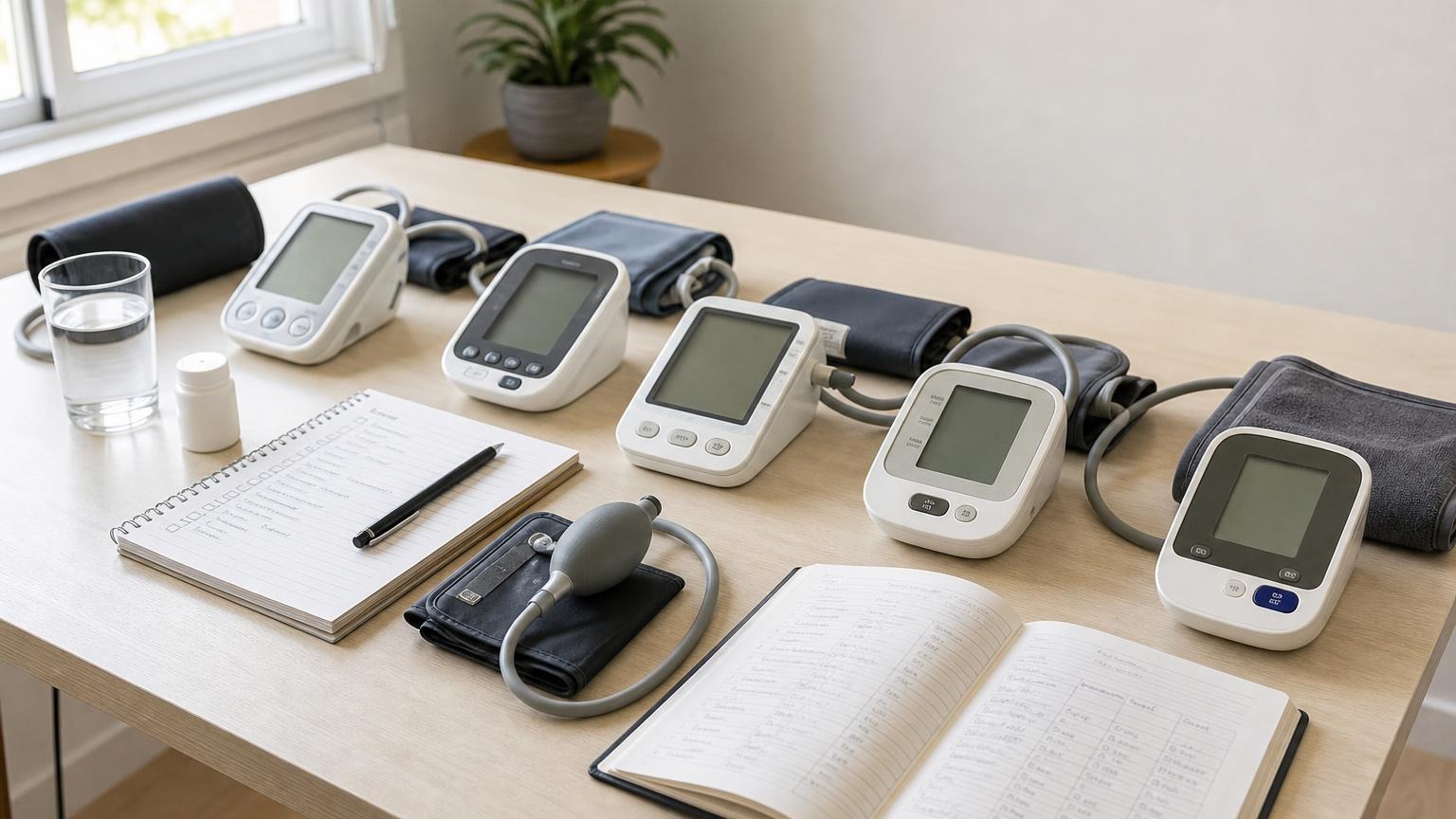
If your device does not calculate a session average, you can still write down each reading and average them manually. You do not need a fancy feature for the basic idea to work.
For setup details, start with how to take an accurate blood pressure reading at home. Good averaging cannot rescue poor technique.
Should you write down the average or each reading?
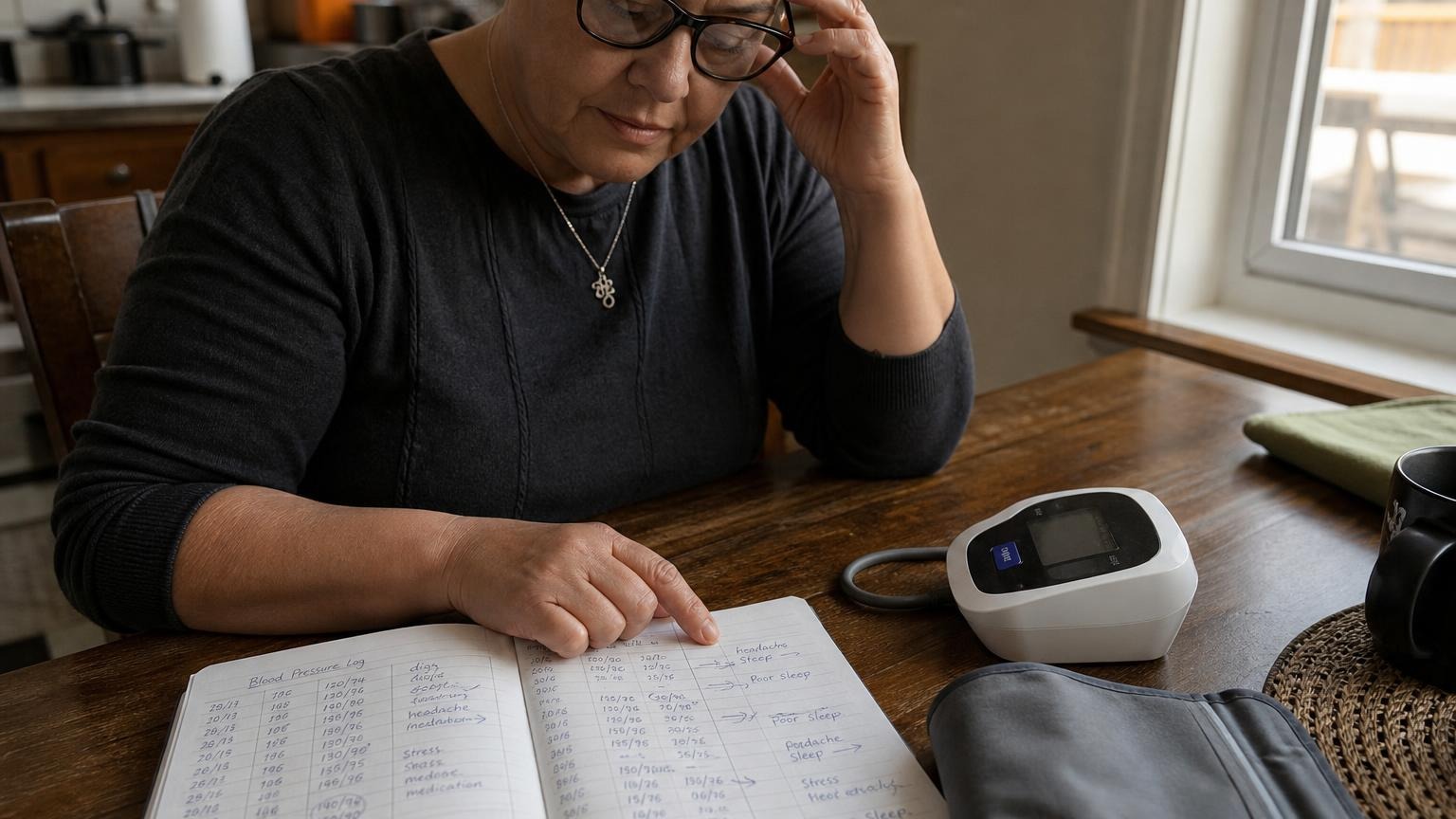
If you are tracking for yourself, the average may be enough for a simple log. If you are tracking for a clinician, writing down each reading can be more useful because it shows variation.
A balanced option is to record both:
- Reading 1, Reading 2, and Reading 3
- the session average
- time of day
- arm used
- any context that might affect the result
This gives your clinician more information without forcing them to guess whether the average came from calm, repeated readings or from a messy memory file.
FAQ: average readings on blood pressure monitors
Is the average on a blood pressure monitor more accurate?
It can be more useful than one reading because it reduces some normal reading-to-reading variation. But it is not automatically more accurate if the cuff fit, arm position, rest period, or saved memory data were poor.
Why is my average lower than my first reading?
Many people relax after the first reading. If the first reading was taken too soon after sitting down, the second or third reading may be lower. That does not mean you should ignore the first reading every time, but it does show why a consistent routine matters.
Should I delete high readings from the average?
Do not delete readings just because they are high. If a reading was clearly affected by movement, cuff error, talking, or poor positioning, repeat it correctly and label what happened. If high readings repeat, share the pattern with a clinician.
Can two people share one monitor average?
They should not share the same memory profile. A combined average from two different people is not clinically useful. Use separate user profiles, guest mode, or separate logs.
Bottom line
The average on a blood pressure monitor is a helpful shortcut when it summarizes a clean set of repeated readings. It becomes less useful when it mixes different users, different routines, or poorly taken measurements.
Use the average to understand patterns, not to make treatment decisions from one screen. If your readings are repeatedly high, unusually low, or paired with symptoms, bring the full log to a qualified clinician.
This article is educational and not medical advice. Consult a qualified clinician before making treatment decisions.
Top 5 picks
Best Blood Pressure Monitors For Seniors 2026
Five upper-arm monitors ranked with published scorecards—setup friction, comfort, readability, power convenience, and repeatable accuracy—so you can compare models before you buy.
See our Top 5 blood pressure monitor picksHome-monitoring advice is only useful if it is easy to verify and act on correctly.
We write explainers to be understandable to readers, search engines, and AI answer systems.
Compare our Top 5 blood pressure monitor picks for 2026, then track readings over time with consistent technique.