What Does MAP Mean on a Blood Pressure Monitor?
MAP on a blood pressure monitor means mean arterial pressure. Learn what it estimates, why it appears on some screens, and when to ask a clinician.
MAP on a blood pressure monitor means mean arterial pressure. Learn what it estimates, why it appears on some screens, and when to ask a clinician.
MAP on a blood pressure monitor means mean arterial pressure. It is an estimate of the average pressure in your arteries during one full heartbeat cycle, not a third blood pressure category and not a diagnosis by itself. Most home users should still focus first on the usual systolic and diastolic numbers, but MAP can be useful context when a monitor, app, or hospital note shows it.
The practical rule is simple: if your MAP number appears unexpectedly, do not panic over it. Check whether your systolic and diastolic readings were taken correctly, repeat the measurement after quiet rest, and look for a pattern instead of reacting to one screen.
What MAP means on a blood pressure monitor
MAP stands for mean arterial pressure. It estimates the average pressure pushing blood through your arteries across the whole cardiac cycle.
That matters because blood pressure is not steady. During each heartbeat:
- systolic pressure is the higher number, when the heart squeezes
- diastolic pressure is the lower number, when the heart relaxes between beats
- MAP is a calculated estimate of the average pressure across that squeeze-and-relax cycle
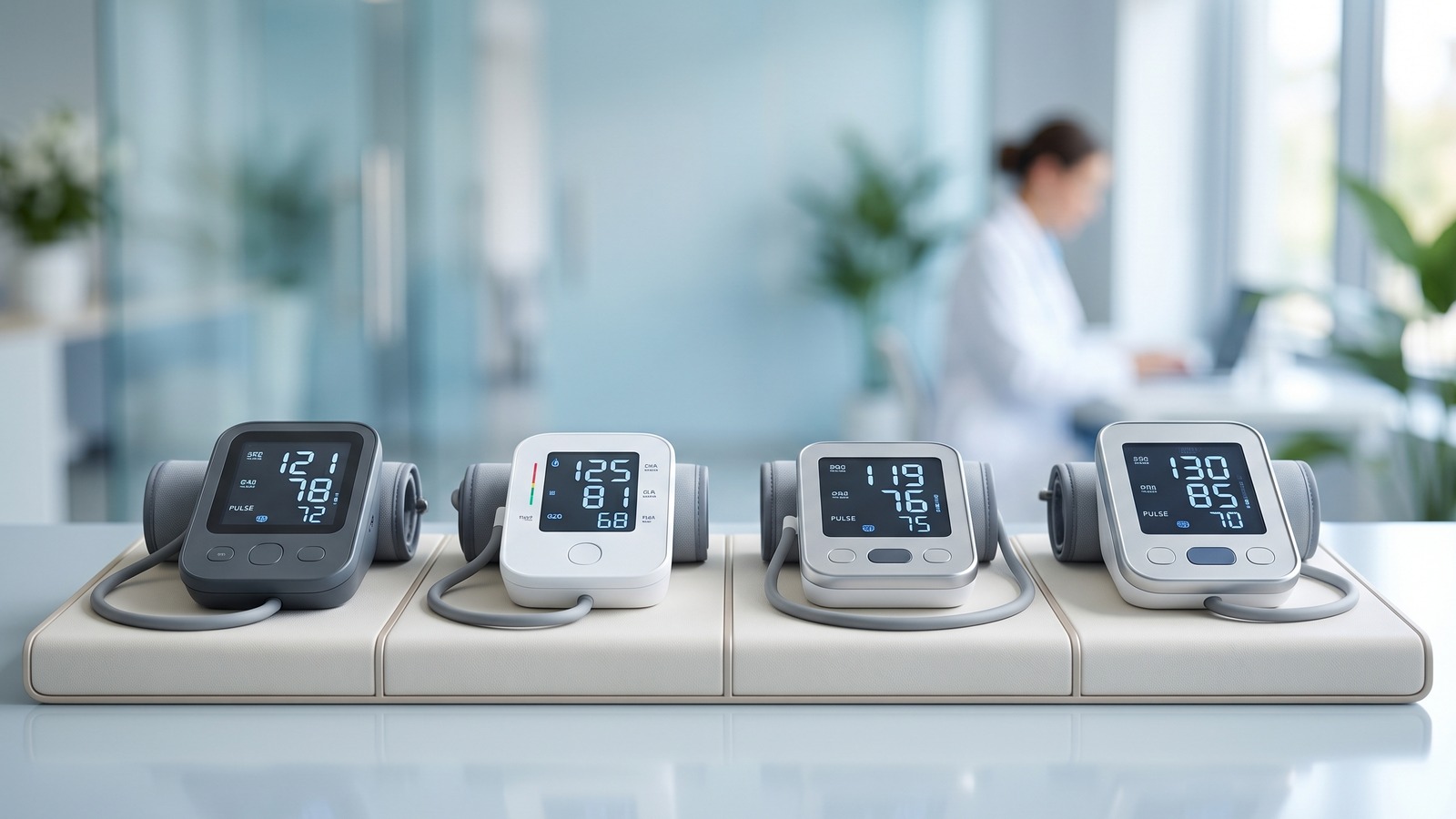
Many people first see MAP in a hospital, on a vital-signs monitor, or in a health app that imports blood pressure readings. Some home monitors show it directly. Others hide it completely because systolic and diastolic pressure are the numbers most people and clinicians use for routine home tracking.
If your monitor shows SYS, DIA, and MAP, the MAP number is usually derived from the same cuff reading. It is not a separate cuff inflation or a separate sensor.
How MAP is usually estimated
A common simplified formula is:
MAP ≈ diastolic pressure + one-third of pulse pressure
Pulse pressure is the gap between the systolic and diastolic numbers. So if a reading is 120/80:
- systolic = 120
- diastolic = 80
- pulse pressure = 40
- estimated MAP ≈ 80 + 13 = 93 mmHg
You may also see the same idea written as:
MAP ≈ (systolic + 2 × diastolic) ÷ 3
This is an estimate, not a perfect measurement. The formula works as a practical approximation because the heart spends more time in diastole than systole at normal resting heart rates. At very fast heart rates, irregular rhythms, or unusual cardiovascular states, the relationship can be less tidy.
For everyday home monitoring, that is why MAP should be treated as context. It can help explain what a device is displaying, but it should not replace the standard blood pressure reading your clinician asked you to track.
Is MAP more important than systolic or diastolic blood pressure?
For most home users, no. Systolic and diastolic blood pressure remain the main numbers to record, compare, and discuss with a clinician.
MAP is more common in settings where clinicians are watching blood flow and overall circulation closely, such as hospitals, intensive care units, operating rooms, or certain emergency-care situations. In routine home monitoring, the main question is usually different: what is your repeated blood pressure pattern under consistent conditions?
That pattern is built from readings like:
- 128/78 in the morning
- 124/76 in the evening
- 132/82 after a stressful day
- the average of several readings across a week
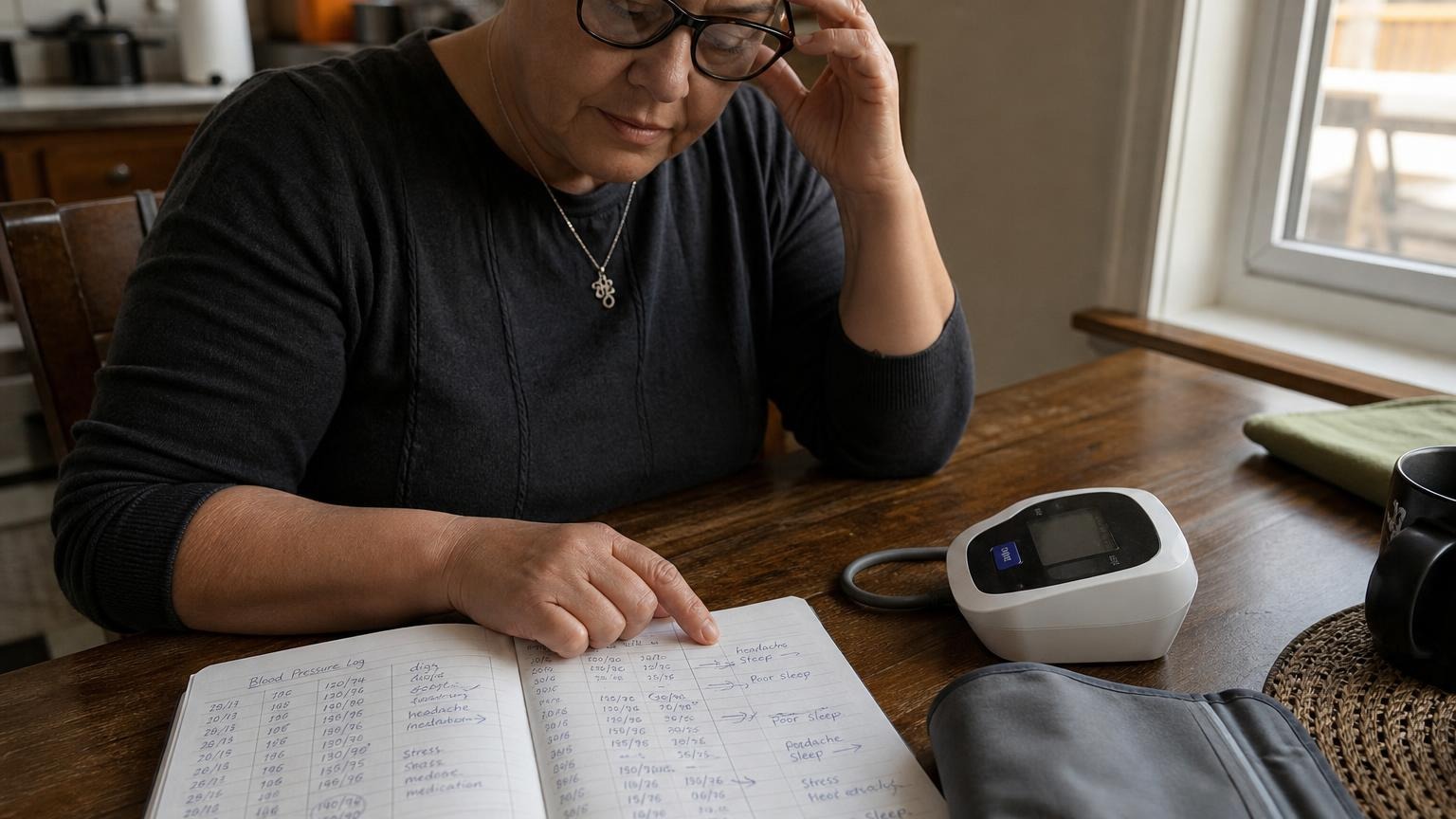
A home blood pressure log is usually more useful when it is boring and repeatable. MAP can sit in the background, but it should not become the number you chase.
If you are trying to understand the basic top and bottom numbers, start with our guide to what blood pressure numbers mean. If you are trying to understand the gap between them, see our explainer on pulse pressure.
What is a normal MAP number?
There is no single home-use MAP target that should override the advice you receive for systolic and diastolic blood pressure. In clinical contexts, clinicians may care about whether MAP is high enough to support blood flow to organs, but that situation is different from routine home tracking.
At home, a calculated MAP usually rises and falls with the underlying systolic and diastolic numbers. A reading of 120/80 gives an estimated MAP around 93 mmHg. A reading of 140/90 gives an estimated MAP around 107 mmHg. That does not mean you should self-diagnose from the MAP value. It means the MAP is mathematically following the blood pressure reading.
The safer way to interpret it is:
- If SYS and DIA are in your usual range, the MAP will often be in a familiar range too.
- If SYS and DIA are repeatedly high, the MAP will usually be higher as well.
- If the MAP surprises you, recheck technique before assuming it has a special meaning.
A single unusual MAP value is usually less helpful than a clean series of properly taken systolic and diastolic readings.
Why your MAP number may look different from what you expected
MAP can look unfamiliar because most people have not learned to think in that number. It can also look odd when the underlying reading was affected by normal measurement noise.
Common reasons a MAP estimate may look higher or lower than expected include:
- measuring before sitting quietly for 5 minutes
- talking, moving, or tensing your arm during the reading
- using the wrong cuff size
- placing the cuff over clothing
- letting the arm hang below heart level
- checking right after exercise, caffeine, nicotine, a meal, pain, or stress
- comparing readings taken at different times of day
- relying on one measurement instead of an average
Before you interpret MAP, make sure the original reading was clean. Our guide to taking an accurate blood pressure reading at home covers the setup details that matter most: quiet rest, bare skin, correct cuff placement, feet flat, back supported, and arm at heart level.
What to log if your monitor shows MAP
If your monitor displays MAP, you can record it, but do not let it clutter the log if it makes the habit harder to maintain.
A useful blood pressure log should include:
- date and time
- systolic and diastolic pressure
- pulse, if shown
- whether the reading was morning or evening
- notes about caffeine, exercise, symptoms, medication timing, or unusual stress when relevant
- the average of two or three properly spaced readings, if you took more than one
If MAP is easy to export automatically, keep it. If you are writing readings by hand, SYS/DIA and pulse usually deserve priority. Most appointment conversations will start there.
When to ask a clinician about MAP
Ask a clinician about MAP if:
- your monitor repeatedly shows unusual MAP values and you are not sure how to interpret them
- your systolic or diastolic readings are repeatedly outside the range your clinician gave you
- readings are paired with concerning symptoms such as chest pain, shortness of breath, fainting, severe headache, new confusion, or vision changes
- you are tracking blood pressure because of pregnancy, kidney disease, heart disease, fainting episodes, medication changes, or another condition that needs individualized advice
- your clinician specifically asked you to track MAP
Do not adjust medication, skip doses, or change treatment plans based on a home MAP estimate unless a qualified clinician has told you exactly how to use that number.
FAQ: MAP on blood pressure monitors
Is MAP the same as pulse pressure?
No. Pulse pressure is the difference between systolic and diastolic pressure. MAP is an estimate of the average arterial pressure across the heartbeat cycle. They are related mathematically, but they answer different questions.
Why does my blood pressure monitor show MAP?
Some monitors and apps show MAP because it can be calculated from the systolic and diastolic reading. It is more common in clinical monitoring, but some consumer devices include it as an extra data point.
Should I track MAP at home?
Only if it is useful and your clinician wants it, or if your device records it automatically. For most home users, consistent systolic and diastolic readings are more important than manually tracking MAP.
Can MAP diagnose high blood pressure?
No. A home MAP estimate does not diagnose hypertension by itself. Diagnosis and treatment decisions depend on repeated properly taken readings, clinical context, and clinician judgment.
Bottom line
MAP means mean arterial pressure, an estimated average pressure across one heartbeat cycle. It can be useful context, but it is not the main number most home users need to manage. If your monitor shows MAP, interpret it through the underlying systolic and diastolic reading, repeat questionable measurements under good technique, and focus on the pattern over time.
This article is educational and not medical advice. Consult a qualified clinician before making treatment decisions.
Top 5 picks
Best Blood Pressure Monitors For Seniors 2026
Five upper-arm monitors ranked with published scorecards—setup friction, comfort, readability, power convenience, and repeatable accuracy—so you can compare models before you buy.
See our Top 5 blood pressure monitor picksHome-monitoring advice is only useful if it is easy to verify and act on correctly.
We write explainers to be understandable to readers, search engines, and AI answer systems.
Compare our Top 5 blood pressure monitor picks for 2026, then track readings over time with consistent technique.