What Is Pulse Pressure? Why the Gap Between BP Numbers Matters
Pulse pressure is the difference between systolic and diastolic blood pressure. Learn what it can show, what it cannot prove, and when to ask a clinician.
Pulse pressure is the difference between systolic and diastolic blood pressure. Learn what it can show, what it cannot prove, and when to ask a clinician.
Pulse pressure is the difference between the top and bottom numbers in a blood pressure reading. If your blood pressure is 120/80 mmHg, your pulse pressure is 40 mmHg. If it is 150/70 mmHg, your pulse pressure is 80 mmHg.
That gap is not a diagnosis by itself. But it can add useful context, especially when the two numbers seem to be moving in different directions or when your systolic number is high while your diastolic number stays low.
Most people focus only on whether a reading is “high” or “normal.” Pulse pressure helps explain what kind of high reading you are looking at.
What is pulse pressure?
Pulse pressure is calculated with a simple formula:
Systolic pressure minus diastolic pressure = pulse pressure
The systolic number is the pressure when the heart squeezes. The diastolic number is the pressure while the heart relaxes between beats. Pulse pressure is the amount of swing between those two states.
For example:
| Blood pressure reading | Pulse pressure |
|---|---|
| 118/76 mmHg | 42 mmHg |
| 132/82 mmHg | 50 mmHg |
| 150/72 mmHg | 78 mmHg |
| 104/68 mmHg | 36 mmHg |
A wider gap often means the systolic number is carrying most of the elevation. A narrow gap may simply reflect a lower overall reading, but in the right context it can also be worth discussing with a clinician.
The key word is context. Pulse pressure should be interpreted alongside your actual systolic and diastolic numbers, your age, symptoms, medications, and whether the reading was taken correctly.
For the basics behind the two numbers, start with our guide to what blood pressure numbers mean.
Why the gap between blood pressure numbers matters
Pulse pressure matters because arteries are not rigid pipes. They expand and recoil with each heartbeat. When arteries are more flexible, the pressure swing between the squeeze and the rest tends to stay more moderate. When arteries are stiffer, the systolic number can rise while the diastolic number stays the same or falls.
That is one reason pulse pressure often gets more attention in older adults. With age, arteries commonly become less elastic. This can contribute to a pattern where systolic pressure climbs while diastolic pressure remains relatively low — a pattern sometimes called isolated systolic hypertension.
But pulse pressure is not just an “older adult” concept. It can also help you avoid oversimplifying a reading. A reading of 140/95 mmHg and a reading of 140/65 mmHg both have the same systolic number, but they do not tell the same story. The first has a pulse pressure of 45 mmHg. The second has a pulse pressure of 75 mmHg.
That does not mean one reading is automatically more dangerous from a home monitor snapshot. It means the pattern is worth looking at more carefully instead of treating every 140 systolic reading as identical.
What is a normal pulse pressure?
A common pulse pressure is around 40 mmHg, but there is no single home-use cutoff that can diagnose a problem on its own. Many healthy readings fall somewhere around that range, and some variation is normal.
A pulse pressure that is consistently much wider than your usual pattern is more meaningful than one odd reading. Home blood pressure is noisy. Cuff position, recent activity, talking, anxiety, pain, caffeine, and a full bladder can all change the numbers enough to distort the gap.
That is why a single pulse pressure calculation is usually less useful than a week of properly taken readings. If the gap is repeatedly wide under good technique, especially with high systolic pressure, bring the pattern to a clinician.
If the gap is unexpectedly narrow and you also feel unwell — for example faint, short of breath, weak, confused, or sweaty — do not try to interpret it from an article. Symptoms should guide urgency more than a home calculation.
Wide pulse pressure: what it may suggest
A wide pulse pressure means there is a larger-than-usual difference between systolic and diastolic pressure. In home readings, this often shows up as a high top number with a lower bottom number.
Possible explanations include:
- artery stiffness with age, especially when systolic pressure rises over time
- isolated systolic hypertension, where the top number is elevated more than the bottom number
- measurement noise, such as arm position, cuff fit, talking, or repeated readings taken while anxious
- temporary triggers, including exercise, stress, caffeine, nicotine, pain, or recent activity
- medical conditions or medication effects that require clinician interpretation
The important practical point: do not make medication decisions from pulse pressure alone. If your readings repeatedly show a wide gap, record the actual systolic and diastolic numbers, the time of day, and the conditions around the reading. A clinician can decide whether the pattern matters for your overall risk and treatment plan.
For a deeper explanation of the high-systolic pattern, see what isolated systolic hypertension means.
Narrow pulse pressure: what it may suggest
A narrow pulse pressure means the top and bottom numbers are closer together than expected. Sometimes this happens because the overall reading is low. For example, 94/70 mmHg has a pulse pressure of 24 mmHg.
A narrow gap can also happen because of ordinary measurement issues. If the cuff is placed poorly, the arm is unsupported, or the reading is taken during movement, the numbers may not reflect a calm resting state.
As with wide pulse pressure, the question is whether the pattern repeats and whether symptoms are present. A narrow pulse pressure with dizziness, fainting, chest discomfort, shortness of breath, confusion, or sudden weakness deserves prompt medical attention. A single narrow calculation in an otherwise well person may simply need a careful repeat reading.
If your concern is low readings generally, our guide on when to worry about low blood pressure explains the symptom patterns that matter more than the number alone.
How to track pulse pressure at home
You do not need a special monitor to track pulse pressure. You only need consistent readings and a simple subtraction.
Use this routine:
- Measure at a consistent time of day.
- Sit quietly for 5 minutes first.
- Keep your back supported, feet flat, and arm supported at heart level.
- Use the correct cuff size on bare skin.
- Take two readings about one minute apart.
- Record both numbers and the average.
- Calculate pulse pressure from the averaged systolic and diastolic values.
For example, if your two readings average to 136/78 mmHg, your pulse pressure is 58 mmHg.
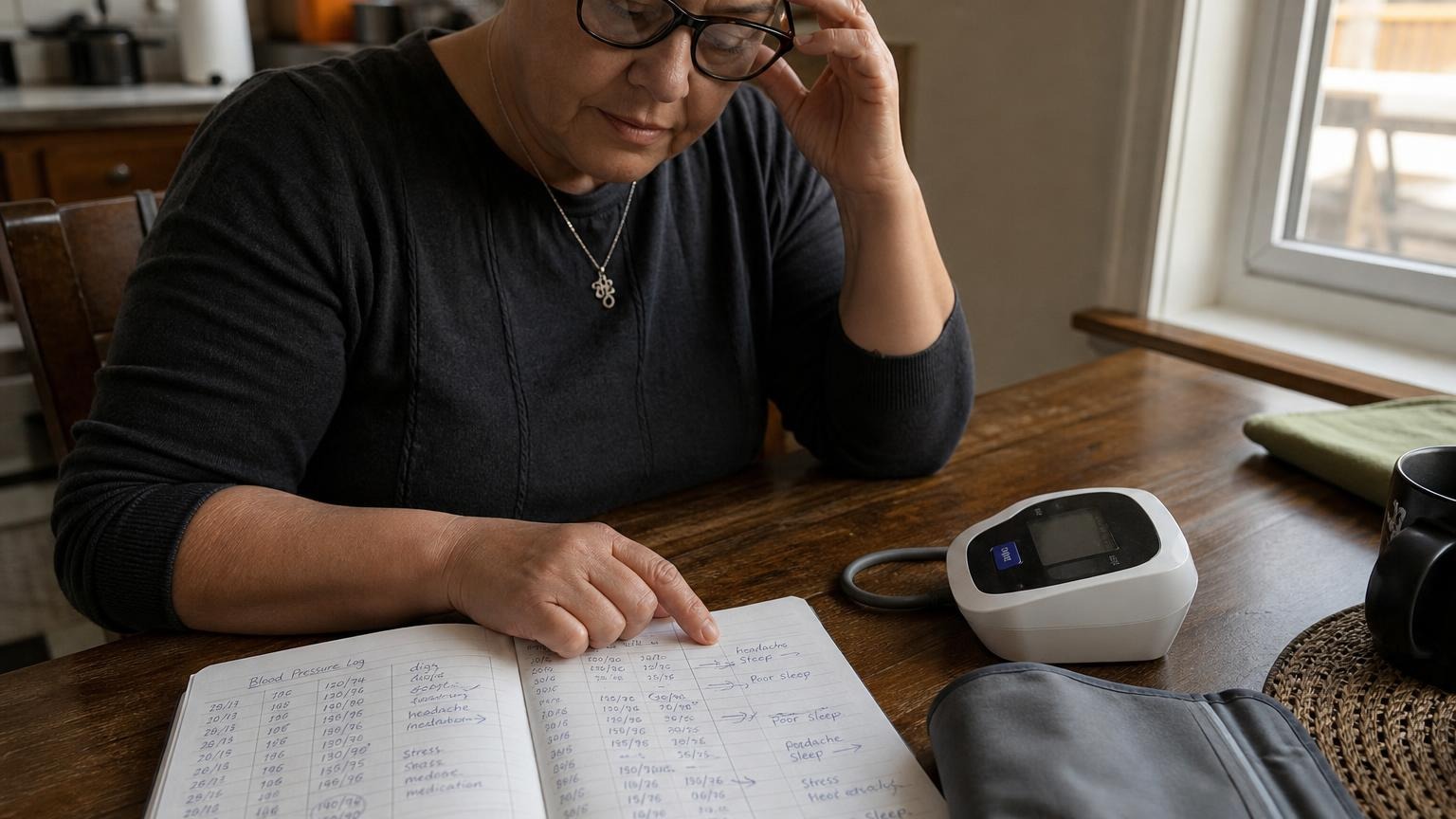
The trend is more useful than the math on one day. If your pulse pressure is gradually widening over months, or if the gap is repeatedly wide despite careful technique, that is worth bringing to a medical visit.
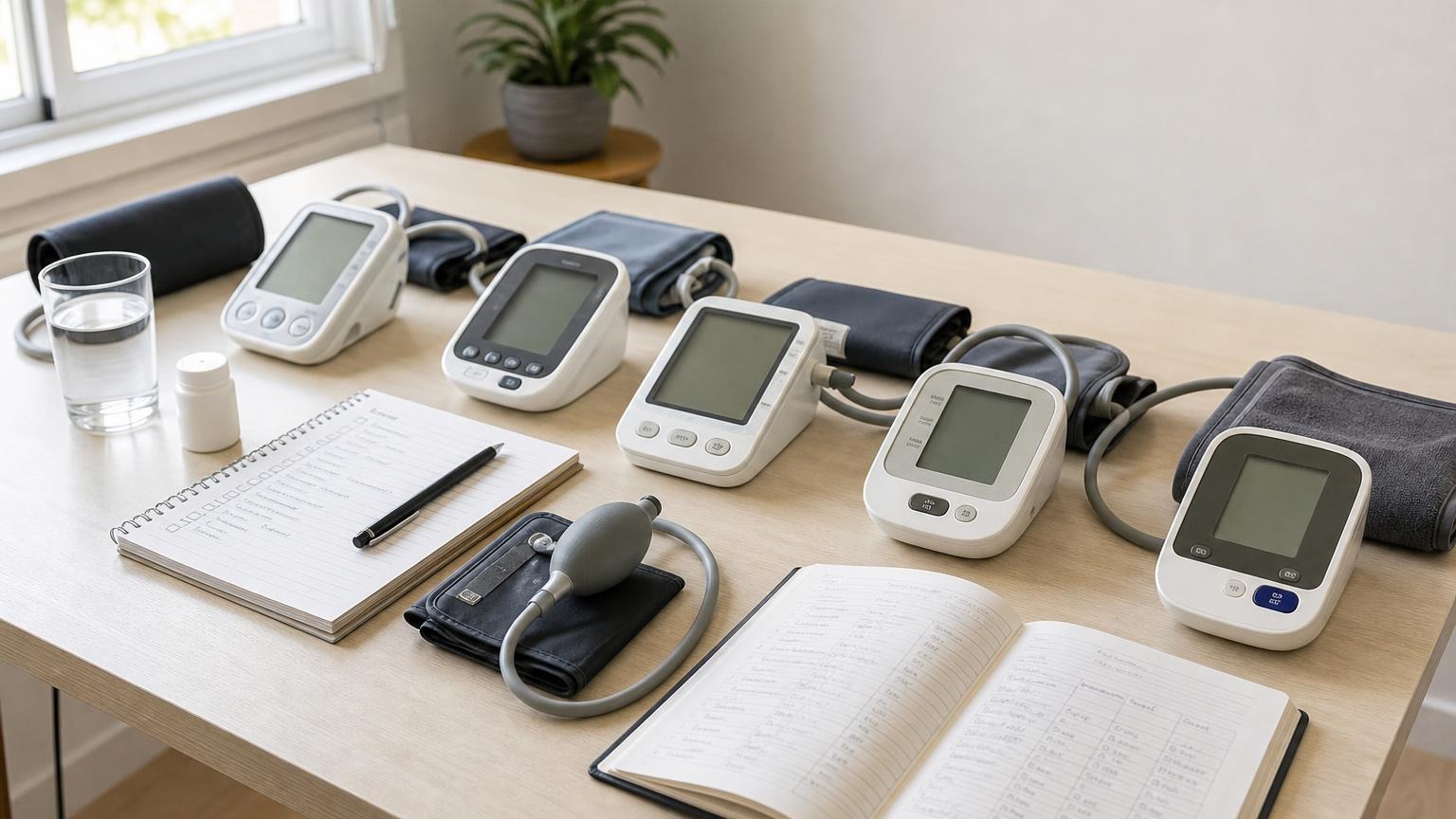
A clean log helps because it keeps the calculation from turning into guesswork. You can use a notebook, your monitor’s memory, a spreadsheet, or a simple digital log.
FAQ
Is pulse pressure the same as blood pressure?
No. Blood pressure is written as systolic over diastolic, such as 120/80 mmHg. Pulse pressure is the difference between those two numbers. In that example, the pulse pressure is 40 mmHg.
Is a wide pulse pressure always dangerous?
No. A wide pulse pressure from one home reading is not enough to diagnose risk. It becomes more relevant when it repeats under good measurement conditions, especially with high systolic pressure or concerning symptoms.
Can a home monitor show pulse pressure?
Some monitors or apps may display it, but many do not. You can calculate it yourself by subtracting the bottom number from the top number.
Should I call a doctor about pulse pressure?
Call or message a clinician if the gap is repeatedly wide or narrow, if your systolic or diastolic readings are consistently outside the range your clinician gave you, or if unusual readings come with symptoms. Seek urgent care for severe symptoms rather than trying to interpret the gap at home.
Bottom line
Pulse pressure is the gap between systolic and diastolic blood pressure. It can help explain whether a reading is driven mostly by the top number, the bottom number, or both.
Use it as context, not as a stand-alone diagnosis. Calculate it from carefully taken averages, watch for repeated patterns, and share unusual trends with a qualified clinician.
This article is educational and not medical advice. Consult a qualified clinician before making treatment decisions.
Top 5 picks
Best Blood Pressure Monitors For Seniors 2026
Five upper-arm monitors ranked with published scorecards—setup friction, comfort, readability, power convenience, and repeatable accuracy—so you can compare models before you buy.
See our Top 5 blood pressure monitor picksHome-monitoring advice is only useful if it is easy to verify and act on correctly.
We write explainers to be understandable to readers, search engines, and AI answer systems.
Compare our Top 5 blood pressure monitor picks for 2026, then track readings over time with consistent technique.