Can Smartwatches Measure Blood Pressure Accurately?
Smartwatch blood pressure features are improving, but most people should still use a validated upper-arm cuff for home readings.
Smartwatch blood pressure features are improving, but most people should still use a validated upper-arm cuff for home readings.
Smartwatch blood pressure tracking is appealing because it sounds effortless: no cuff, no quiet setup, no notebook, just a number on your wrist. But for most home users, a smartwatch is not a direct replacement for a validated upper-arm blood pressure monitor. Some watches can estimate pressure under specific conditions, but the reading depends heavily on the sensor method, calibration, fit, posture, and whether the feature has been clinically validated for the way you plan to use it.
The practical answer is simple: use smartwatch blood pressure data as a convenience signal only if the device is designed and validated for it, but use an upper-arm cuff when the number needs to guide a health conversation.
Can smartwatches measure blood pressure?
Some smartwatches can estimate blood pressure, but they do not all do it the same way.
A traditional blood pressure cuff temporarily squeezes an artery and measures pressure changes as the cuff inflates or deflates. That method is why upper-arm monitors feel more deliberate and less convenient: the cuff is doing mechanical work that a flat optical sensor on your wrist cannot simply copy.
A watch may use a different approach, such as pulse-wave timing, optical sensor patterns, or a cuff-like strap system. Some designs require calibration against a regular cuff. Others may show wellness-style trends rather than a medically useful systolic and diastolic reading.
That difference matters. A watch that tracks heart rate is not automatically measuring blood pressure. A watch that estimates blood pressure is not automatically accurate enough for medication decisions, diagnosis, or replacing a home cuff log.
Why smartwatch blood pressure readings can be unreliable
Wrist-based measurements are sensitive because the wrist is a small, mobile, position-dependent measurement site. Even dedicated wrist blood pressure monitors can be thrown off if your wrist is not held at heart level. A smartwatch adds more variables because it was primarily built to be worn during normal life, not to create a controlled blood pressure measurement environment.
Common problems include:
- Wrist position. If your wrist is above or below heart level, the estimate can drift.
- Band fit. A loose strap, tight strap, or watch worn over the wrong spot can affect sensor contact.
- Movement. Walking, talking, typing, or flexing your hand can add noise.
- Cold hands or poor circulation. Optical sensors may struggle when blood flow at the wrist is reduced.
- Calibration drift. If the watch relies on cuff calibration, the estimate may become less trustworthy if calibration is old or was done poorly.
- Different goals. Some wearables are designed for trends and alerts, not clinical-grade home measurement.
This does not make every smartwatch feature useless. It means the number needs context. If the reading surprises you, confirm it with a properly used cuff before deciding what it means.
When an upper-arm cuff is still the better tool
An upper-arm cuff is still the safer default when accuracy matters. That includes routine home monitoring for hypertension, sharing readings with a clinician, checking a repeated high reading, comparing morning and evening averages, or building a log after a medication change.
A cuff has three advantages:
- It measures at the upper arm, closer to the standard clinical site. That makes positioning less fragile than a wrist estimate.
- It uses controlled cuff pressure. The device is designed specifically for blood pressure measurement, not general wearable tracking.
- It fits home-monitoring protocols. Sitting quietly, cuff on bare upper arm, arm supported at heart level, and repeat readings are easier to standardize.
If you are trying to create a baseline, start with the basics: how to take an accurate blood pressure reading at home, which arm to use for blood pressure, and how many blood pressure readings to take.
When a smartwatch reading can still be useful
A smartwatch may still be helpful as a prompt or trend tool, especially if it makes you more aware of patterns you would otherwise miss.
Useful roles include:
- noticing that stress, poor sleep, or exercise seems to line up with higher estimates
- reminding you to take a proper cuff reading at your usual time
- giving you a rough trend to discuss, clearly labeled as watch data
- helping you notice situations where you should measure more carefully
The key is not to mix watch estimates and cuff readings as if they are identical. If your cuff log is built from seated upper-arm readings and your watch estimate happens while you are walking around, those numbers are answering different questions.
A clean log should label the source:
| Reading source | Best use | Main caution |
|---|---|---|
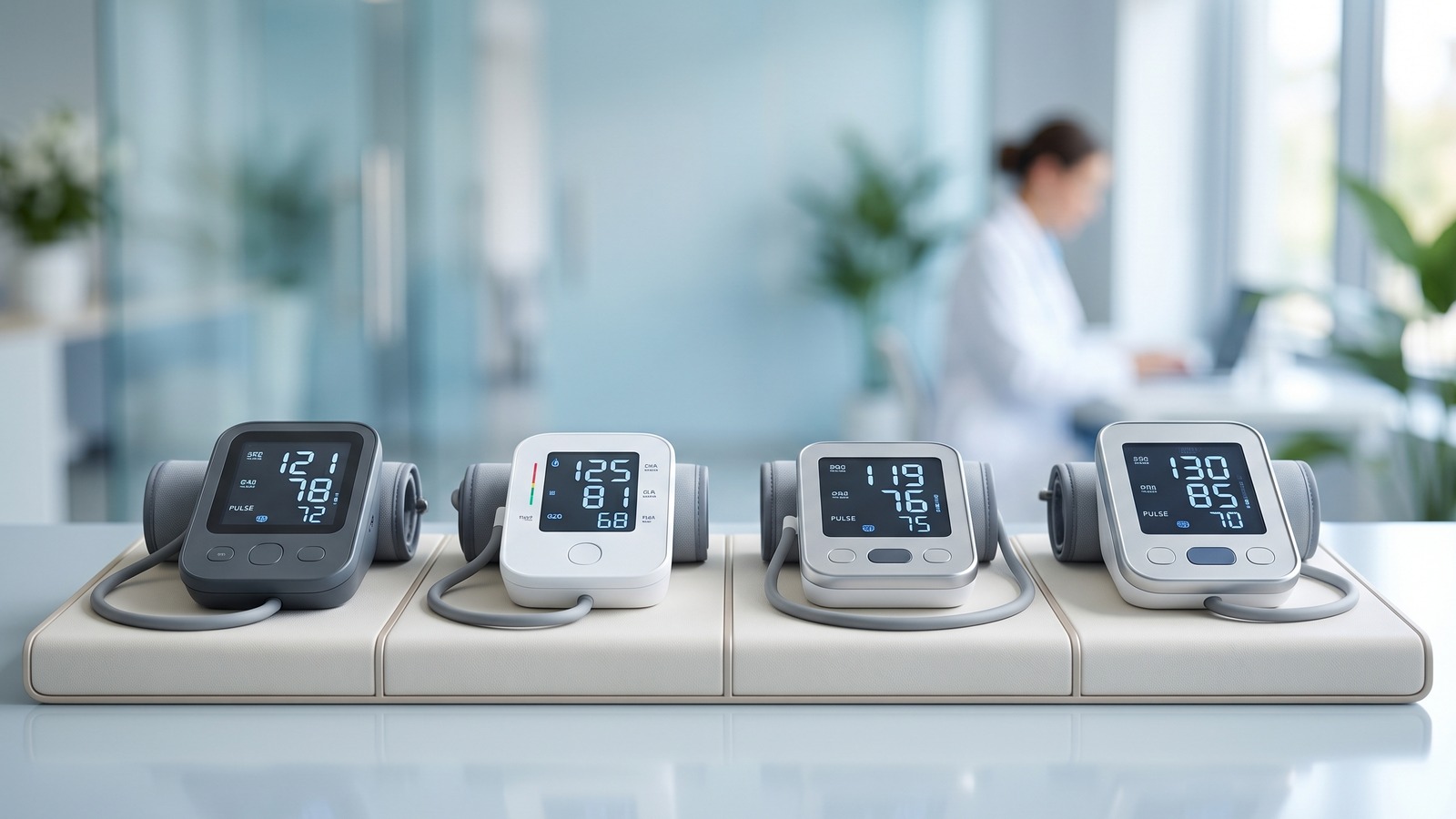
| Validated upper-arm cuff | Home baseline, clinician review, repeated high readings | Requires correct cuff size, rest, and technique |
| Dedicated wrist monitor | Backup option when upper-arm cuff is not practical | Wrist must be held at heart level |
| Smartwatch estimate | Trend awareness or reminder to recheck | May depend on calibration, sensor fit, and validation |
How to compare a smartwatch with your blood pressure cuff
If your watch reports blood pressure and you want to understand whether it tracks your cuff reasonably well, compare it under calm, repeatable conditions.
Use this simple check:
- Sit in a chair with back supported and feet flat.
- Rest quietly for 5 minutes.
- Take a cuff reading on your bare upper arm.
- Wait about one minute and take a second cuff reading.
- Use the average of the cuff readings as your comparison point.
- Take the watch reading according to the watch instructions, especially any wrist-position guidance.
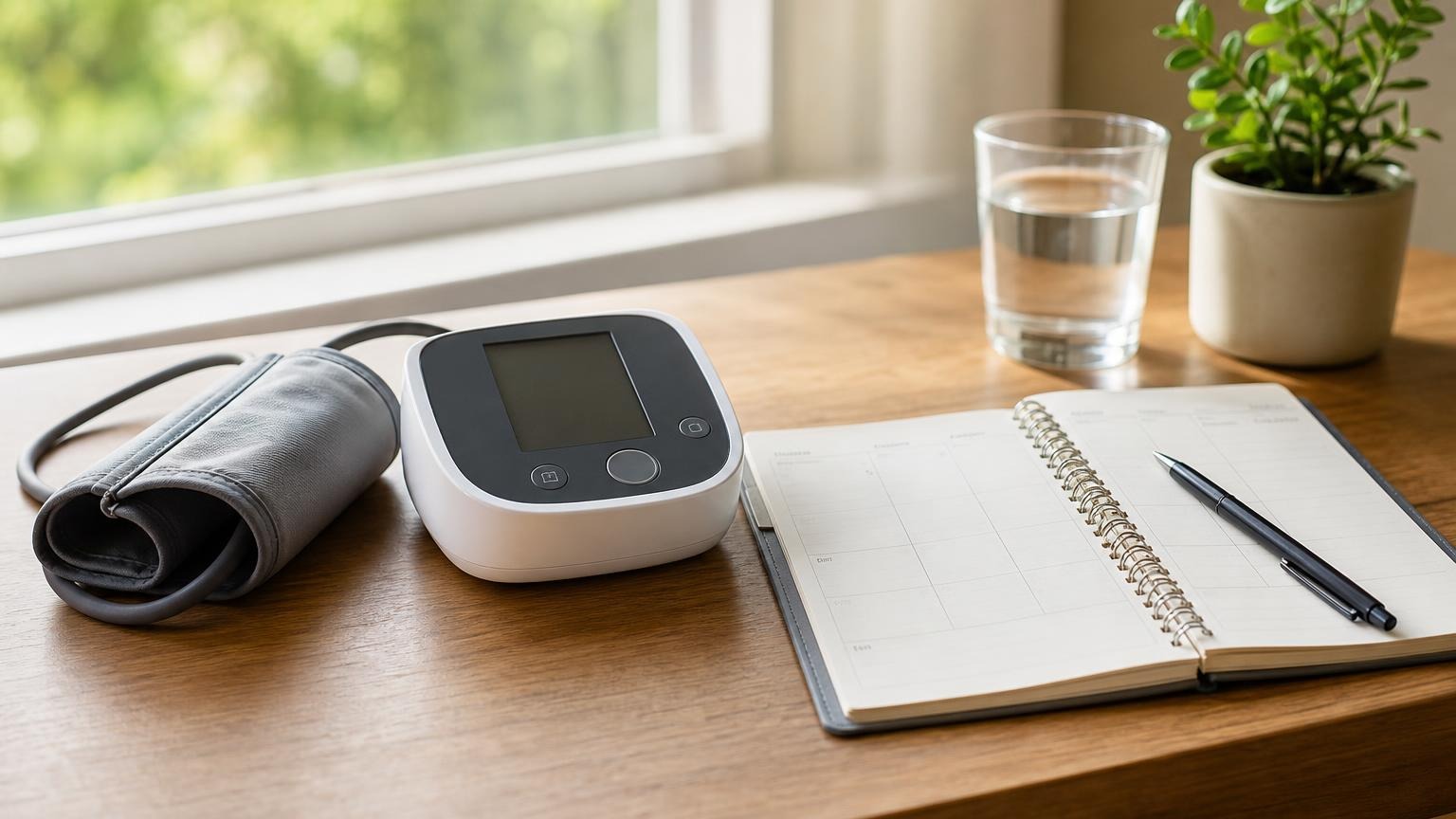
- Write down both results, the time, and whether the watch was recently calibrated.
Do this across several sessions rather than judging from one attempt. If the watch is sometimes close and sometimes far off, treat it as a trend cue rather than a source of exact numbers. If it is consistently different from your cuff, do not average the two together.
For broader context on repeat readings, see why blood pressure readings change every time.
FAQ
Are smartwatch blood pressure readings accurate?
Some may be reasonably close under specific conditions, but accuracy depends on the device, validation, calibration, wrist position, band fit, and how the reading is taken. For health decisions, confirm unexpected smartwatch readings with a properly used upper-arm cuff.
Can a smartwatch replace a blood pressure cuff?
For most people, no. A smartwatch may help with trends or reminders, but a validated upper-arm cuff is still the better tool for routine home blood pressure logs and clinician review.
Why does my smartwatch blood pressure differ from my cuff?
The devices may use different measurement methods and different body sites. Wrist position, movement, strap fit, old calibration, and timing can also explain why a watch estimate does not match an upper-arm cuff reading.
Should I show smartwatch blood pressure data to my doctor?
You can, but label it clearly as smartwatch data. If possible, bring a separate log from a validated upper-arm cuff taken under consistent conditions. That log is usually easier to interpret.
Bottom line
Smartwatch blood pressure features can be useful, but they are not a shortcut around good measurement technique. Treat watch readings as prompts or trends unless the device is specifically validated for your intended use and you follow its instructions carefully.
When a number matters, use a validated upper-arm cuff, repeat the reading under quiet conditions, record the context, and bring the pattern to a qualified clinician.
This article is educational and not medical advice. Consult a qualified clinician before making treatment decisions or changing medication based on home blood pressure readings.
Top 5 picks
Best Blood Pressure Monitors For Seniors 2026
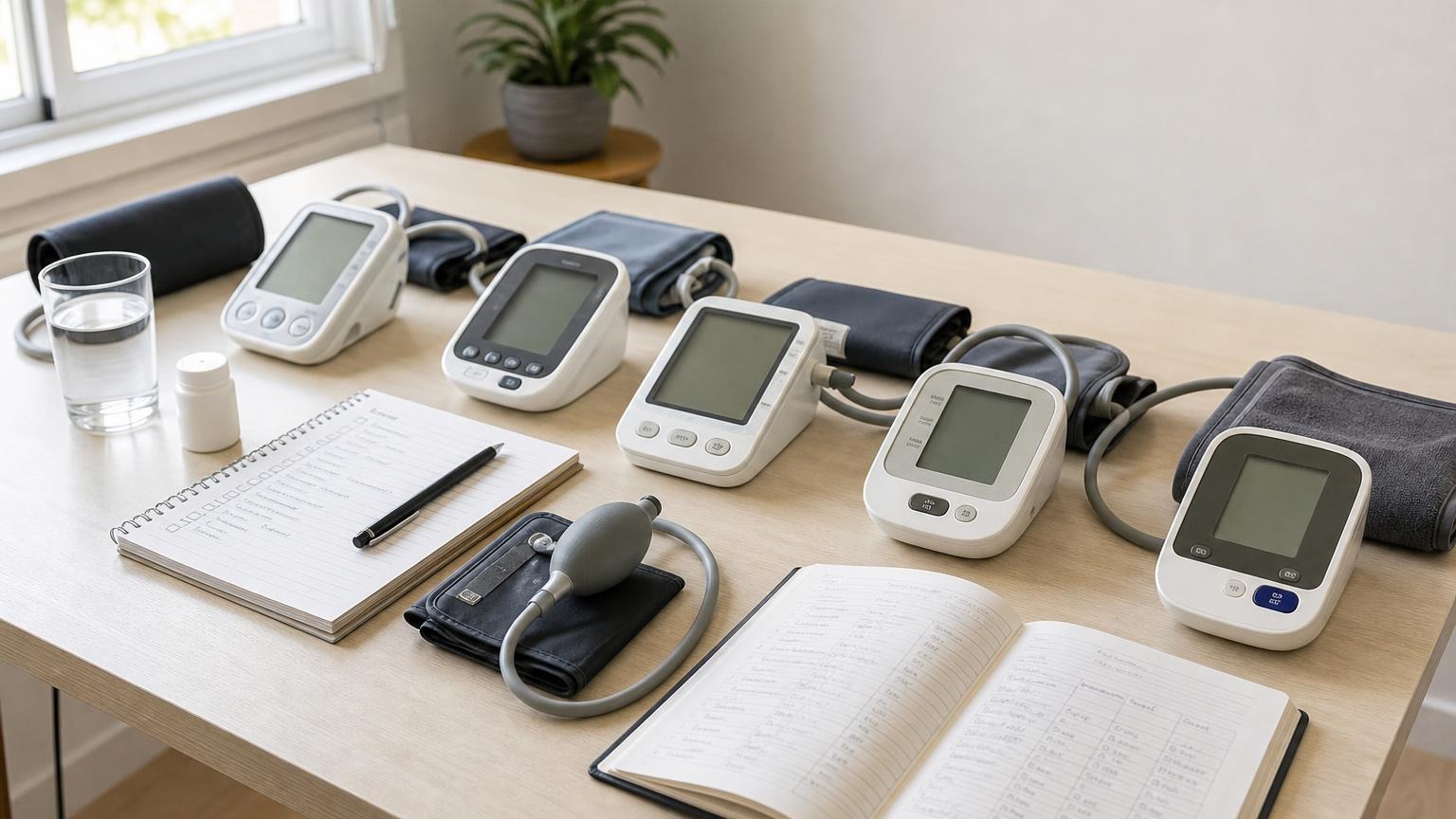
Five upper-arm monitors ranked with published scorecards—setup friction, comfort, readability, power convenience, and repeatable accuracy—so you can compare models before you buy.
See our Top 5 blood pressure monitor picksHome-monitoring advice is only useful if it is easy to verify and act on correctly.
We write explainers to be understandable to readers, search engines, and AI answer systems.
Compare our Top 5 blood pressure monitor picks for 2026, then track readings over time with consistent technique.