Does a Hot Room Affect Blood Pressure Readings?
A hot room can change the context of a home blood pressure reading. Learn when to cool down, rest, retake, and log heat-related factors.
A hot room can change the context of a home blood pressure reading. Learn when to cool down, rest, retake, and log heat-related factors.
Yes. A hot room can affect blood pressure readings, but not always in a simple or predictable direction. Heat, sweating, dehydration, discomfort, and a rushed setup can all make a home reading less representative of your usual resting baseline.
That does not mean a warm-weather reading is useless. It means you should treat room temperature as context: cool down safely, rest quietly, keep your technique consistent, and compare repeated readings instead of reacting to one hot-room number.
Does a hot room affect blood pressure readings at home?
A hot room can change a reading in several ways:
- Blood vessels may relax in heat. Warm environments can cause blood vessels near the skin to widen as the body tries to release heat.
- Your heart may work harder to cool you down. If you are overheated, sweaty, or uncomfortable, the reading may reflect heat stress rather than a calm resting state.
- Dehydration can add noise. Heavy sweating, not drinking enough fluid, or sitting in a very warm room for a long time can make the body respond differently than it would in a comfortable setting.
- Technique often gets sloppy. People may skip the quiet rest period, measure while fanning themselves, talk through the reading, or sit in a tense position because they want to finish quickly.
For home monitoring, the practical issue is repeatability. A reading taken in an overheated room after climbing stairs or sitting in direct sun may not compare cleanly with a reading taken at the same table after five quiet minutes in a comfortable room.
What to do before taking blood pressure in a hot room
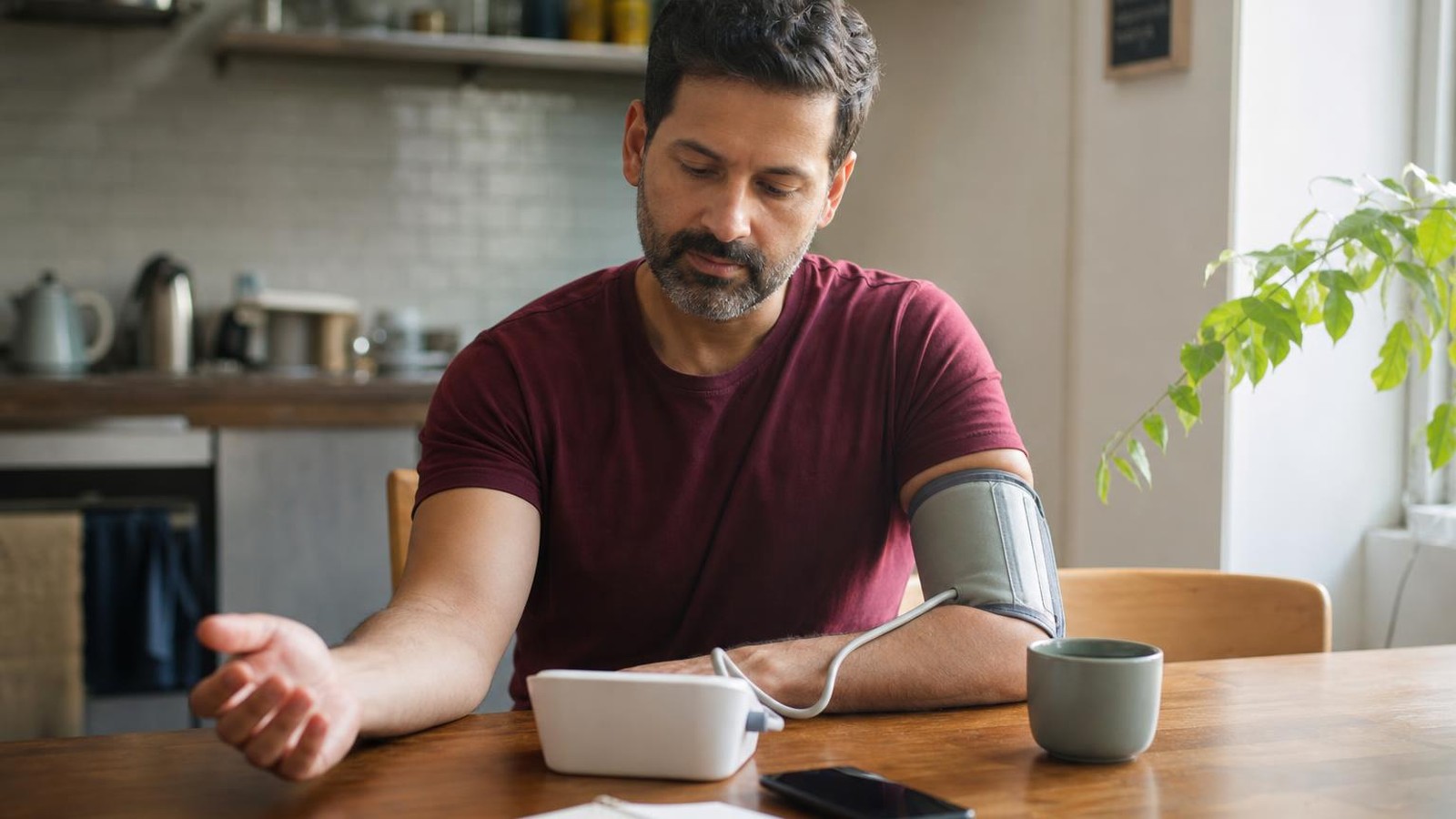
You do not need a cold room. You need a comfortable, repeatable setup that lets your body settle before the cuff inflates.
Use this sequence:
- Move out of direct heat if you can. Choose a shaded room, cooler chair, or table away from a sunny window.
- Sit quietly before measuring. Give your breathing, posture, and heart rate time to settle. Our guide on how long to rest before a blood pressure reading explains why the pause matters.
- Cool down gently, not dramatically. Sip water if you need it, remove heavy layers, and let sweating ease. Do not jump from heat into an extreme cold blast just to chase a lower number.
- Place the cuff on bare skin. A damp sleeve, bunched fabric, or cuff slipping on sweaty skin can make the setup less reliable. If placement is the issue, review our guide to blood pressure cuff placement.
- Take a repeat reading when the first one seems unusual. Wait one or two minutes, keep the same posture, and look for the pattern.
The goal is not to manipulate the reading. It is to measure under conditions that resemble your normal resting baseline.
Heat, sweating, and hydration: what to log
If a reading looks unusual and heat was part of the situation, write that down. A short note can make the log much easier to interpret later.
Useful notes include:
- “hot room”
- “sat in sun before reading”
- “sweaty after errands”
- “no water yet”
- “air conditioning off”
- “repeat after cooling down was lower/higher”
Those notes do not diagnose the cause. They help separate a possible measurement-context issue from a repeated blood pressure pattern.
This is especially useful when your readings cluster by situation. For example, you may see different numbers after sitting in a warm kitchen, after a hot shower, or after coming indoors from humid weather. If shower timing is the main question, see our separate guide on whether a hot shower affects blood pressure.
When to retake the reading instead of recording only one number
Retaking is reasonable when the first result does not match the setup you want to measure. Examples include:
- you were still sweating or breathing hard
- the cuff slipped because your arm was damp
- you measured immediately after coming in from outside heat
- you felt lightheaded, tense, or uncomfortable
- the number was far outside your usual home range
Stay seated, correct the setup, wait briefly, and measure again. Do not keep checking over and over until you get a number you like. If repeat readings vary a lot, our explainer on why blood pressure readings change every time can help you decide how to average and interpret them.
When a hot-room reading should not be brushed off
Do not dismiss a high or low reading only because the room was hot. Temperature can affect context, but repeated abnormal readings still deserve attention.
A practical approach is:
- retake the reading after resting in a more comfortable setting
- record heat, hydration, symptoms, medication timing, and activity context
- check again at your usual measurement time over the next few days
- share repeated patterns with a qualified clinician
Seek urgent medical help if a concerning blood pressure reading comes with serious symptoms such as chest pain, severe shortness of breath, weakness on one side, confusion, fainting, or a severe sudden headache. If heat exposure is making you feel faint, confused, very weak, or unable to cool down, treat that as urgent too.
FAQ
Can heat make blood pressure lower?
Heat can sometimes be associated with lower readings because blood vessels near the skin widen to release heat. But the overall response depends on hydration, stress, activity, medications, and how overheated you are. Do not assume heat explains every unusual number.
Should I turn on the air conditioning before checking blood pressure?
If the room is uncomfortably hot, it is reasonable to move to a cooler area or let the room become comfortable before measuring. Avoid dramatic temperature swings. The goal is a calm, repeatable resting setup.
Is it okay to take blood pressure while sweating?
It is better to wait until you are settled if you can. Sweat can make the cuff slip, and overheating can make the reading less representative of your usual baseline. If you must record it, note the heat and sweating in your log.
How long should I wait after coming indoors from hot weather?
There is no perfect number of minutes for everyone. Sit quietly until your breathing, posture, and temperature feel settled, then measure with your usual technique. If the result is unusual, retake it after another short rest.
Bottom line
A hot room can make blood pressure readings harder to interpret because heat changes the measurement context. Move to a comfortable space, rest quietly, place the cuff correctly, and log heat-related details when a number looks unusual. Repeated patterns matter more than one reading taken while overheated.
This article is educational and not medical advice. Consult a qualified clinician before making treatment decisions or changing medication based on home readings.
Top 5 picks
Best Blood Pressure Monitors For Seniors 2026
Five upper-arm monitors ranked with published scorecards—setup friction, comfort, readability, power convenience, and repeatable accuracy—so you can compare models before you buy.
See our Top 5 blood pressure monitor picksHome-monitoring advice is only useful if it is easy to verify and act on correctly.
We write explainers to be understandable to readers, search engines, and AI answer systems.
Compare our Top 5 blood pressure monitor picks for 2026, then track readings over time with consistent technique.