Why Is Blood Pressure Higher in the Morning?
Morning blood pressure can run higher for normal and concerning reasons. Learn what affects the first reading and how to log it safely.

Morning blood pressure can run higher for normal and concerning reasons. Learn what affects the first reading and how to log it safely.
If your blood pressure is higher in the morning, the first question is not whether the number is automatically dangerous. It is whether the reading was taken under clean, repeatable conditions and whether the same pattern keeps showing up across several days.
Morning readings can be useful because they often happen before the day adds meals, errands, stress, caffeine, exercise, and work into the mix. They can also be misleading if you measure too quickly after getting out of bed, while rushing, before using the bathroom, or while worrying about the result.
Why blood pressure is higher in the morning
Blood pressure is dynamic. It tends to rise as your body shifts from sleep to being awake and active. Hormones, nervous-system activity, getting out of bed, walking to the bathroom, checking your phone, making coffee, and thinking about the day can all nudge the reading before you ever press the start button.
That does not mean a morning high should be dismissed. A repeated morning pattern can be important, especially if your clinician is watching your home numbers. The key is to separate a true pattern from a noisy first measurement.
Common reasons a morning reading looks higher include:
- You measured before fully settling. Standing up, walking, wrapping the cuff, and sitting down can leave your body more activated than you realize.
- You were tense about the number. Anticipating a high reading can change breathing, muscle tension, and the measurement environment.
- You had a full bladder. Needing to use the bathroom can raise the reading for some people.
- Your arm or cuff position changed. A low arm, loose cuff, cuff over clothing, or unsupported back can distort the result.
- You measured after caffeine, nicotine, exercise, a hot shower, or a stressful start. Those triggers can make a baseline reading less clean.
- Medication timing is part of the pattern. Readings before and after medication can differ, but you should not change timing or doses based on home readings without clinician guidance.
For the broader daily pattern, see our guide to why blood pressure fluctuates.
How to take a cleaner morning blood pressure reading
A useful morning blood pressure reading should be boring. The goal is to remove as many variables as possible so the number can be compared with tomorrow’s number.
Use this routine:
- Use the bathroom first.
- Sit in a chair with your back supported and feet flat.
- Place the cuff on bare upper arm.
- Support the cuffed arm near heart level.
- Sit quietly for 5 minutes before measuring.
- Do not talk, scroll, or watch the display during inflation.
- Take two readings about one minute apart.
- Record both readings and the average, plus any relevant context.
If the first reading is higher and the second reading is lower after you sit quietly, write that down. Do not keep retaking readings until you get a number you like. Too many repeats can make the session more stressful and less useful.
For a more detailed setup checklist, use our guide to taking an accurate blood pressure reading at home. If mornings are your main tracking time, our morning blood pressure routine walks through a more structured baseline method.
When a higher morning reading deserves attention
A single higher morning reading is not enough to diagnose a problem. Home monitoring is most useful when it shows a repeated pattern taken with consistent technique.
Pay closer attention when:
- morning readings stay high across several days despite a careful routine
- your morning average is consistently higher than your evening average
- readings are higher than the range your clinician asked you to watch
- the pattern is new for you
- high readings appear along with symptoms
- you are comparing readings before and after medication
- one arm is consistently much higher than the other when measured correctly
If your clinician gave you a target range, use that range instead of guessing from a single article. If you do not have a target range and your home readings keep concerning you, bring a clean log to a qualified clinician rather than trying to interpret every number alone.
Seek urgent care for concerning symptoms such as chest pain, shortness of breath, fainting, confusion, sudden weakness on one side, sudden vision changes, or a severe unusual headache. Symptoms matter even if you are unsure whether the monitor reading is perfect.
What to record in a morning blood pressure log
A useful log is short but consistent. It should help a clinician see the conditions around the number, not just the number itself.
Record:
| What to log | Why it matters |
|---|---|
| Date and time | Shows whether the pattern is truly morning-specific |
| First and second readings | Helps identify rushed first readings or settling effects |
| Arm used | Keeps comparisons consistent |
| Pulse reading | Adds context, especially if your monitor flags irregular rhythm |
| Medication timing | Shows whether the reading was before or after a scheduled dose |
| Notes | Caffeine, poor sleep, pain, stress, illness, or unusual activity can explain outliers |
Do not erase inconvenient numbers. A messy but honest log is more useful than a perfect-looking log built from cherry-picked readings.
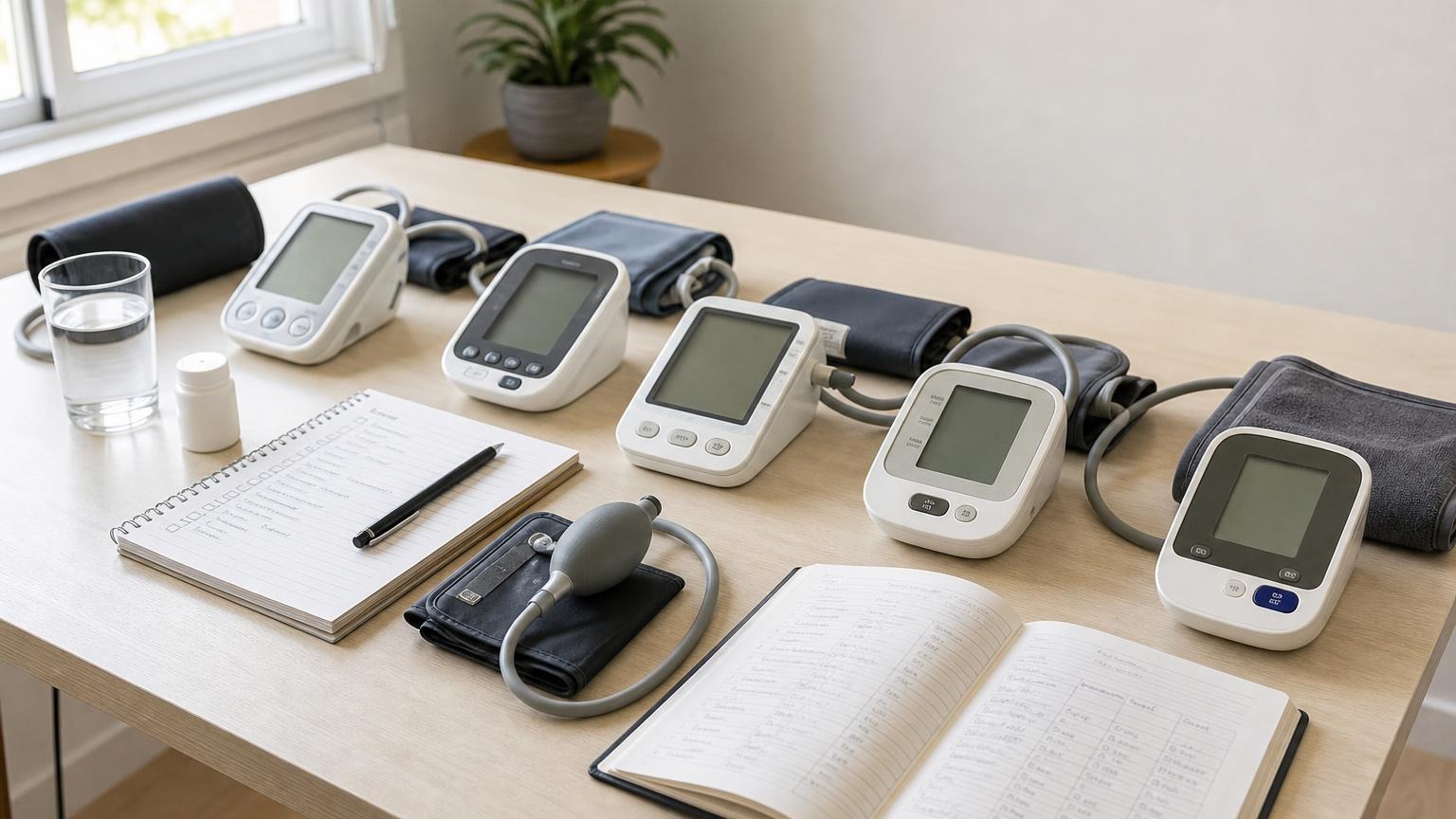
A simple paper or digital log can make this easier if your monitor does not organize readings clearly.
Should you take blood pressure before or after medication?
Follow the schedule your clinician gave you. If you are monitoring how readings behave around medication timing, label the reading as “before medication” or “after medication” rather than changing your dose time on your own.
Morning readings before medication can be useful in some care plans because they show a baseline before the day’s dose has had its usual effect. But that does not mean everyone should measure before medication, skip medication, delay a dose, or chase a lower number at home. If your readings around medication timing are confusing, bring the log to your clinician.
For more detail, see whether to take blood pressure before or after medication.
FAQ
Is blood pressure usually higher in the morning?
It can be. Many people see blood pressure rise as they wake up and start moving. The more useful question is whether your morning readings are repeatedly high when taken with the same quiet routine.
Why is my first morning blood pressure reading high but the second is lower?
The first reading may happen before you are fully settled. Sitting quietly, supporting your arm, breathing normally, and repeating the measurement about one minute later often gives a cleaner comparison.
Should I worry about one high morning reading?
One reading is context, not a diagnosis. Recheck with proper technique, record the number honestly, and look for a pattern over several days. If the reading is very unusual for you or comes with symptoms, seek medical guidance.
Can poor sleep make morning blood pressure higher?
Poor sleep, stress, pain, illness, and a rushed morning can all affect the measurement environment. Label those factors in your log so a clinician can judge whether the pattern is persistent or situational.
Bottom line
Morning blood pressure can be higher because your body is waking up, because the first reading was rushed, or because a real pattern needs clinician review. Do not react to one number in isolation.
Use the bathroom, sit quietly for 5 minutes, keep the cuff on bare upper arm, support your arm at heart level, take two readings, and log the context. If morning readings stay high across several days despite good technique, bring the pattern to a qualified clinician.
This article is educational and not medical advice. Consult a qualified clinician before making treatment decisions or interpreting symptoms from home readings.
Top 5 picks
Best Blood Pressure Monitors For Seniors 2026
Five upper-arm monitors ranked with published scorecards—setup friction, comfort, readability, power convenience, and repeatable accuracy—so you can compare models before you buy.
See our Top 5 blood pressure monitor picksHome-monitoring advice is only useful if it is easy to verify and act on correctly.
We write explainers to be understandable to readers, search engines, and AI answer systems.
Compare our Top 5 blood pressure monitor picks for 2026, then track readings over time with consistent technique.