Which Arm Should You Not Use for Blood Pressure?
Learn which arm to avoid for blood pressure readings, when medical restrictions matter, and how to keep a home log useful.
Learn which arm to avoid for blood pressure readings, when medical restrictions matter, and how to keep a home log useful.
Which arm should you not use for blood pressure? Avoid an arm your clinician has told you not to use, an arm with dialysis access, significant swelling, injury, lymphedema risk, recent surgery, or any arm where cuff inflation causes unusual pain. For routine home monitoring, the safest default is not “left arm” or “right arm.” It is the arm that is appropriate for you and used consistently.
Most people can use either upper arm once they know which side gives the higher repeatable reading. But some people have arm-specific reasons to be more careful. In those cases, a home blood pressure log should follow clinician guidance rather than a generic internet rule.
Which arm should you not use for blood pressure at home?
Do not use an arm for home blood pressure readings if a qualified clinician has restricted that side or if the cuff could interfere with a known medical issue. Common reasons to avoid an arm include:
- dialysis fistula, graft, or access site
- current IV line, PICC line, wound, or fresh procedure site
- significant swelling, infection, bruising, or injury
- lymphedema risk or instructions after breast, lymph node, or vascular surgery
- severe pain, numbness, or unusual symptoms when the cuff inflates
- a cast, dressing, compression garment, or device that prevents proper cuff placement
- clinician instructions to use the other arm only
If none of those apply, you usually do not need to overthink the choice. Many home-monitoring routines start by checking both arms a few times under calm, seated conditions, then using the arm that tends to read higher for future logs. We cover that general arm-selection process in which arm to use for blood pressure.
Why arm restrictions matter
A blood pressure cuff works by inflating firmly around the arm, briefly compressing the artery, and then reading pressure changes as blood flow returns. That inflation is normal for a healthy upper arm, but it may be inappropriate when an arm has a medical access site, surgical history, swelling risk, or active injury.
The concern is not that a single reading automatically causes harm in every situation. The concern is that home users cannot always judge which restrictions matter. A dialysis access arm, a recent surgical side, or an arm with unexplained swelling is not the place to improvise. Ask your clinician which arm or measurement site they want you to use, and write that instruction in your log so the routine stays consistent.
This is also why “just use the other arm” is not always enough. If the unrestricted arm needs a different cuff size, a different chair setup, or extra support to stay at heart level, fix those details before you trust the numbers.
What if one arm hurts when the cuff inflates?
Cuff inflation can feel tight, but it should not cause sharp pain, lingering numbness, or unusual symptoms. If one arm hurts during a reading, stop and check for simple setup problems first:
- Confirm the cuff size matches your upper-arm circumference.
- Place the cuff on bare skin, not over a sleeve or rolled fabric.
- Keep the lower edge about one inch above the elbow crease.
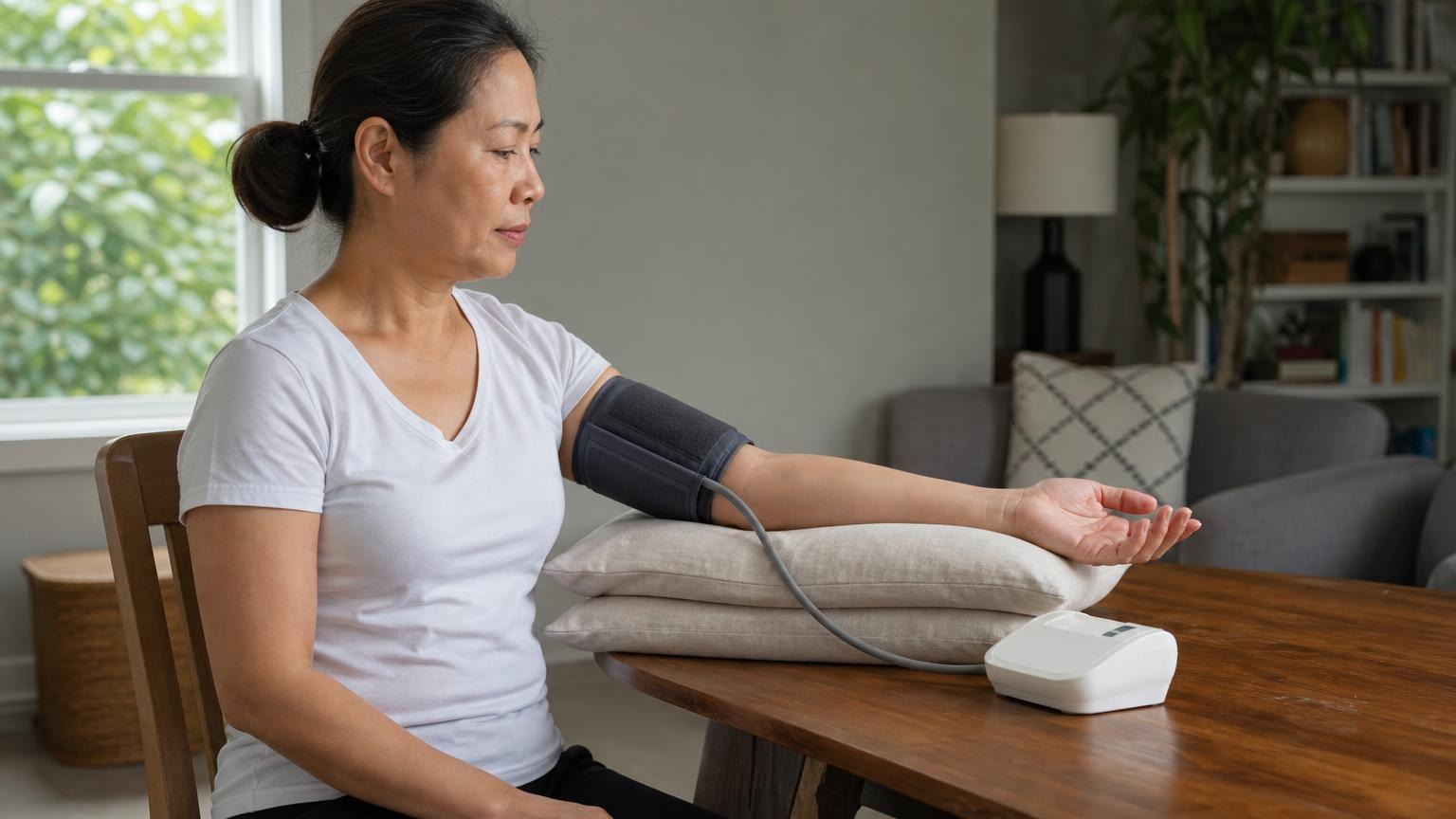
- Support the arm so the cuff sits near heart level.
- Make sure the tubing is not twisted or pulling the cuff out of position.
A cuff that is too small, wrapped too tightly, or placed too low can feel much worse than it should. Our guides to blood pressure cuff size, cuff tightness, and blood pressure cuff placement explain those checks in more detail.
If the pain continues despite correct setup, do not keep testing that arm repeatedly. Use the other arm only if it is safe for you, and ask a clinician what to do next.
How to choose the best arm when both arms seem usable
When both arms are safe to use, consistency matters more than preference. A practical approach is:
| Step | What to do | Why it helps |
|---|---|---|
| Start calm | Sit quietly with feet flat and back supported | Reduces timing and posture noise |
| Compare both arms | Take readings on both arms on a few separate occasions | Shows whether one side tends to run higher |
| Pick one routine arm | Use the arm that is consistently higher, unless your clinician says otherwise | Keeps your log conservative and comparable |
| Label exceptions | Note any reading taken on the other arm | Prevents mixed-arm readings from looking like a health change |
Do not decide from one rushed comparison. Blood pressure naturally changes minute to minute, so a small difference between arms can be normal measurement variation. A repeated, larger difference is more useful information and should be discussed with a clinician.
For a full setup checklist, start with how to take an accurate blood pressure reading at home.
What if both upper arms are difficult to use?
If both upper arms are difficult because of size, pain, mobility, surgery history, swelling, or access sites, do not silently switch to a random workaround and mix those readings into your usual log. Alternative sites may be useful in some cases, but they are not automatically interchangeable with a standard upper-arm reading.
A safer sequence is:
- measure your upper-arm circumference and check the cuff range printed on your cuff
- look for a manufacturer-compatible larger or smaller cuff if fit is the problem
- ask a pharmacist, nurse, or clinician to watch your setup if technique is uncertain
- ask whether a wrist monitor, forearm method, or clinic/ambulatory monitoring is appropriate for your situation
- label any nonstandard reading by site, arm, position, device, and symptoms
If you need a broader discussion of alternative sites, see can you take blood pressure on your forearm? and upper-arm vs. wrist blood pressure monitors.
What to record when one arm is off-limits
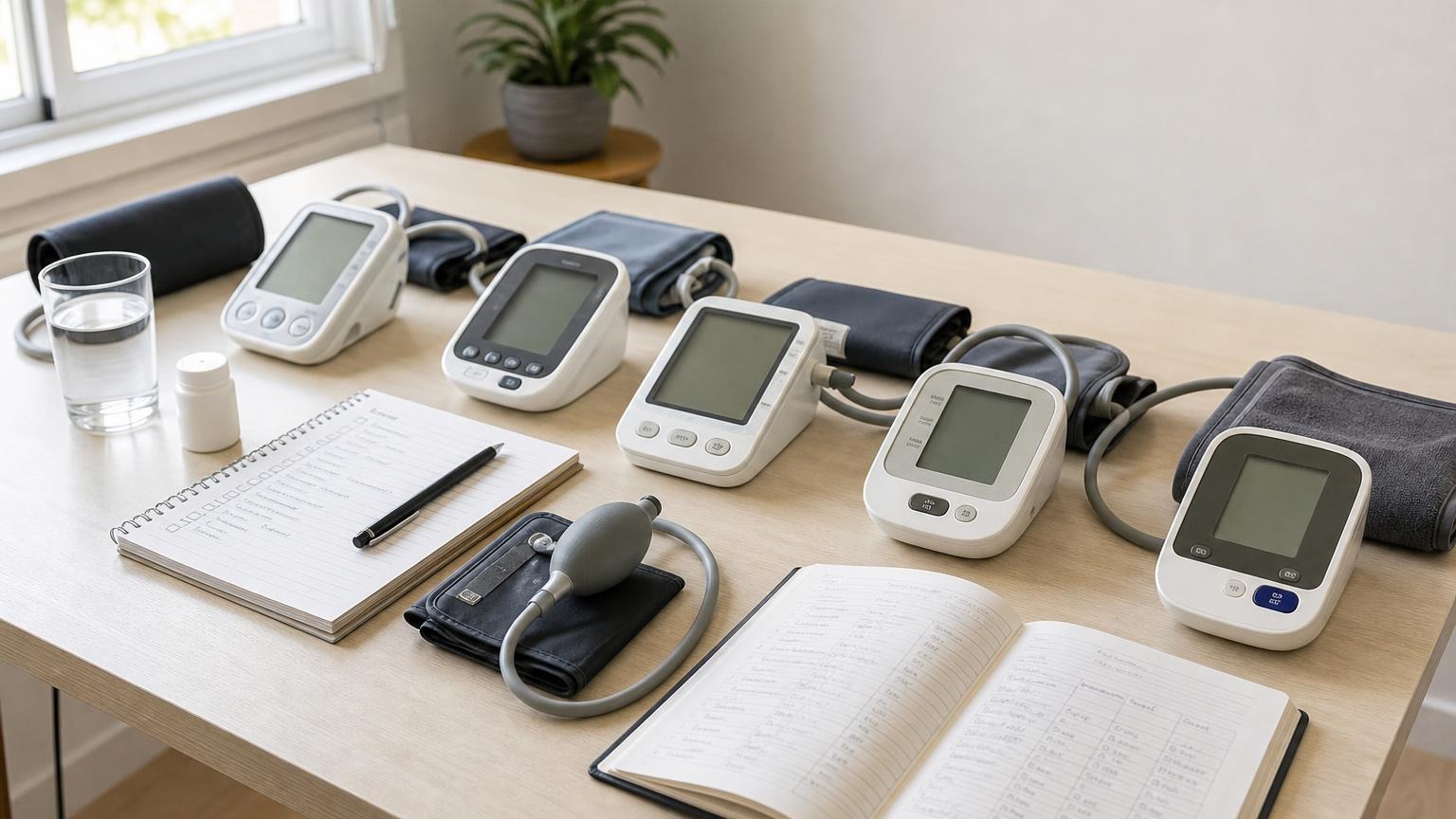
A clean log is especially important when one arm cannot be used. Record more than just the number:
- date and time
- arm used
- body position: seated, standing, or lying down
- cuff size or device type
- whether the reading was before or after medication, if relevant to your care plan
- symptoms, pain, stress, caffeine, exercise, or unusual context
- any reason the usual arm was not used
That context helps a clinician interpret the pattern. It also prevents you from comparing a calm seated right-arm reading with a rushed left-arm reading taken under different conditions.
FAQ
Is the left arm always best for blood pressure?
No. The left arm is often used out of habit, but it is not automatically the best arm for everyone. If both arms are safe, compare them under consistent conditions and use the arm that tends to read higher unless your clinician gives different instructions.
Can I take blood pressure on an arm with dialysis access?
Do not use an arm with dialysis access unless your dialysis or medical team specifically tells you it is acceptable. Many patients are instructed to protect that arm from blood pressure cuffs, needle sticks, and unnecessary compression.
What if I had breast surgery or lymph node removal?
Follow the instructions from your surgical or oncology team. Some people are told to avoid blood pressure cuffs on the affected side because of lymphedema risk or healing concerns. If you are not sure, ask before making that arm part of your routine.
Is it okay to switch arms if one reading seems high?
Switching arms just to look for a lower number can make your log harder to interpret. If you need to compare arms, do it intentionally, label both readings, and repeat under similar conditions. For routine tracking, use the same approved arm each time.
Bottom line
The arm you should not use for blood pressure is any arm with a medical restriction, unsafe access site, significant injury, swelling risk, or clinician instruction to avoid cuff inflation. If both arms are safe, choose one routine arm based on consistent comparison, then stick with it.
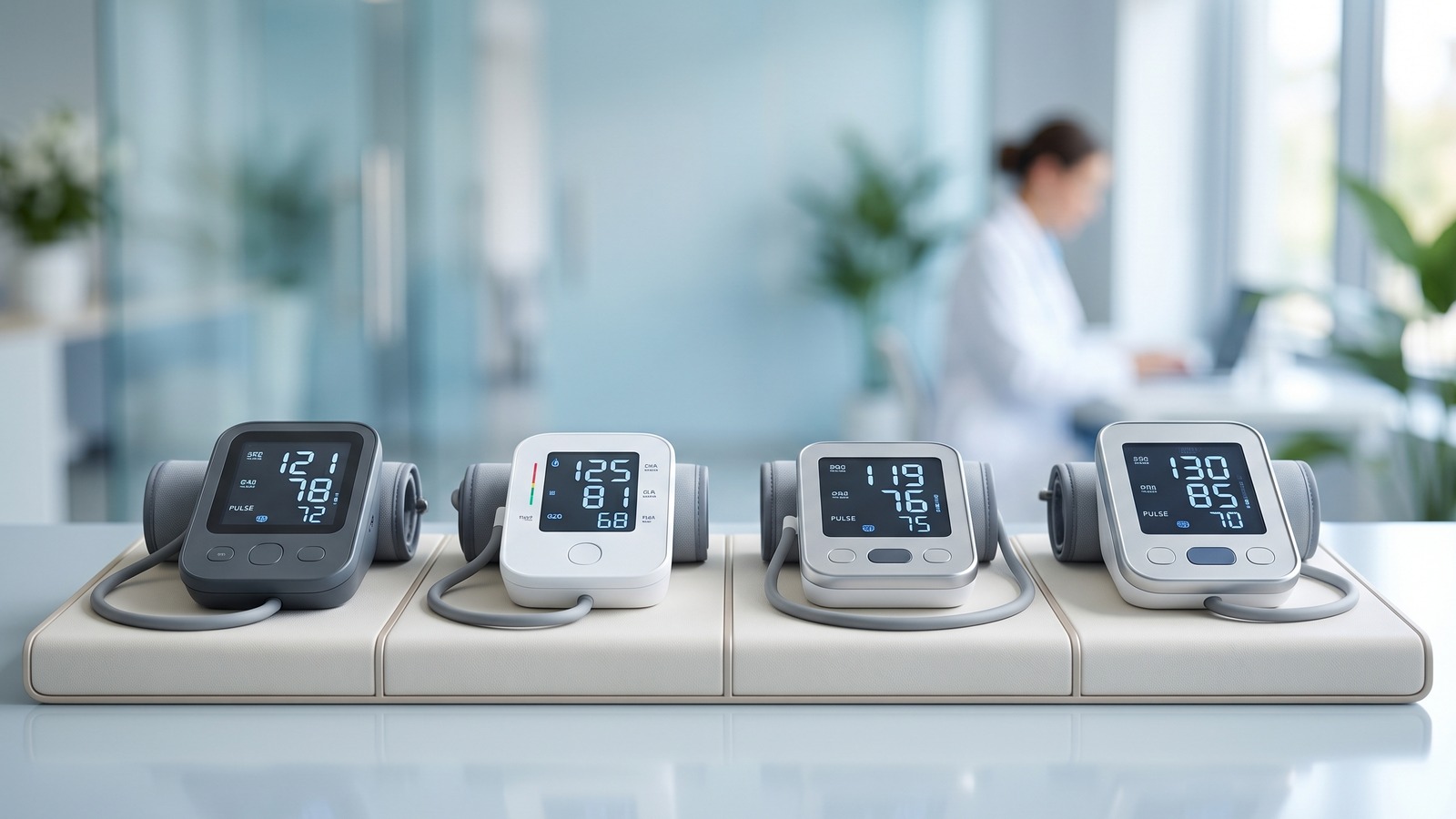
If your current cuff or monitor makes safe arm choice difficult, compare models with better cuff options before improvising.
This article is educational and not medical advice. Consult a qualified clinician before making treatment decisions or changing your monitoring routine because of arm restrictions, dialysis access, surgery history, swelling, pain, symptoms, or repeated unusual readings.
Top 5 picks
Best Blood Pressure Monitors For Seniors 2026
Five upper-arm monitors ranked with published scorecards—setup friction, comfort, readability, power convenience, and repeatable accuracy—so you can compare models before you buy.
See our Top 5 blood pressure monitor picksHome-monitoring advice is only useful if it is easy to verify and act on correctly.
We write explainers to be understandable to readers, search engines, and AI answer systems.
Compare our Top 5 blood pressure monitor picks for 2026, then track readings over time with consistent technique.